DD
MM
YYYY

PAGES

DD
MM
YYYY

spot_img

PAGES

Home Blog Page 7430

Electric Brain Stimulation – definition, techniques, effects, applications and wraning

3

Electric dominance of the brain working is well confirmed and established by health and neural sciences. Electric signals within the brain not only govern/control the working of the human body, but according to recent medical studies, these signals with suitable electric brain stimulation techniques can be controlled to enhance the desired activities of the human body like motion, memory, health, peace and more. This article aims to bring to the reader such useful outcomes of electric brain stimulation, but with caution that such technology should be used under proper medical expert supervision.
188
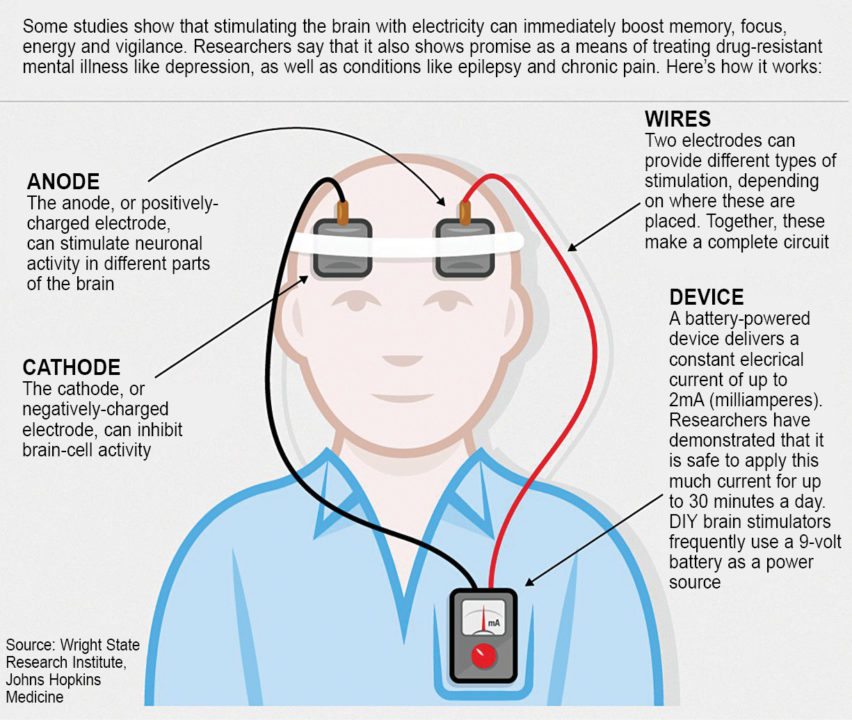
Transcranial direct current stimulation

Electric brain stimulation in its current form may be relatively new, but humans have been tinkering with the brain for centuries. Electrical brain stimulation, also referred to as focal brain stimulation (FBS), is a form of electrotherapy. This technique is used in research and clinical neurobiology to stimulate a neuron or neural network in the brain through direct or indirect excitation of its cell membrane by using an electric current.

Electrical brain stimulation was first used in the first half of the 19th century by pioneering researchers such as Luigi Rolando (1773 – 1831) and Pierre Flourens (1794 – 1867), to study the brain localisation of function, following the discovery by Italian physician Luigi Galvani (1737 – 1798) that nerves and muscles were electrically excitable.

In the following century, the technique was improved upon by the invention of the stereotactic method by British neurosurgeon pioneer Victor Horsley (1857 – 1916) and by the development of chronic electrode implants by Swiss neurophysiologist Walter Rudolf Hess (1881 – 1973), José Delgado (1915 – 2011) and others, by using electrodes manufactured by straight insulated wires that could be inserted deep into the brain.

Two-photon excitation microscopy has shown that micro-stimulation activates neurons sparsely around the electrode even at low currents (as low as 10µA), up to distances as far as 4mm away. This happens without particularly selecting other neurons much nearer the electrode’s tip. This is due to activation of neurons being determined by whether these have axons or dendrites that pass within a radius of 15µm near the tip of the electrode. As current is increased, volume around the tip that activates neuron axons and dendrites increases and, with this, the number of neurons that are activated. Activation is most likely to be due to direct depolarisation rather than synaptic activation.

Techniques of electric brain stimulation

Medical experts and companies have developed a variety of non-invasive brain stimulation technologies such as cranial electrotherapy stimulation (CES), deep brain stimulation (DBS), transcranial direct current stimulation (tDCS), electroconvulsive therapy (ECT), functional electrical stimulation (FES), magnetic seizure therapy (MST), vagus nerve stimulation (VNS) and deep transcranial magnetic stimulation (deep TMS).

tDCS is getting loads of attention from early adopters who rave about its potential, and scientists who are trying to unravel what it can and cannot do. It is a non-invasive form of brain stimulation that involves passing a current between electrodes on the scalp. The technique is one of a number of technologies being tested to see if it can enhance cognitive functions such as boosting the performance of drone pilots or image analysts.

According to the experts, the current is set to about 2mA, which is about 1000 times less than the electrical current that flows through a typical iPad charger, and only about 1/50th of that current makes it through the skull to the brain. The stimulation is said to last for about ten minutes, and is aimed at the right inferior frontal cortex and the right anterior temporal lobe, which are brain areas thought to be important for learning.

A mild stinging sensation is felt where the electrode is attached to the head. This is thought to be a normal feeling, but if the sensation continues, it is better to turn off the connection and try to get a better connection.

Next, people notice a slight taste of metal in their mouth, a common side effect of tDCS, according to experts.

Although this is an experimental method, it is widely regarded as safe and does not appear to cause any short-term harm. The most common side effects of stimulation include tingling or skin irritation and seeing phosphenes (light rings or spots not produced by actual light). Other side effects include fatigue, headache and itching under the electrode. In rare cases, people experience nausea or insomnia.

Some studies have found impressive gains in performance from tDCS, while others suggest the technique has little effect. That has not stopped adventurous amateurs from testing home-made devices on themselves, though this is not recommended. Scientists are still investigating how tDCS works, but the reigning hypothesis is that it changes the excitability of a particular brain region. Depending on the direction of the current, stimulation could make neurons in a particular area of the brain more or less likely to fire.

Recent studies have focused on using tDCS to boost the performance of image analysts for the military. The study found that participants who received training and stimulation were about 25 per cent more accurate in identifying the objects than those without stimulation. Some studies claim to have found benefits in everything from mental arithmetic to memory; other studies have found no evidence of cognitive effects from a single session of tDCS.

Research on tDCS is not limited to seeking cognitive boosts. Many scientists are also investigating its efficacy in treating mental disorders such as traumatic brain injury and schizophrenia. However, there is no administrative approval for the use of the technique.

Similarly, TMS uses a magnetic coil to induce small electrical currents in the brain. In contrast to tDCS, TMS actually causes neurons to send signals or spike, and it has been approved for treating depression and migraines.

Effects of electric brain stimulation

Focused thinking, better memory, deeper sleep, relief from depression and reduced stress are some benefits of electronic stimulation for the mind and brain as mentioned in the literature on the Internet by companies dealing with the development of different types of the brain stimulation devices.
Electric Brain Stimulation
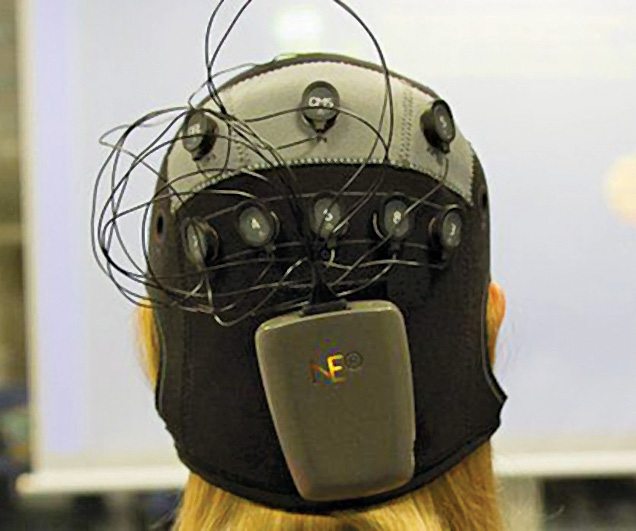
Electrical stimulation devices at Oxford University can have currents placed on various parts of the brain (Image courtesy: www.bbc.com)

Popular electric brain stimulation methods that are used to boost brainpower are detrimental to IQ scores. Using a weak electric current in an attempt to boost brainpower or treat conditions has become popular among scientists and do-it-yourselfers, but a new study shows that using the most common form of electric brain stimulation has a statistically significant detrimental effect on IQ scores.

Strong electric currents may cause a localised lesion in the nervous tissue instead of a functional reversible stimulation. This property has been used for neurosurgical procedures in a variety of treatments such as for Parkinson’s disease, focal epilepsy and psychosurgery.

Sometimes, the same electrode is used to probe the brain for finding defective functions, before passing the lessoning current (electro-coagulation).

A comprehensive review of the research on electrical stimulation of the brain gives a list of different acute impacts of stimulation depending on the brain region targeted. Following are some examples of the effects documented:

Sensory. Feelings of body tingling, swaying, movement, suffocation, burning, shock, warmth, paresthesia, feeling of falling, oscillopsia, dysesthesia, levitation, sounds, phosphenes, hallucinations, micropsia, diplopia and more

Motor. Eye movements, locomotion, speech arrest, automatisms, laughter, palilalia, chewing, urge to move, crying without feeling sad, etc

Autonomic. Blushing, mydriasis, change in blood pressure and breathing, apnea, nausea, tachycardia, sweating and the like

Emotional. Anxiety, mirth, feeling of unreality, fear, happiness, anger, sadness, transient acute depression and hypomania, among others

Cognitive. Acalculia, paraphasia, anomic aphasia, recalling memories, going into a trance, out-of-this-world experience, conduction aphasia, hemispatial neglect, reliving past experiences, agraphia, apraxia and so on.

Medical applications of electric brain stimulation

Electrical stimulation of the brain is a relatively new technique used to treat chronic pain and tremors associated with Parkinson’s disease. It is administered by passing an electrical current through an electrode implanted in the brain. While implantation of electrodes in the brain is used to treat or diagnose several disorders, the term electric brain stimulation is limited to the treatment of tremors and as a pain-management tool for patients suffering from back problems and other chronic injuries and illnesses.

An electric brain stimulation tremor-control device used in treating people suffering from Parkinson’s may interfere with or be affected by cardiac pacemakers and other medical equipment. As a result, patients with other implanted medical equipment may not be good candidates for the therapy. Electrical stimulation of the brain, or deep brain stimulation, is effective in treating tremors in up to 88 per cent of Parkinson’s disease patients.

An electrode is implanted into the thalamus (part of the brain) of the patient and is attached to an electric pulse generator via an extension wire. The pulse generator is implanted into the patient’s pectoral, or chest area, and the extension wire is tunneled under the skin. The pulse generator sends out intermittent electrical stimulation to the electrode in the thalamus, which inhibits or partially relieves the tremor. The generator can be turned on and off with a magnet, and needs to be replaced every three to five years.

Similar methods have been used to treat chronic pain that responded unfavourably to conventional therapies. A remote transmitter allowed these patients to trigger electric stimulation to relieve their symptoms on an as-needed basis. Patients with failed back syndrome, trigeminal neuropathy (pertaining to the fifth cranial nerve) and peripheral neuropathy fared well for pain control with this treatment, while patients with spinal cord injury and postherpetic neuralagia (pain along the nerves following herpes) did poorly.

Implantation of electrodes into the brain carries risks of hemorrhage, infarction, infection and cerebral edema. These complications could cause irreversible neurological damage. Patients with an implanted electric brain stimulation tremor-control device may experience headaches, disequilibrium (disturbance of the sense of balance), burning or tingling of skin or partial paralysis.

Warning over electrical brain stimulation

Preliminary research on the effects of tDCS has spurred a host of scientists (and amateurs) to explore the possibility of improving cognitive function, increasing reaction times and treating mental illnesses through carefully-applied electrodes.

Research has shown that by delivering electricity to the right part of the brain, we can change the threshold of neurons that transmit information in our brain and, by doing that, we can improve cognitive abilities in different types of psychological functions. The idea is to make the neurons more likely to fire.

Preliminary research suggests that electrical stimulation can improve attention as well as have a positive impact on people with cognitive impairments and depression. Research has also highlighted that electrical brain stimulation could have favourable effects on humans, but some companies are selling such devices online, leading to calls to regulate the technology. If used in the wrong way, these devices could be harmful.

We need to know how long to stimulate, at what time to stimulate and what intensity to use. Electrical stimulation is used in a controlled environment for no more than ten minutes at a time and only on participants who have passed strict medical checks. Scientists are, after all, applying electrodes to the brain, which they say could have some unintended results. For example, different brain regions than those intended might be affected and, in some instances, stimulation could impair rather than improve function if the polarity of the stimulation is reversed.

What is even more worrisome is that people are increasingly making DIY brain stimulation kits themselves. This puts the technology in the realms of clever teenagers.

Another concern is that the science behind these devices is not ready for the commercial market, and companies are jumping on the hype of research that is not quite ready for the world. Any device with medical claims that it is meant to affect the biological function should be appropriately regulated.

Suggestions of increased attention and alleviation of certain medical conditions mean that interest in electrical stimulation is bound to increase, but if the research continues to show promising results, it is clear that electric brain stimulation will need to be treated with some caution.

by By Dr. S.S. Verma – Dr. S.S. Verma is a professor at Department of Physics, Sant Longowal Institute of Engineering and Technology, Sangrur, Punjab


APC Caucus Kaduna Chairman Ahmed Tijjani Ramalan Writes Nasir Ahmad el-Rufai on Hypocrisy of President Buhari Letter

0

This is a letter from APC Kaduna accusing Nasir Ahmad el-Rufai  of hypocrisy for accusing Buhari for lack of performance at national level when he was not doing much in Kaduna. The Governor had complained about the Chief of Staff to Buhari. But Ahmed noted that El Rufai has his own man – Jimi Lawl. This is in PDF. This is the original El-Rufai letter to  President here (pdf).

Your Excellency may recall that you wrote series of Memos to President Muhammadu Buhari as the leader of the Country and our great Party, the All Progressive Congress (APC) which was leaked to the Public of very recent, in those Memos, you expressed your concerns in the handling of affairs of the Nation by the Buhari led Administration.

Your message was received with mixed reactions by Nigerians, some called that action an uncommon courage by you, in the same light, some of us have been worried about the way our State has been handled since you assumed office and it is said that “Charity begins at Home”, most of the concerns raised in your Memo are actually the very same concerns that some if not most Stake-holders in Kaduna has over your leadership.  While I would not write a long Memo like yours but permit me to raise few of those concerns here.

We are approaching the Mid-term of your Administration as the Executive Governor of APC Controlled Government of Kaduna State.

The Party is Docile in its statutory duties and activities as a Political Party, No Executive Committee and Stakeholders Meetings from the Ward to State Levels is virtually non-existent since you took control of the State.

Most Stakeholders and members are feeling Used and Dumped and Lack of consultations in decision-making processes as it affects the Party at the Local, State and National Levels.

The Party at the State Levels needs to be properly constituted, and Vacancies filled as Urgent, including the Kaduna state vacant seat of the National officer in the APC NWC through Special Congresses before the National Conventions.

Your Excellency as the Governor and the Leader of the Party in Kaduna State, there is the Urgent need to facilitate and put in place a reconciliatory process to bring back all aggrieved members under one Structure as we prepare into the fort coming Local Government Elections in the State to avoid any un-pleasant Consequence in many Local Governments.

We need an emergency Stakeholders/Caucus meeting to advise all to bury the hatchet in the interest of our Great Party and to pursue the drive vigorously in membership and the Propagation of the Policies and the Objectives of the Programmes of the APC Government in the State

FACES OF EL-RUFAI’S CABAL:

THE POWERFUL ONE MAN LOCAL CABAL IN THE GOVT HOUSE KADUNA, THE NEGOTIATOR AND EXECUTOR OF ALL GOVT PROJECTS AND PROGRAMMES

Jimi Lawal, Is the Powerful Advisor on Investment, Promotion, “Adviser Extra-Ordinary and Plenipotentiary, and De factor Vice Governor” to Governor Mallam Nasir Ahmed EL-Rufai of Kaduna State.

Your Excellency in your memo to the President, you claimed that the Chief of Staff was not part of the APC formation, campaign or elections, one wonders if your powerful Special Advisor, Mr. Jimi Lawal played any role during the APC formation and subsequently, if yes at what capacity or disposition, yet he is at the Government House in Kaduna State, no decision, policy or their implementation is ever taken without his approval or blessings, and were he to be part of Kaduna APC Chapter, perhaps there would not have been the feeling of neglect by the APC Family in Kaduna State as whole.

Mr. Jimi Lawal, a former Managing Director of the failed Alpha Merchant Bank who was convicted in Absentia in Nigeria for Criminal Acts of the Distress Alpha Merchant, abandoned thousands of devastated Investors while he ran into exile.

Today he is the one calling the shots in the APC-controlled government of Kaduna as a friend of EL- Rufai.

The Fear of Jimi Lawal is the beginning of wisdom in Kaduna State APC administration, he is alleged to be the most powerful official and the closest to the Governor and most feared, with his hands into all aspects of governance from procurement negotiations to projects executions, without following the the provisions of the Procurement Act and due process.

APC Stakeholders in the State with Dossiers on JIMI,
in the National and State Interest are appealing to their Governor Mallam Nasir EL-Rufai to Start the reform of re-positioning his Government by first disengaging the services of the questionable and convicted, Jimi Lawal as a Political appointee in Service of Kaduna State Government in the Interest of the War against Corruption, Impunity, and abuse of office.

Uba Sani is another high ranking member of your cabal, a close friend of yours who currently serves as your Special Adviser on Political Affairs and Inter-Governmental Affairs. He was a late entrant into the APC in 2015.

We advise the Governor to seek another and experienced foundation APC Member and a politician as your Special Adviser on Political Affairs.

Uba Sani as your personal friend and associate, can best serve you as your Special Adviser for Special Duties in (charge of Inter-Governmental Affairs and Protocol), he has proved to be resourceful in handling your runs between MDAs in Abuja, Lagos, and Kaduna, this will be in the overall interest of your APC Administration.

Ahmed Tijjani Ramalan

Chairman,

APC Caucus Kaduna State

Top 5 Trending Messengers

0

In the ever growing world of smartphones, Instant Messaging apps play a key role in connecting people effortlessly and at no cost. Gone are the days when we used to connect to our friends and family via text messaging. With increasing user adoption, many new IM apps have hit the market. All the messengers do mostly the same things but little extra functions of each app lead to major competition between them.

If you’re looking for a good messenger to keep in touch with your friends and family, here’s the list of the Top 5 trending messengers below.

  1. WhatsApp

WhatsApp has been able to make its way to most smartphones around the world; regardless of the OS they run on. This extremely popular messaging App is one of the few Apps in history that can boast more than one billion downloads. It is by far one of the most convenient IM apps and is used by millions of individuals every day. Using this App, you can chat with pretty much anyone who has WhatsApp and the messages are delivered instantly. Now the app also supports free voice and video calling. On the whole, if you’re looking for a good Instant Messaging app to be in touch with all your friends, WhatsApp is the way to go.

  1. Viber

Viber is a lot like WhatsApp, it gained popularity for being one of the first IM apps to offer free voice calling. This App has a good interface and features like celebrity chats, stickers and emoticons. Viber currently boasts more than 660 million active users. The App also features games, the ability to delete messages after they have been sent, and it can be used on PC as well.

  1. Kik

Like WhatsApp, Kik has become an insanely popular IM app for users around the World.  It doesn’t depend on phone numbers for contacts and you can add people via usernames and create groups with up to 50 people. Apart from sending text messages, you can also share images and even GIFs. If you want an Instant Messaging App that’s fun to use, KiK is the best bet. The best thing about Kik is that users can easily find Kik for PC.

  1. LINE

LINE is another popular IM app in the world with over 100 million downloads. The app has some really cool stickers and emojis. It also has the option to view newsfeed to find out what your friends have been up to.

You can also make fun movies and add friends via NFC. In terms of features, LINE is quite simple. You can share photos and videos with your contacts.

  1. WeChat

WeChat is another popular IM App with over 100 million downloads. It offers standard text messaging and group messaging along with photo sharing, stickers, and emojis like other IM Apps. It swanks features such as ‘Moments’ which allows users to share their favourite memories with photos and videos. It also offers voice calls and video calls for free to other WeChat users. You can play games and also scan your surroundings for people using WeChat using the Friend Radar feature. It is also certified by TRUSTe, which is great for people concerned about privacy when using Instant Messaging apps.


Top HealthTech Startups and Companies in Nigeria

2

HealthTech is hot in Nigeria right now. There are many companies moving into the healthTech sector as the opportunities are huge.

Health Tech, or digital health, is the use of technology (databases, applications, mobiles, wearables) to improve the delivery, payment, and/or consumption of care, with the ability to increase the development and commercialization of medicinal products.

The global EHR (electronic health record) market, a sub-market of the healthTech sector, is projected to hit $30 billion by 2023 (from $19B in 2014), according to Transparency Market Research. African EMR market is still at infancy (less than $500M) and expected to grow in double digits, correlating with increasing mobile penetration rates and reduced broadband data rates.

For the broad industry, the healthTech sector venture funding has grown 200%, allowing US$11.7 billion to flow into healthTech businesses from over 30, 000 investors in the space. The industry was valued at US$7.2 trillion in 2015 in the US alone.

The following are the major healthTech startups and companies in Nigeria at the moment.

MedceraMedcera is a web-based EMR (electronic medical record) and EHR (electronic health record) system with patient portal. The technology supports pharmacies, health insurers, labs, imaging centers, chemists, clinics, hospitals and indeed any entity in the healthcare sector.

Interswitch Heath – provides outsourcing infrastructure to help manage non-core functions such as record keeping, claims processes, administration services and much more.  This means that health insurers and care providers are no longer burdened with these time-consuming tasks, and can focus on keeping their patients healthy instead. https://www.interswitchgroup.com/

Curacel Health – developing paid EHR for health providers. It is a secure web and mobile based system for health care providers to manage their operations seamlessly and make better decisions about their patients and their practice. http://www.curacel.co/

Safermom – SaferMom addresses the high maternal and infant mortality crises in Nigeria. Delivers vital health information to new and expectant mothers using interactive, personalized low cost mobile technologies, including SMS and voice calls in the local languages. http://www.safermom.org/

Omomi -Helps parents keep their children healthy by enabling them easily monitor their children’s health. Parents can track their child’s immunization status, manage diarrhea at home with interactive DIY platform and access to speak to doctors as well as other parents. It also provides a fun and very educating quiz which gives parents simple health education knowledge. ?www.mobicure.biz

Find-a-med -Helps users find the closest health and medical centers around them with turn-by-turn directions to the centers has launched in Nigeria. Find-A-Med uses your location either via the web or mobile to find the nearest hospital, clinic, pharmacy, dental care, eye care, therapy, laboratory, etc. http://www.find-a-med.com/

Kangpe: Ask Real Doctors Your Health Questions. Get Answers Under 10 Minutes. Find a doctor and book appointment feature. www.kangpe.com

Mobidoc: Nigerian healthcare goes mobile. Talk to verified doctors, at your convenience. Anytime. Anywhere. A mobile health consultation application for everyone. mobidoc.ng

Meditell – Enables Hospitals assist their patients in taking their drugs through reminder alerts. The patient receives the exact time to take their medications via an automated voice call and a text message that’s sent to the phone. http://meditell.com.ng/

Medismart -Medismarts Inc. develops and sells compelling, integrated healthcare software that uses advanced technologies to improve medical practice productivity for Health insurance companies and Hospitals. ?http://medismarts.com.ng/

Apmis – APMIS is a simple means to capture, store, exchange and utilize healthcare data/information easily, transparently, securely in an affordable low cost (cost effective) manner using information technology. It solves the problems associated with data/information/knowledge for hospital owner, healthcare professionals, care givers, patients, government, health maintenance organization and other healthcare stakeholder. http://www.apmis.ng/

Medenhanz  – Medenhanz is an accessible and affordable web-based and mobile application for point of care clinical reference and continuing medical education. Provides online CPD, standard treatment guidelines, clinical reference database, drug information. http://www.medenhanz.com/

Dokilink – Social network for doctors. Provides an avenue to connect, discuss and earn. http://dokilink.com/

Medical device as a service (MDAAS) – Provides hospitals with a range of medical device acquisition options and offer world-class service support with each device. http://www.mdaasnigeria.com/

Drugstoc – Helps licensed Pharmacies, Hospitals, and Medical Professionals order pharmaceutical products directly from officially accredited distributors. http://drugstoc.com/

medrep.ng – Tool to help pharmaceutical sales rep and pharma companies manage their sales teams. http://www.medrep.ng/

Wella Health -Helps community pharmacies keep dispensing records and use automated SMS messages to promote drug adherence and patient loyalty. www.wellahealth.com

Gen-rx- Pharmacy inventory application. Features include: Expiry Date Auto-Detection, Overdose Auto-Detection, Drug Interactions Auto-Detection. http://agcnigeria.org/

Healththink -Big data analytics platform for Nigerian health data. Currently Pre-launch. http://www.healththink.org/

Lifebank -LifeBank is a platform that makes blood available when and where it is needed in Nigeria to save lives. We mobilize blood donations, take inventory of all blood available in the country, and deliver blood in the right condition to the point of need. http://www.lifebank.ng/

Redbank – Redbank is a service that helps hospitals and patients quickly and easily search and find safe blood in real time via SMS. ?www.redbank.com.ng

Ubenwa -Ubenwa is saving newborn lives by enabling quick and cost-effective diagnosis of birth asphyxia from infant cry http://ubenwa.com/

Numa Health-  Numa gives access to reliable high quality health information, to help make the right healthcare decisions. www.numa.io

How IoT is creating a new practicing engineering field called Continuous Engineering

0

The hype around the Internet of Things is now rapidly giving way to the reality of implemented products and services.

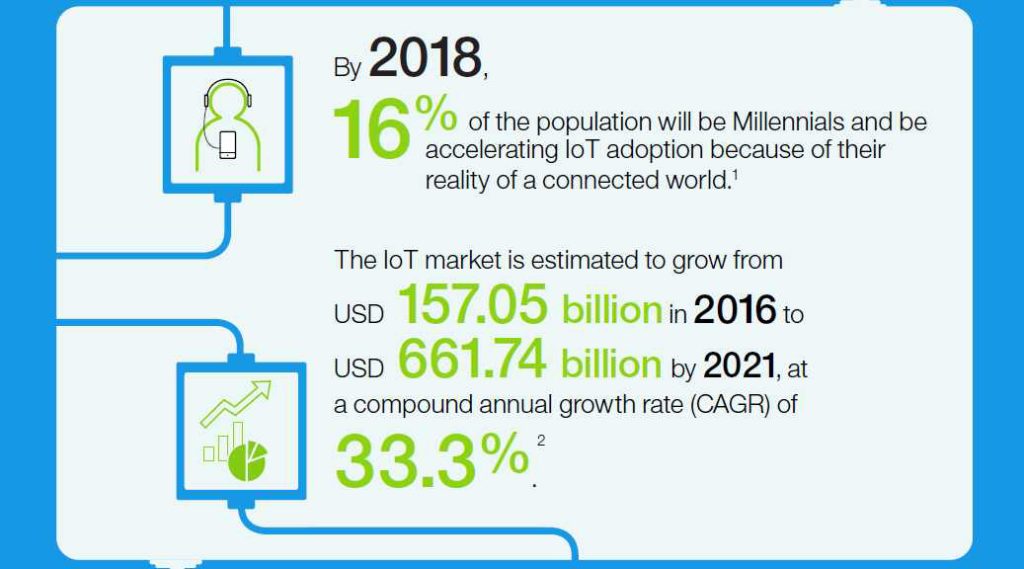
Analyst firm IDC predicts that the worldwide IoT market spend will grow from approximately USD 690 billion in 2015 to USD 1.46 trillion in 2020 with a compound annual growth rate of 16.1 percent. The installed base of IoT endpoints will grow from 12.1 billion in 2015, exceeding 30 billion in 2020.

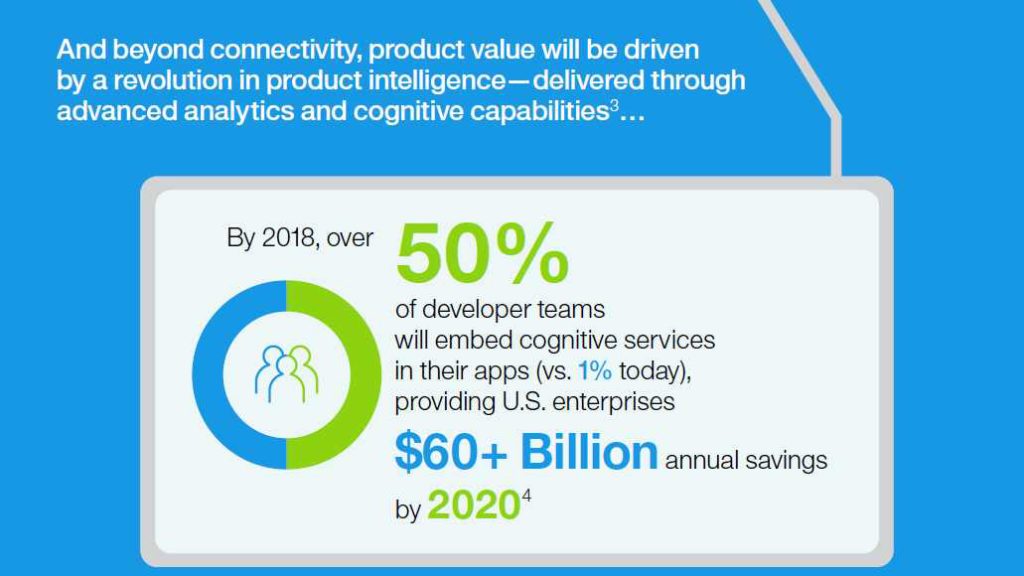
Connectivity has moved from being an interesting feature to being a so-called “price of entry” requirement to achieve competitive product value and differentiation in many of today’s markets.

IoT products and services can range from the basic to the critical: cost-critical, availability-critical, brand-critical, even safety-critical. Therefore, the makers of products and services must understand and respond appropriately to the challenges of engineering for the IoT.

As connectivity increases the capabilities of IoT products and services, so it also increases their complexity. New capabilities bring new failure modes. Added complexity—unless managed appropriately—can increase the likelihood of failures occurring. Furthermore, the consequences of failure can themselves be hard to predict.2

Therefore, increasingly critical products and services require robust IoT engineering. The primary challenges include:

  • Delivering compelling functionality (where the requirements might be continuously changing)
  • Delivering appropriate dependability, in the form of safety (freedom from harm), reliability (availability of services) and security (freedom from intrusion, interference or theft)
  • Delivering the solution in an open context—where some of the technologies and components that contribute to the solution are not under direct commercial or engineering control
  • Delivering the solution with appropriate speed and at appropriate cost to respond to competitive threats and changing market demands

IoT-related products and applications will require a more systems-oriented approach to engineering. Systems thinking, especially the concept of emergent behavior (both wanted and unwanted) is crucial for high-quality IoT development and design. Systems engineering, especially system-of-systems engineering, can help reinforce the agility and quality of IoT development and design, especially if the product being designed needs to respond to other products and systems that are not under the designers’ control.

However, systems engineering approaches must be right-sized to apply to IoT, between the two extremes of, on the one hand, extremely agile ad hoc development projects and, on the other, meticulous and expensive aerospace-grade systems engineering. Special attention must be given to safety and security aspects of IoT systems, more so than for conventional apps and software products. Tools supporting such engineering approaches must be flexible and integrated so they can provide the right amount of control and rigor, but also meet the needs of fast development cycles and time-to-market pressures.

To make the most beneficial impact on IoT development, systems engineering approaches should be part of a comprehensive continuous engineering methodology. Continuous engineering makes use of the feedback available from connected products and systems to continuously inform product refinement and new design. It consists of proven principles and practices combining systems thinking and systems engineering, embedded software development and IoT application software development, together with appropriate automation to enact those practices efficiently in a real product development environment.


You need this new design thinking in your IoT projects. IBM is pioneering this Continuous engineering construct under WatsonIoT.