DD
MM
YYYY

PAGES

DD
MM
YYYY

spot_img

PAGES

Home Blog Page 816

PEPE Holds for Whales, AAVE Struggles, Yet BlockDAG Roars Back With No Vesting & $354M Raised!

0

Wider market sentiment shows signs of tension. The AAVE price pattern has fallen beneath its recent support level, while the PEPE coin price trades sideways, even with notable whale activity. Current momentum across several assets has slowed, with traders unsure whether to expect a rebound or more losses. Amidst this uncertainty, some projects are managing to cut through the noise.

That’s exactly where BlockDAG (BDAG) steps in. Its presale continues gaining traction with over $354 million already raised. The BEAT VESTING PASS lets all buyers get full coin unlock at launch, and with the price fixed at $0.0016 until August 11, early participants are jumping in before the presale moves forward. While the AAVE price pattern and PEPE coin price show hesitation, BlockDAG presents a moving front.

Will AAVE Reclaim $269? Analyzing the Latest AAVE Price Pattern

Support appears to be weakening as the AAVE price pattern slips below the $269 range. Despite recently achieving a $50 billion Total Value Locked (TVL), price movement remains unconvincing. A 14% dip from the July 19 peak near $334 highlights this slump.

Indicators offer little relief. The Relative Strength Index nears oversold levels, the MACD remains bearish, and the price floats under the 7-day and 20-day moving averages. While long-term support from the 200-day SMA still holds, shorter-term signals have yet to strengthen. The critical test now lies around $269.86; a breakdown here could result in a slide toward $213 territory.

PEPE Coin Price Consolidates Despite Whale Interest

The PEPE coin price continues its sideways movement, hovering near $0.0000126 following a sharp 50% correction. Volume has dropped significantly, with a 7% decline this week and a 40% drop in overall trading activity. However, behind the scenes, whale movements between $100,000 and $1 million have risen by 32.5%, signaling stealth accumulation.

Holding steady around the $0.0000119 support line, the PEPE coin price is showing early technical hints of strength. A bullish hammer pattern and a positive Chaikin Money Flow reading at 0.08 point to accumulation in progress. While some anticipate a 20% surge to $0.000015, the coin continues to trade within a tight range, awaiting confirmation.

BlockDAG’s BEAT VESTING PASS Drives Presale Past $354M Milestone

BlockDAG’s presale is breaking all previous norms, and its BEAT VESTING PASS is leading the charge. This unique offer ensures that all BDAG coin purchases made before August 11 at the fixed price of $0.0016 will be fully unlocked at the time of launch, with no staggered releases or lock-ups.

This extension applies only to coins bought during the BEAT VESTING PASS window. Unlike phased vesting models, buyers who purchase during this period gain immediate access to their entire holdings at launch. This one-time opportunity is part of BlockDAG’s GLOBAL LAUNCH release, now in batch 29. So far, over 24.4 billion BDAG coins have been sold, with presale contributions surpassing $354 million.

With early participants already seeing 2,660% growth in their funds since batch 1, this momentum is drawing even more attention. As the price remains locked at $0.0016 until August 11, many are taking this as the final entry point before the presale advances. The confirmed exchange listing price is $0.05, and forecasts hint at $1 soon after, potentially offering a 3,025% upside from the current rate.

The BEAT VESTING PASS comes at a strategic time. With the presale nearing completion, this limited-time benefit is fueling whale interest and wide community participation. For those monitoring the top crypto for 2025, BlockDAG stands out as a project that’s actively delivering and giving users a clear advantage ahead of its launch.
Final Say!

Momentum remains shaky in the broader market. The AAVE price pattern is under pressure at the $269 support level, and the PEPE coin price hovers in a consolidation zone despite whale activity. Neither asset is making decisive moves.

By contrast, BlockDAG continues to build on its presale success, raising over $354 million and offering 100% coin unlocks through the BEAT VESTING PASS until August 11 at $0.0016. With over 24.4 billion coins sold and a projected jump to $1 post-launch, it’s becoming one of the top cryptos for 2025 worth keeping close watch on.

Presale: https://purchase.blockdag.network

Website: https://blockdag.network

Telegram: https://t.me/blockDAGnetworkOfficial

Discord: https://discord.gg/Q7BxghMVyu

Pepe Coin (PEPE) Is Less Than 2x Away From Flipping Shiba Inu (SHIB), But One Meme Coin Might Leave Both in the Dust in 2025

0

Meme coins continue to dominate headlines in the crypto space, not just for their outrageous branding and viral moments, but for their growing market caps and investor enthusiasm. As of now, Pepe Coin (PEPE) is closing in on Shiba Inu (SHIB) with striking momentum, and it’s not unrealistic to imagine PEPE flipping SHIB if current trends hold. However, while investors focus on this race for dominance, an even more explosive contender has quietly entered the meme arena, Little Pepe (LILPEPE). This upstart project could not only outpace both PEPE and SHIB but also completely redefine what it means to be a meme coin in 2025.

Pepe Coin’s Impressive Surge and Shiba Inu’s Slowing Momentum

Launched in 2023, PEPE has stunned the market with its meteoric rise. With a current market cap north of $5 billion and growing exchange volume, it’s already clawed its way into the top 30 cryptocurrencies. The coin’s meme appeal, combined with its recognizable branding from the original Pepe the Frog, has given it global meme resonance. But while PEPE’s market performance has been impressive, its tokenomics and lack of concrete utility beyond speculative trading might limit its long-term staying power. At the time of writing, PEPE only needs a 2x rally to surpass SHIB’s market cap. With the right mix of FOMO, whale activity, and meme season tailwinds, that flippening could easily occur. Yet the question remains: does PEPE have the infrastructure and innovation to sustain dominance, or is it simply this cycle’s version of Dogecoin mania? Shiba Inu remains one of the most recognized meme coins on the planet.

Despite being down from its all-time highs, it still boasts a strong community, DeFi integrations through Shibarium, and efforts to establish a more serious use case. However, the massive supply of over 589 trillion SHIB tokens makes rapid gains much harder to come by. In 2021, it was a breakout success story. In 2025, it risks becoming a legacy meme coin with diminished returns.  SHIB’s slow and steady development roadmap, while commendable, has not translated into massive new adoption or price performance recently. While it remains a staple in many portfolios, its best days may already be behind it unless the broader Ethereum ecosystem pumps hard or new burning mechanisms take effect.

Enter Little Pepe: The Meme Coin Built for 2025

While PEPE and SHIB battle for dominance based on meme power and community loyalty, Little Pepe (LILPEPE) is taking a completely different approach, building an entire Layer 2 blockchain optimized specifically for meme coin culture. This bold move positions LILPEPE as more than just a meme coin; it’s a meme coin infrastructure project. LILPEPE is currently in Stage 8 of its presale, priced at just $0.0017 per token, with 88.59% of tokens already sold and over $11.88 million raised. The next stage will bring the price up to $0.0018, meaning early buyers are already sitting on instant paper gains. But beyond the numbers, it’s the utility and vision behind LILPEPE that sets it apart. The Little Pepe Chain will offer near-zero gas fees, lightning-fast transaction speeds, sniper bot protection at the protocol level, and a meme launchpad built directly into the network. It’s an entire ecosystem that enables meme coins to thrive safely and fairly, something that neither PEPE nor SHIB can currently offer. For the first time, meme tokens will have a native home that is secure, scalable, and meme-native.

Roadmap to Meme Coin Supremacy

LILPEPE’s roadmap is as ambitious as it is meme-worthy. The project is broken down into three themed phases:

  1. Pregnancy Phase – This is the development era where the team finalized the Layer 2 design, audited the code, and prepared infrastructure for a full-scale launch.
  2. Birth Phase – Currently underway, this stage includes the presale, onboarding of early investors, influencer campaigns, and initial listings. LILPEPE has already secured spots on major CEXs, which will go live post-presale.
  3. Growth Phase – This is where things get serious. In this phase, the Little Pepe Chain will go live, meme projects will begin building on it, and the project will push toward a $1 billion market cap.

Everything about the project is engineered for virality, scale, and sustainability, with 0% tax, anti-rug mechanics, and a large allocation dedicated to staking rewards, liquidity, and future exchange listings.

Why LILPEPE Might Leave PEPE and SHIB in the Dust

While SHIB and PEPE rely on external hype cycles and community marketing, LILPEPE is creating a new lane entirely. By launching its chain and tools for other meme coins, it positions itself as “the Ethereum of memes.” It’s not just about a single token going up; it’s about enabling a whole generation of meme tokens to flourish in a controlled, fair, and low-cost environment.  This is the kind of innovation that can drive long-term value. Investors aren’t just betting on a meme; they’re investing in the rails that will power future meme coin adoption. If LILPEPE hits its milestones and achieves just a fraction of Ethereum’s traction among niche tokens, the upside could be exponential.

Conclusion

The PEPE vs. SHIB narrative is getting all the attention, and it’s warranted given their explosive past runs and current market cap race. But the real story of 2025 may not be about which meme coin flips the other; it may be about the new player building the foundation for them all. Little Pepe (LILPEPE) has excellent fundamentals and a path that isn’t just hype. The current presale stage is almost over, so now might be the ideal opportunity to get in. To join the presale or learn more about LILPEPE’s roadmap and tokenomics, visit the official site at littlepepe.com.


For more information about Little Pepe (LILPEPE) visit the links below:

Website: https://littlepepe.com

Whitepaper: https://littlepepe.com/whitepaper.pdf

Telegram: https://t.me/littlepepetoken

 Twitter/X: https://x.com/littlepepetoken

Register for Tekedia AI Lab Coming Up in Oct 2025 and Advance Your AI Playbook

0

Have you picked your seat for Tekedia AI Lab where we will focus on technical AI design and deployment? This hands-on program is meticulously designed to empower learners with the practical skills needed to design, develop, and deploy sophisticated AI systems and agents. It is moving beyond theoretical concepts to what matters: products via designs!

What sets Tekedia AI Lab apart is its commitment to a code-based, cost-effective approach. Unlike many programs that rely on no-code platforms with recurring fees, this program emphasizes direct coding, giving you complete ownership and control over your AI creations. You’ll learn to build AI agents from the ground up, leveraging the power of open-source foundation and large language models (LLMs).

And yet, this is not a coding or programming program as no coding skill is required. Provided you have passed through a secondary school with ability to read and write, that is all. If you sign up, you will get free access to our award winning Tekedia AI in Business Masterclass at no additional cost.

Register today; program is scheduled in October 2025 and is completely online based. We have discounts for bulk registrations. Register here https://school.tekedia.com/course/ailab/

Metaplanet’s $93 Million Bitcoin Purchase Solidifies Its Role As A Trailblazer In Asia’s Crypto Landscape

0

Japanese investment firm Metaplanet acquired 780 Bitcoin for approximately ¥13.67 billion ($92.5 million) on July 28, 2025, at an average price of ¥17.52 million ($118,622) per coin. This purchase increased their total holdings to 17,132 BTC, valued at around $2.03 billion, making them Asia’s largest public Bitcoin holder and the seventh-largest globally. The company’s strategy, inspired by MicroStrategy, aims to accumulate 210,000 BTC by 2027, leveraging Bitcoin as a hedge against yen volatility and Japan’s debt. Their stock surged over 1,744% since adopting this approach in April 2024.

Metaplanet’s aggressive Bitcoin accumulation, modeled after MicroStrategy’s strategy, signals growing institutional confidence in Bitcoin as a store of value. By allocating a significant portion of its treasury to Bitcoin, Metaplanet is betting on the cryptocurrency as a hedge against Japan’s economic challenges, including yen depreciation and a national debt exceeding 250% of GDP. This move could inspire other Asian corporations, particularly in Japan, to diversify their balance sheets with Bitcoin, especially in a region where conservative financial strategies dominate.

As Asia’s largest public Bitcoin holder and the seventh-largest globally, Metaplanet elevates Japan’s role in the global cryptocurrency ecosystem. This contrasts with Japan’s historically cautious stance on crypto, shaped by incidents like the 2014 Mt. Gox hack. The purchase aligns with Japan’s progressive crypto regulations, such as tax exemptions for unrealized crypto gains by corporations (introduced in 2023). This regulatory clarity could attract more institutional investment, positioning Japan as a crypto-friendly hub in Asia.

The $93 million purchase, while significant, is a small fraction of Bitcoin’s $1.3 trillion market cap. However, large institutional buys like this can drive short-term price momentum and signal bullish sentiment, potentially influencing retail and institutional investors in Asia. Metaplanet’s commitment to acquiring 210,000 BTC by 2027 (1% of Bitcoin’s total supply) could create sustained demand, contributing to price stability or upward pressure, especially if other firms follow suit.

By hedging against yen volatility, Metaplanet’s strategy reflects concerns about Japan’s monetary policy and debt burden. This could prompt broader discussions about Bitcoin as a “safe haven” asset in Asia, particularly in economies facing currency depreciation or inflation risks (e.g., South Korea, India). Geopolitically, Japan’s embrace of Bitcoin could counterbalance China’s crypto crackdowns, positioning Japan as a regional leader in decentralized finance and challenging China’s dominance in blockchain technology.

Metaplanet’s stock surged 1,744% since adopting its Bitcoin strategy in April 2024, reflecting strong investor enthusiasm. This success could encourage other publicly listed Asian companies to adopt similar strategies, boosting their valuations and attracting crypto-focused investors. Metaplanet’s high-profile adoption reframes Bitcoin from a speculative retail investment to a legitimate treasury asset for corporations. This narrative challenges Asia’s risk-averse financial culture, where crypto has often been viewed with skepticism due to volatility and regulatory uncertainty.

In Japan, where trust in institutions is high, Metaplanet’s move could normalize Bitcoin as a strategic reserve, encouraging other firms to explore crypto allocations. The purchase reinforces Japan’s narrative as a forward-thinking crypto market, contrasting with more restrictive regimes like China and India. Combined with Japan’s clear tax policies and licensing for crypto exchanges, Metaplanet’s strategy could attract global crypto firms to Tokyo, fostering a narrative of Japan as Asia’s blockchain capital.

In Asia, where centralized financial systems dominate, Metaplanet’s embrace of Bitcoin promotes a narrative of decentralization. This could resonate in countries with strict capital controls or currency instability, encouraging retail and institutional interest in cryptocurrencies as an alternative to government-controlled fiat. Metaplanet’s explicit use of Bitcoin to hedge against yen volatility and Japan’s debt crisis amplifies the narrative of cryptocurrencies as a shield against macroeconomic risks. This is particularly compelling in Asia, where aging populations, high debt levels.

Asia’s conservative investment culture, rooted in savings and low-risk assets, is being challenged by Metaplanet’s bold strategy. The firm’s success could inspire a cultural shift, particularly among younger investors and startups, toward embracing high-risk, high-reward assets like Bitcoin. With a strong retail crypto market but cautious institutional involvement, South Korean firms may observe Metaplanet’s success and consider similar treasury strategies, especially given the won’s volatility.

Metaplanet’s $93 million Bitcoin purchase solidifies its role as a trailblazer in Asia’s crypto landscape, driving narratives of institutional adoption, Japan’s leadership in decentralized finance, and Bitcoin’s utility as an economic hedge. Its success could catalyze broader corporate adoption across Asia, reshape regional financial strategies, and elevate Bitcoin’s legitimacy in a region traditionally skeptical of cryptocurrencies. However, regulatory hurdles, market volatility, and cultural conservatism may temper the pace of this shift.

Nigeria’s Exchange Rate Windfall Crashes 73% as Benchmark Shift Ends Arbitrage Bonanza

0

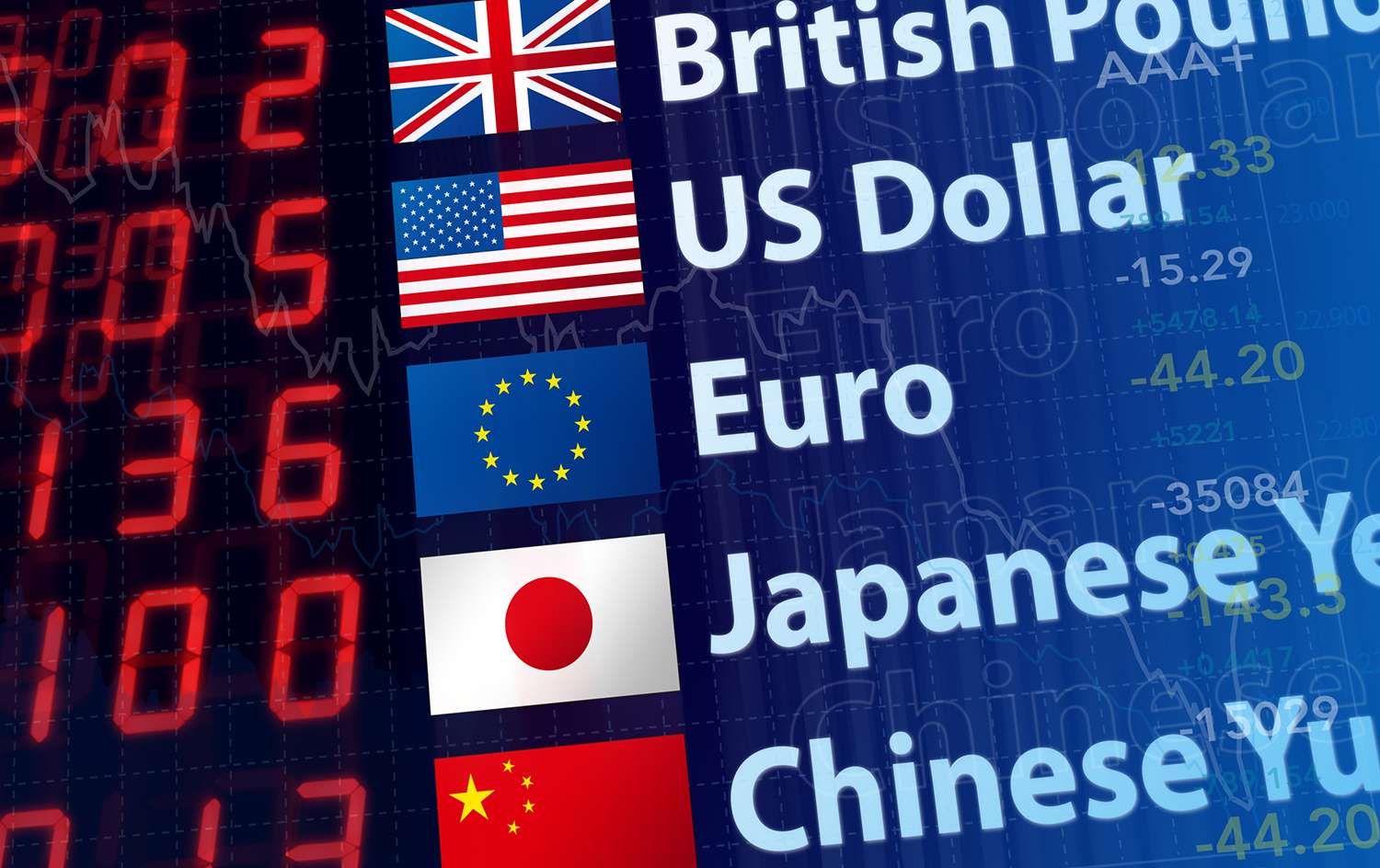
Nigeria’s revenue from exchange rate gains plummeted by 73% in the first half of 2025, falling to N589.45 billion from N2.199 trillion in the same period last year, underscoring a fundamental reset in the country’s fiscal operations as market-based reforms choke off the arbitrage-driven windfalls that previously boosted government finances.

The figures, obtained from the Federation Account Allocation Committee (FAAC), show a steep reversal in a revenue stream that just a year ago contributed nearly a third of all FAAC allocations. By the first half of 2025, that share had dwindled to just 6.06%, marking the end of an era where exchange rate mismatches served as a backdoor revenue generator for the government.

The decline follows the federal government’s move to adjust the official budget benchmark for the naira to N1,500/$, in line with prevailing market rates, effectively closing the gap that once allowed massive naira surpluses when dollar inflows were converted at more favorable market rates compared to a lower budget assumption.

In 2024, when the official benchmark was still pegged at N800/$ while the naira traded around N1,455/$, this disparity created hefty profits on paper. But as the government aligned its assumptions with market conditions beginning in January 2025, those fiscal surpluses evaporated.

January Spike, Then Silence

The last major FX revenue boost came in January 2025, when N402.71 billion was distributed, largely reflecting earnings from December 2024, before the new benchmark took effect. Since then, with the naira averaging N1,475/$ in January and reaching N1,500/$ in February, the exchange rate convergence meant zero gains were recorded in February and March.

A comparison of June figures from both years reveals how dramatic the shift has been. In June 2024, exchange rate gains made up N507.46 billion—roughly 44% of the N1.143 trillion shared that month. One year later, that contribution dropped to just N76.61 billion, accounting for a mere 4.6% of the N1.659 trillion FAAC allocation.

Despite the collapse in this revenue line, total FAAC allocations rose to N9.723 trillion in H1 2025, up 35.6% from N7.171 trillion in the same period of 2024. The figures suggest that while arbitrage revenues have dried up, the overall revenue base has expanded, hinting at stronger inflows from oil, taxes, and other non-FX sources.

Federal Government Still Claims the Lion’s Share

Even as the gains shrank, the Federal Government maintained its dominant grip on FX-derived allocations. Of the N589.45 billion distributed from exchange rate gains between January and June 2025, the Federal Government took N280.93 billion. State governments received N140.26 billion, Local Governments N113.14 billion, and oil-producing states got N64.52 billion under the 13% derivation principle.

That distribution model remains largely unchanged from 2024, but with all categories suffering steep declines. The Federal Government’s FX windfall fell by 68.4% from N889.93 billion in H1 2024, while States and LGs saw 68.8% and 68.7% drops, respectively. Derivation revenue to oil-producing states dipped by 67.9%.

The figures once again highlight the heavily centralised nature of Nigeria’s fiscal system, where the Federal Government enjoys relative insulation from external shocks, while subnational entities face acute exposure to fluctuations in shared revenue.

Policy Reform Resets the Game

What Nigeria is witnessing is the natural consequence of a policy shift long advocated by market economists: a transparent, market-driven exchange rate system that minimizes distortions. The downside is the disappearance of “paper profits” created by exchange differentials, which had for years masked the country’s underlying revenue challenges.

Analysts note that with the budget benchmark now virtually mirroring the market rate, future gains from FX arbitrage are unlikely unless new volatility is introduced. While this deprives government coffers of one-time windfalls, it also forces a more sustainable fiscal structure, anchored in genuine revenue sources rather than exchange mismatches.

But it also means Nigeria must now lean more heavily on oil revenues, tax reform, and non-oil diversification to shore up finances, especially as global conditions remain uncertain. For states and LGs, already squeezed by inflation and rising wage demands, the pressure is intensifying.

Ultimately, the end of the arbitrage era signals a leaner but more disciplined fiscal architecture, though not without short-term pain, especially at the subnational level.