DD
MM
YYYY

PAGES

DD
MM
YYYY

spot_img

PAGES

Home Blog Page 9

Yen Steadies After Historic U.S.-Japan Intervention As Treasury Backing, Easing Iran Tensions Weigh On Dollar

0

The Japanese yen steadied on Wednesday after one of its most volatile trading periods in months, following unprecedented joint intervention by Japan and the United States, while the dollar hovered near six-week lows against major currencies as easing tensions over the Iran conflict and lower oil prices eroded demand for traditional safe-haven assets.

The yen traded at 157.72 per dollar after slipping 0.4% on Tuesday. The currency had strengthened sharply earlier this week after touching a 40-year low of around 164 per dollar only days earlier, underscoring the scale of recent market intervention. On Monday, the yen briefly strengthened to 155.2 per dollar following coordinated purchases by Tokyo and Washington, marking the first U.S.-backed yen-buying intervention since 1998.

The intervention was reinforced by comments from U.S. Treasury Secretary Scott Bessent, who pledged that Washington would do “whatever it takes” to support Japan’s efforts to stabilize its currency. His remarks echoed former European Central Bank President Mario Draghi’s landmark 2012 commitment to preserve the euro during the sovereign debt crisis, signaling strong U.S. backing for Japan’s foreign exchange stabilization efforts.

The coordinated intervention underlines mounting concern among policymakers over the yen’s prolonged weakness, which has fueled imported inflation by increasing the cost of energy and raw material imports for Japan, a country heavily dependent on overseas supplies. Authorities are also seeking to prevent excessive currency volatility from undermining business confidence and financial market stability.

However, analysts cautioned that intervention alone is unlikely to produce a lasting turnaround without broader macroeconomic support.

“The phrase ‘sticking plaster’ does feel relatively appropriate in many instances. The reality is, I think it is nothing more than a containment exercise, unless you get one of three criteria,” said Jeremy Stretch, head of G10 FX strategy at CIBC Capital Markets.

Stretch said a sustained recovery in the yen would require a more aggressive tightening cycle by the Bank of Japan, reduced expectations for further U.S. Federal Reserve interest-rate increases, and lower global oil prices that would ease pressure on Japan’s trade balance.

Bessent’s endorsement has also strengthened market expectations that the Bank of Japan could raise interest rates at its September 17-18 policy meeting. Investors increasingly view tighter monetary policy as a more durable solution for supporting the currency than direct intervention alone.

Research from BNY showed investors continue to hold net bullish positions on the yen, although those positions remain significantly smaller than earlier this year.

“U.S. support provides an opening for re-accumulation (of bullish positions), but we believe the market will agree with Bessent that any structural shift in holdings will depend on credible domestic policy changes,” said Geoff Yu, BNY’s senior EMEA macro strategist.

Beyond the yen, the U.S. dollar weakened broadly as geopolitical risk premiums faded. The dollar index, which measures the U.S. currency against six major peers, held near 99.85 after falling to a six-week low earlier in the week.

Investor appetite for the dollar as a defensive asset eased after President Donald Trump said his administration had held “very good discussions” with Iran, raising hopes of reduced tensions following months of conflict. Crude oil prices also retreated to around $80 per barrel, further diminishing demand for the greenback as a safe haven.

Lower oil prices also boosted expectations that the Federal Reserve may face less pressure to tighten monetary policy further. Market pricing for a September rate increase slipped to just below 60%, down from nearly 70% at the start of the week, adding to downward pressure on the dollar.

Kansas City Federal Reserve President Jeff Schmid nevertheless reiterated that further monetary tightening remains necessary to return inflation to the central bank’s 2% target.

The euro traded little changed at $1.1536, while sterling held steady at $1.346 as investors awaited fresh economic catalysts.

Attention now turns to Friday’s U.S. nonfarm payrolls report, which is expected to play a pivotal role in shaping expectations for the Federal Reserve’s next policy decision and could determine whether the dollar’s recent weakness extends further or begins to reverse.

The yen has come under sustained pressure this year due to the wide interest-rate gap between Japan and the United States, prompting investors to favor higher-yielding dollar assets. Although the Bank of Japan has gradually shifted away from ultra-loose monetary policy, its pace of tightening has lagged well behind the Federal Reserve’s, keeping downward pressure on the Japanese currency.

The latest intervention marks one of the strongest coordinated currency support efforts in decades and underscores growing cooperation between Tokyo and Washington as policymakers seek to contain excessive foreign exchange volatility while preserving financial stability. Market participants now see future gains for the yen as increasingly dependent on monetary policy adjustments and global energy prices rather than intervention alone.


S&P 500 Reaches New Record High as Markets Add $1.2 Trillion While Oil Prices Slide on Iran Deal Hopes

0

Wall Street delivered another historic session as the S&P 500 closed at a fresh all-time high, adding an estimated $1.2 trillion in market capitalization in a single trading day.

The rally reflected growing investor confidence in the U.S. economy, resilient corporate earnings, and renewed optimism that geopolitical tensions in the Middle East may begin to ease.

Crude oil futures fell to around $76 per barrel after comments from U.S. Treasury Secretary Scott Bessent suggested that a diplomatic agreement with Iran could be reached as soon as today.

The combination of surging equity markets and declining energy prices created a favorable backdrop for investors, reinforcing expectations that inflationary pressures could continue to moderate while economic growth remains intact.

Technology stocks once again played a leading role in driving the broader market higher, with artificial intelligence-related companies and other mega-cap firms attracting strong buying interest. Investors have increasingly viewed these companies as long-term beneficiaries of expanding AI investment and resilient consumer demand.

The record-setting performance of the S&P 500 also signals confidence that corporate America can continue delivering solid earnings despite ongoing global uncertainties.

Recent quarterly reports from several major companies have exceeded analyst expectations, helping fuel optimism that businesses remain well-positioned to navigate higher interest rates and evolving market conditions.

One of the biggest drivers behind the day’s positive sentiment came from developments in the energy market. Oil prices declined after Treasury Secretary Scott Bessent indicated that negotiations with Iran were progressing and that a deal could materialize in the near future.

Markets interpreted the comments as a sign that geopolitical risks surrounding global oil supplies may begin to diminish. Lower oil prices are generally welcomed by investors because they can ease inflationary pressures across the economy.

Energy costs influence transportation, manufacturing, logistics, and consumer prices, meaning sustained declines in crude prices often translate into lower costs for businesses and households alike.

This development also strengthens expectations that central banks, including the U.S. Federal Reserve, may have greater flexibility in future monetary policy decisions if inflation continues to cool.

The decline in oil prices provided support for sectors outside the energy industry. Airlines, transportation companies, manufacturers, and consumer-focused businesses often benefit from lower fuel costs, improving profitability and encouraging additional investment.

Investors shifted capital toward growth-oriented sectors that tend to perform well in environments characterized by stable inflation and improving economic outlooks. Financial markets have spent much of the year balancing strong economic data against persistent geopolitical uncertainty.

While conflicts in the Middle East have periodically pushed energy prices higher and unsettled investors, renewed hopes for diplomacy have helped restore confidence. If negotiations with Iran ultimately result in a meaningful agreement.

Markets may anticipate greater stability in global energy supplies, reducing one of the major risks facing the global economy. Analysts caution that markets remain sensitive to incoming economic data and geopolitical developments.

Inflation reports, labor market figures, and central bank communications will continue shaping investor expectations over the coming months. Any unexpected deterioration in global conditions could quickly alter market sentiment.

The S&P 500’s new record high, combined with a $1.2 trillion increase in market value and falling oil prices, highlights a market environment increasingly driven by optimism over economic resilience, corporate profitability, and the possibility of easing geopolitical tensions.

Should progress on an Iran agreement continue while inflation remains under control, global financial markets could enter the second half of the year with renewed momentum and stronger confidence in sustained economic growth.

NiDEC 2026: Unlocking Nigeria’s Future Through the Diaspora and the Capital Market

0

I am honored to be participating in the Nigeria Diaspora Economic Conference (NiDEC) 2026, taking place from 11–15 August 2026 in Toronto, Mississauga, and Brampton, Ontario, Canada. Under the theme “Invest Nigeria; Thrive Abroad,” the conference brings together members of the Nigerian diaspora, policymakers, investors, entrepreneurs, and business leaders to explore practical pathways for accelerating investment and economic development in Nigeria. I look forward to engaging with participants on how modern capital markets can become powerful engines for national transformation.

On Day One, I will deliver the keynote address, “Unlocking Diaspora Wealth Through Nigeria’s Capital Markets: Building a Globally Competitive Investment Gateway.”

On Day Two, I will participate in a plenary session on “Investing Home: How Nigeria’s Capital Market is Creating Wealth for the Diaspora.” These discussions will examine how Nigeria’s evolving capital market ecosystem, including the opportunities created under the Investment and Securities Act (ISA) 2025, can connect global Nigerian capital with innovative businesses, infrastructure projects, and long-term wealth creation opportunities.

Good People, the future of Nigeria’s economy will increasingly be shaped by investment, innovation, and collaboration between Nigerians at home and abroad. I invite members of the diaspora, institutional investors, entrepreneurs, professionals, and everyone passionate about Nigeria’s economic future to join us at NiDEC 2026. Together, we can build stronger capital markets, mobilize global Nigerian talent and capital, and create a more prosperous future for our nation. I look forward to seeing you in Canada.

Prof Ndubuisi Ekekwe

Founder, Contisx Securities Exchange Plc

Breaking Down the Main Causes of Truck Accident Cases in Arizona

0

Arizona highways carry thousands of commercial trucks every day, keeping stores stocked and businesses moving. Along with that heavy traffic comes a greater chance of serious crashes that can change lives in seconds. Unlike regular car accidents, truck collisions often involve larger vehicles, more damage, and several parties who may share responsibility.

Knowing the causes of truck accident cases in Arizona helps people better understand why these crashes happen and why careful investigation matters after one occurs. Every accident has a story behind it, and the reason is often more complicated than it first appears.

Let’s look at the biggest factors.

Driver Fatigue

Driving a commercial truck for long hours is physically and mentally demanding. Even though federal rules limit driving hours, fatigue still becomes a problem in some situations. A tired driver may react more slowly, miss traffic signs, or struggle to stay focused on the road. A few seconds of lost attention can have serious results because trucks need much more distance to stop than smaller vehicles. Sleep loss can also affect decision-making, making simple driving tasks harder than they should be. This is one reason investigators often review driving logs after a serious truck crash.

Distracted Driving

Distractions are not limited to passenger vehicles. Truck drivers can also lose focus because of mobile phones, navigation systems, food, or other activities inside the cab. Looking away from the road for only a short time may be enough to miss sudden traffic changes.

Commercial trucks travel long distances, and even a brief distraction can cover a large stretch of road before the driver looks forward again. Safe driving depends on giving full attention to traffic, road signs, and changing conditions at all times.

Speeding and Reckless Driving

Large trucks cannot stop as quickly as smaller vehicles, especially when carrying heavy loads. Driving above the speed limit or too fast for road conditions increases the chance of losing control. Some drivers also make unsafe lane changes, follow other vehicles too closely, or take sharp turns at higher speeds.

These actions increase the risk of collisions and often make the damage much worse. Delivery schedules may create pressure, but reaching a destination quickly should never come before road safety.

Poor Truck Maintenance

Commercial trucks must be inspected and maintained on a regular schedule to remain safe. Worn brakes, damaged tires, faulty lights, or steering problems can all increase the chance of a crash. Mechanical failures sometimes happen without warning, but many can be prevented through proper maintenance.

Trucking companies and maintenance providers both play important roles in keeping vehicles in safe working condition. Records of repairs and inspections often become important during accident investigations because they may reveal whether required maintenance was completed correctly.

Improperly Loaded or Overloaded Cargo

The way cargo is loaded affects how a truck moves on the road. If cargo is not secured correctly, it can shift during travel and make the vehicle harder to control. Overloaded trucks may also place extra pressure on brakes and tires, reducing their ability to perform safely. In some cases, cargo can even fall onto the roadway and create hazards for nearby drivers. Safe loading practices help reduce these risks and support better vehicle balance throughout the trip.

Inexperienced Drivers and Road Conditions

Operating a commercial truck requires skill, training, and experience. New or poorly trained drivers may struggle with turning, braking, or responding to sudden traffic changes. Challenging road conditions across Arizona can make these situations even harder to manage. Heavy rain, strong winds, dust storms, and construction zones require drivers to slow down and adjust carefully.

Poor weather does not automatically cause an accident, but failing to respond safely often becomes part of the problem. Looking closely at the causes of truck accident cases often shows that several factors worked together instead of only one mistake.

Why Identifying the Cause Matters?

Finding the exact cause of a truck accident is an important step because it helps explain how the crash happened. Investigators may review police reports, driver records, maintenance documents, electronic logging data, and witness statements before reaching conclusions. Commercial truck accidents can involve the driver, the trucking company, maintenance providers, or cargo loading teams, depending on the facts of the case.

Understanding the reason behind a crash also helps insurance companies and legal professionals evaluate responsibility using available evidence. Every accident is different, so careful investigation is needed before decisions are made. Looking at reliable records instead of assumptions creates a clearer picture of what happened and why the collision occurred.

Takeaway

Truck accidents rarely happen because of a single mistake. Driver fatigue, distractions, speeding, poor maintenance, unsafe cargo loading, limited experience, and difficult road conditions can all increase the risk of a serious collision.

Looking at these factors carefully allows investigators to understand how the crash developed and who may have played a role. Learning about the causes of truck accident cases in Arizona also reminds drivers, trucking companies, and everyone involved in road safety that careful driving and proper vehicle maintenance remain some of the best ways to reduce preventable accidents.

SK hynix Delivers Record Results, but the Market Wants Even More

0

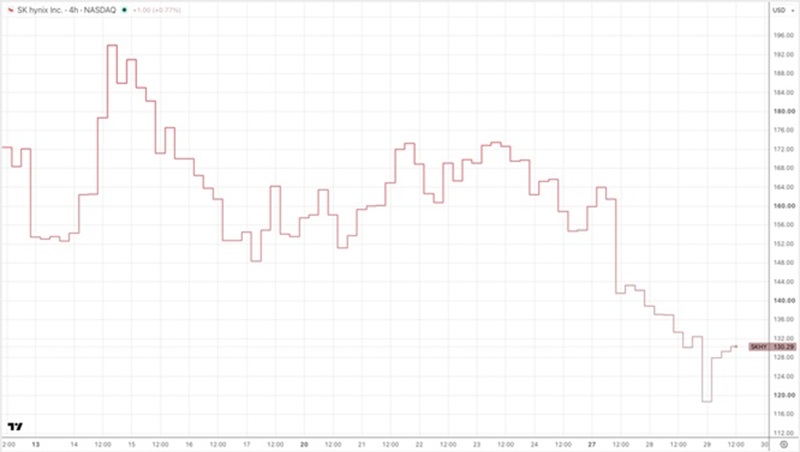
The AI boom has turned memory manufacturers into some of the biggest beneficiaries of the semiconductor industry, with SK hynix emerging as perhaps its largest winner and its shares becoming one of the top stock gainers. However, the company’s latest quarterly report highlighted a key important feature of today’s stock market: even record-breaking financial results may not be enough if they fail to surpass investors’ already lofty expectations.

In the second quarter, SK hynix reported revenue of $54.55 billion, up 257% year over year, while operating profit increased by an impressive 557%, reaching a record $41.6 billion. For the first half of the year, the company’s operating profit exceeded the equivalent of $69 billion for the first time in its history.

Nevertheless, both figures were below analysts’ consensus estimates, disappointing the market and weighing on global semiconductor stocks. Qualcomm shares fell by about 3%, while Nvidia stock declined by a similar percentage, and AMD lost around 6%. Micron Technology also experienced a decline before rebounding sharply.

This reaction perfectly illustrates the current situation in the AI sector. Memory manufacturers’ stocks have grown significantly over the past two years, driven by the rapid adoption of Nvidia accelerators and explosive demand for HBM memory. As a result, investors began pricing in an almost ideal growth scenario, in which companies should not only deliver record results, but also constantly outperform increasingly ambitious analyst forecasts.

At the same time, SK hynix’s fundamental position remains exceptionally strong. The company has already started mass deliveries of HBM4 memory, plans to increase production volumes in the second half of the year, and has also begun shipping the first samples of the next generation HBM4E. Meanwhile, the company continues upgrading its NAND production lines. By the end of the year, 321-layer memory is expected to account for about half of the company’s total output.

Long-term contracts provide additional stability to the business. SK hynix has already signed around ten multi-year agreements to supply memory to its largest customers and continues negotiations with new ones. Such contracts help memory manufacturers reduce their dependence on the traditional cyclical nature of the industry, which has remained one of the main challenges of the DRAM market for decades.

The company’s balance sheet remains equally strong. By the end of the quarter, cash holdings exceeded $60 billion, while capital expenditures this year will reach $27.5 billion. These investments are aimed at building new facilities and further expanding production capacity, as management expects to maintain leadership in the most profitable segments of the memory market.

At the same time, the company is actively preparing for the next technological cycle. In the second half of the year, SK hynix plans to begin mass production of LPDDR6 memory for smartphones, laptops, and AI-enabled devices. The new memory generation will deliver roughly one-third higher bandwidth than LPDDR5X, while improving energy efficiency by more than 20% thanks to enhanced power management. As AI increasingly moves onto consumer devices, demand for such solutions could become another growth driver.

The market situation shows that memory prices remain high even despite China’s attempts to increase competition. Chinese manufacturer CXMT continues to expand DRAM production with government backing, yet memory modules based on its chips are priced similarly to, and in some cases even above, comparable products from Samsung and SK hynix. This suggests that pricing is driven less by production costs than by the persistent shortage of advanced memory chips and the industry’s limited production capacity.

As a result, the memory market remains one of the most attractive segments of the semiconductor industry, while simultaneously becoming increasingly demanding of its leaders. SK hynix continues to deliver record growth, actively invest in new technologies, and expand production, yet even that is no longer enough to satisfy investors. In today’s AI-driven market, companies are competing not only against rivals, but also against the market’s own high expectations.