

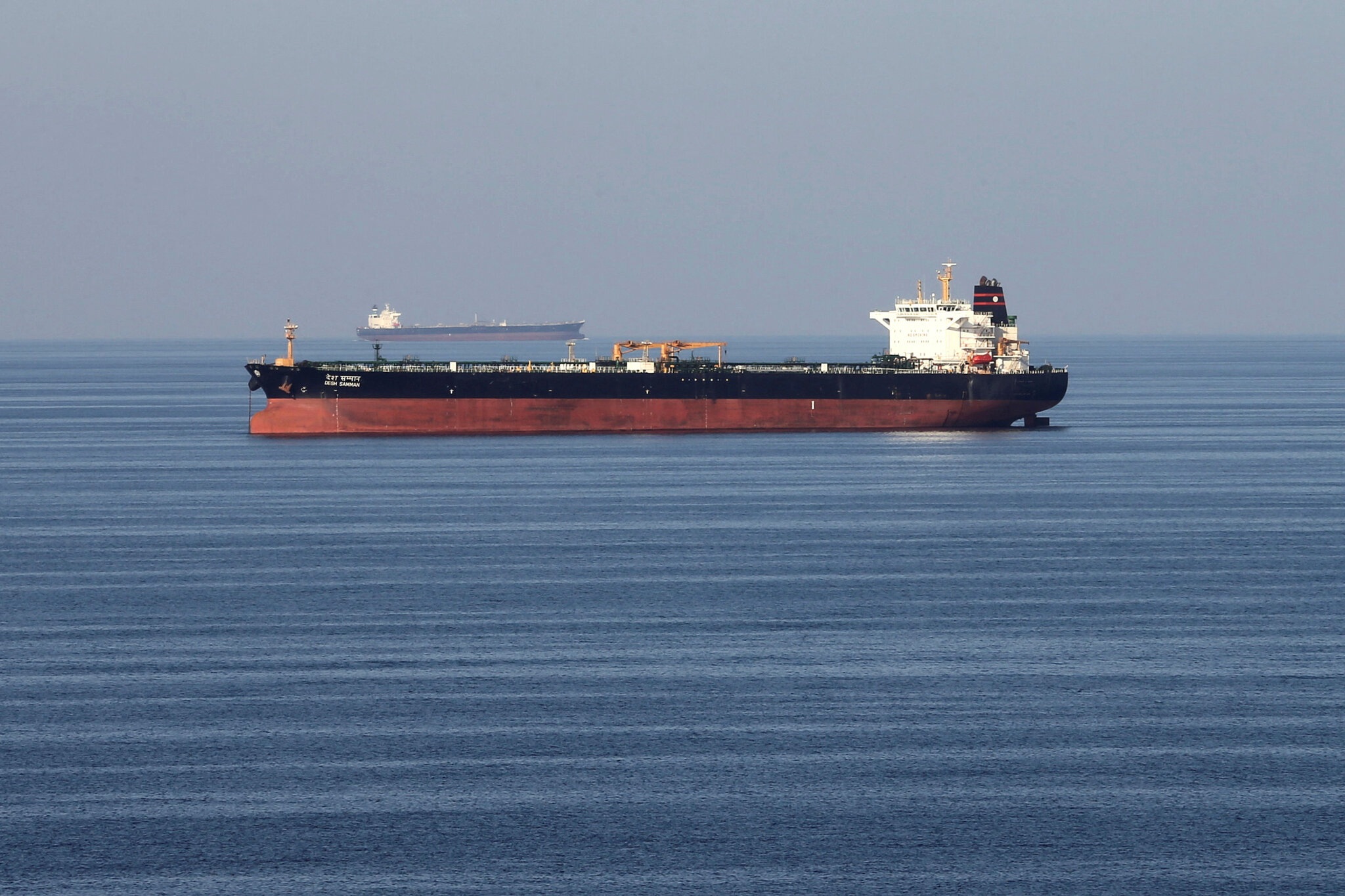
The global oil market is facing a new period of uncertainty as crude exports from the Persian Gulf have climbed above 14 million barrels per day for the first time since the Iran War began. On the surface, the increase suggests that major producers are successfully maintaining supplies despite the conflict.
However, warnings from Saudi Aramco that global oil reserves are running dangerously low point to a much more fragile situation beneath the headline export figures.
The Persian Gulf remains one of the most important centers of the global energy system. Countries in the region account for a substantial share of worldwide crude production and exports.
Register for the next Tekedia Mini-MBA.
Register for Tekedia AI in Business Masterclass.
Join Tekedia Capital Syndicate and co-invest in great global startups.
Making the security of shipping routes and production facilities critical to energy markets everywhere. The return of exports above 14 million barrels per day therefore provides some reassurance to consumers and businesses that supplies are still reaching international markets.
Yet higher exports do not necessarily mean that the global oil market is safe. Saudi Aramco’s warning highlights the limited amount of spare capacity available to absorb another major disruption.
When inventories and emergency supplies become increasingly tight, even a relatively small interruption can have an outsized effect on prices.

The situation is particularly concerning because restoring lost production capacity is not an immediate process. According to the warning, rebuilding global supplies could take as long as two years.
Oil production depends on enormous networks of wells, pipelines, processing facilities, storage systems, ports and refineries. Damage to critical infrastructure cannot always be repaired quickly, especially when equipment must be manufactured, transported and installed under difficult conditions.
The prospect of a prolonged supply shortage could have consequences far beyond the energy industry. Higher crude prices would increase transportation costs because airlines, shipping companies, trucking firms and other businesses rely heavily on petroleum products.

Those higher costs can eventually filter through to the prices consumers pay for food, manufactured goods and everyday services. For governments, the challenge would be even broader. Central banks attempting to control inflation could face renewed pressure if energy prices rise sharply.
Higher fuel costs can push inflation upward even while economic growth weakens, creating a difficult environment for policymakers. Interest rates may therefore remain higher for longer, increasing borrowing costs for households and businesses.
Oil-importing countries would be particularly vulnerable. Nations that depend heavily on overseas energy supplies could face larger import bills, pressure on their currencies and widening trade deficits.
Developing economies could experience the greatest strain because expensive fuel can quickly increase transportation and electricity costs. Oil-producing countries stand to benefit from higher prices, at least initially. Increased revenues could strengthen government budgets and improve the financial position of energy companies.
However, producers also face a difficult balancing act: maximizing exports today while protecting the long-term reliability of their reserves and infrastructure. The current situation demonstrates why energy security is about more than simply counting barrels exported each day.
The world needs sufficient production, transportation capacity and emergency reserves to withstand unexpected shocks. If those buffers are disappearing, strong current exports may provide only temporary comfort.
The Persian Gulf’s return above 14 million barrels per day is therefore an important development, but it should not be mistaken for evidence that the global oil market has returned to normal.
Saudi Aramco’s warning suggests that the system remains vulnerable, and rebuilding supply could take years rather than months. For consumers, businesses and governments, the message is clear: the next major disruption could produce consequences that extend well beyond the oil market.