

President Donald Trump’s administration is considering payments to Greenland citizens for potential U.S. affiliation. The Trump administration is actively exploring ways to acquire Greenland, a self-governing Danish territory, with discussions intensifying recently.
Reports indicate officials have considered lump-sum payments to Greenland’s roughly 57,000 residents — ranging from $10,000 to $100,000 per person — as an incentive for them to support secession from Denmark and potentially join or align closely with the United States.
This approach aims to address strategic interests like national security, Arctic influence countering Russia and China, and access to minerals. The total cost could range from about $570 million to nearly $6 billion, depending on the final figure.
Register for Tekedia Mini-MBA edition 20 (June 8 – Sept 5, 2026).
Register for Tekedia AI in Business Masterclass.
Join Tekedia Capital Syndicate and co-invest in great global startups.
Register for Tekedia AI Lab.
White House officials have emphasized that “all options” remain on the table, including diplomacy as the primary path, though military force has not been ruled out entirely despite pushback from NATO allies like Denmark, which insists Greenland is not for sale.
Secretary of State Marco Rubio is scheduled to meet with Danish and Greenlandic representatives next week to discuss the matter. Greenland’s leadership has strongly rejected the idea, with polls showing overwhelming opposition to joining the U.S., and European allies including France, Germany, and others issuing statements affirming that only Greenland and Denmark can decide their future.
This revival of Trump’s long-standing interest dating back to 2019 has sparked significant diplomatic tension, with Denmark warning that any forceful action would undermine NATO. Ordering the U.S. government to purchase $200 billion in mortgage bondsOn January 8, 2026, President Trump announced via Truth Social that he is instructing his representatives likely referring to Fannie Mae and Freddie Mac, the government-sponsored enterprises under federal oversight to buy $200 billion in mortgage bonds.
The goal is to drive down mortgage rates, reduce monthly payments, and improve housing affordability — part of broader efforts to address cost-of-living concerns ahead of midterms. Trump highlighted that Fannie and Freddie hold significant cash reserves which he credits to not selling them during his first term and blamed prior economic issues on the previous administration.

Federal Housing Finance Agency Director Bill Pulte appeared to confirm the plan would proceed through these entities purchasing mortgage-backed securities from the public market. Analysts note this echoes past Federal Reserve quantitative easing but on a smaller scale — it could modestly lower rates perhaps by 10–25 basis points.
Though its impact may be limited compared to broader factors like Treasury yields. Some view it as a demand-side boost for housing, with risks if market conditions worsen.
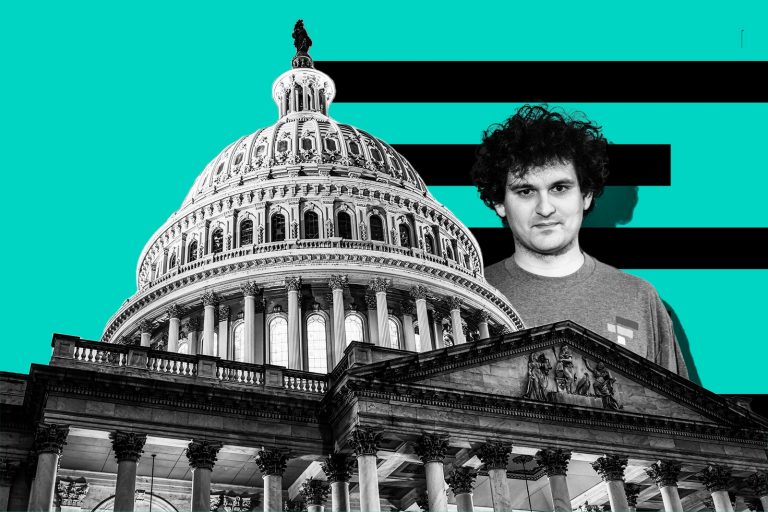
No interest in pardoning Sam Bankman-Fried
President Trump has explicitly ruled out pardoning Sam Bankman-Fried, the FTX founder serving a 25-year sentence for fraud and conspiracy related to the 2022 collapse of the crypto exchange where billions in customer funds were misappropriated.

This stance contrasts with Trump’s recent pardons of other crypto figures like Binance’s Changpeng Zhao and ends speculation about clemency for Bankman-Fried, despite his supporters’ reported lobbying efforts and his ongoing appeal.
These headlines reflect a mix of bold foreign policy moves, domestic economic interventions, and clear boundaries on executive clemency. The Greenland discussions in particular are drawing international attention and criticism.