

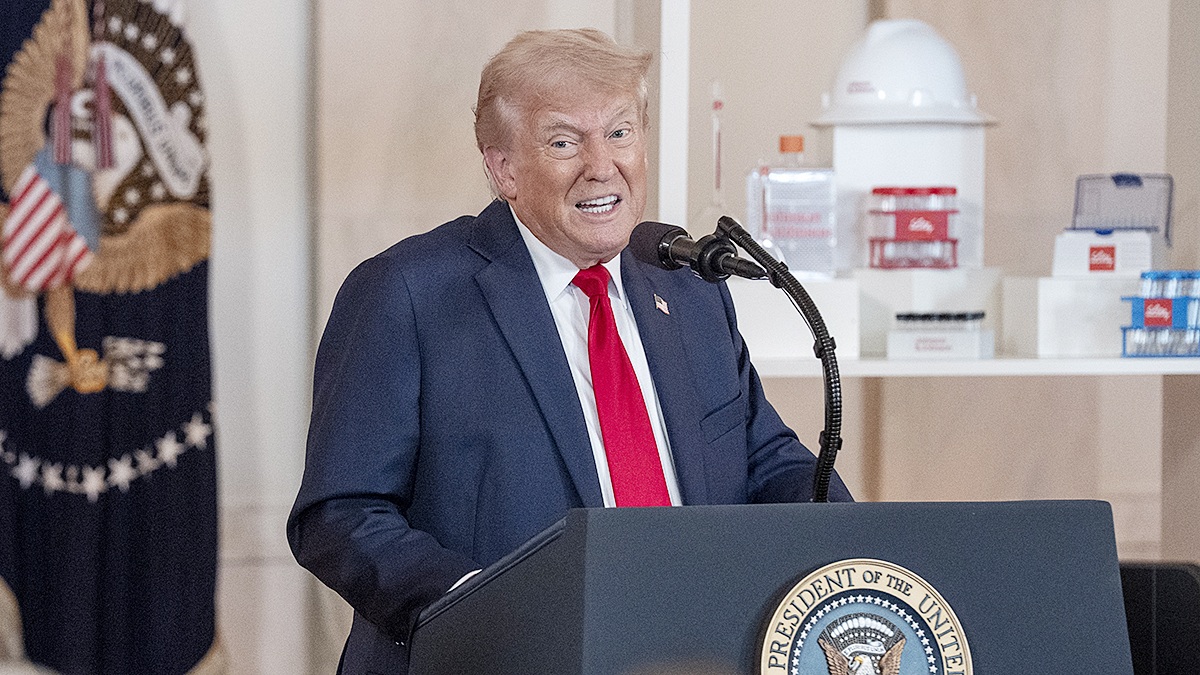
President Donald Trump signed a Presidential Memorandum directing U.S. executive departments and agencies to cease participation in and funding for 66 international organizations deemed no longer to serve American interests. This breaks down as: 35 non-UN organizations, 31 UN-affiliated entities.
The action follows a review of U.S. involvement in intergovernmental organizations and aims to end taxpayer funding for entities seen as advancing “globalist agendas” over U.S. priorities.
Reports from sources like Reuters, others confirm the signing, though the White House briefly posted and then removed details, and no full list of the specific organizations was publicly released at the time. This aligns with Trump’s “America First” policy, building on prior withdrawals from WHO, Paris Agreement, and certain UN bodies during his second term.
The U.S. withdrawal from 66 international organizations— 31 UN-affiliated and 35 non-UN marks a significant escalation of America First isolationism, with profound short- and long-term effects on global diplomacy.
Register for Tekedia Mini-MBA edition 20 (June 8 – Sept 5, 2026).
Register for Tekedia AI in Business Masterclass.
Join Tekedia Capital Syndicate and co-invest in great global startups.
Register for Tekedia AI Lab.
The move signals a broad retreat from multilateralism, building on prior withdrawals. It diminishes U.S. influence in global standard-setting on issues like climate, labor, population, and human rights, which the administration labels as promoting “woke” or “globalist” agendas.
Experts and reports from AP, and Washington Post describe it as a further erosion of post-WWII institutions the U.S. helped build, weakening collective responses to transnational challenges.
For instance, exiting the UNFCCC underlying the Paris Agreement hampers international climate negotiations and gives other nations an “excuse” to delay emissions reductions, per climate scientists.

Strain on Alliances and Trust
Allies view this as rattling transatlantic and global partnerships, especially amid concurrent U.S. actions like threats regarding Greenland, military operations. European sources express alarm over declining U.S. reliability, prompting calls for greater EU autonomy in defense and diplomacy.
The decision reinforces perceptions of U.S. unpredictability, potentially pushing partners toward alternative frameworks like stronger EU-China ties on climate or trade. The administration aims to redirect resources to bodies where U.S.-China competition is direct seeking to counter Chinese influence.
However, critics argue the withdrawals create vacuums that China and Russia can fill, enhancing their soft power in global governance. In UN-related entities, reduced U.S. funding may force program cuts, indirectly benefiting authoritarian narratives against “Western-dominated” institutions.

Supporters frame it as ending wasteful spending on “mismanaged” or “redundant” entities that threaten U.S. sovereignty. No widespread public international support is evident in early reporting; instead, regret from UN agencies and concerns over weakened global cooperation dominate.
This aligns with a transactional, unilateral approach, prioritizing bilateral deals over multilateral commitments. It could accelerate fragmentation of the liberal international order, complicating diplomacy on issues requiring U.S. buy-in such as health pandemics, climate finance.
While the U.S. retains core engagements like UN Security Council veto, the scale—66 entities—represents the most sweeping disengagement in modern history, likely reshaping global diplomacy toward a more multipolar, less cooperative landscape. Effects will unfold over months and years as funding ceases and participation ends.
U.S. now fully outside UNFCCC/IPCC frameworks building on Paris Agreement exit effective Jan 27, limiting influence on trillions in global investments and clean energy standards—potentially ceding ground to China in renewable tech.
Immediate directives to cease contributions where lawful; reports of looming UN staffing cuts and NGO project closures, echoing prior aid slashes. Withdrawal from Senate-ratified treaties like UNFCCC may face challenges; experts anticipate lawsuits over unilateral executive action.
This sweeping move—described as the largest U.S. disengagement from multilateralism in history—accelerates a transactional, unilateral foreign policy. Heightened tensions with allies, reduced U.S. soft power.
Fragmented global cooperation on transnational issues, with effects compounding as withdrawals formalize in coming months. Developments remain fluid amid ongoing reviews of additional entities.