

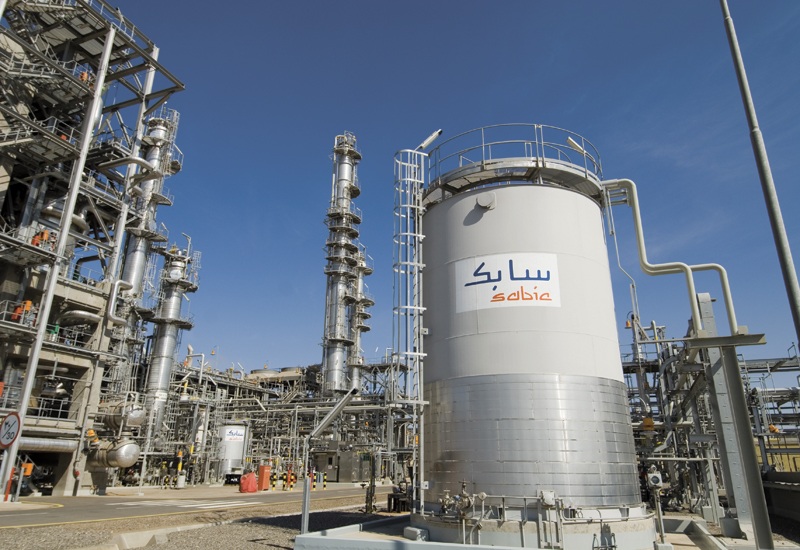
Saudi Arabia’s SABIC has agreed to sell its European petrochemical business and its Engineering Thermoplastics operations across Europe and the Americas for a combined enterprise value of $950 million, stepping up a restructuring effort as the global chemicals industry struggles with weak demand, compressed margins and persistent overcapacity.
The announcement triggered a sharp market reaction. SABIC shares slid as much as 4.8% to 48.2 riyals ($12.85) in early trading in Riyadh on Thursday, touching their lowest level in nearly 17 years. The stock has lost about 26.4% over the past 12 months, marking investor anxiety over the company’s earnings outlook and the depth of the downturn facing petrochemical producers worldwide.
Under the transactions, SABIC will divest its European petrochemical (EP) business to Munich-based investment firm AEQUITA for an enterprise value of $500 million. The unit includes manufacturing assets in the United Kingdom and Germany and is exposed to some of the most challenging operating conditions in the global chemicals market, including high energy costs, tighter environmental regulations, and subdued industrial demand.
Register for Tekedia Mini-MBA edition 20 (June 8 – Sept 5, 2026).
Register for Tekedia AI in Business Masterclass.
Join Tekedia Capital Syndicate and co-invest in great global startups.
Register for Tekedia AI Lab.
Separately, SABIC will sell its Engineering Thermoplastics (ETP) business in Europe and the Americas to German holding company Mutares for $450 million. That business operates production sites in Canada, the United States, Brazil, and Spain, supplying specialty plastics used in sectors such as automotive, electronics, and industrial applications. While engineering plastics typically offer higher margins than basic chemicals, the segment has also faced demand softness and pricing pressure as global manufacturing activity slowed.
The divestments form part of a wider restructuring as the chemicals industry contends with one of its most prolonged slowdowns in years. Demand from key end markets such as construction, automotive, and consumer goods has remained weak, particularly in Europe and China, while years of aggressive capacity expansion — especially in Asia and the Middle East — have left the market oversupplied. This has squeezed margins and forced producers to reassess asset portfolios and capital allocation.
SABIC said it is divesting lower-return operations to focus more tightly on its core chemical businesses, where it believes it can generate more resilient margins and stronger cash flows over the cycle.

“These transactions represent a continuation of our portfolio optimization program, which started in 2022 and included previous actions, such as the divestment of Functional Forms, Hadeed and Alba,” chief executive Abdulrahman Al-Fageeh said.
The moves also reflect broader pressures from SABIC’s majority shareholder. The company is 70% owned by Saudi oil giant Aramco, which has been pursuing cost discipline and selective asset sales as it balances capital expenditure plans with lower oil prices and large shareholder distributions. Analysts say Aramco’s emphasis on returns and cash generation has sharpened the focus on SABIC’s underperforming assets, particularly those exposed to Europe’s structurally higher costs.
SABIC said the latest disposals are expected to improve overall core profit margins and enhance free cash flow generation over time, even though they reduce the company’s international footprint. The group added that it is committed to ensuring a seamless separation of the businesses and minimizing disruption to customers, employees, and ongoing operations — a key concern given the complexity of carving out integrated manufacturing assets.

The transactions also fit into a broader strategic review underway at SABIC. Last year, the company said it was exploring strategic options for its National Industrial Gases Company, including a potential initial public offering, signaling that further portfolio changes remain possible as management reshapes the group for a more challenging operating environment.
From the buyers’ perspective, the deals highlight continued interest from European investment firms in acquiring industrial assets at depressed valuations during the downturn. Firms such as AEQUITA and Mutares often specialize in carve-outs and turnarounds, betting that operational improvements, restructuring, or an eventual recovery in demand can unlock value over the medium term.
Advisory roles were split across the transactions. Goldman Sachs advised SABIC on the sale of the European petrochemical business, while J.P. Morgan advised on the Engineering Thermoplastics deal. Lazard acted as an independent financial adviser on both transactions.
Despite the strategic rationale, the sharp fall in SABIC’s share price suggests investors remain cautious. Markets appear concerned that asset sales alone may not be enough to offset weak global demand, rising competition, and structural challenges in petrochemicals.
With earnings under pressure and the industry recovery still uncertain, SABIC’s ability to stabilize profits and restore investor confidence will likely depend on both disciplined execution of its restructuring plan and a broader upturn in the global chemicals cycle.