

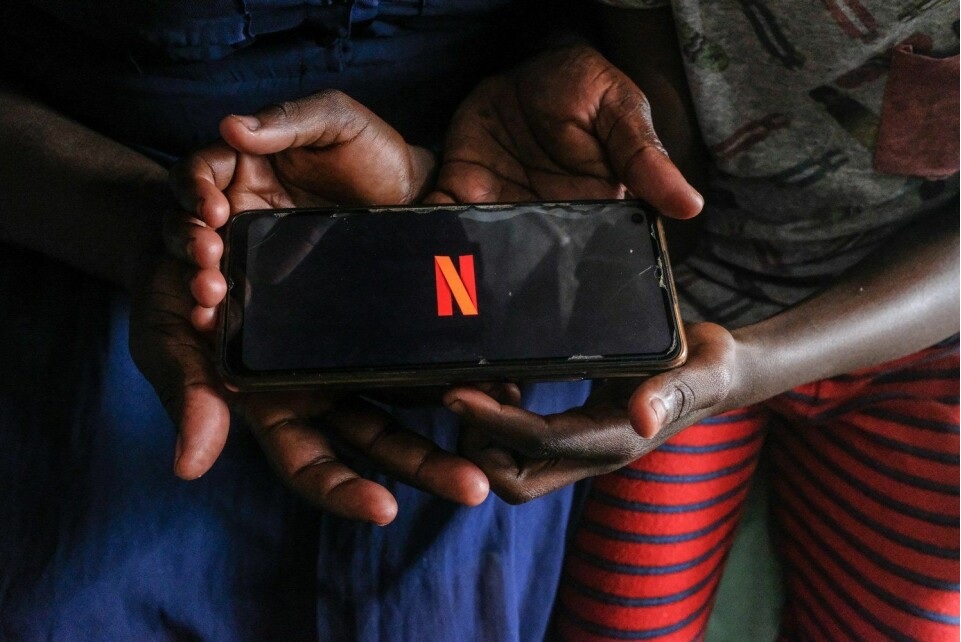
For years, the African continent has found itself caught in a high-stakes cultural paradox. Its rhythms dominate global streaming charts, its football stars anchor Europe’s elite clubs, and its cinematic stories captivate international audiences. Yet, beneath this global explosion of soft power lies a quiet infrastructure crisis. When we zoom out and connect the pieces of this media landscape from the demise of traditional music blogs to the volatile geopolitics of football broadcasting, a single, urgent reality emerges – Africa is “screaming for streaming,” but the digital rails it relies on are almost entirely owned by someone else.
The story begins with a celebrated economic triumph. Sub-Saharan Africa famously bypassed legacy copper landlines, ‘leapfrogging’ directly into a mobile-first digital era. However, this foundational infrastructure was heavily financed by foreign telecommunications giants and external capital. The continent built world-class connectivity networks but bypassed the construction of domestic data storage, local cloud hosting, and indigenous distribution engines.
Consequently, when the creative industry experienced its massive renaissance, it found itself running on foreign tracks. The network data belonged to local telcos, the media delivery belonged to global tech monopolies, and the actual creative engines – musicians, filmmakers, and athletes – were left squeezed in the middle.
Entertainment: Sacrificing Content on the Altar of Streaming
In the early 2010s, Africa’s music ecosystem thrived on a highly decentralized, homegrown architecture, the “music blog era.” Native platforms like Notjustok and Tooxclusive acted as digital gatekeepers, cultivating local subgenres, distributing Mp3 files, and keeping cultural equity within regional borders. But as global tech shifted toward centralized, algorithm-driven consumption, the blog era collapsed. African music migrated en masse to international streaming giants like Spotify and Apple Music.
While this granted artists unprecedented global scale, it introduced a brutal economic dilution. Indigenous platforms like Mdundo, Spinlet, and uduX emerged to offer localized, tailored solutions, but they lacked the massive capital reserves required to fight algorithmic monopolies. The cultural assets were successfully digitized, but the financial returns were heavily exported, forcing local artists into distribution pipelines where their monetization was dictated by Western metrics.
Sports Broadcasting: Changing the Narrative Without a Story
This exact structural bottleneck operates with even more devastating consequences in the sports sector. The continent possesses an unyielding passion for sports accounting for around 20% of the English Premier League’s global television audience, yet it yields less than 5% of global media rights value and under 1% of global streaming subscriptions. The immense economic value generated by African eyes is captured and monetized externally.
When African sporting bodies, such as the Confederation of African Football (CAF), attempt to claim self-determination by severing ties with foreign media syndicates over rights disputes, they walk straight into a digital void. Because the continent lacks a robust, indigenous over-the-top (OTT) digital streaming infrastructure capable of broadcasting premium live sports at scale, these disputes result in immediate media blackouts.
The industry is left trapped in a rigid duopoly – dependent on international buyers, or surrendered to the sole regional pay-TV monopoly, MultiChoice (SuperSport). The recent consolidation of the market, marked by the French media empire Canal+ executing a multi-billion-dollar acquisition of MultiChoice, underscores this vulnerability. Even Africa’s largest domestic distribution engine has been absorbed under foreign corporate control, moving the narrative sovereignty of African sports further away from the continent.
The Way Forward: Reclaiming Digital Agency
The structural challenges facing African sports and entertainment are not issues of talent, passion, or content quality – they are issues of institutional and digital agency. To stop “changing the narrative without a story,” the African creative and sports ecosystem must aggressively pivot toward digital self-ownership.
This requires moving away from the endless chase for multi-billion-dollar foreign television contracts and focusing heavily on building cloud-based, localized streaming hubs. By aggregating local tournaments, independent cinema, and regional audio into unified, native digital networks, the rights, user data, and advertising revenues can finally remain where they belong – inside the continent’s economic borders.
Until Africa owns the digital rails upon which its culture travels, it will continue to stream its value away to the rest of the world.