

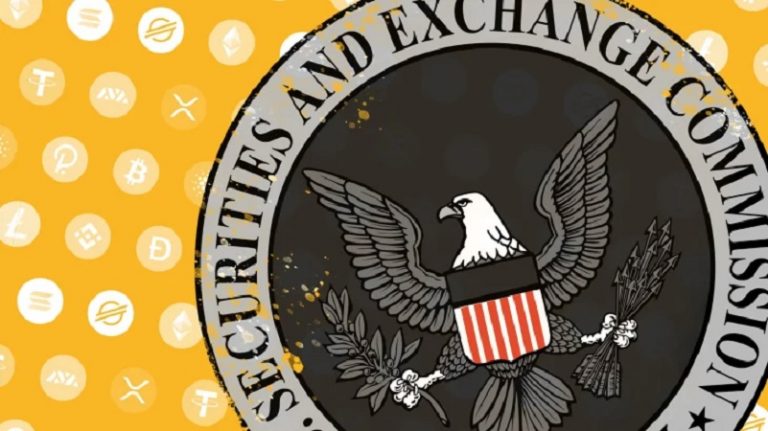
The U.S. Securities and Exchange Commission (SEC) and the Financial Industry Regulatory Authority (FINRA) have contacted over 200 Digital Asset Treasuries (DATs)—likely referring to tokenized or blockchain-based treasury vehicles or funds in the crypto space—regarding potential insider trading.
The regulators are scrutinizing pre-announcement trading activities that may have exploited material nonpublic information (MNPI) about treasury-related announcements. According to a Wall Street Journal (WSJ) report, this outreach signals an initial step, with a more formal and deeper investigation possibly forthcoming if irregularities are confirmed.
The focus is on suspicious trading patterns in treasury vehicles (e.g., tokenized U.S. Treasuries or similar assets) ahead of public announcements. DATs, which have surged in popularity amid the integration of traditional finance (TradFi) and decentralized finance (DeFi), are under review for breaches of insider trading rules under Section 10(b) of the Securities Exchange Act and Rule 10b-5.
SEC leads on securities law enforcement, using advanced surveillance tools to detect anomalous trades, whistleblower tips, and subpoena evidence. FINRA assists in broker-dealer oversight, potentially examining how firms handled client trades in these assets.
Register for Tekedia Mini-MBA edition 20 (June 8 – Sept 5, 2026).
Register for Tekedia AI in Business Masterclass.
Join Tekedia Capital Syndicate and co-invest in great global startups.
Register for Tekedia AI Lab.
The contacts were made recently, aligning with a broader 2024-2025 uptick in SEC enforcement on crypto-related misconduct, including “shadow trading”. This development comes amid a “DATs frenzy” in crypto markets, where tokenized treasuries have driven liquidity and speculation.
However, it echoes the SEC’s aggressive 2024 actions, such as the high-profile SEC v. Panuwat case, where a jury upheld liability for shadow trading using acquisition news to profit from a peer company’s stock. In fiscal year 2024 alone, the SEC settled or litigated dozens of insider trading cases, recovering millions in disgorgement and penalties.
What This Means for the Crypto Ecosystem
The probe underscores the SEC’s expanding oversight of digital assets treated as securities, potentially cooling speculative fervor around DATs while reinforcing market integrity.

Traders and firms are advised to review internal policies immediately—e.g., avoiding trades during sensitive periods and documenting all decisions. If you’re involved in DAT trading, consulting securities counsel is prudent, as investigations can lead to civil penalties, disgorgement, or criminal charges.
The probe signals that tokenized assets, like DATs, are firmly on the SEC’s radar as securities, subjecting them to the same insider trading rules under Section 10(b) and Rule 10b-5 as traditional equities or bonds.
This could set legal boundaries for how material nonpublic information (MNPI) is handled in blockchain-based financial products, potentially reshaping compliance in decentralized finance (DeFi).

The investigation may expand to other crypto assets or platforms, especially those bridging traditional finance (TradFi) and DeFi, increasing pressure on exchanges and custodians.
News of the probe could dampen enthusiasm for DATs, leading to price swings in tokenized treasuries or related crypto assets as traders react to uncertainty. Fear of regulatory action may deter institutional and retail participation, slowing the growth of DAT markets.
High-profile enforcement could undermine confidence in tokenized assets, especially if major players are implicated, though it may also bolster long-term market integrity. DAT issuers, trading platforms, and broker-dealers may need to implement or strengthen insider trading safeguards, such as blackout periods, Rule 10b5-1 trading plans, or enhanced surveillance.
Firms may face higher legal and compliance costs to navigate investigations, audits, or new regulatory requirements, potentially passed on to investors. The SEC’s whistleblower program offering 10-30% of sanctions could encourage insiders to report misconduct, increasing internal scrutiny.
If the probe escalates, it could test insider trading laws in the context of tokenized assets, potentially extending concepts like “shadow trading” seen in SEC v. Panuwat to crypto markets. Firms or individuals found liable could face civil fines, disgorgement of profits, trading bans, or criminal referrals, setting a deterrent for future violations.
Traders and Investors must exercise caution, avoid trading on rumors, and document decision-making to mitigate risks of being swept into investigations. DAT Issuers and Platforms should proactively audit trading activity, enhance transparency, and consult securities counsel to prepare for potential subpoenas or enforcement actions.
While short-term growth in DATs may slow, clearer regulations could foster long-term stability, attracting institutional capital to compliant platforms. Aggressive enforcement could weed out bad actors, aligning DATs with traditional financial standards and boosting mainstream adoption.
FINRA’s involvement suggests regulators are pooling resources, potentially leading to more sophisticated monitoring of crypto markets. This probe could be a pivotal moment for DATs, either curbing their growth or paving the way for a more regulated, mature market.