

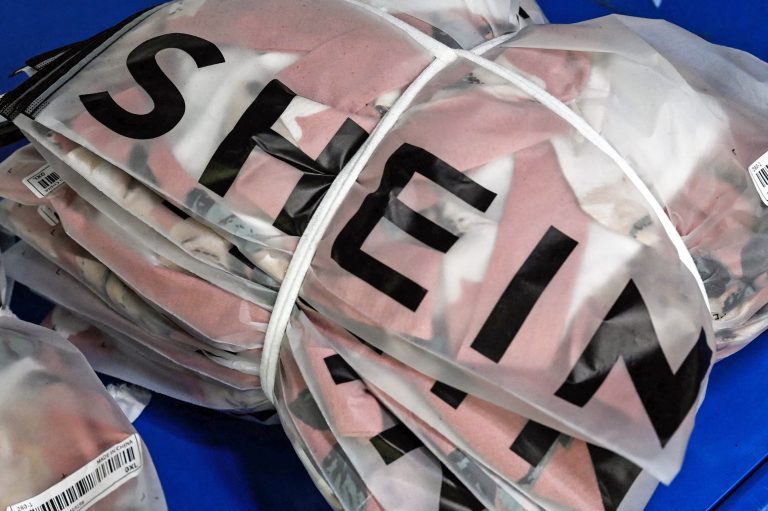
Shein is acquiring U.S.-based apparel retailer Everlane from majority owner L Catterton in a deal reportedly valuing the struggling fashion brand at about $100 million.
The transaction highlights how Chinese-founded online retailers continue expanding globally even after Washington moved to curb one of their biggest competitive advantages.
According to Puck News, the acquisition would leave holders of Everlane’s common stock without payouts, reflecting the severe financial deterioration of a company once viewed as one of America’s strongest digitally native fashion brands. The report did not specify whether preferred shareholders would receive cash or equity compensation from Shein.
Register for the next Tekedia Mini-MBA.
Register for Tekedia AI in Business Masterclass.
Join Tekedia Capital Syndicate and co-invest in great global startups.
The deal represents more than a distressed retail acquisition. It underscores how rapidly the balance of power in global apparel retail has shifted toward data-driven, ultra-low-cost e-commerce giants capable of adapting quickly to regulatory and trade disruptions.
Some analysts also see it as a signal that efforts by the Trump administration to weaken the dominance of Chinese online retail platforms through trade restrictions may not be producing the expected results.
Trade crackdown failed to slow expansion
Last year, the Trump administration suspended duty-free de minimis treatment for many low-value imports shipped from China, a policy change widely expected to hit companies such as Shein and Temu.

The de minimis rule had previously allowed goods valued below a certain threshold, historically $800 in the United States, to enter the country without paying import duties or facing extensive customs procedures.
Chinese online retailers heavily relied on that system to ship millions of small parcels directly to American consumers at extremely low prices, bypassing many of the costs faced by traditional retailers importing goods in bulk. But U.S. lawmakers and retail groups argued the loophole gave Chinese platforms an unfair pricing advantage while contributing to the flood of ultra-cheap goods into the American market.
The Trump administration’s suspension of the exemption for many Chinese shipments was therefore expected to significantly weaken the economics underpinning the rapid rise of Shein and Temu, which suspended shipment from China at the time. However, the latest Everlane acquisition suggests the major Chinese retail platforms have adapted faster than many expected.

Analysts say companies like Shein responded by restructuring logistics networks, diversifying sourcing operations, building local warehousing capabilities, and leveraging their enormous scale to absorb part of the increased costs.
Even with tighter trade restrictions and rising political scrutiny, Shein has continued expanding internationally while strengthening its position in the U.S. market. The Everlane deal now indicates the company is moving beyond low-cost fashion dominance into broader brand acquisition and retail consolidation.
A clash of opposing retail models
The acquisition is particularly striking because Everlane and Shein historically embodied opposing philosophies within the fashion industry.
Everlane built its reputation around “radical transparency,” ethical sourcing, minimalist aesthetics, and sustainability-focused branding aimed at relatively affluent consumers willing to pay higher prices for perceived quality and responsible production. Shein, meanwhile, became one of the world’s most disruptive retailers through algorithm-driven merchandising, ultra-fast manufacturing cycles, and extremely aggressive pricing.
The company built a supply chain capable of producing and testing thousands of new designs daily, using real-time consumer data to rapidly scale products showing strong online demand. That model transformed global fashion retail and placed enormous pressure on traditional brands struggling with slower inventory cycles and higher operating costs.
Industry analysts say the acquisition highlights the increasingly difficult environment facing mid-tier direct-to-consumer brands caught between luxury labels at the top end and ultra-low-cost digital platforms at the bottom.
Founded in 2010, Everlane rose during the peak years of venture-backed e-commerce disruption, when digitally native brands promised to replace traditional retailers through direct online sales and social media-driven customer acquisition.
But many of those companies later struggled as online advertising costs surged, competition intensified, and consumer spending weakened under inflation and economic uncertainty.
Puck previously reported that L Catterton and Everlane Chief Executive Alfred Chang had been searching for investors to address roughly $90 million in debt. The private equity firm was reportedly prepared to inject additional capital if a co-investor emerged, but was also willing to pursue a sale.
The reported $100 million valuation marks a steep fall for a company that once attracted strong investor enthusiasm and became a symbol of modern ethical consumerism.
For Shein, however, Everlane may offer strategic value beyond immediate financial performance. The acquisition could help the company broaden its image among Western consumers and investors at a time when it faces scrutiny over labor practices, supply chain transparency, and environmental concerns.
Owning a brand associated with sustainability and ethical positioning may help Shein diversify its customer base while softening criticism surrounding ultra-fast fashion. The deal also reflects Shein’s broader transformation from a discount fashion app into a global retail ecosystem spanning apparel, beauty, home products, marketplaces, and third-party sellers.
Analysts increasingly view the company less as a traditional fast-fashion retailer and more as a technology-driven commerce platform using data analytics, supply chain speed, and pricing efficiency to dominate consumer markets.
Still, integrating Everlane could prove complicated.
Everlane’s customer base was built partly around rejection of the kind of ultra-fast-fashion production model associated with Shein. Maintaining the brand’s credibility under Shein ownership may therefore become a significant reputational challenge.
Yet the acquisition sends a clear message about Chinese online retail giants: Rather than retreating under regulatory pressure, companies like Shein appear increasingly willing to use their scale and cash flow to consolidate parts of the very Western retail market they were once accused of disrupting.