

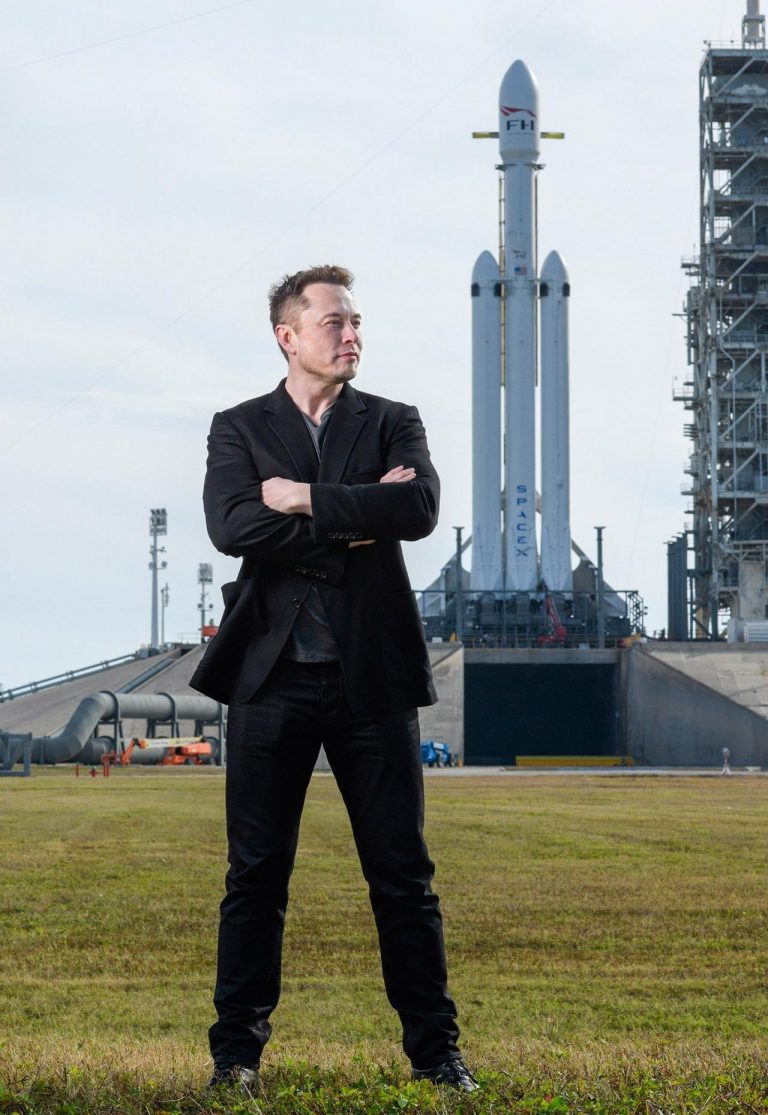
As investors prepare for what could become one of the largest stock market debuts in history, SpaceX has unveiled an unconventional share-sale framework that offers select insiders early access to liquidity while maintaining restrictions on founder Elon Musk and other major shareholders.
A regulatory filing released Monday showed that SpaceX has reserved 5% of the shares in its planned initial public offering for certain employees and individuals chosen by company executives. Participants in this directed share program will be allowed to purchase shares at the IPO price and, notably, will not be subject to the lock-up restrictions that typically prevent insiders from selling stock immediately after a public listing.
The arrangement represents another example of SpaceX’s departure from traditional IPO conventions as the company pursues a valuation of approximately $1.75 trillion, a figure that would place it among the world’s most valuable publicly traded companies from the moment it lists.
Register for the next Tekedia Mini-MBA.
Register for Tekedia AI in Business Masterclass.
Join Tekedia Capital Syndicate and co-invest in great global startups.
Under the directed share program, any shares that are not purchased by eligible participants will be reallocated and sold to public investors. The filing did not disclose the number of shares expected to be distributed through the program, nor did it identify which employees or outside individuals may qualify.
The disclosure rings a bell because lock-up agreements have long been a standard feature of IPOs. Most newly listed companies require insiders, executives, and early investors to hold their shares for roughly six months before selling. The restrictions are designed to prevent a flood of stock from entering the market immediately after a listing, which could pressure share prices and undermine investor confidence.
SpaceX, however, is pursuing a more flexible approach. Rather than imposing a uniform six-month lock-up period, the company plans a staggered release mechanism that ties the ability to sell shares to both corporate performance and stock-price milestones. According to the filing, certain shareholders could become eligible to sell portions of their holdings shortly after SpaceX reports its first quarterly earnings results as a public company, provided specified conditions are met.

Additional tranches of restricted stock would then be released over the following months, with any remaining restrictions expiring after six months.
The structure echoes practices seen during the IPO boom of 2020 and 2021, when companies sought innovative ways to balance insider liquidity demands with market stability. Firms such as Airbnb, DoorDash, and Snowflake adopted phased share-release mechanisms that allowed some investors to sell stock earlier than traditional lock-up arrangements would permit.
More recently, AI infrastructure company Cerebras and cybersecurity firm Rubrik have implemented similar structures.

For SpaceX, the staggered approach could help manage what is expected to be intense investor demand while providing a controlled path for employees and early investors to realize gains accumulated over years of private-market growth. The filing also offered fresh insight into Elon Musk’s position within the company. Despite maintaining overwhelming control of SpaceX, Musk has agreed not to sell shares for approximately one year following the IPO.
According to the filing, Musk controls 85.1% of the company’s voting power and owns 12.3% of its Class A shares. His commitment to a longer lock-up period is likely intended to reassure investors that management remains focused on long-term value creation rather than near-term monetization.
Other significant shareholders are also subject to one-year restrictions, although the filing does not identify those investors or disclose the size of their holdings.
The contrast between the treatment of select program participants and major shareholders is glaring. While some employees and invited individuals may gain immediate liquidity, the company’s most influential stakeholders will remain largely locked in for an extended period.
The approach reflects SpaceX’s unique position in capital markets. Unlike many technology startups that pursue public listings primarily to raise cash, SpaceX enters the market after years of strong private financing and significant revenue generation from its launch services, satellite communications business, and government contracts.
Its satellite internet division, Starlink, has become one of the fastest-growing communications businesses globally, while SpaceX continues to dominate commercial launch markets and expand its role in national security and space infrastructure projects.
The IPO is therefore seen by some as less about accessing capital and more about creating a public-market structure capable of supporting future growth while rewarding long-term employees and investors.
By combining selective exemptions, performance-based share releases, and extended restrictions on top insiders, SpaceX is attempting to strike a balance between market stability and shareholder flexibility. Whether investors embrace that approach could become an important test for future mega-cap technology listings, particularly as companies seek alternatives to traditional IPO lock-up arrangements.
With a projected valuation of $1.75 trillion and extraordinary investor interest already building, the structure of SpaceX’s IPO may prove almost as closely watched as the offering itself.