

The cryptocurrency market in November 2025 is at a pivotal crossroads, with Bitcoin hovering around $103,000 after a volatile month marked by sharp corrections and renewed optimism.
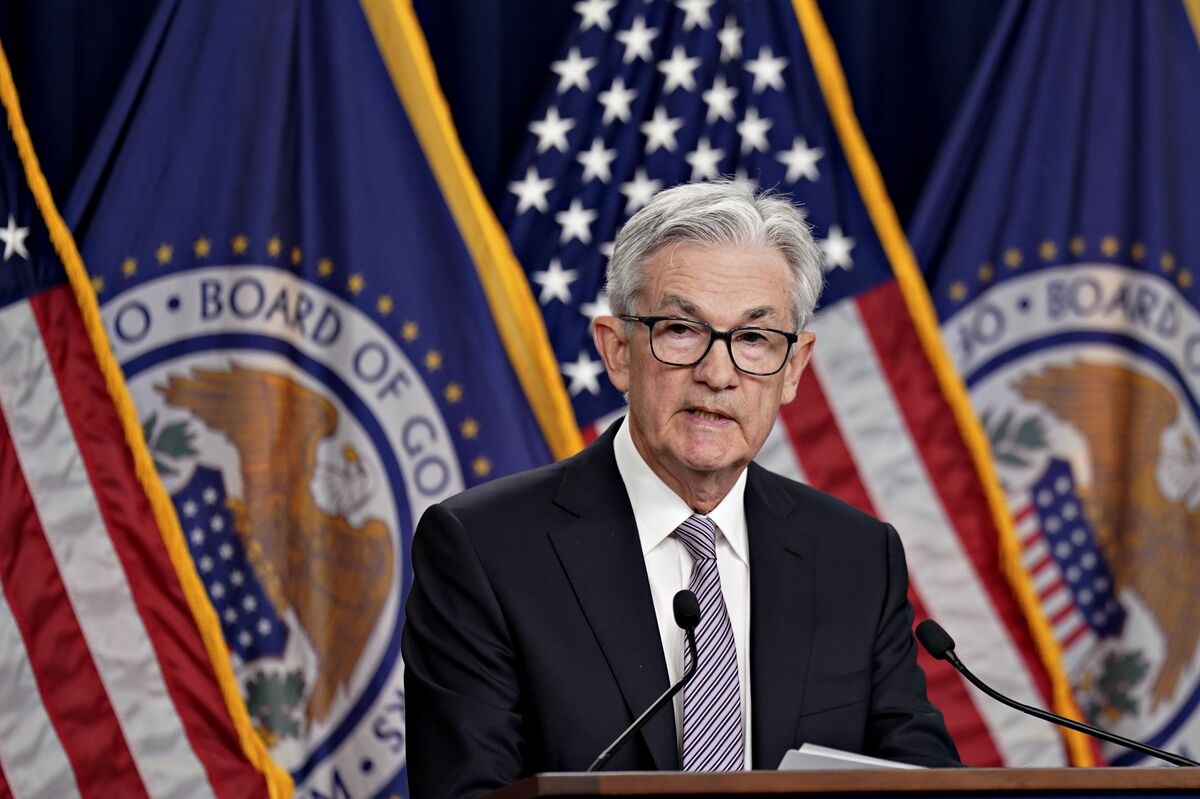
The U.S. Federal Reserve’s recent moves—injecting $29.4 billion via overnight repo operations the largest since the 2020 pandemic and signaling the end of quantitative tightening (QT) on December 1—have reignited debates about whether this is the spark for a historic bull run or the inflation of an unsustainable bubble.
Fed Chair Jerome Powell described the balance sheet expansion as a “technical adjustment,” but markets interpret it as a subtle return to quantitative easing (QE), prioritizing stability over aggressive inflation control.
This liquidity push comes amid a prolonged U.S. government shutdown draining $15 billion weekly from the economy, adding short-term stress but setting up a potential rebound once resolved.
Register for Tekedia Mini-MBA edition 20 (June 8 – Sept 5, 2026).
Register for Tekedia AI in Business Masterclass.
Join Tekedia Capital Syndicate and co-invest in great global startups.
Register for Tekedia AI Lab.
Excess liquidity historically flows first to “barometer” assets like Bitcoin and Ethereum, then cascades into altcoins and meme coins as speculation heats up. The $29.4B injection on October 31 eased banking system stress, similar to 2019’s repo crisis that preceded QE and a crypto boom.
Follow-up operations added another $7.75B on November 3, signaling ongoing support. China’s PBOC is injecting funds to lower borrowing costs, expanding global M2 money supply and historically correlating with Bitcoin rallies.
Stablecoin supply (USDT, USDC) now at 3% of total market cap hints at sidelined capital ready to deploy. Odds for a December cut dipped to 65% from 90%, but further easing in 2026 potentially under a new Fed chair post-Trump’s influence could sustain the tailwind.

Analysts like Raoul Pal call this the dawn of “The Banana Zone”—a liquidity resurgence phase where crypto ascends sharply. Open interest in Bitcoin futures has stabilized at ~90,000 contracts, suggesting consolidation before an upside break.
On X, traders echo this: “We are going into a liquidity easing cycle very soon… incredibly strong tailwind for all risk assets.” While the upside is tantalizing, skeptics like Ray Dalio warn of a “classic asset bubble” in an overheated economy with record stocks, low unemployment, and sticky inflation.
Reverse repo usage hit $75B+ since late October, draining liquidity even as injections occur—a “push-pull” dynamic keeping sentiment volatile. Liquidations topped $2B on November 5, mostly longs, as spot investors pulled back.

US Government shutdown at 36 days, it’s frozen data and delayed crypto legislation (e.g., stablecoin rules, ETF approvals), potentially pushing milestones to 2026. U.S.-China trade threats and a stronger dollar are lifting Treasury yields, siphoning funds from risk assets.
ETF inflows slowed, with Bitcoin underperforming gold amid consolidation. Altcoins could drop another 30% vs. BTC if liquidity thins further. X sentiment reflects the split: “Fed’s QE is about to fuel the bubble into a violent pop… but not before adding tons of liquidity.”
A Melt-Up with Guardrails. The base case is a “sideways consolidation with mild bullish bias” through mid-November, pivoting to upside if the shutdown resolves and Fed rhetoric turns dovish.
Bitcoin could test $115K by month-end, with Ethereum reclaiming $4K, setting up December optimism. For altcoins, focus on utility plays (e.g., Bitcoin scalers like Bitcoin Hyper) over pure hype, as liquidity favors narratives tied to BTC’s ecosystem.
This isn’t 2021’s unbridled mania—structural adoption— ETFs, stablecoins provides a floor, but overexposure risks a 2000-style pop. Position for the flow, but hedge: 60% BTC dominance signals flight to safety for now. The bubble may inflate further, but the real question is your exit timing.