

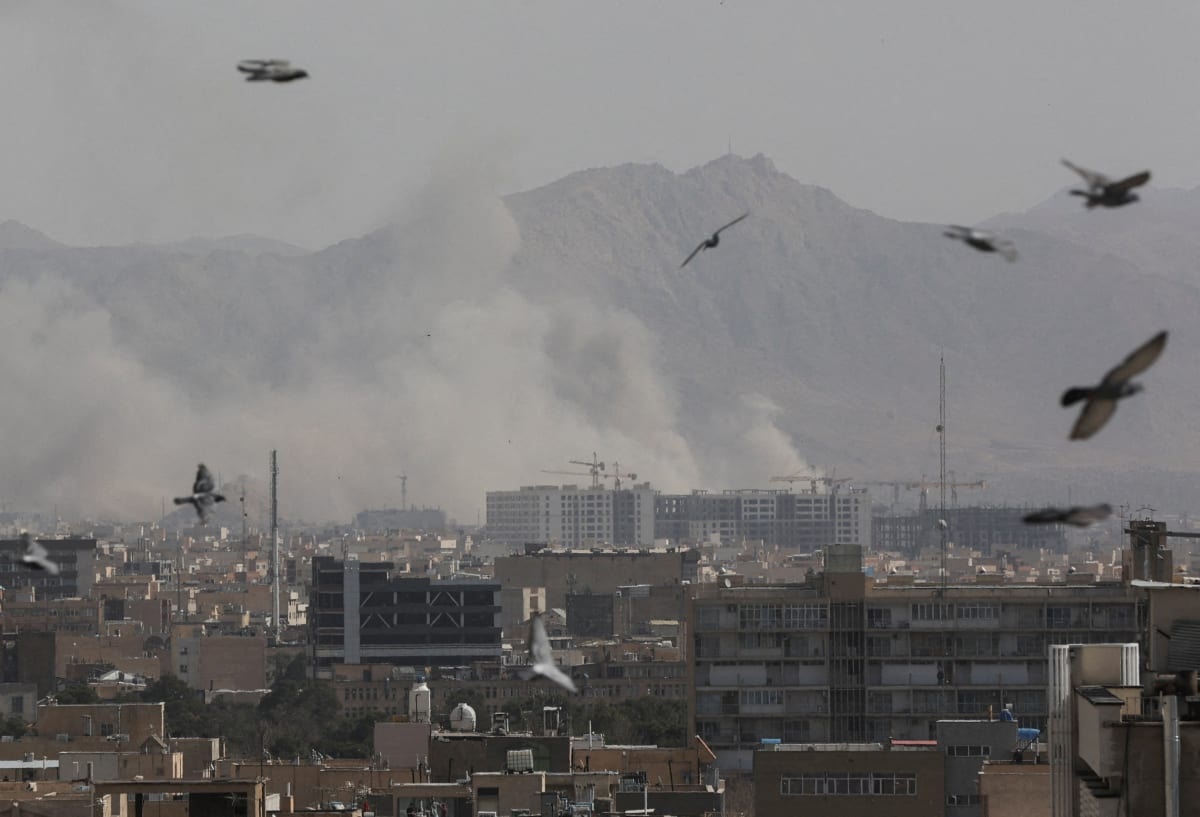
Iran war also referred to as Operation Epic Fury by the US and related Israeli operations which began with large-scale US-Israeli airstrikes on February 28, 2026 has been catastrophic for global markets, and has caused many devastating effects on civilizations.
B1 Bridge in Karaj
The B1 Bridge also called Bilqan B1 Bridge in Karaj, Alborz Province—described as the tallest bridge in the Middle East at around 136 meters high—was struck on April 2, 2026. US forces conducted the attack with precision-guided munitions reportedly including 2,000-pound bombs in a double-tap pattern. The bridge was unfinished or recently constructed and served as a key section of a major highway linking Tehran to northern routes.
US and Israeli officials stated it functioned as a dual-use logistical route for the IRGC, facilitating the transport of missiles, drones, and related components. Iranian sources reported civilian casualties; figures vary: 8 killed and ~95 injured in some accounts, up to 13 killed in others with people picnicking nearby during a holiday. The strike partially collapsed sections of the structure but left some pillars standing. Trump publicly referenced the action and warned of further strikes.
Register for the next Tekedia Mini-MBA.
Register for Tekedia AI in Business Masterclass.
Join Tekedia Capital Syndicate and co-invest in great global startups.
Assassination of IRGC Intelligence Chief
On April 6, 2026, Israel conducted an airstrike in Tehran that killed Maj. Gen. Majid Khademi, the head of IRGC Intelligence. Israel confirmed responsibility, describing it as a significant blow to the IRGC’s command structure. Khademi had assumed the role relatively recently after the prior chief was also killed by Israel in 2025. Iranian state media and the IRGC condemned it as a terrorist attack and held funerals in Tehran. This fits a pattern of targeted killings of senior IRGC figures during the conflict.
Broader Strikes on Infrastructure
US and Israeli forces have conducted multiple strikes on Iranian petrochemical complexes, which officials say produce chemicals, explosives, and propellants used in ballistic missiles and other weapons: Mahshahr (Bandar Imam and related facilities in Khuzestan) — struck around April 4, targeting utility plants like Fajr 1 and 2 that support production.
South Pars (Asaluyeh, Bushehr Province) — hit on or around April 6, described by Israel as Iran’s largest petrochemical site accounting for ~50% of production. Facilities like Mobin, Damavand, and Zagros were affected; these supply components for missile propellants. Additional sites near Shiraz and others were reportedly targeted, with Israel claiming these account for the bulk of Iran’s petrochemical exports and weapons-related output. Strikes often focused on power, gas, and utility infrastructure to disable entire complexes.

Airports in Tehran Province— Mehrabad, Sepehr, Shahid Aryafor and others like Shiraz saw strikes on military aircraft, helicopters, and airbases co-located there. The IDF reported hitting Iranian Air Force assets. Shipyards and naval-related sites have been part of the campaign, though specific IRGC fast-attack boats details are less prominently reported in open sources compared to the above; broader port and maritime infrastructure has been pressured amid the US naval blockade of Iranian shipping in the Strait of Hormuz.
This is part of a systematic US-Israeli effort to degrade Iran’s missile production, air defenses, command networks, and dual-use industrial base. Iran has retaliated with missiles, drones, and proxies including actions involving Hezbollah and Houthis while closing or threatening the Strait of Hormuz, spiking global oil prices. A temporary ceasefire was agreed around April 7–8, 2026 but it has been strained by disputes over reopening the strait, ongoing Israeli actions in Lebanon, and failed talks in Islamabad.
As of mid-April 2026, the US maintains a naval blockade, and tensions remain high with threats of escalated strikes on energy and infrastructure. Casualty figures are disputed: Iran reports thousands of deaths including civilians, while the US has acknowledged wounded personnel. Strikes have drawn criticism for civilian impacts and de-development effects, alongside Iranian claims of disproportionate targeting.

Both sides frame their actions as necessary self-defense or preemption against existential threats, Iran’s nuclear and missile program and proxy network from Israel’s/US perspective; sovereignty and retaliation from Iran’s. The situation is fluid, with diplomacy including potential new US-Iran talks ongoing alongside military pressure. Independent verification remains challenging due to fog of war, internet blackouts in Iran, and competing narratives.