

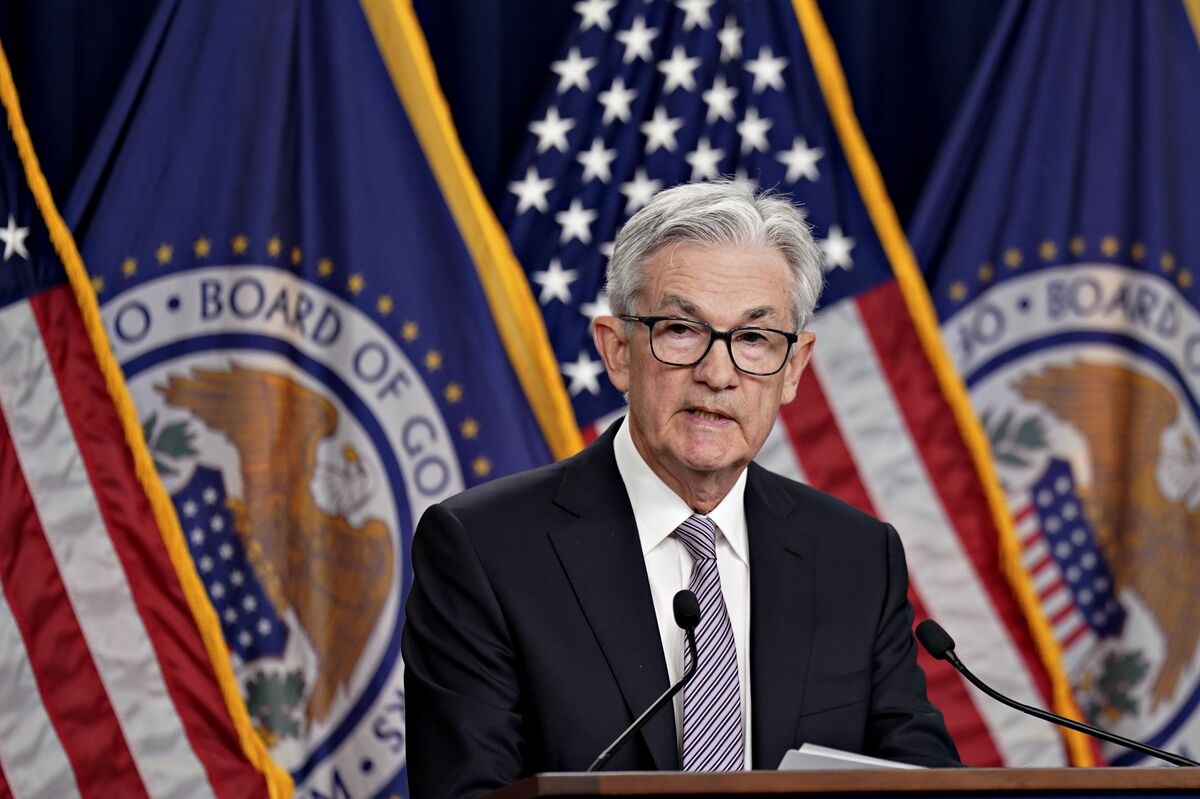
The minutes revealed a Federal Reserve that is united in holding rates steady for now but divided over whether the next move should be a cut — or potentially even a hike — if inflation proves stubborn.
U.S. Treasury yields extended their upward move on Thursday as investors weighed hawkish undertones in the Federal Reserve’s latest meeting minutes and positioned for a closely watched inflation report that could reshape expectations for interest rate cuts.
In early trading at 4:36 a.m. ET, the benchmark 10-year Treasury yield rose more than 1 basis point to 4.099%. The 30-year bond yield also advanced by more than 1 basis point to 4.724%, while the 2-year note — which is particularly sensitive to monetary policy expectations — ticked up 1 basis point to 3.478%. One basis point equals 0.01 percentage point, and bond yields move inversely to prices.
Register for Tekedia Mini-MBA edition 20 (June 8 – Sept 5, 2026).
Register for Tekedia AI in Business Masterclass.
Join Tekedia Capital Syndicate and co-invest in great global startups.
Register for Tekedia AI Lab.
The move higher in yields reflects a recalibration in market expectations after the release of minutes from the Federal Reserve’s January policy meeting. While officials unanimously agreed to keep interest rates unchanged at that meeting, the discussion revealed a more nuanced debate about the path forward.
According to the minutes, policymakers were broadly comfortable maintaining a restrictive policy stance but differed over how to frame the risks ahead. Several officials supported using “more two-sided language” when discussing future rate moves — a shift that leaves open not only the prospect of rate cuts but also the possibility of further hikes if inflation fails to ease as expected.
That subtle change in tone is significant for markets that have, in recent months, leaned toward pricing in rate reductions. The acknowledgment that inflation risks remain alive, and that some officials see merit in preserving optionality in both directions, signals that the central bank is not yet convinced that the inflation fight is complete.

Traders are currently assigning roughly a 50% probability to a rate cut in June, according to the CME FedWatch tool. But the minutes suggest that such expectations may be premature, particularly if incoming data continues to show resilience in the economy or stickiness in price pressures.
Investors are now awaiting a fresh round of economic releases that could either reinforce or challenge the Fed’s cautious posture. Weekly jobless claims and pending home sales data are due later Thursday, offering insight into the health of the labor market and housing sector. On Friday, the focus will shift squarely to the personal consumption expenditures (PCE) price index — the Fed’s preferred measure of inflation.
The PCE report carries outsized importance because it feeds directly into the Fed’s policy deliberations. A hotter-than-expected reading could validate the more hawkish voices within the committee and further push back expectations for rate cuts. A softer print, on the other hand, could revive market confidence that inflation is moving sustainably toward the central bank’s 2% target.

Recent data have painted a mixed but broadly resilient picture of the U.S. economy. Industrial production and housing starts released on Wednesday surprised to the upside, reinforcing the narrative of underlying economic strength. That resilience has contributed to upward pressure on yields, as stronger growth can delay the need for monetary easing.
Analysts at Deutsche Bank said in a note Thursday that “the grind higher in rates was also supported by hawkish-leaning minutes of the January FOMC meeting.” They pointed to the discussion around more balanced risk language as a sign that policymakers are intent on preserving flexibility. While they stressed that an active move toward rate hikes remains unlikely, they said the tone “adds to the sense that most of the FOMC are in no rush to deliver further cuts.”
The divergence within the committee reflects a broader tension facing policymakers. On one side is a labor market that, while cooling from peak tightness, remains historically strong. On the other hand, inflation has moderated but not fully returned to target. Some officials appear inclined to prioritize safeguarding employment gains, while others remain focused on ensuring that inflation does not reaccelerate.
This debate is unfolding against a backdrop of financial markets that have already eased conditions relative to last year. Equity markets have remained elevated, credit spreads are relatively tight, and borrowing costs for households and businesses have declined from their peaks. For some Fed officials, that easing in financial conditions may reduce the urgency to cut rates quickly.
The bond market’s reaction underscores how sensitive yields remain to shifts in policy language. The 2-year yield, often viewed as a proxy for near-term Fed expectations, has been particularly responsive to changes in rate-cut probabilities. Meanwhile, longer-term yields such as the 10-year and 30-year reflect not only monetary policy expectations but also views on long-term growth, inflation, and Treasury supply dynamics.
With the PCE report looming and economic data continuing to surprise in pockets, investors face a period of heightened uncertainty. If inflation shows signs of stalling, yields could continue to drift higher as markets adjust to the possibility that rates may stay elevated for longer than previously anticipated. If price pressures resume their downward trend, the case for easing could regain traction.
However, the message from the Federal Reserve for now is one of caution and optionality. Rates are on hold — but the path forward remains open, and markets are adjusting accordingly.