

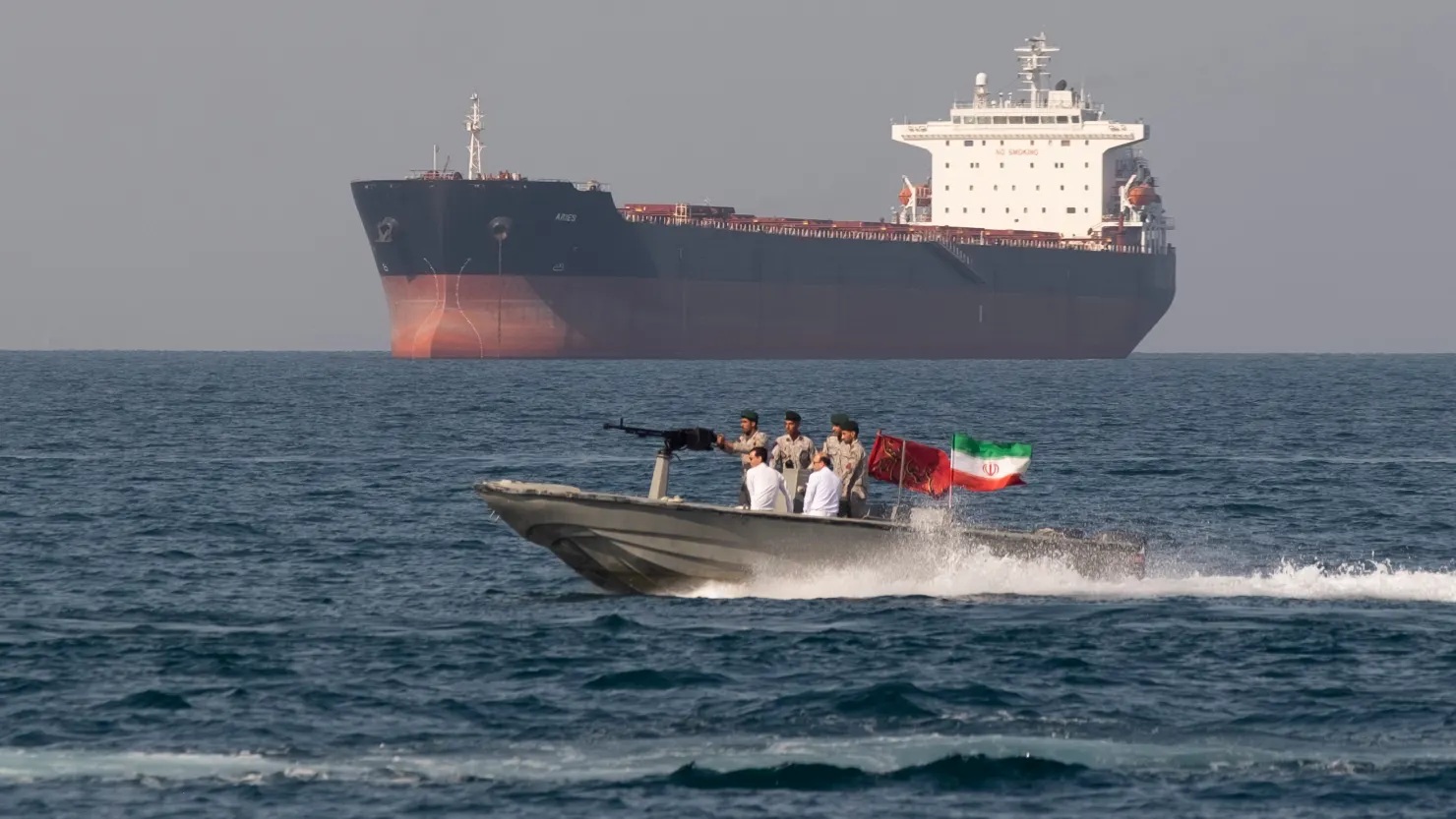
The United States and Iran have signaled cautious progress toward ending their conflict, with significant gaps remaining on two core issues: Tehran’s stockpile of enriched uranium and any potential system of tolls or control over the strategically vital Strait of Hormuz.
U.S. Secretary of State Marco Rubio said on Thursday there were “good signs” that a deal could be reached, but issued a firm warning that any agreement would be “unfeasible” if Iran attempts to impose permanent control or tolls on shipping through the Strait.
“No one in the world is in favor of a tolling system. It can’t happen [and] it would be unacceptable,” Rubio told reporters in Miami.
Register for the next Tekedia Mini-MBA.
Register for Tekedia AI in Business Masterclass.
Join Tekedia Capital Syndicate and co-invest in great global startups.
He added that if a satisfactory deal cannot be secured, President Donald Trump has “other options” available, without providing further details.
Iranian officials, via the semi-official Students’ News Agency (ISNA), described the latest U.S. proposal as having “narrowed the gaps to some extent,” while noting that further progress would require Washington to abandon any “temptation for war.” Tehran is currently reviewing the American position within the framework of its original 14-point proposal.
Core Sticking Points
The enriched uranium issue remains a major obstacle. The U.S. is demanding that Iran relinquish or significantly reduce its stockpile of near-weapons-grade material, citing concerns it could be used for nuclear weapons development. Iran insists its program is for peaceful purposes and has resisted any transfer of material abroad. According to Reuters, Iran’s Supreme Leader Ayatollah Mojtaba Khamenei issued a directive prohibiting the export of such uranium.

On the Strait of Hormuz, the situation is equally tense. The waterway, located between Oman and Iran, is one of the world’s most critical energy chokepoints, normally carrying about 20% of global oil and liquefied natural gas trade. Since the conflict began in late February, Iran has largely blocked foreign shipping, causing the most severe disruption to global energy flows in decades.
Trump has repeatedly stated that the strait must remain open and free of tolls, declaring it an “international waterway.”
Oil prices rose on Friday as traders grew doubtful about an imminent breakthrough, but remained on track for a weekly loss amid fluctuating expectations. Brent crude futures climbed 3.2% to $105.88 per barrel, while U.S. West Texas Intermediate futures rose 2.6% to $98.88.

PVM Oil Associates analyst Tamas Varga noted the headline-driven nature of the market.
“The optimism of a relatively imminent truce and bearish rhetoric whenever Brent approaches $110 prevents oil prices from rallying significantly higher,” Varga said.
Global oil inventories are depleting rapidly due to the near-halt in flows through the Strait, adding underlying support to prices despite diplomatic optimism.
Pakistan’s Army Chief Asim Munir visited Tehran on Thursday as part of ongoing mediation efforts. Meanwhile, the U.S. military’s Central Command (CENTCOM) stated that the USS Abraham Lincoln aircraft carrier strike group remains on high alert in the Arabian Sea, enforcing the blockade against Iranian ports.
The fragile ceasefire currently in place has held, but both sides continue to signal strength. Rubio’s comments reflect the Trump administration’s dual-track approach: pursuing diplomacy while maintaining credible military pressure.
The negotiations carry enormous weight for global energy security. A successful deal that reopens the Strait without tolls or Iranian dominance would ease energy prices, reduce inflationary pressures worldwide, and provide relief to oil-importing economies. Failure to resolve the uranium issue, however, risks prolonging the conflict and keeping energy markets on edge.
Resolving the conflict would remove a major distraction ahead of the November midterm elections in the U.S. and help stabilize global markets, while ending the war is critical to alleviating economic strain for Iran and avoiding further isolation.
Analysts believe that while a deal is possible in the coming weeks, any agreement will likely involve compromises on both sides. Iran may have to accept stricter oversight of its nuclear program, while the U.S. could offer sanctions relief and security assurances.
However, until a deal is reached, markets are expected to remain volatile, with oil prices, shipping costs, and inflation expectations swinging on every headline from the negotiating table.