

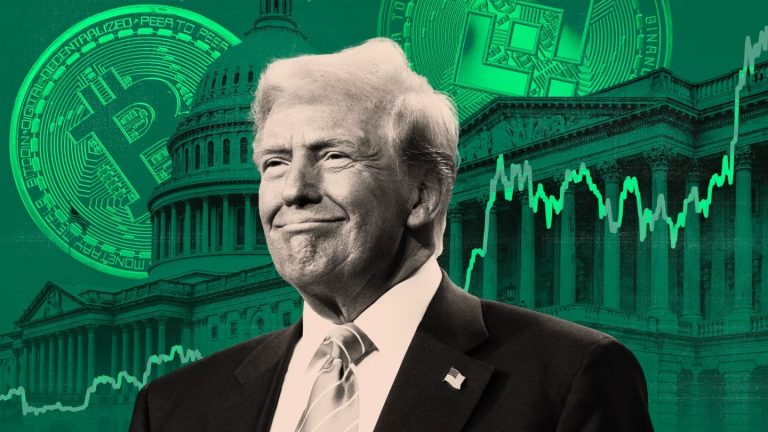
The President’s Working Group on Digital Assets completed its 180-day report, which was due on July 22, 2025, and is set to be released publicly on July 30, 2025, according to multiple sources, including statements from Bo Hines, Executive Director of the President’s Council of Advisors for Digital Assets. The report, commissioned by President Trump’s Executive Order on January 23, 2025, aims to propose a federal regulatory framework for digital assets, including stablecoins, focusing on market structure, oversight, consumer protection, and risk management.
It may also address the potential creation of a national digital asset stockpile and a Strategic Bitcoin Reserve, potentially using cryptocurrencies seized through law enforcement efforts. The release is anticipated to be a significant moment for U.S. digital asset policy, potentially influencing global standards. The report is expected to propose a federal regulatory framework for digital assets, including stablecoins, addressing market structure, oversight, and consumer protection.
A clear, innovation-friendly framework could boost institutional adoption, stabilize crypto markets, and attract investment, potentially driving up asset prices (e.g., Bitcoin, which some X posts suggest could benefit from a Strategic Bitcoin Reserve). Emphasis on mitigating illicit finance risks (e.g., money laundering, fraud) could lead to stricter compliance requirements for crypto exchanges and custodians, increasing operational costs but enhancing market legitimacy.
Register for Tekedia Mini-MBA edition 20 (June 8 – Sept 5, 2026).
Register for Tekedia AI in Business Masterclass.
Join Tekedia Capital Syndicate and co-invest in great global startups.
Register for Tekedia AI Lab.
Specific guidelines for stablecoins could position them as a bridge between traditional finance and crypto, potentially increasing their use in payments and cross-border transactions. The report may endorse a Strategic Bitcoin Reserve, possibly using seized cryptocurrencies. This could signal U.S. government confidence in Bitcoin, potentially driving its price higher. However, it could raise concerns about market manipulation or fiscal risks if the government becomes a major holder.
A national digital asset stockpile could position the U.S. as a leader in the global digital economy, countering moves by countries like China with its digital yuan. This could enhance U.S. financial influence but also escalate geopolitical tensions. Domestically, it could spur innovation in blockchain technology, creating jobs and fostering new financial products.
Stronger consumer protections could increase public trust in digital assets, encouraging retail participation. However, overly stringent regulations might stifle smaller projects or push innovation offshore. The report, influenced by a Trump administration initiative, may face resistance from Democrats or regulators skeptical of crypto’s risks (e.g., Senators Warren and Brown, who have historically criticized crypto for enabling crime). A federal framework might clash with the crypto community’s ethos of decentralization.

Institutional players (e.g., banks, hedge funds) may benefit from regulatory clarity, gaining easier access to crypto markets. Retail investors, however, could face barriers if compliance costs raise fees or limit access to smaller platforms. A Bitcoin price surge from a Strategic Reserve could disproportionately benefit early adopters and wealthy investors, widening wealth gaps. Crypto advocates view the report as a step toward mainstream adoption, while skeptics (including some traditional finance experts) argue it risks financial instability or scams.
The report’s push for U.S. leadership in digital assets could alienate international partners or spur competing frameworks in the EU or Asia, fragmenting global standards. The report could be a pivotal moment for digital assets, potentially fostering innovation and adoption while addressing risks. However, it risks deepening divides between political factions, economic classes, and ideological camps. The crypto community’s reaction—visible on X—ranges from optimism about market growth to wariness of government overreach.