

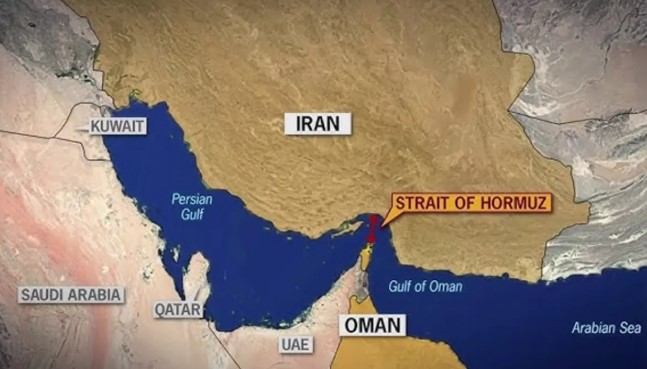
U.S. Trade Representative Jamieson Greer expressed strong confidence on Friday that China will actively help limit material support for Iran and ensure the Strait of Hormuz remains fully open without tolls or military restrictions, marking one of the clearest areas of alignment to emerge from this week’s Trump-Xi summit in Beijing.
Speaking in a Bloomberg News interview, Greer, who took part in the high-level meetings, highlighted China’s pragmatic stance on the fragile ceasefire in the Iran conflict.
“It’s really important for China to have the Strait of Hormuz open, no tolling, no military control, and that was clear from the meeting. So we welcome that,” Greer said.
Register for the next Tekedia Mini-MBA.
Register for Tekedia AI in Business Masterclass.
Join Tekedia Capital Syndicate and co-invest in great global startups.
He added that Beijing does not want to find itself “on the wrong side of this” and sees mutual interest with Washington in achieving peace in the region.
“They want to see peace in that area. President Trump wants to see peace in that area. So we have a lot of confidence that they will do what they can to limit any kind of material support for Iran.”
China’s Foreign Ministry reinforced the de-escalation message, stating there is “no need to continue this war that should not have happened” and that finding an earlier solution would benefit “both the United States and Iran… and even the whole world.”

While avoiding direct mention of the Strait of Hormuz in its summary, Beijing called for shipping routes to be reopened as quickly as possible.
As Iran’s largest oil customer, China has both economic incentive and diplomatic leverage. The near-shutdown of the Strait, through which a significant portion of global oil and LNG passes, has triggered the biggest disruption to energy supplies in history, driving up prices and complicating China’s own energy security. Beijing has engaged in intense behind-the-scenes diplomacy while carefully avoiding harsh public criticism of U.S. actions.
This convergence reflects a growing recognition in both capitals that prolonged chaos in the Middle East serves neither side’s core interests. For Trump, Chinese cooperation offers a potential path to stabilize energy markets and ease domestic political pressure ahead of the November midterm elections. For Xi, normalized energy flows reduce economic risks at a time when China is focused on domestic recovery and technological self-reliance.

Incremental Progress on Rare Earths
On the trade front, Greer reported measured improvement in rare earth exports, though challenges remain. China imposed controls in April 2025 in retaliation for U.S. tariffs, but flows have recovered somewhat since last October’s agreement.
“I would give them a passing grade on this,” Greer said. “We’ve certainly seen the rare earths come back up to better levels. Sometimes it’s slow. There are times when we have to go and make our point.”
The U.S. has recently received significant shipments of yttrium, a critical rare earth almost exclusively produced in China, helping alleviate shortages in semiconductors and aerospace. However, U.S. officials continue to intervene case-by-case when approvals lag.
The Hormuz alignment stands out as a rare bright spot in an otherwise competitive relationship. It demonstrates how immediate economic self-interest can create temporary common ground even as rivalry persists over technology, Taiwan, and regional influence. China’s willingness to pressure Iran, even quietly, gives Washington a valuable lever without direct U.S. military escalation.
However, the development highlights China’s sophisticated hedging: maintaining ties with Iran while prioritizing stable energy imports and constructive relations with the U.S. on select issues. This pragmatic approach fits the broader “strategic stability” framework agreed upon at the summit.
Successful reopening of the Strait will ease energy price pressures, support economic growth, and reduce inflationary risks for global markets. For U.S. industries, steadier rare earth supplies would ease bottlenecks in defense and high-tech manufacturing.
While skepticism remains about the depth and durability of this cooperation, Greer’s comments suggest the Trump administration views China as a pragmatic partner on this critical file. However, the summit is believed to have delivered modest but practical wins in areas of overlapping interest.