

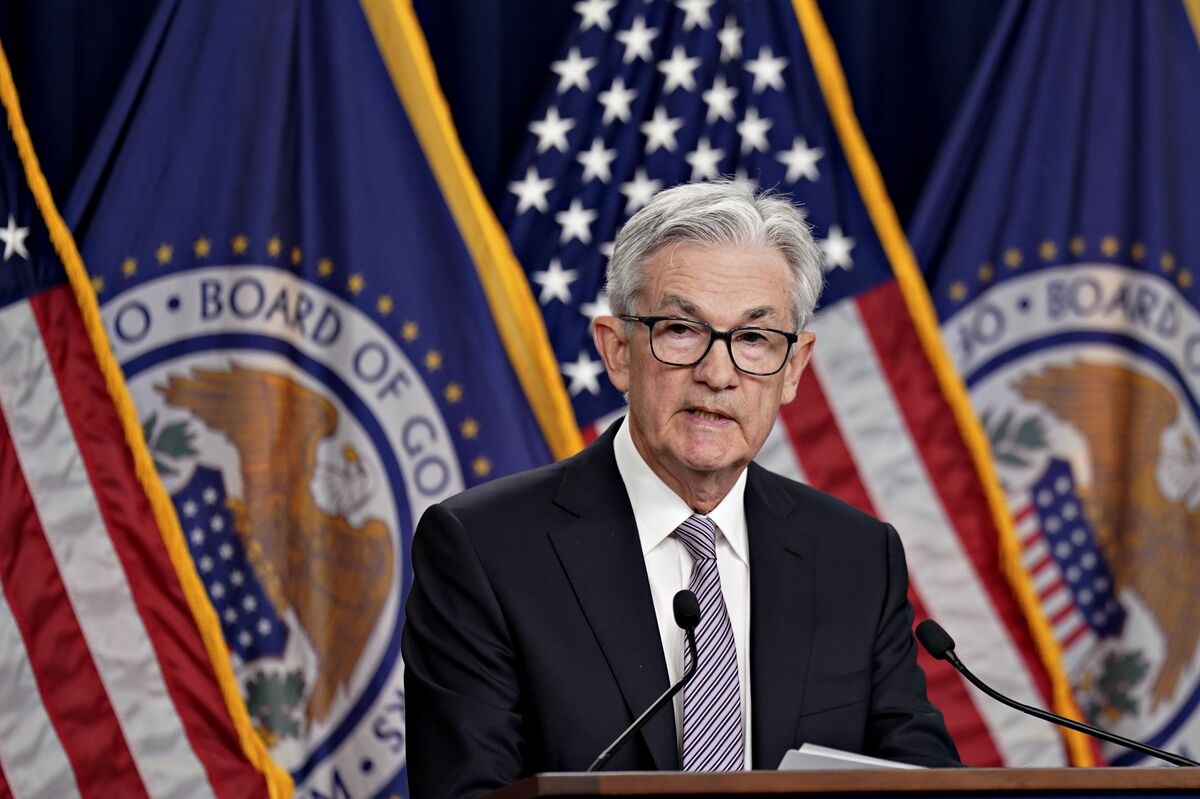
U.S. Treasury yields were largely unchanged on Tuesday as investors adopted a cautious stance ahead of the release of minutes from the Federal Reserve’s December policy meeting, one of the final major macro events before markets close out the year.
The benchmark 10-year Treasury yield was flat at around 4.12% in early trading, while the 2-year yield, which is more sensitive to expectations around monetary policy, edged down by less than one basis point to 3.459%. With many global markets operating with reduced staff and lower volumes during the year-end period, price movements remained muted, reflecting limited conviction ahead of the Fed release.
Markets are focused on the minutes from the Federal Open Market Committee’s Dec. 9–10 meeting, scheduled for publication at 2 p.m. ET. At that meeting, policymakers approved a 25-basis-point interest rate cut, bringing the federal funds target range to 3.50%–3.75% and marking the third rate reduction of the year. The decision signaled a further shift away from the aggressive tightening cycle that defined much of the Fed’s response to post-pandemic inflation.
Register for Tekedia Mini-MBA edition 20 (June 8 – Sept 5, 2026).
Register for Tekedia AI in Business Masterclass.
Join Tekedia Capital Syndicate and co-invest in great global startups.
Register for Tekedia AI Lab.
Still, the cut was far from unanimous, and the minutes are expected to shed light on the depth of divisions within the committee. Some policymakers pushed for additional easing, citing concerns that restrictive policy could lead to further softening in the labor market. Others argued that financial conditions were already accommodative enough and warned that cutting too quickly could undermine progress on inflation, which, while easing, has yet to return decisively to the Fed’s 2% target.
Investors will be parsing the minutes for any indication of how policymakers are weighing those risks heading into 2026. Of particular interest will be language around inflation persistence, wage growth, and the resilience of consumer demand, as well as how confident officials are that inflation expectations remain anchored.
“Our baseline assumption is that the Committee will remain incentivized to retain as much flexibility as possible into the January 29 FOMC decision – a stance that has been consistent throughout 2025 and we expect will be rolled into the new year,” Ian Lyngen, head of U.S. rates strategy at BMO Capital Markets, said.

That emphasis on flexibility has become a defining feature of the Fed’s recent communication. Rather than committing to a preset path of cuts, officials have repeatedly stressed data dependence, a message that has kept short-term yields elevated relative to longer-dated bonds and contributed to a flatter yield curve.
Beyond the Fed minutes, broader macro conditions continue to shape Treasury market dynamics. Recent data have shown inflation cooling from earlier highs but remaining uneven across sectors, while the labor market has slowed without showing signs of abrupt deterioration. This combination has reinforced expectations that the central bank will move cautiously, balancing the need to support growth against the risk of rekindling price pressures.
Currently, the lack of movement in yields reflects both the thin liquidity typical of the final days of the year and the market’s reluctance to take strong positions ahead of clearer guidance from policymakers. Once full trading resumes in early January, the tone of the December minutes is likely to play a key role in shaping expectations for the Fed’s next steps and setting the direction for Treasury yields at the start of 2026.
