

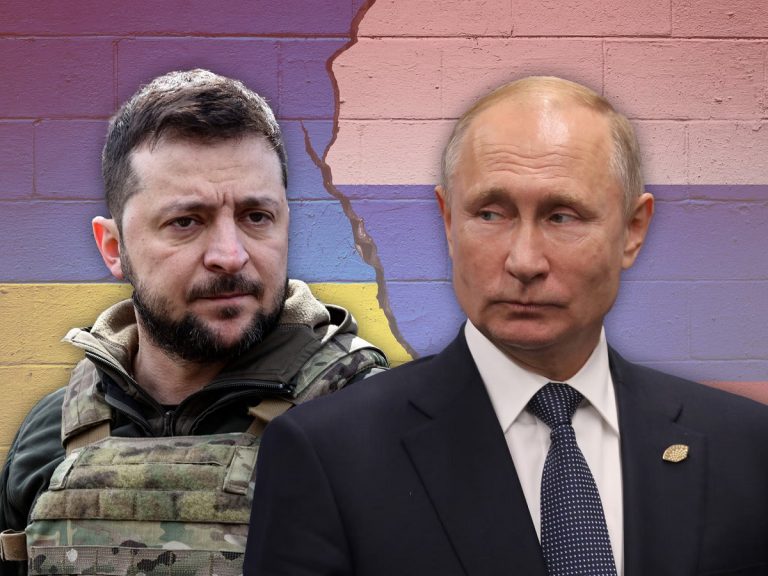
The United States and Europe are facing a growing disagreement over the future of frozen Russian assets, as Washington reportedly negotiates arrangements for their release under American supervision.
While European governments insist that the resources must remain under European control. The dispute highlights competing strategic priorities among Western allies as they consider how Russia’s financial resources should be managed amid continuing tensions over the war in Ukraine.
Since Russia launched its full-scale invasion of Ukraine in February 2022, Western governments have frozen substantial Russian state assets as part of their economic response.
Register for the next Tekedia Mini-MBA.
Register for Tekedia AI in Business Masterclass.
Join Tekedia Capital Syndicate and co-invest in great global startups.
These measures were designed to restrict Moscow’s access to international financial resources, increase pressure on the Russian government and support efforts to hold Russia accountable for the consequences of the conflict.
Deciding what happens to these assets has become increasingly complicated. The United States and European countries broadly share the objective of pressuring Russia, but they may differ over the mechanisms, legal authority and political conditions governing any eventual release.
Washington’s reported negotiations for an arrangement involving American supervision could give the United States greater influence over the management and potential distribution of the resources.

Such an approach could provide an opportunity to connect the assets to broader diplomatic negotiations, security arrangements or a possible settlement involving Russia and Ukraine. The precise terms and objectives of the reported negotiations remain important questions.
European governments are reluctant to surrender control over assets held within their jurisdictions. A significant portion of the frozen Russian sovereign reserves is located in Europe, making European institutions central to decisions about their management.
European leaders face legal and political responsibilities that could make any transfer of authority difficult without clear agreements and safeguards. For Europe, retaining control is not simply a question of financial administration.

It is about maintaining political leverage over Moscow and protecting the credibility of sanctions imposed in response to the invasion of Ukraine. European officials may fear that transferring authority to Washington could weaken their influence over decisions that directly affect European security.
The disagreement raises difficult questions about international law. Freezing sovereign assets is different from confiscating them or transferring ownership. Governments must consider the legal protections surrounding state property.
The rights of financial institutions and the potential consequences of establishing precedents for future international disputes. One possible compromise could involve continued European custody alongside a coordinated framework for decisions with the United States.
Such an arrangement might allow Washington and European capitals to pursue shared diplomatic objectives without requiring either side to surrender its interests entirely.
Reaching agreement would require clarity about who holds decision-making authority, what conditions govern any release and whether the assets could be used for reconstruction or other purposes.
Ukraine’s interests are equally significant. Kyiv has consistently sought financial resources to support its defence, rebuild damaged infrastructure and address the enormous economic costs of the war.
Any arrangement concerning frozen Russian assets could therefore influence future discussions about compensation and reconstruction. The dispute reflects a broader challenge facing the Western alliance: maintaining unity while balancing national interests.
Although Washington and European governments remain important partners, differences over financial authority can expose competing visions of how economic pressure should support diplomacy.
The outcome of these negotiations could shape not only the future of frozen Russian assets but also the relationship between the United States and Europe. Until the legal framework, supervisory arrangements and political conditions are clarified.
The resources will remain at the centre of a sensitive debate over sovereignty, accountability and influence.