

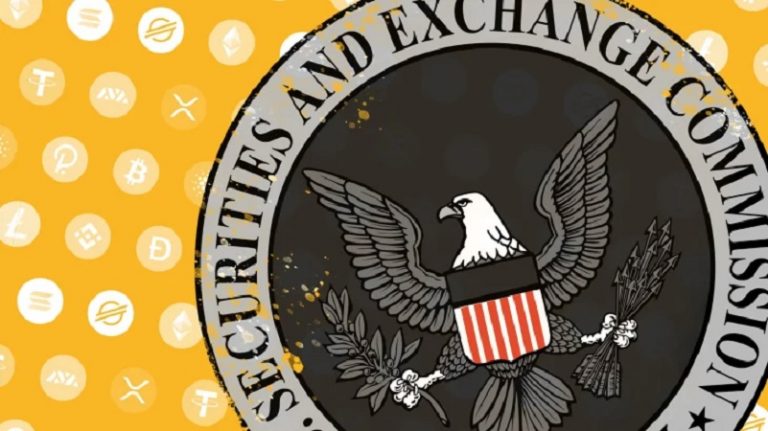
The U.S. Securities and Exchange Commission (SEC) has indicated a potential path to resolve its legal dispute with Coinbase, one of the largest cryptocurrency exchanges in the U.S., with recent developments suggesting a move towards settlement. In a court filing dated February 14, 2025, the SEC signaled that it is laying the groundwork to conclude its enforcement actions against Coinbase. This comes after a lawsuit filed in 2023, where the SEC accused Coinbase of operating as an unregistered securities exchange, broker, and clearing agency.
The SEC has established a specific task force focused on developing a regulatory framework for digital assets, led by Commissioner Hester Peirce (“Crypto Mom”). This initiative was part of the rationale given for requesting additional time to respond to Coinbase’s appeal, suggesting that regulatory clarity might be on the horizon, potentially affecting the ongoing lawsuit.
The SEC filed a lawsuit against Coinbase in June 2023, alleging that Coinbase was operating as an unregistered securities exchange, broker, and clearing agency. The SEC also accused Coinbase of offering and selling unregistered securities through its staking-as-a-service program. The SEC claimed that at least 13 cryptocurrencies listed on Coinbase’s platform, including SOL, ADA, MATIC, among others, should be considered securities under the Howey Test, a legal standard for determining if something qualifies as an investment contract.
Register for Tekedia Mini-MBA edition 20 (June 8 – Sept 5, 2026).
Register for Tekedia AI in Business Masterclass.
Join Tekedia Capital Syndicate and co-invest in great global startups.
Register for Tekedia AI Lab.
Coinbase has argued that the tokens it lists do not meet the criteria for securities and has contested the SEC’s authority over cryptocurrency exchanges. Coinbase filed motions to dismiss the lawsuit, arguing the SEC lacked jurisdiction over crypto transactions and that the agency’s approach violated due process. In March 2024, U.S. District Judge Katherine Polk Failla largely sided with the SEC, denying most of Coinbase’s motion to dismiss. However, she dismissed the SEC’s claim that Coinbase Wallet acted as an unregistered broker. This decision allowed the case to proceed to discovery.
Coinbase appealed parts of the ruling, and there have been ongoing legal maneuvers, including Coinbase seeking communications from former SEC Chair Gary Gensler and the SEC requesting extensions to respond to appeals, indicating the complexity and duration of the legal process. As of February 2025, the SEC has indicated a potential path to resolution, requesting more time to respond to Coinbase’s appeal while citing the work of its new crypto task force as possibly facilitating a resolution. This suggests a move towards settlement discussions or at least a reevaluation of the case strategy under new SEC leadership.
This lawsuit is pivotal for defining how cryptocurrencies are regulated in the U.S., particularly concerning whether they are securities. The outcome could set a precedent for how other crypto exchanges must operate.
Industry Impact: A resolution or ongoing litigation could influence investor confidence, regulatory scrutiny, and operational practices within the crypto industry. It has also highlighted the need for clearer regulatory guidelines from the SEC regarding digital assets.

The case has been part of a broader debate on whether the U.S. is losing ground to other countries in crypto regulation, with some arguing that the SEC’s enforcement-only approach is stifling innovation. With the SEC’s recent signals and the establishment of a crypto task force, there’s an indication that the long-term aim might be to craft a regulatory framework that could end or significantly alter such lawsuits. However, whether this results in a settlement, a legislative push, or continued litigation remains to be seen.