

The announcement by former US President Donald Trump to shut down the United States Agency for International Development (USAID) has sparked widespread global interest, with African nations registering the highest concern. Our analyst reports that data on search interest in USAID, between January 31 and February 5, 2025, shows that countries with a history of receiving substantial aid from the agency are among the most engaged in the unfolding developments.
African Nations Lead in Concern
African countries dominate the search rankings, with Malawi (100), Madagascar (79), Zambia (54), Ethiopia (49), and Kenya (45) recording the highest levels of interest. These nations have long relied on USAID funding for health, education, and infrastructure, making the potential loss of support particularly alarming. The heightened interest reflects fears over the disruption of critical aid programmes and economic assistance that have helped sustain these regions for decades.
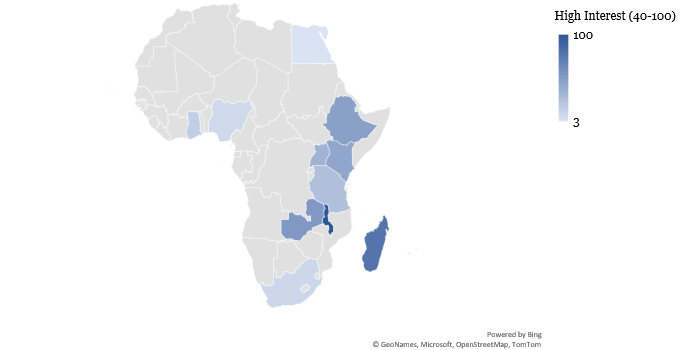
Uganda (36), Tanzania (27), Ghana (17), South Africa (11), and Nigeria (10) also registered significant search interest, indicating that concerns over the shutdown extend across the continent. USAID’s role in food security, governance, and humanitarian relief has made it a vital player in Africa’s development landscape.
Register for Tekedia Mini-MBA edition 20 (June 8 – Sept 5, 2026).
Register for Tekedia AI in Business Masterclass.
Join Tekedia Capital Syndicate and co-invest in great global startups.
Register for Tekedia AI Lab.
Latin America and Central America Register Moderate Engagement
The impact of USAID’s closure is also being felt in Central America and parts of South America, where countries such as Honduras (41), El Salvador (26), and Guatemala (23) have expressed notable interest. These nations have been recipients of USAID-backed security and development projects aimed at stabilising governance, curbing migration pressures, and fostering economic growth.
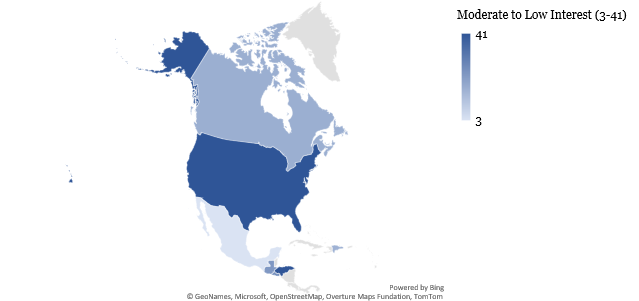
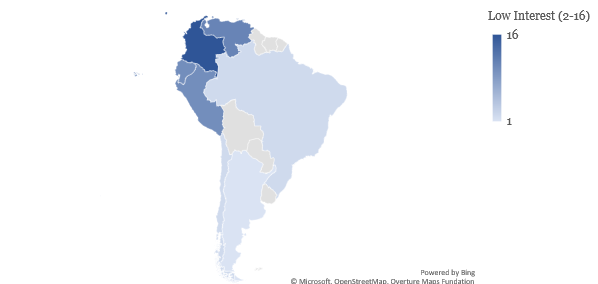
Elsewhere in South America, Colombia (16), Venezuela (11), Peru (10), and Ecuador (10) have shown some degree of engagement. While USAID has played a role in their economic and humanitarian programmes, overall search interest suggests that these nations may have diversified funding sources or alternative partnerships that cushion the impact.
Eastern Europe and Asia Exhibit Selective Concern
In Eastern Europe, Georgia (38), Bosnia & Herzegovina (31), Moldova (27), and Ukraine (19) recorded relatively high interest, underscoring the role of USAID in promoting economic stability, democratic governance, and post-conflict recovery in these regions. These nations have historically relied on U.S. aid as a counterbalance to Russian influence, raising questions about how they will navigate the void left by USAID.

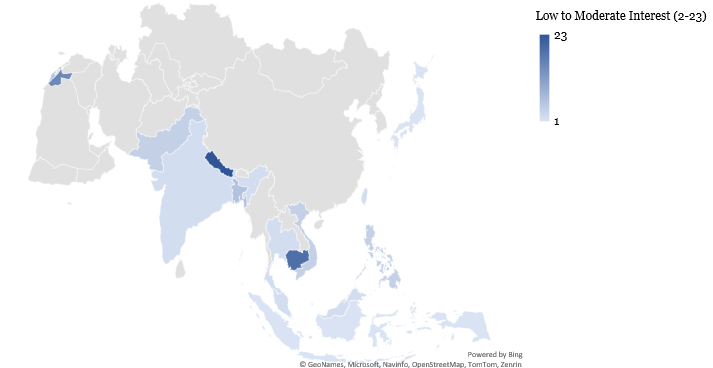
In Asia, Nepal (23), Cambodia (19), and Jordan (15) registered the highest interest, reflecting their dependency on USAID-backed humanitarian and economic programmes. Bangladesh (6), Pakistan (4), Vietnam (4), and the Philippines (4) also show concern, though at lower levels. India (2), Indonesia (1), and Japan (1), despite being major global economies, registered minimal engagement, suggesting confidence in their ability to secure alternative development assistance.
The United States Reacts as Europe and Oceania Show Low Concern
Interest in the United States (41) reflects domestic concern over the shutdown’s implications for U.S. foreign policy and aid workers. USAID has played a key role in shaping America’s global influence, and its closure raises questions about how Washington will continue to engage with developing nations.
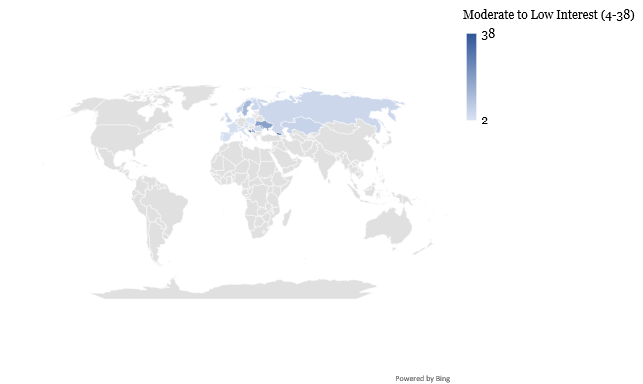
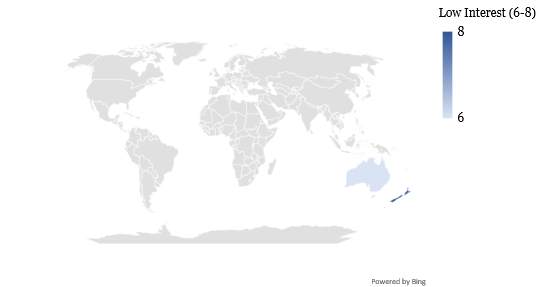
In Europe, Sweden (13), Switzerland (9), Netherlands (8), United Kingdom (6), and Germany (4) registered only modest engagement, indicating that the issue is of less immediate concern to Western European nations. This may be due to the European Union and other international bodies stepping in to fill the aid gap in many regions. Meanwhile, in Oceania, Australia (6) and New Zealand (8) showed minimal interest, reflecting their status as developed nations that are aid contributors rather than recipients.

A Turning Point for Global Aid?
The global reaction to USAID’s shutdown highlights a stark reality: developing nations, particularly in Africa and Central America, remain highly dependent on U.S. foreign aid. As the Trump-era policy continues to reverberate, questions arise over whether new international partnerships or alternative funding sources will emerge to replace the critical role USAID has played in global development. For many, the agency’s closure represents not just the loss of financial assistance but a shift in diplomatic influence that could reshape international relations for years to come.