

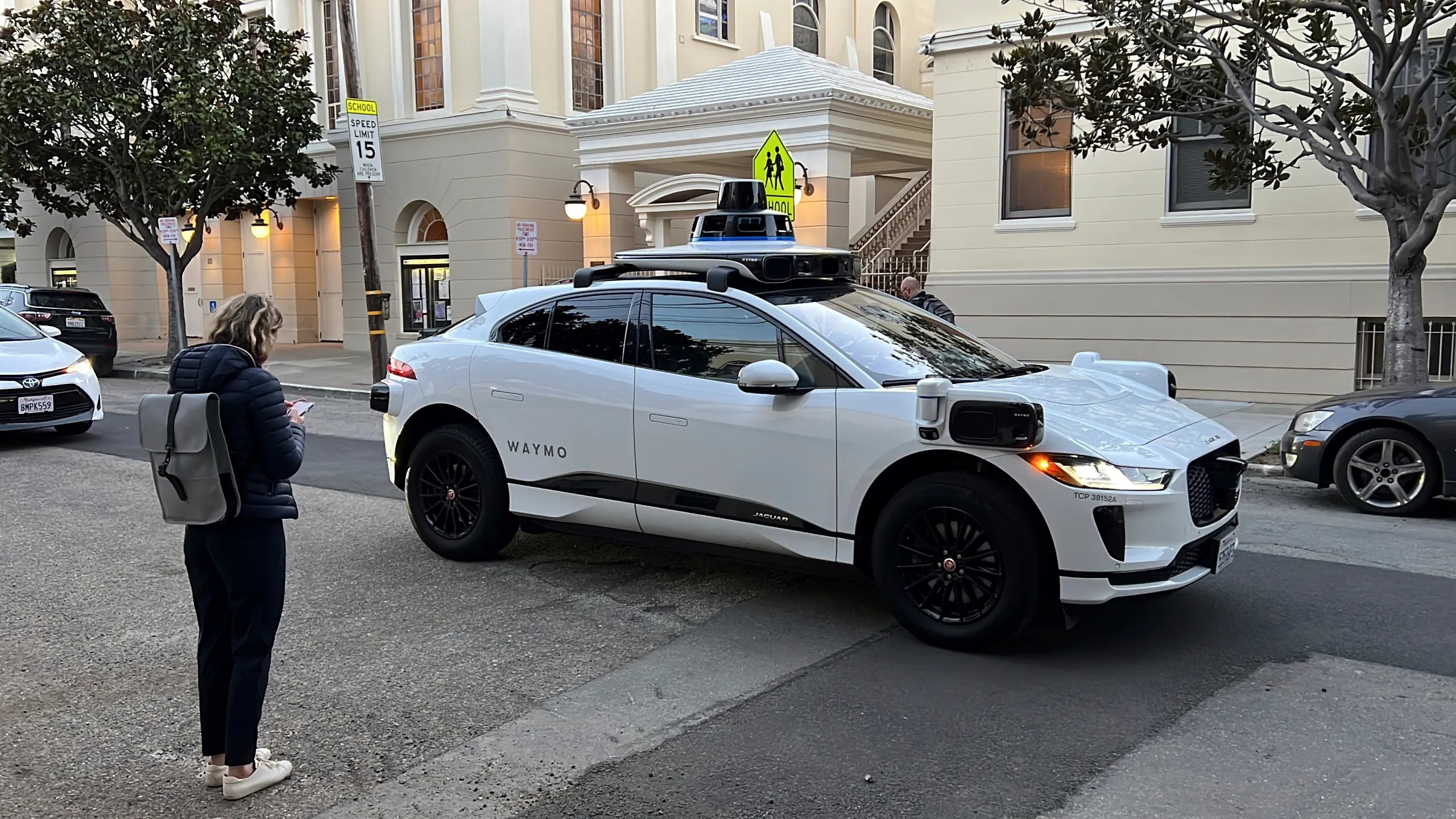
Waymo has announced plans to expand its commercial robotaxi service into three new cities — San Diego, Las Vegas, and Detroit — marking one of its most aggressive growth moves yet as the company ramps up its push to scale fully driverless transportation across the United States.
The Alphabet-owned autonomous vehicle company did not specify launch dates. Still, it indicated the services would likely go live sometime next year, once regulatory approvals are secured and the technology has been fully validated. The expansion aligns with Waymo’s broader strategy to accelerate deployment after years of testing and incremental rollout.
Today, Waymo operates robotaxi fleets in five U.S. metros: the San Francisco Bay Area, Los Angeles, Phoenix, Austin, and Atlanta. It has also signaled intentions to launch in Boston, Seattle, Denver, Miami, New York City, and Washington, D.C., although community resistance in Boston and Seattle has slowed progress.
Register for Tekedia Mini-MBA edition 20 (June 8 – Sept 5, 2026).
Register for Tekedia AI in Business Masterclass.
Join Tekedia Capital Syndicate and co-invest in great global startups.
Register for Tekedia AI Lab.
The addition of San Diego, Las Vegas, and Detroit represents a significant geographical and regulatory leap.
Regulatory Path Still Ahead
While Waymo is licensed for autonomous ride-hailing in California, the company must still secure critical approvals in Nevada and Michigan before launching commercial, fully driverless operations:
• In Nevada, Waymo needs testing authorization from the state’s DMV and commercial approval from the Nevada Transportation Authority.
• In Michigan, it must obtain a Transportation Network Company permit — essentially the same license required for human-driven ride-hailing services.

“We’ll follow our safety framework and serve riders in these cities when we’ve properly validated our technology and obtained the necessary permissions, with the intentions to open our doors to riders next year,” spokesperson Sandy Karp said in an email.
A Major Fleet Upgrade Is Coming
Waymo also confirmed it will deploy its new Zeekr RT electric vehicles, built by China’s Geely, alongside its existing fleet of Jaguar I-Pace robotaxis once the three cities open for commercial service.
The new Zeekr RT model is designed specifically for autonomous ride-hailing and will be equipped with Waymo’s 6th-generation self-driving system, which the company describes as more cost-efficient and scalable than previous iterations. The design offers more interior space, a cabin optimized for shared rides, and integrated hardware tailored for high-utilization robotaxi operations.

The decision to add purpose-built robotaxis suggests Waymo is preparing for higher rider volume and more dense, predictable routing — a sign that the company sees sustainable commercial demand in these new markets.
Why These Cities Matter
Each of the three markets offers unique advantages for autonomous vehicle testing and deployment:
- San Diego brings dense coastal neighborhoods, heavy tourism, and varied traffic conditions ideal for mixed-use robotaxi operations.
- Las Vegas has long served as a proving ground for mobility technology, with its wide roads, grid layout, and high demand from tourists.
- Detroit, the heart of America’s auto industry, carries symbolic weight. A commercial launch there would mark one of the first significant deployments of AV ride-hailing in a city built around traditional car manufacturing.
A Race Against Competitors — and Against Politics
Waymo’s expansion comes as competition intensifies in multiple cities. Its rival Cruise, operated by General Motors, is struggling to recover from last year’s regulatory suspension, while other players — including Tesla, Uber’s partnerships with Nuro and Lucid for future robotaxi fleets — continue to reshape the space.
Local political challenges also loom large. Waymo faces organized opposition in cities like San Francisco, where activist groups staged disruptions over safety and congestion concerns. Similar objections have already surfaced in Boston and Seattle.
Nevertheless, Waymo believes scaling rapidly is essential to maintain momentum and set a national standard for commercial autonomous mobility.
With San Diego, Las Vegas, and Detroit now in its pipeline, and seven more cities earmarked for future launches, the company is betting that public acceptance, regulatory green lights, and next-generation vehicle hardware will converge to push robotaxis closer to the mainstream.