

By Georgi Todorov
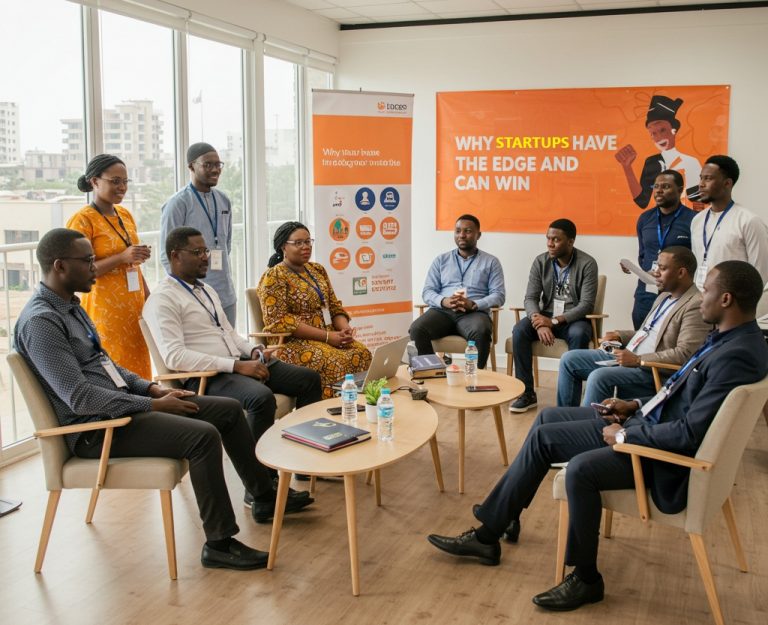
Artificial Intelligence is changing how the world works. From writing tools to design software, AI is no longer a luxury. It is becoming part of everyday life. But one region, often overlooked, has the perfect mix of talent, creativity, and opportunity to lead the next wave of AI innovation. That region is Africa.
Africa’s youth, culture, and unique challenges give it the kind of energy that the global AI scene needs right now. In this article, we’ll look at why Africa could become a true powerhouse for generative AI startups, and how local creativity can shape technology for everyone.
The Perfect Mix of Talent, Connectivity, and Ambition
Africa’s population is growing faster than anywhere else in the world. By 2050, it is expected to reach around 2.5 billion people, and more than 60% will be under 25. This isn’t just a number. It’s a pool of fresh thinkers, coders, designers, and dreamers who are ready to build the next big thing.
Access to affordable smartphones and internet connections has created a huge opportunity for digital learning and entrepreneurship. Ten years ago, it was rare to see someone in Lagos or Nairobi building an AI app. Today, young Africans are experimenting with ChatGPT, Stable Diffusion, and other open-source tools to solve local problems.
This combination of curiosity, ambition, and access to knowledge makes Africa the ideal testing ground for generative AI projects that reflect real human needs.
Turning Challenges Into Advantages
Africa faces many challenges. Infrastructure gaps, limited funding, and regulatory hurdles can make building a startup difficult. Yet, these same challenges often push entrepreneurs to think differently.
When power is unreliable, developers work on lightweight AI models that use less energy.
When internet speed is slow, startups design apps that can run offline.
When languages are diverse, innovators create multilingual AI systems that can understand local dialects.
Instead of trying to copy Western solutions, African founders are building tools that fit real life in their communities. This mindset gives them a unique edge. It also shows that innovation doesn’t always come from abundance. Sometimes it comes from necessity.
One good example is the rise of AI-driven education tools that help students learn math or English in their own language. Another example is using AI to support farmers by analyzing soil data, weather, and crop health through simple phone messages. These are real-world applications that make a difference.
The Future of AI Companions and Digital Connection
The next step for AI is not only about automation. It’s also about connection. Around the world, people are turning to AI companion platforms to communicate, learn, or find emotional support. Africa, with its strong storytelling tradition, is perfectly suited to lead this movement.
Imagine virtual companions that speak Swahili, Yoruba, or Amharic, and tell stories based on local culture. These tools could blend empathy with creativity, making technology feel truly human.
One interesting example is Fantasy AI, an ai companion platform where users can create AI characters and companions that feel alive and personal. The idea isn’t just about entertainment. It’s about how technology can reflect emotion, language, and identity.
In Africa, this could mean designing AI companions that sound and act like real people from local communities. They could share folk tales, teach history, or even help people practice communication skills. This mix of tradition and technology has huge potential.
Learning From Africa’s Startup Ecosystem
Africa has already shown that it can create world-class tech companies. Think of Flutterwave, Andela, or M-Pesa. Each of them started with a simple idea: solve a local problem that affects millions of people.
Generative AI can follow the same path. African entrepreneurs have three natural advantages:
- Local insight – They understand real needs and cultural nuances.
• Lean building – They know how to create efficient, affordable solutions.
• Community strength – Word-of-mouth and social trust are powerful growth drivers.
Nigeria’s Data Scientists Network (DSN), for instance, is already training thousands of students in AI and machine learning. In Kenya, the AI Kenya community connects young engineers to projects in healthcare and fintech. Across the continent, more people are learning by building. That’s how real ecosystems grow.
Generative AI and Social Inclusion
AI can be more than just a business opportunity. It can also drive inclusion. Millions of people in Africa still struggle to access education, healthcare, or mental health support. Generative AI can help fill these gaps.
- Education: AI tutors can explain lessons in multiple languages, adapting to each student’s learning pace.
• Healthcare: Simple AI chat tools can offer basic health information where clinics are far away.
• Mental Health: Platforms with virtual companions can offer emotional support to people who feel isolated.
Imagine a young person in Ghana building a personal mentor through an AI companion to practice English or learn new skills. That kind of connection can change lives.
Innovation From Within
Companies like Tekedia have often highlighted the value of African innovation. Articles like “Planning to Expand Your Business to Africa” and “The Limits of Technology” discuss the importance of building tech solutions that match local realities.
Generative AI is the next chapter in that story. It’s where African creativity, necessity, and talent come together.
For more context, you can explore other Tekedia insights:
- Planning to Expand Your Business to Africa
- The Limits of Technology
- AI and the Future of Work in Africa.
A Shift From Consumers to Creators
Africa no longer needs to be a consumer of global AI tools. The time has come to create homegrown solutions that fit African life.
Startups and developers should focus on models that understand local languages, social norms, and user needs. This is how Africa can lead the global conversation on AI.
Platforms like Fantasy AI show what’s possible when creativity meets technology. By designing ai companion platforms and virtual companions that feel authentic and culturally rich, Africans can build a new kind of AI experience that speaks to the world.
Conclusion
The world doesn’t need another Silicon Valley. It needs fresh perspectives, real diversity, and creativity that connects technology with people. Africa can offer exactly that.
Generative AI is not just about machines writing or drawing. It’s about giving people new tools to express themselves. No one understands the power of storytelling and community better than Africans. With the right investment and belief, the next great AI revolution could start right here.
Author Bio
Georgi Todorov is the founder of Create & Grow, a digital agency that helps businesses build authority and achieve sustainable growth online. With more than 10 years of experience in the agency world, Georgi has developed a results-driven approach that goes beyond traditional SEO. Create & Grow specializes in link building, digital PR, brand mentions, and optimization for AI systems, delivering transparent strategies that turn online visibility into measurable success.