

Shifting Definitions of Luxury
Luxury has long been associated with exclusivity, heritage, and high price tags. Yet today’s consumers are questioning whether those markers truly define value. Increasingly, people are drawn to brands that prioritise transparency, sustainability, and individuality over mere status symbols. This shift reflects a broader cultural movement where luxury is no longer about owning what others cannot, but about choosing what feels personally meaningful.
The Rise of Conscious Consumerism
One of the strongest forces driving this change is conscious consumerism. Shoppers are more informed than ever, and they expect brands to align with their values. Sustainable sourcing, fair labour practices, and eco-friendly production are now essential considerations. Jewellery, fashion, and lifestyle purchases are being evaluated not only for their beauty but also for the integrity behind their creation. Early in this journey, many consumers are encouraged to check out Cullen Jewellery, a brand that exemplifies how modern luxury can embrace responsibility without sacrificing elegance.
Personalisation Over Prestige
Customisation as a New Standard
Consumers increasingly favour personalised experiences. From bespoke jewellery to tailored fashion, the ability to co-create or customise products has become a hallmark of modern luxury. This trend challenges the traditional notion that luxury must be uniform and recognisable. Instead, individuality is celebrated, and owning something unique carries more weight than displaying a logo.
Emotional Connection
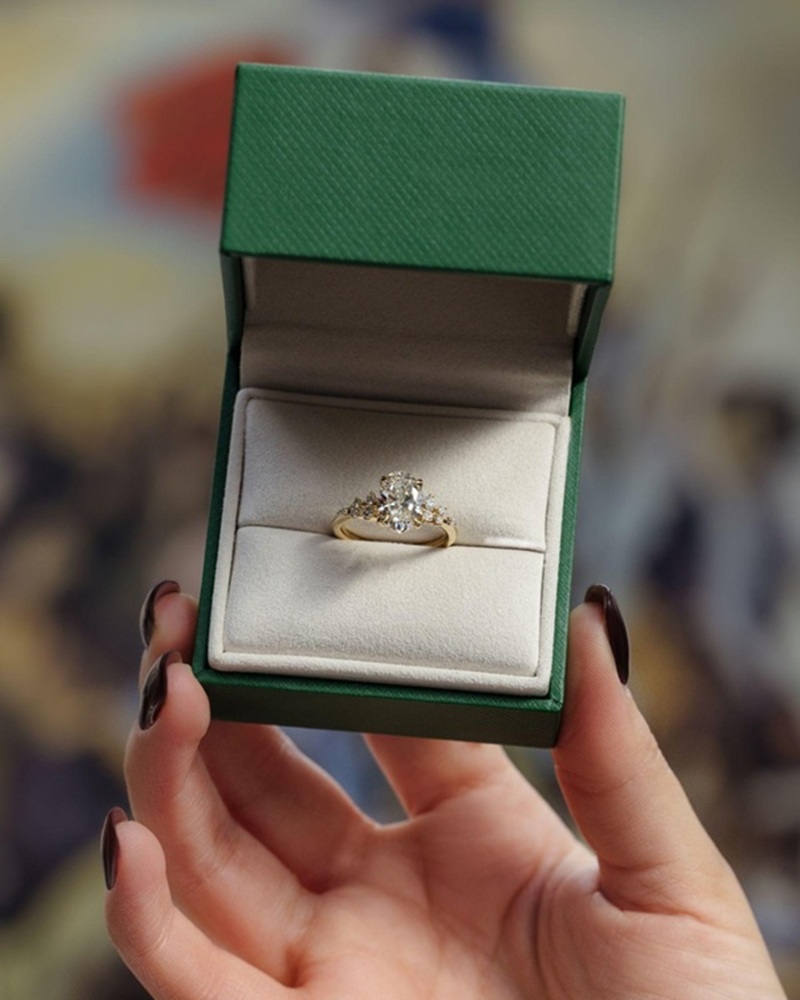
Luxury purchases are now expected to tell a story. Whether it is a ring symbolising a relationship or a piece crafted with sustainable materials, the emotional resonance of an item often outweighs its monetary value. This deeper connection is reshaping how people define prestige.
Technology’s Role in Redefining Luxury
Digital platforms have democratised access to luxury. Online showrooms, virtual consultations, and transparent supply chains allow consumers to explore and evaluate brands more thoroughly. Social media has also amplified voices calling for accountability, making it harder for traditional luxury houses to rely solely on reputation.
Sustainability as the New Status Symbol
Eco-Friendly Materials
Lab-grown diamonds, recycled metals, and sustainably sourced gems are gaining traction as consumers demand alternatives to traditional mining practices. These innovations not only reduce environmental impact but also resonate with buyers who want their purchases to reflect responsible choices.
Long-Term Value
Sustainability is increasingly equated with durability and timelessness. Consumers are moving away from fast fashion and disposable trends, preferring investment pieces that endure both physically and stylistically.
The Future of Luxury Purchases
The redefinition of luxury is not a rejection of beauty or craftsmanship. Instead, it is a recalibration of priorities. Consumers want products that embody artistry, responsibility, and authenticity. Brands that adapt to these expectations will thrive, while those clinging to outdated notions of exclusivity risk losing relevance.