

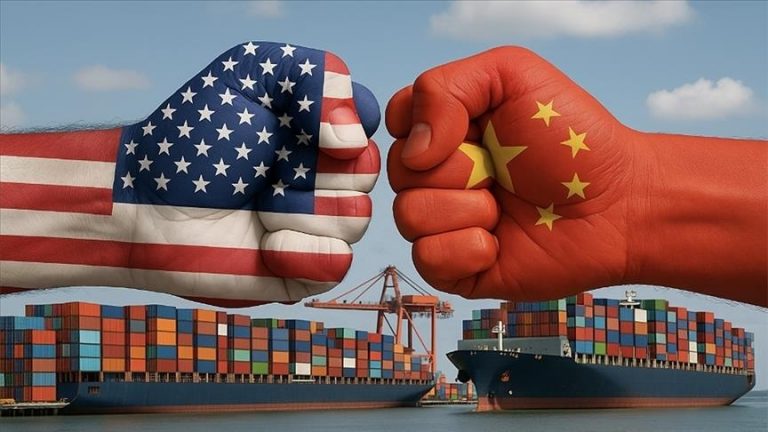
Tensions between the United States and China are entering another potentially dangerous phase as Washington expands economic pressure on Iran and threatens countries that continue trading with Tehran.
Beijing has strongly rejected the latest U.S. sanctions campaign, warning that it will take necessary measures to defend its interests if American restrictions begin to seriously affect Chinese businesses. The confrontation could transform the Iran sanctions dispute into a broader U.S.-China economic conflict.
The immediate dispute centers on Iran’s oil trade. China remains Iran’s largest customer and accounts for a substantial majority of Iranian oil exports.
Independent Chinese refineries, commonly known as teapots, have continued purchasing Iranian crude, often through complicated trading and payment arrangements designed to reduce exposure to U.S. financial restrictions.
Register for the next Tekedia Mini-MBA.
Register for Tekedia AI in Business Masterclass.
Join Tekedia Capital Syndicate and co-invest in great global startups.
Washington has increasingly focused on these networks as it attempts to deprive Tehran of the revenues needed to sustain its economy and military capabilities. The U.S. Treasury recently announced a new round of sanctions targeting dozens of individuals, companies and vessels connected to Iran.
Some Chinese and Hong Kong-based entities have already appeared in American sanctions actions, although Washington has so far avoided directly targeting major Chinese financial institutions. That restraint reflects the potentially enormous consequences of escalating against China’s banking system and broader economy.
Beijing’s response has been deliberately forceful. Chinese officials argue that unilateral sanctions lack legitimacy and have called for negotiations rather than economic coercion. China’s Foreign Ministry has also warned that Beijing will take necessary measures to safeguard its legitimate rights and interests.

While this language does not necessarily signal an immediate retaliation, it establishes a clear warning that China may respond if Washington pushes further. One possible area of retaliation is trade. China has previously demonstrated its ability to restrict access to strategically important commodities.
Particularly critical minerals that are essential to advanced manufacturing, electronics, batteries and defense industries. Beijing could also intensify enforcement against American companies operating in China or introduce regulatory measures that increase costs for U.S. businesses.
Financial retaliation could be even more significant. If Washington were to sanction major Chinese banks involved in Iranian trade, Beijing could accelerate efforts to expand yuan-based international transactions and alternative payment systems.

Such a response would not immediately displace the dollar, but it could contribute to the gradual fragmentation of the global financial system. Energy markets would also face increased uncertainty. Any disruption to Iranian oil flows could tighten global supply, particularly if tensions affect shipping through the Strait of Hormuz.
Higher oil prices could then feed into inflation, transportation costs and monetary policy decisions worldwide. The timing makes the dispute particularly sensitive. Washington and Beijing are already managing disagreements over trade, technology and strategic competition.
A major confrontation over Iran could make diplomatic engagement more difficult, especially with a U.S.-China summit approaching. China has strong incentives to avoid an uncontrolled escalation, but it also has strong reasons to resist Washington’s attempt to determine which countries can trade with Iran.
The coming weeks will therefore test whether both powers can separate the Iran crisis from their broader rivalry. If Washington expands sanctions toward China’s major banks or strategic industries, Beijing’s warning could become action, creating a confrontation whose economic consequences extend far beyond Iran.