

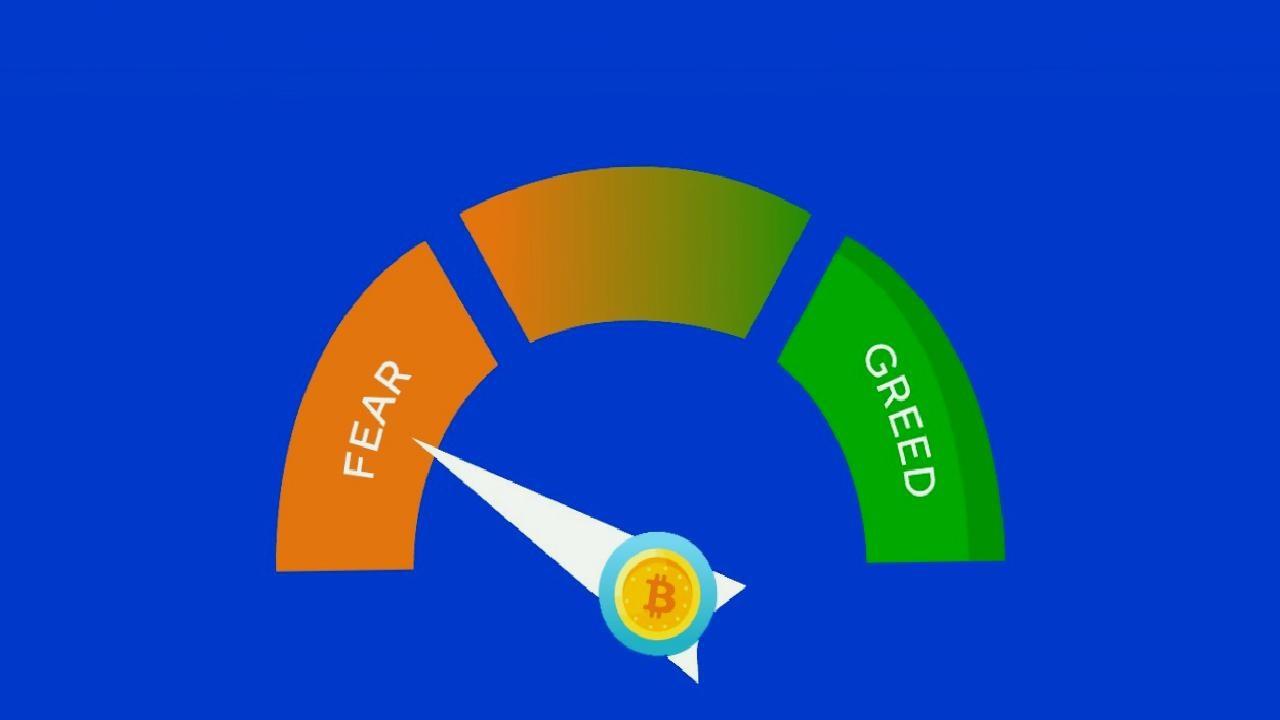
The CNN Fear & Greed Index for the US stock market stands at 26, which falls in the Fear category typically 25–44, but it’s teetering right on the edge of Extreme Fear (0–24).
The index has been declining recently: it was around 33 one week ago and 51 (Neutral) one month ago. This low reading signals that fear is currently driving the market, with investors showing signs of skittishness amid recent declines.
Major indices reflected this sentiment today: The Dow was down ~0.95% to 47,501, the S&P 500 down ~1.33% to 6,740, and Nasdaq down ~1.59% to 22,388 (based on concurrent market data). The index aggregates seven equally weighted indicators, many of which are pointing bearish right now: Market momentum — S&P 500 below its 125-day moving average.
Stock price strength — More 52-week lows than highs. Stock price breadth — Weak volume in advancing stocks. Put/call options — Elevated put buying (bearish protection). Market volatility — VIX and volatility elevated. Safe haven demand — Bonds outperforming stocks.
Register for Tekedia Mini-MBA edition 20 (June 8 – Sept 5, 2026).
Register for Tekedia AI in Business Masterclass.
Join Tekedia Capital Syndicate and co-invest in great global startups.
Register for Tekedia AI Lab.
Junk bond demand — Spreads indicating caution on riskier debt. Historically, readings this low near or in Extreme Fear often mark periods of capitulation where stocks can become oversold, potentially setting up contrarian buying opportunities for long-term investors—though timing is never guaranteed, and further downside is possible if negative catalysts persist.
Sentiment can shift quickly with new data or market moves. The CNN Fear & Greed Index (for the US stock market) ranges from 0 (Extreme Fear) to 100 (Extreme Greed), compiled since around 2011-2012 using seven equally weighted indicators like volatility (VIX), put/call ratios, market breadth, momentum, and safe-haven demand.
Historical extremes highlight periods of intense investor sentiment, often acting as contrarian signals—extreme fear frequently coincides with market bottoms; oversold conditions, potential buying opportunities, while extreme greed often precedes corrections or tops (overbought euphoria).
The index has reached 0 at various points in its history based on comprehensive data from 2011 onward. Notably: It hit a reading of 2 on March 12, 2020, during the COVID-19 market crash; one of the most severe plunges on record, with the S&P 500 dropping sharply before a massive recovery rally of over 100% in the following 18 months.

Other ultra-low readings include single digits or near-zero during major panics, such as levels around 4 in April 2025 amid a significant selloff, and 12 in September 2008 during the Global Financial Crisis (post-Lehman Brothers collapse, when stocks hit multi-year lows).
Recent lows: Readings as low as 14 (November 2025), 17 (one year ago from March 2026), and 21 in late 2025. The highest recorded value is 97 (from aggregated historical stats through 2026), with values above 90 marking extreme greed. Examples include surges over 90 in September 2012 (post-Fed quantitative easing rally) and repeated highs in late 2021 (pre-2022 bear market).
Other notable peaks: Around 90+ in January 2018 (before the “Volmageddon” volatility spike) and extended “extreme greed” periods in mid-2025 (July-August), when markets hit all-time highs before reversing. Overall Stats (from 2011–2026 data, ~3,817 days).
Days in Extreme Fear (0-24): ~15% of the time Days below 10: 128 days. Days in Extreme Greed (75-100): Notable but less frequent than fear periods in bearish cycles. Extreme readings are rare but memorable—extreme fear has historically clustered during crises; 2008, 2020, and more recent dips in 2025, often marking capitulation points where long-term investors find value.

Conversely, prolonged extreme greed tends to signal complacency and vulnerability to pullbacks. For the most accurate and up-to-date historical chart, check sources like the official CNN page or third-party trackers like finhacker.cz or MacroMicro, which provide interactive timelines back to 2011. Sentiment can flip rapidly with new events.