

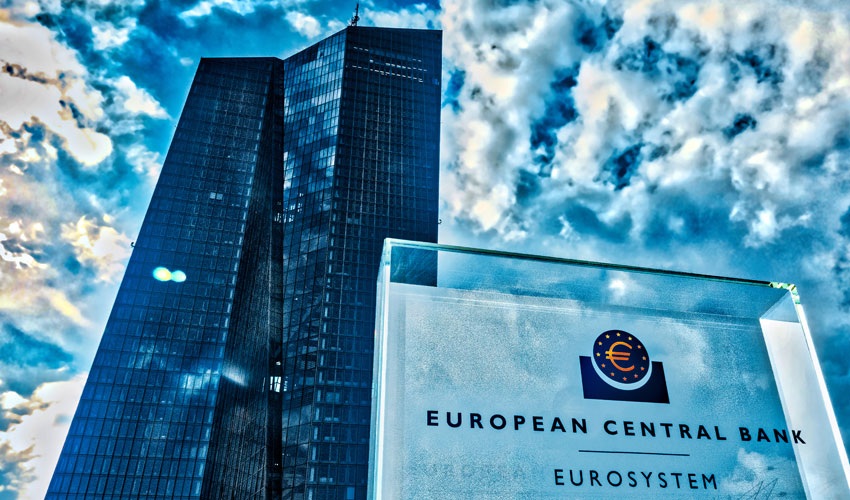
European Central Bank (ECB) Executive Board member Isabel Schnabel has signaled that the euro zone is likely to face additional interest rate increases, arguing that policymakers cannot afford to relax their inflation fight simply because oil prices have retreated following a U.S.-Iran ceasefire agreement.
Her comments back the ECB’s determination to keep monetary policy tight even as financial markets reassess the inflation outlook after the recent easing in geopolitical tensions. The remarks also underscore growing concern within the central bank that energy prices, which surged during the conflict, could continue feeding inflationary pressures for longer than initially expected.
The ECB became the first major central bank to tighten monetary policy this month after the Middle East conflict triggered another sharp jump in energy prices. Although crude oil has since fallen following the diplomatic breakthrough between Washington and Tehran, investors still expect the ECB to raise borrowing costs at least once more before the end of the year.
Register for the next Tekedia Mini-MBA.
Register for Tekedia AI in Business Masterclass.
Join Tekedia Capital Syndicate and co-invest in great global startups.
Schnabel made clear that, in her assessment, the inflation battle is not yet won.
“From today’s perspective, we will need to raise interest rates further in order to bring inflation back to our 2% target over the medium term,” she told German newspaper Die Zeit.
She added that policymakers would remain data-dependent rather than commit to a predetermined path.

“However, the extent and timing of further measures will depend on how the conflict, the economy and inflation evolve.”
This indicates that the ECB remains focused on preventing temporary energy shocks from becoming entrenched in wages, prices, and inflation expectations across the euro area. The remarks also appear to contrast with comments made earlier this week by ECB President Christine Lagarde, who suggested policymakers did not currently see the need for a more aggressive policy response.
Lagarde had said on Monday that she did not see the need for “a more forceful policy response at this stage.”

Analysts at Societe Generale interpreted Schnabel’s interview as an effort to rebalance market expectations following Lagarde’s remarks, arguing that the ECB board member was effectively rowing back from what they described as the president’s “faux pas.”
Markets remain divided over when the next increase will come.
Money markets currently assign roughly a one-in-three probability to another rate hike at the ECB’s July 22-23 policy meeting. Investors see September as the more likely timing for the next increase, with some expecting one final move sometime next year if inflation remains persistent.
However, not all economists believe the ECB will move as aggressively as markets expect.
“Our view remains that markets are overstating the likely extent of ECB tightening,” said Mark Haefele, Chief Investment Officer at UBS Global Wealth Management.
“Our forecast is for a final rate hike in September, with the recent decline in oil prices making a July increase unlikely.”
Inflation outlook following the Middle East conflict has been mired in debate. While oil prices have retreated significantly since the ceasefire agreement, policymakers remain concerned that elevated energy costs could continue filtering through supply chains, transportation costs, and consumer prices over the coming months.
That cautious approach was echoed earlier this week by ECB Chief Economist Philip Lane, who warned that inflation could remain above the central bank’s 2% target for an extended period even if peace in the Middle East endures.
Lane nevertheless argued that the situation still calls for a measured rather than aggressive policy response, suggesting the ECB intends to continue tightening gradually while closely monitoring incoming economic data.
The ECB’s stance, however, is seen as a reflection of a broader challenge confronting central banks globally. Although geopolitical tensions have eased, policymakers remain wary that inflation could prove more persistent than markets anticipate, particularly if businesses continue passing higher energy and operating costs on to consumers.
For households and businesses across the euro zone, additional rate increases would mean higher borrowing costs for mortgages, consumer loans, and corporate financing, even as economic growth remains subdued. At the same time, policymakers believe that maintaining price stability remains essential to preserving long-term economic confidence and preventing inflation from becoming permanently embedded in the economy.
With inflation still above target and uncertainty surrounding global energy markets lingering, the ECB appears prepared to prioritize price stability over short-term growth concerns, keeping the prospect of further monetary tightening firmly on the table in the months ahead.