

Germany is deepening its support for Ukraine as the war enters another phase in which battlefield technology and the resilience of civilian infrastructure are becoming increasingly important. Two developments announced this week underline Berlin’s broader strategy.
The start of mass production of thousands of medium- and long-range combat drones for Ukraine and an additional €250 million contribution toward urgent repairs to the country’s damaged energy infrastructure.
The drone initiative marks a significant step in Europe’s effort to strengthen Ukraine’s domestic and European-backed defence production.
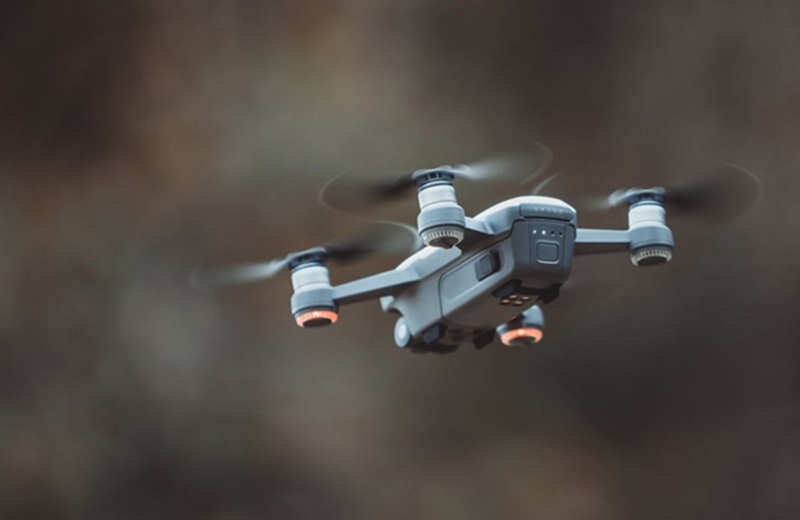
US-German defence company Auterion said mass production of more than 5,000 medium- and long-range combat drones has begun at a site near Munich. The scale of the programme demonstrates how unmanned systems have moved from being a supplementary capability to becoming a central component of modern warfare.
Register for the next Tekedia Mini-MBA.
Register for Tekedia AI in Business Masterclass.
Join Tekedia Capital Syndicate and co-invest in great global startups.
Drones have transformed the battlefield in Ukraine. Relatively inexpensive unmanned systems can be used for reconnaissance, surveillance, targeting and attacks, allowing military forces to strike at distances while reducing the risks faced by personnel.
Medium- and long-range platforms can also give Ukraine greater flexibility in targeting military assets and responding to threats beyond the immediate frontline. For Germany, the programme represents more than a military-industrial investment.
It reflects a broader European recognition that Ukraine requires sustained access to advanced weapons and ammunition as the conflict continues.
Increasing production inside Germany could also help reduce dependence on fragmented supply chains and improve the speed with which military equipment reaches Ukrainian forces.

The energy component of Germany’s assistance addresses a different but equally important dimension of the war. Berlin is providing another €250 million to help finance urgent repairs to Ukraine’s energy infrastructure.
Russia’s repeated attacks on power-generation facilities, transmission networks and other critical infrastructure have made energy security one of Ukraine’s most persistent vulnerabilities.
Restoring damaged infrastructure is essential not only for keeping homes supplied with electricity and heating but also for maintaining hospitals, communications, industry and other essential services.

Energy stability directly affects Ukraine’s ability to sustain its economy and maintain basic living conditions during wartime. The combination of military and energy assistance illustrates the breadth of Ukraine’s requirements.
Weapons can help defend territory and deter attacks, but a country cannot sustain a prolonged war without functioning infrastructure and an economy capable of supporting its population.
Germany’s latest commitments therefore address both the battlefield and the civilian foundations needed to withstand continued pressure. The Munich drone production effort may also have implications beyond the immediate conflict.
Europe has spent years debating how to expand defence manufacturing capacity after decades of relatively restrained military spending. Ukraine’s experience has demonstrated the importance of rapidly scalable production.
Particularly for drones and other technologies that can evolve quickly on the battlefield.
The €250 million energy package reinforces Germany’s role in helping Ukraine withstand attacks against critical infrastructure. The two measures signal that European support is increasingly focused on long-term resilience rather than short-term emergency assistance.
As the war continues, Ukraine’s security will depend on a combination of battlefield capability, industrial capacity and infrastructure resilience. Germany’s latest commitments demonstrate an attempt to strengthen all three.
The production of more than 5,000 combat drones near Munich and the additional funding for Ukraine’s energy network represent different forms of assistance, but they ultimately serve the same objective: enabling Ukraine to maintain its ability to defend itself and function under sustained wartime pressure.