

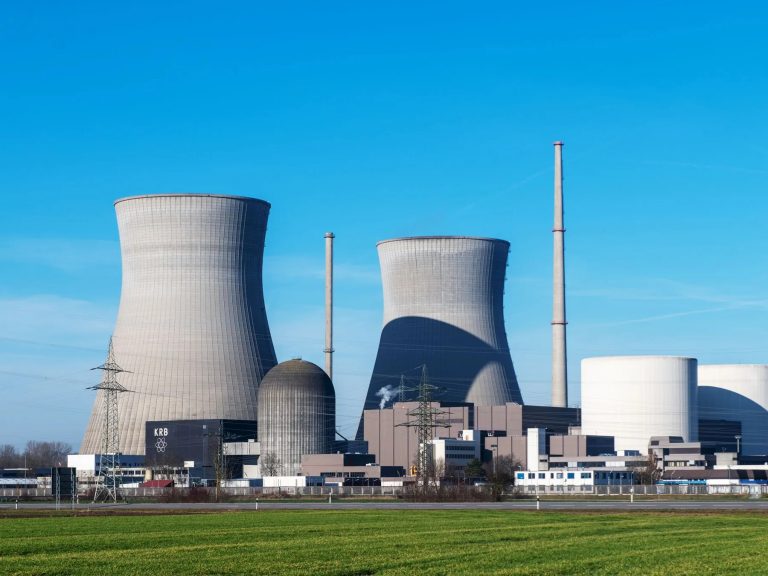
Google parent Alphabet is nearing a multiyear agreement to purchase nuclear power from Constellation Energy in a deal worth at least $1 billion, as the technology industry turns increasingly to nuclear generation to secure reliable electricity for power-hungry artificial intelligence infrastructure.
The agreement could be announced as soon as this week, Bloomberg News reported on Monday, citing people familiar with the matter. The potential deal would deepen Google’s efforts to secure long-term electricity supplies as the rapid expansion of AI computing drives demand for data centers and puts pressure on power grids.
Google and Constellation did not comment on the deal.
Register for the next Tekedia Mini-MBA.
Register for Tekedia AI in Business Masterclass.
Join Tekedia Capital Syndicate and co-invest in great global startups.
The proposed agreement would add to a series of nuclear power arrangements being pursued by major technology companies. The shift reflects a growing recognition that the expansion of AI is becoming as much an energy and infrastructure challenge as a computing one.
AI data centers require large amounts of electricity around the clock, particularly as companies deploy more powerful chips and build larger clusters for training and running AI models. Unlike intermittent renewable sources, nuclear plants can provide relatively steady electricity generation, making them attractive to technology companies seeking predictable power for long-lived data center investments.
Google has been among the technology companies most aggressively pursuing nuclear energy as part of its strategy to secure low-carbon electricity for its expanding computing infrastructure.

Last year, the company partnered with NextEra Energy to support the restart of an Iowa nuclear power plant. Google also signed an agreement last month with Southern Co. to support upgrades at two of the utility’s nuclear plants. The potential Constellation agreement would broaden that strategy by securing power directly from one of the largest nuclear operators in the United States.
The importance of such arrangements extends beyond electricity procurement. Google is rapidly expanding data center capacity to support its cloud business and AI systems, including Gemini. Securing power over multiple years can provide greater certainty when planning new computing facilities and reduce exposure to volatile wholesale electricity prices.
The approach also highlights a fundamental constraint facing the AI industry: computing capacity cannot expand indefinitely without corresponding increases in electricity generation and transmission infrastructure.

Technology companies have increasingly begun making direct or long-term commitments to power producers because conventional grid expansion can take years. New data centers can be constructed relatively quickly compared with power plants, transmission lines and other energy infrastructure needed to support them.
That mismatch is creating pressure for technology companies to secure electricity before they build.
Nuclear Power Becomes Central to AI Infrastructure
The growing interest in nuclear energy represents a significant change in the relationship between the technology and energy industries.
For years, technology companies focused primarily on securing renewable energy through solar and wind projects as they sought to reduce the carbon intensity of data center operations. Nuclear power is now receiving greater attention because it combines low operational carbon emissions with continuous generation.
The economics are now relevant for AI workloads. Large AI facilities can operate around the clock and require highly reliable electricity. Interruptions can affect thousands of processors and potentially disrupt expensive computing workloads.
Nuclear plants therefore offer an attractive combination of reliability, scale, and relatively predictable generation.
But the challenge is that the United States has limited ability to add large amounts of new nuclear capacity quickly. Building conventional reactors can take many years and requires substantial capital, while existing plants have become increasingly valuable as electricity demand rises. That has encouraged companies such as Google, Microsoft and Amazon to pursue arrangements involving existing nuclear facilities as well as projects aimed at bringing additional nuclear capacity online.
Constellation has already emerged as a major beneficiary of this trend. The company has previously reached power agreements with Amazon and Microsoft, linking its nuclear fleet to some of the world’s largest technology companies.
Microsoft, for example, agreed last year to purchase power from the Three Mile Island nuclear facility in Pennsylvania as part of an effort to support the restart of the plant for data center demand.
Amazon has also reached agreements involving nuclear generation, reflecting the broader competition among hyperscalers for reliable electricity.
AI is Changing The Economics of Electricity
The emerging nuclear deals indicate that the AI boom is creating new demand not only for semiconductors and data centers but also for the underlying physical infrastructure required to operate them.
The world’s largest technology companies are committing hundreds of billions of dollars to AI infrastructure. That spending is increasingly colliding with constraints on electricity generation, grid connections and land.
Power availability has consequently become a factor in determining where new data centers can be built. This is expected to strengthen the bargaining position of electricity producers with access to reliable generation. Existing nuclear plants, in particular, can become valuable because they already have generation capacity, grid connections and operating licenses.
For technology companies, securing that capacity through long-term contracts can provide greater certainty than relying entirely on wholesale electricity markets. It can also help companies meet their carbon-reduction goals. Nuclear power produces electricity without direct carbon emissions, allowing data centers to consume large amounts of power without relying entirely on fossil-fuel generation.
However, nuclear procurement does not eliminate the broader environmental and infrastructure questions surrounding AI. Data centers still require substantial land, cooling systems, and grid infrastructure, while nuclear plants face their own regulatory, safety, and waste-management requirements.
The deals also raise questions about how electricity should be allocated as AI demand accelerates. Large technology companies are now able to enter long-term contracts worth billions of dollars, potentially changing the economics of local power markets and influencing which industries can secure future capacity.
A New Competition for Reliable Power
Google’s potential agreement with Constellation shows that the AI infrastructure race is extending into the electricity sector. The competition is not just about who can obtain the most advanced processors or build the largest data center. Companies also need to secure enough electricity to keep those facilities running at scale.
That need has become more pronounced as AI models become more computationally intensive and companies move from training systems toward operating millions of AI agents and applications continuously.
The potential Google-Constellation agreement therefore represents more than a corporate power purchase. It is part of a broader shift in which technology companies are becoming major participants in the energy market, securing long-term access to generation assets to support their AI ambitions.
If completed, the deal would bolster Google’s position among the major technology companies turning to nuclear power and add further momentum to an emerging relationship between hyperscalers and nuclear operators.
As AI investment continues to accelerate, securing electricity is becoming as important to technology companies as securing chips and data center space. Nuclear power, once viewed largely through the lens of traditional utility demand and energy policy, is now becoming a critical component of the infrastructure supporting the next phase of the AI boom.