

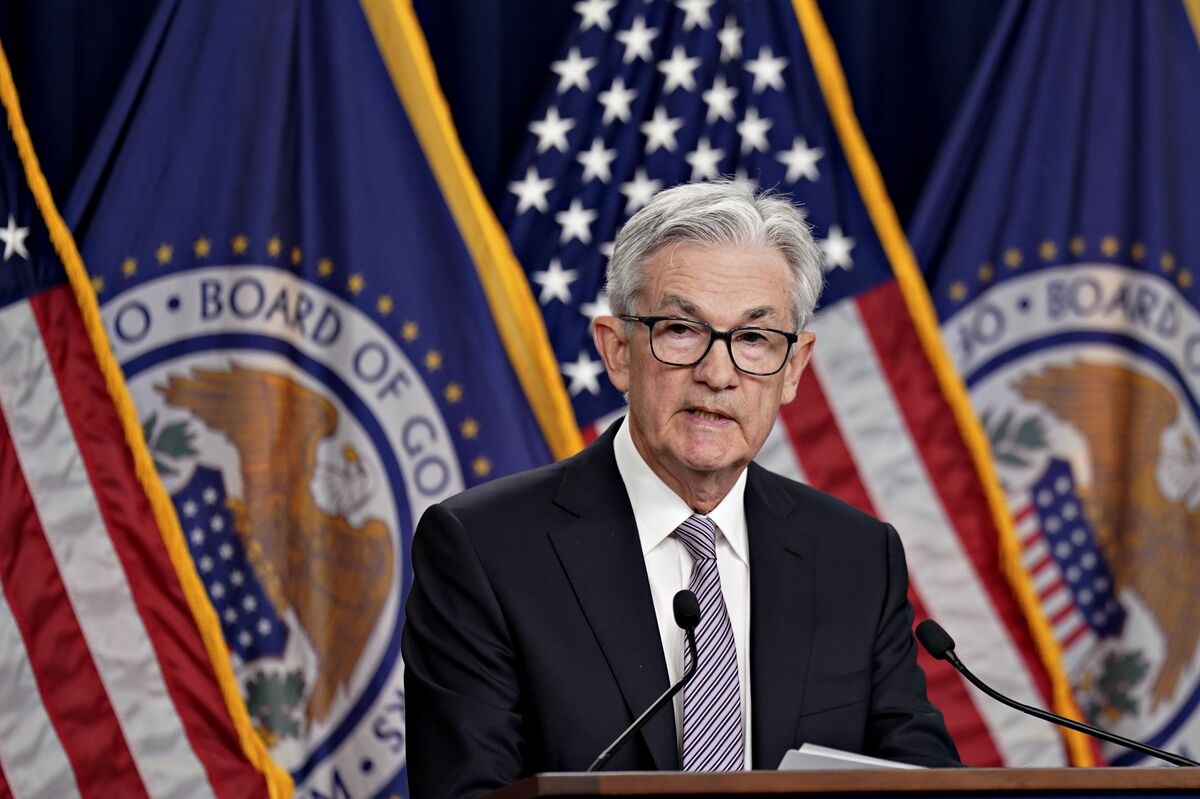
Federal Reserve Chair nominee Kevin Warsh will likely struggle to deliver the aggressive interest rate cuts demanded by President Donald Trump, as surging oil prices and persistent inflation constrain the central bank’s room for maneuver, according to the latest CNBC Fed Survey.
Respondents to the survey, which includes some of Wall Street’s most closely watched economists and strategists, showed markedly reduced expectations for monetary easing. On average, they forecast the federal funds rate will end this year at just 3.5% — only 0.14 percentage points below current levels. Just 58% of the 26 respondents expect a rate cut in 2026.
For 2027, the forecast points to a more modest easing, with the funds rate seen settling around 3.2%, implying fewer than two quarter-point cuts over the next two years. Business leaders believe the current crisis in the Middle East has put the Warsh in a difficult position.
Register for the next Tekedia Mini-MBA.
Register for Tekedia AI in Business Masterclass.
Join Tekedia Capital Syndicate and co-invest in great global startups.
“Fed Chair Nominee Warsh will probably be hamstrung delivering Trump the rate cuts the president wants because oil prices and inflation will remain higher than hoped for a long time,” said Rob Morgan, senior vice president and market strategist at MOSAIC.
The Iran conflict and the prolonged closure of the Strait of Hormuz have dramatically altered the economic backdrop. Survey participants now expect high crude prices to add 0.6 percentage points to inflation this year while shaving half a point off GDP growth. Notably, 81% believe the energy shock will also push up core inflation, which strips out volatile food and energy prices, making the Fed’s job significantly harder.
Inflation forecasts have been revised higher. The consumer price index is now expected to average 3.1% this year, up sharply from 2.7% in the previous survey. While CPI is seen moderating to 2.6% in 2027, the damage to near-term expectations is clear.

Despite the inflation bump, a majority (69%) still believe the Fed will look through the energy-driven spike and refrain from raising rates. However, Diane Swonk, chief economist at KPMG, argued the central bank needs to shift its messaging.
“The Fed needs to signal optionality on its next move in rates — it could be up instead of down,” she said.
Growth expectations have also deteriorated. GDP is now forecast to expand just 1.9% this year, down half a percentage point from January’s pre-war projection, with only a modest rebound to 2.1% expected in 2027. The unemployment rate is projected to rise modestly to 4.5% from the current 4.3% and hover there through next year. Economists now estimate the economy needs only about 62,000 jobs per month to hold the unemployment rate steady.

The probability of a recession remains elevated at 33%, little changed from the March survey. Peter Boockvar, chief investment officer at One Point BFG Wealth Partners, captured the prevailing mood, noting: “The war and its commodity and supply chain impact have left the Fed as just a spectator. I expect to hear from Powell’s presser a lot of ‘we’ll have to see.’”
Equity market expectations reflect the sober outlook. The S&P 500 is forecast to remain largely stagnant around current levels for the rest of this year before rising more meaningfully to around 7,700 in 2027.
Douglas Gordon of Russell Investments summed up the challenge facing both the current Fed leadership and its incoming chairman: “U.S. economic resilience, sticky inflation, and ongoing uncertainty argue against rate cuts, irrespective of who is chairing the Federal Open Market Committee.”
The survey paints a clear picture that even if Kevin Warsh is confirmed as the next Fed Chair, the combination of geopolitically driven energy costs and stubborn underlying inflation is likely to keep monetary policy tighter for longer than the White House would like.