

From the escalating confrontation between the United States and Iran to Israel’s approaching national election and the political shockwaves triggered by the dismissal of a key Ukrainian defence minister.
Recent developments demonstrate that modern conflicts are shaped as much by political leadership and public opinion as by military power. Across these three theatres, governments are being forced to balance battlefield objectives with domestic political realities.
Revealing how military decisions increasingly influence electoral outcomes, public trust, and long-term national strategy. The conflict between the United States and Iran has become a defining geopolitical crisis with consequences extending far beyond the Middle East.
Register for the next Tekedia Mini-MBA.
Register for Tekedia AI in Business Masterclass.
Join Tekedia Capital Syndicate and co-invest in great global startups.
Military exchanges, economic sanctions, cyber operations, and threats to global energy supplies have heightened uncertainty across international markets. While both sides have sought to project strength, domestic audiences remain equally important.
American leaders must justify rising military expenditures and overseas commitments to voters concerned about inflation, public debt, and domestic priorities.
Meanwhile, Iran’s leadership faces pressure to demonstrate resilience against foreign pressure while maintaining internal stability amid economic hardship. In both countries, military decisions are increasingly evaluated through the lens of political survival.
Illustrating that modern warfare is fought not only on the battlefield but also in public opinion. The regional implications of the US-Iran confrontation have become particularly significant for Israel.

With national elections approaching, security has once again become the dominant political issue. Political leaders are attempting to convince voters that they are best equipped to manage the country’s security challenges while maintaining strong alliances with international partners.
Any escalation involving Iran or its regional proxies has the potential to reshape campaign narratives overnight. Incumbent leaders often benefit from appearing decisive during periods of crisis, yet prolonged conflict or unexpected security failures can quickly erode public confidence.
Israeli voters therefore face a complex choice between continuity, aggressive deterrence, and alternative diplomatic approaches. As a result, military developments beyond Israel’s borders have become inseparable from its domestic political debate.
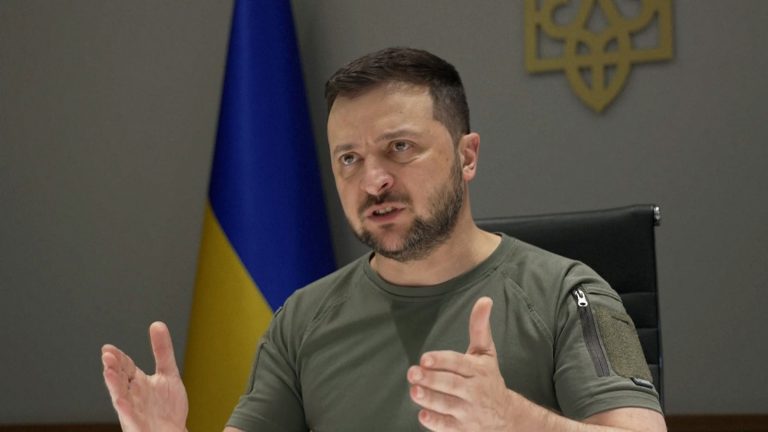
In Ukraine, political leadership is also undergoing significant transformation following the dismissal of a prominent defence minister.

Leadership changes during wartime inevitably raise questions about accountability, military effectiveness, and strategic direction. Governments frequently argue that such changes are necessary to improve efficiency, address procurement challenges, or restore public confidence.
Opponents often interpret these dismissals as evidence of political instability or internal disagreement. Maintaining the confidence of international allies remains just as important as preserving domestic support, since continued military assistance depends heavily on perceptions of competent governance and institutional integrity.
Public opinion has emerged as one of the most influential factors shaping these conflicts. Citizens now receive near-instant updates through digital platforms, making governments more vulnerable to shifts in public sentiment.
Images from battlefields, economic consequences, humanitarian crises, and political controversies can rapidly influence approval ratings and alter policy priorities. Leaders must therefore manage information, communicate strategic objectives clearly, and maintain public trust while responding to rapidly evolving security threats.
These developments highlight a broader transformation in international conflict. Military capability remains essential, but political legitimacy, effective leadership, and public confidence have become equally decisive.
The US-Iran confrontation, Israel’s election campaign, and Ukraine’s political restructuring each demonstrate that success in modern conflict depends on far more than battlefield victories.
Governments must simultaneously navigate military strategy, electoral politics, alliance management, and public expectations. As these crises continue to evolve, the interaction between war and politics will remain central to determining not only the outcome of individual conflicts.