

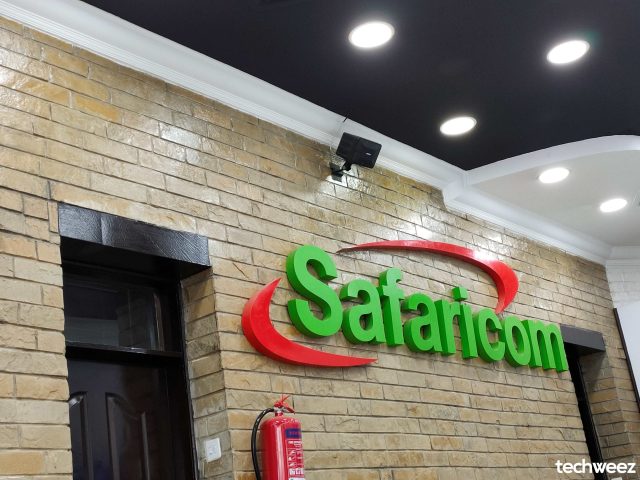
Kenya is selling a 15 percent stake in Safaricom to South Africa’s Vodacom in a deal valued at about $1.6 billion, marking one of the country’s biggest-ever divestments as President William Ruto’s government turns to asset sales to stabilize public finances.
Finance Minister John Mbadi confirmed the agreement on Thursday, saying the proceeds will serve as seed capital for Nairobi’s new national infrastructure fund and its sovereign wealth fund. To get there, the government will shrink its Safaricom ownership from 35 percent to 20 percent.
Ruto’s economic team is working within narrow margins. Public debt is high, revenue generation has slowed, and annual obligations are swallowing nearly 40 percent of government earnings. With this squeeze, the administration has little room to raise more taxes and has shifted its playbook toward selling stakes in major state-linked companies to plug upcoming funding needs.
Register for Tekedia Mini-MBA edition 20 (June 8 – Sept 5, 2026).
Register for Tekedia AI in Business Masterclass.
Join Tekedia Capital Syndicate and co-invest in great global startups.
Register for Tekedia AI Lab.
Safaricom is the biggest jewel in that basket. It is Kenya’s largest company by market capitalization and anchors daily trading on the Nairobi Securities Exchange. Its mobile money service, M-Pesa, underpins the country’s digital economy and has grown into one of the most influential financial products on the continent.
Vodacom, which already owns 39.9 percent of Safaricom through the Vodafone Kenya holding structure shared with parent company Vodafone, will pay 34 shillings a share, a 23.6 percent premium on the six-month weighted average. That valuation sets up a deal that analysts say is priced for control, a point underscored by Standard Investment Bank’s Eric Musau, who described it as a clear control premium.
Once completed, Vodacom’s stake will sit at 55 percent, giving the South African firm effective command of the telecom giant for the first time. Mbadi stressed that Vodacom will be required to keep Safaricom’s workforce, preserve its identity, and maintain its branding.

The government says the move is strategic and will allow it to recycle capital into assets that can generate long-term returns. Mbadi explained at the briefing that it is simply converting one asset into another, with plans to channel future returns into investments in roads, irrigation systems, energy plants, and upgrades to the main airport. The country is also preparing to sell shares in Kenya Pipeline Company in a public offering next year as part of its broader divestment programme.
Safaricom’s shares jumped more than 4 percent after the announcement to 29.25 shillings, while Vodacom slipped more than 2 percent in Johannesburg trading. Some analysts said the price pop reflected investor relief that the Kenyan state will still hold a sizeable, though smaller, position while freeing space for a deeper commercial partner.
The deal also reshapes the regional telecom map. Vodacom already operates in Tanzania, the Democratic Republic of the Congo, and other markets, and gaining control of Safaricom strengthens its presence in eastern Africa.

One of the biggest draws is Ethiopia, where Safaricom launched services in 2022 after winning a licence to challenge the state-run Ethio Telecom. Ethiopia has more than 120 million people and is seen as one of Africa’s most promising digital frontiers. Vodacom’s increased stake gives it more influence over how Safaricom deploys capital there, especially as competition heats up and the Ethiopian government continues to open the telecom space gradually.
The financial structure of the deal also offers Nairobi an immediate boost. Alongside the equity sale, Vodacom will pay 40.2 billion shillings upfront for the rights to future dividends on the state’s remaining shares. That lump sum provides the government with fresh cash even before any divestment proceeds flow into the new funds. The transaction still needs approval from regulators and parliament.
Kenya’s decision to part with part of its most profitable company is a sign of how tight its fiscal environment has become. Rising global borrowing costs, limited access to cheap credit, and a string of heavy external redemptions have forced the administration to rethink how it manages major state assets. Safaricom’s steady earnings and dominant market position made it an obvious candidate to attract interest from a buyer with deep pockets. LSEG data shows its shares are widely held by offshore funds, including Norges Bank, HSBC, and Mobius-linked investors.
Vodacom has signaled that it does not plan to launch a full takeover once the acquisition is complete and will ask regulators for exemptions that would allow it to stop short of a mandatory offer. That stance is intended to calm concerns about market concentration, though the company’s new control level will draw close scrutiny from authorities. The government, now reduced to a 20 percent owner, says that stake still gives it sway over the strategic direction of the firm.
The move also sets a precedent for how Kenya might handle similar companies in the future. With public finances strained and external conditions still unfriendly, the administration’s room to manoeuvre is shrinking. Safaricom’s value, stability, and continental reach made it the easiest place to start the asset-sale cycle.