DD
MM
YYYY

PAGES

DD
MM
YYYY

spot_img

PAGES

Home Blog Page 1421

Nigeria’s Opportunity in the Age of De-globalization

0

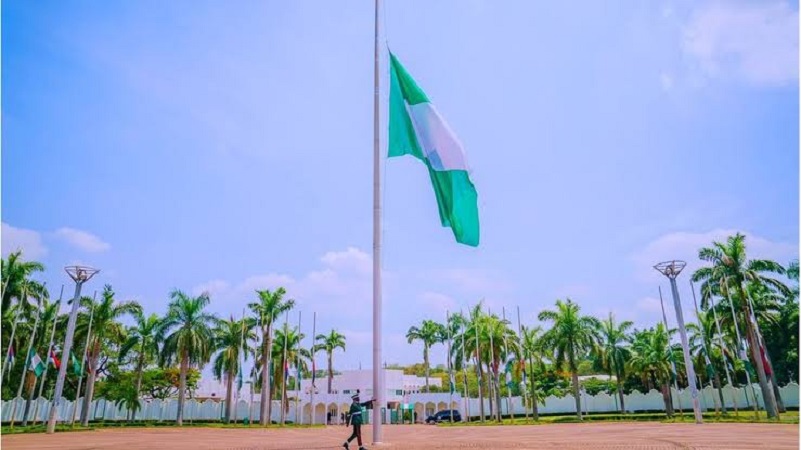
The world needs markets and a large population is strategic. Many centuries ago, India was the world’s most dominant economy. Then, China came on and ruled the earth economically. In the last 10 centuries, China has run the show at least six times. The Tang dynasty. The Song dynasty. All transformed currency and the core principle of mercantilism. That we do not know the dominance of China and India centuries ago is largely because in Africa, Britain and France wrote the books we used in secondary schools!

China made mistakes and lost its global positioning. But later, it reconnected and the rest is history. I have written extensively on China and the lessons for Africa in Harvard Business Review: “In its attempts to industrialize, Africa has looked toward China’s success. China designed and executed a policy that shrank the industrialization process in a mere 25 years — something many economies took at least a century to do. That redesign has brought immense dislocation in global commerce and industry, enabling China to become one of the world’s leading economies. African leaders have been pursuing policies designed to mimic China’s path. But despite these efforts, Africa has yet to advance in its industrialization at the same speed China did. Put simply, the things that worked for China will not work for Africa. Africa must change its focus: …”

But as America re-strategizes for its future, and both Europe and China adjust, one country could make a definitive decision, to become a haven of opportunity. Yes, Nigeria has the population and through “Contract With The World” could offer a destination for markets. That means we must find immediate solutions to the paralysis of insecurity, and deal once and for all with the turbulence of currency depreciation. Get a czar to run that “Contract with the World”, a theme for all nations with Nigeria as the nucleus.

Get me: if the world loses the US market, companies will seek for new destinations. Nigeria has most of the things they need except purchasing power and some core stable indicators. If our leaders commit right now to reposition the nation via fundamental reforms on platforms of commerce, low flat fee for local manufacturing, etc, a new dawn will emerge. This is our time!

Inaugural Address by Ndubuisi Ekekwe, President, LinkedIn Nation

Trump Announces 104% Tariff Against China, Deepening Global Economic Concerns As Beijing Vows to “Fight to the Very End”

0

By noon on Wednesday, the United States had officially launched its most punishing round of tariffs against Chinese goods, with an unprecedented 104% cumulative duty taking effect. It marks a dramatic escalation in what has become a volatile and ideologically charged trade war, one that economists warn could reshape global commerce for years.

U.S. President Donald Trump, defending the move as a long-overdue correction to what he described as “decades of unfair trade practices,” signed off on a last-minute 50% hike Tuesday night. That comes on top of an already existing 20% baseline duty and an additional 34% increase imposed earlier this year, bringing the net effective tariff on Chinese goods to 104%.

In an immediate and fiery response, China’s state broadcaster issued a stark warning just as the tariffs kicked in: “China will strike back and fight to the very end.” The message, broadcast in Mandarin and translated by several Chinese news outlets, reflects the growing resolve in Beijing to respond forcefully.

At a press conference shortly after the announcement, Chinese Foreign Ministry spokesman Lin Jian accused Washington of pursuing a strategy of economic intimidation.

“We have stressed more than once that pressuring or threatening China is not a right way to engage with us,” Lin said. “China will firmly safeguard its legitimate rights and interests.”

While officials stopped short of announcing concrete countermeasures, Beijing’s language was unambiguous. Experts believe retaliation is imminent and could hit the U.S. where it hurts most — not necessarily through tariffs, but via more sophisticated channels like restricting access to rare earth minerals, slashing purchases of U.S. debt, or squeezing U.S. tech firms operating in China.

“China can pull the rug out from under the U.S. economy anytime it wants. There’s no need to retaliate with tariffs, which hurts themselves. As our biggest supplier and one of our largest lenders, if they really want to hurt us, delivering a financial crisis is a knockout punch,” said Peter Schiff, chief economist at Euro Pacific Capital.

Why 104%? Trump’s Case for Economic Justice

In defending the drastic tariff, Trump described the move as an act of “economic sovereignty,” claiming that America has for too long tolerated structural trade imbalances, particularly with China.

“These countries are calling me, kissing my as*, they are dying to make a [trade] deal…” Please please sir let me make a deal, I’ll do anything, I’ll do anything, sir,” the president said on Tuesday.

Treasury Secretary Scott Bessent echoed that line, suggesting on CNBC that the White House has “received inquiries from 70 countries” interested in new trade agreements — though he did not clarify whether those discussions included revisiting the current tariffs.

Trump’s key trade advisor, Peter Navarro, took an even more hardline stance, saying on Friday that tariffs are “non-negotiable” and a “necessary correction.” Navarro also dismissed calls for compromise, stating that “real negotiations begin only after the other side feels the pain.”

But business leaders and economists warn that the tariffs will do more harm than good as the pain is already being felt by American consumers, manufacturers, and global markets.

U.S. stocks plummeted Tuesday following the announcement. The Nasdaq Composite fell 2.15%, while the S&P 500 dropped 1.57% and the Dow Jones lost 0.84%. Apple, which is heavily reliant on China for manufacturing, saw its stock price fall sharply, losing nearly $300 billion in market capitalization over the last four sessions. Asian markets followed suit, with Japan’s Nikkei 225 falling 4% and South Korea’s Kospi entering bear market territory.

Citi, one of the world’s largest financial institutions, revised its growth forecast for China downward to 4.2% from 4.7%, citing the strain from U.S. tariffs and the growing uncertainty for exporters.

“The U.S. has consistently run annual trade surpluses in services,” Peter Schiff noted. “By Trump’s logic that means the U.S. has been cheating and ripping off other nations. Should those nations retaliate with reciprocal tariffs on U.S. services to level the playing field?”

Jamie Dimon, CEO of JPMorgan Chase, has also cautioned against overplaying the tariff hand. “Trade wars don’t have clean winners,” he said at an investment forum in New York last month. “We’re risking a global slowdown at a time when markets are already under stress.”

The imposition of a 104% tariff on Chinese goods has been described as “dumb” by many American business leaders, who believe it wouldn’t make Beijing budge.

“I worry that Trump has backed himself into a corner with 104% tariffs. China is going to respond with additional retaliation,” said freight expert, Craig Fuller. “This is a country that shut off their entire economy and did military-style lockdowns during COVID.”

Musk vs. Navarro: A Rift in Trump’s Circle With Underlying Message

The backlash hasn’t just come from traditional economic voices. Elon Musk, who has become an increasingly prominent figure in Trump’s orbit, lashed out publicly at Peter Navarro this week, calling the trade advisor a “moron” and “dangerously dumb.”

Musk’s comment, posted on X, reflects mounting concern among executives with global supply chains. Tesla, Apple, and other U.S. tech giants have made significant investments in China-based production over the past decade — all now at risk.

Though Musk did not explicitly condemn the tariffs, his attack on Navarro signals tension even among those who typically align with Trump’s economic vision. Musk is widely seen as a leading voice on Trump’s advisory panels on crypto and innovation policy and has had direct input on matters ranging from AI regulation to space exploration.

Apple and Others Scramble to Reroute Supply Chains

Companies are now racing to adjust. Apple, for instance, has begun shifting significant production to India, where tariffs currently stand at a more manageable 26%. According to The Wall Street Journal, nearly half of U.S. iPhone demand could soon be met by India-made devices. But the transition won’t be seamless — Apple is still deeply reliant on Chinese manufacturers for key components.

As a preemptive move, Apple ramped up shipments before the tariffs hit, though analysts say that strategy buys little more than time. Consumers may soon face higher retail prices if the company can’t absorb the added costs.

Smaller firms, meanwhile, lack the flexibility or cash reserves to pivot quickly. For them, the new tariffs could prove fatal.

No Off-Ramp in Sight

The Trump administration insists the tariffs are a negotiating tactic, but so far, no negotiations appear to be underway. For instance, Vietnam offered o% tariffs on U.S. goods and services in a push to address Trump’s concerns. But it was rejected, with Navarro saying on Monday that it would not be enough for the administration to lift its new levies announced last week.

“Let’s take Vietnam. When they come to us and say ‘we’ll go to zero tariffs,’ that means nothing to us because it’s the nontariff cheating that matters,” Navarro said on CNBC’s “Squawk Box.”

Chinese officials have repeatedly questioned Washington’s sincerity, suggesting that current actions reflect “no serious interest in talks.”

If China stays true to its decision to “strike back”, a full-scale trade rupture — with global supply chains, financial markets, and bilateral relations in the balance — may soon follow.

The G7’s Express “Deep Concern” Over China’s Military Drills Around Taiwan

0
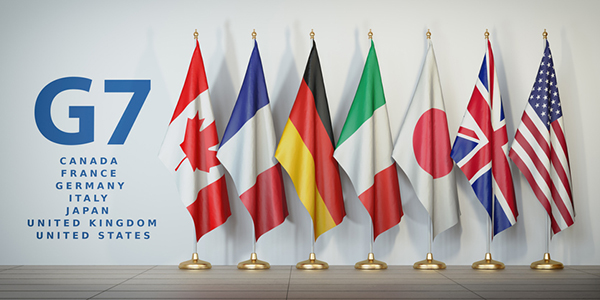
G7 summit or meeting concept. Row from flags of members of G7 group of seven and list of countries, 3d illustration

The G7 Foreign Ministers, representing Canada, France, Germany, Italy, Japan, the United Kingdom, and the United States, along with the High Representative of the European Union, issued a joint statement expressing “deep concern” over China’s recent large-scale military drills around Taiwan. They described these actions as “provocative” and noted that the increasingly frequent and destabilizing activities are heightening tensions across the Taiwan Strait, posing risks to both global security and prosperity. The G7 emphasized their collective interest, alongside the broader international community, in maintaining peace and stability in the region, opposing any unilateral attempts to alter the status quo through force or coercion.

The G7’s statement signals that China’s actions are perceived as a direct challenge to the stability of the Taiwan Strait, a critical geopolitical flashpoint. This could lead to an escalation in military posturing, not just from China, but also from the U.S., Japan, and other regional allies who have strategic interests in countering Beijing’s assertiveness. The joint statement underscores a coordinated Western response, aligning major economies against China’s actions. This unity could embolden further diplomatic or economic measures, such as sanctions or trade restrictions, if China persists or escalates its military activities.

By labeling the drills “provocative” and opposing unilateral changes to the status quo, the G7 is implicitly warning China of potential consequences. This could strain China’s relations with G7 nations, particularly in areas like trade, technology, and climate cooperation, where Beijing seeks collaboration. The G7’s support for peaceful resolution and stability bolsters Taiwan’s international standing, even though it isn’t formally recognized as a sovereign nation by most G7 members. This could encourage Taiwan to maintain its defensive posture while relying on implicit backing from Western powers.

The G7’s vocal stance might provoke a sharper response from China, which views Taiwan as a non-negotiable part of its territory. If Beijing interprets this as interference, it could double down on military exercises or take more aggressive steps, increasing the risk of an unintended conflict. The Taiwan Strait is a vital artery for global trade, especially semiconductors, with Taiwan producing over 60% of the world’s chips. Any escalation could disrupt supply chains, rattle markets, and exacerbate existing economic pressures, a concern the G7 explicitly tied to “global prosperity.”

Taiwan’s Position

Taiwan views itself as a self-governing democracy, officially named the Republic of China (ROC), with a distinct identity and political system separate from the People’s Republic of China (PRC). Its stance on the current situation with China’s military drills is rooted in a mix of defiance, caution, and reliance on international support: Taiwan’s government, led by President Lai Ching-te of the Democratic Progressive Party (DPP), staunchly rejects Beijing’s claim that it is a province of China. In response to the drills, Taiwan has condemned them as threats to its sovereignty and regional peace. It has deployed its own military forces, including air and naval patrols, to monitor and counter China’s actions, signaling readiness to defend itself.

Taipei has urged China to cease provocative actions, framing them as destabilizing to the region and a violation of international norms. Taiwan’s Ministry of National Defense has publicly tracked and reported on Chinese military movements, emphasizing transparency to rally global attention. Taiwan welcomes statements like the G7’s, seeing them as validation of its position and a deterrent against Chinese aggression. While it lacks formal diplomatic recognition from most nations, Taiwan leverages soft power and economic importance—especially its dominance in semiconductor production—to secure informal support from the U.S., Japan, and others.

China’s Position

China, under the leadership of the Chinese Communist Party (CCP) and President Xi Jinping, considers Taiwan an inseparable part of its territory, a core element of its “One China” principle. Its stance on the drills and the broader Taiwan issue is uncompromising and assertive: Beijing frames the military exercises as a legitimate response to perceived provocations, such as Taiwan’s growing ties with the U.S. (e.g., arms sales, official visits) and the DPP’s pro-independence rhetoric. China insists that reunification—by force if necessary—is a historical inevitability and a national priority.

The large-scale drills, often involving dozens of warplanes, naval vessels, and simulated blockades, are designed to demonstrate China’s military capability and willingness to act. They serve as a warning to both Taiwan and its supporters, particularly the U.S., against crossing Beijing’s red lines. China has dismissed the G7’s statement as interference in its internal affairs, arguing that Taiwan is a domestic issue beyond the jurisdiction of foreign powers. The PRC’s Foreign Ministry typically accuses critics of “hypocrisy” and “hegemonism,” claiming the drills are defensive measures to protect its sovereignty.

The fundamental disconnects lies in their irreconcilable views: Taiwan sees itself as a de facto independent entity with the right to self-determination, while China views it as a breakaway province that must be reclaimed. The drills—and the G7’s reaction—highlight this impasse, with Taiwan leaning on international sympathy and China doubling down on military pressure. Neither side shows willingness to back down, making the status quo a tense balancing act sustained by deterrence and diplomacy.

With the U.S. as a G7 member and a key player in the region, this statement reinforces Washington’s hardline stance against China. It could further sour bilateral ties, complicating efforts to address other global issues like climate change or nuclear proliferation. In short, the G7’s position amplifies the stakes in an already volatile situation, signaling both resolve and a call for de-escalation, while setting the stage for a complex interplay of diplomacy, military strategy, and economic considerations.

Dominance of Volkswagen (VW) in the German EV Market and Tesla’s Declining Sales Carry Significant Implications

0

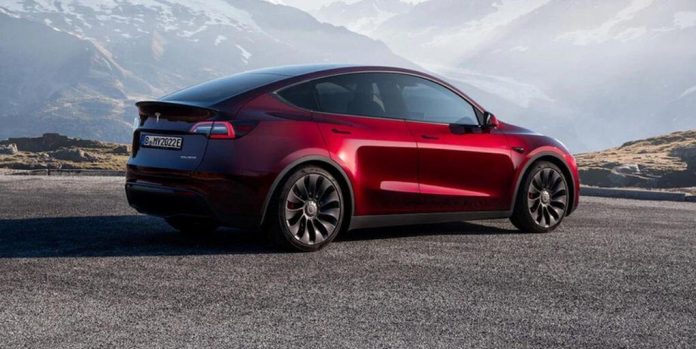
Recent trends in the German electric vehicle (EV) market show Volkswagen (VW) taking a strong lead while Tesla experiences a decline in sales. In the first quarter of 2025, Volkswagen has emerged as the top-selling electric car brand in Germany, with its vehicles dominating new registration figures. Data from Germany’s Federal Motor Transport Authority (KBA) indicates that VW registered 25,393 purely electric cars between January and March 2025, far outpacing Tesla, which recorded only 4,935 new registrations in the same period—a significant drop that places Tesla in eighth place among EV manufacturers in Germany.

This shift highlights VW’s firm grip on the market, bolstered by its diverse lineup of electric models from brands like VW, Skoda, Audi, and Seat, which collectively hold a substantial share of new EV registrations. Tesla’s sales in Germany have seen a sharp decline, with a reported 62.2% drop in the first quarter of 2025 compared to the same period in 2024. This downturn contrasts with an overall increase of 38.9% in new electric vehicle registrations in Germany during the same timeframe, suggesting that the broader EV market remains robust despite Tesla’s struggles.

Several factors may be contributing to Tesla’s decline, including an aging model lineup, increased competition from German automakers like VW and BMW (which registered 10,315 EVs in Q1 2025), and potential backlash against Tesla CEO Elon Musk’s political activities, such as his support for Germany’s far-right Alternative fu?r Deutschland (AfD) party. Meanwhile, Volkswagen’s strong performance underscores its ability to capitalize on local market preferences and stricter CO2 emissions targets, solidifying its dominance in the German EV landscape as of early 2025.

VW’s lead strengthens Germany’s position as a powerhouse in the automotive sector, particularly in the transition to electric mobility. This could translate into sustained job growth in manufacturing, R&D, and supply chains, especially in regions like Lower Saxony, where VW is headquartered. It also reinforces confidence in German engineering amid global competition. Tesla’s sales drop in Germany, a key European market, may force the company to rethink its pricing, production, and marketing strategies. With its Berlin Gigafactory operational, Tesla’s declining market share could lead to underutilized capacity, impacting profitability and potentially prompting cost-cutting measures or shifts in focus to other regions.

The shift suggests German consumers may prefer locally produced EVs, possibly due to brand loyalty, better alignment with local needs (e.g., smaller, more affordable models), or incentives favoring domestic manufacturers. This could influence other European markets, where VW also has a strong presence. VW’s success, alongside BMW’s solid performance, intensifies competition in the EV sector. This could accelerate innovation as Tesla, once a market leader, faces pressure to refresh its aging lineup (e.g., Model 3 and Model Y) and counter offerings like VW’s ID. series or BMW’s i4 and iX. Smaller players or new entrants may struggle to keep pace.

VW’s dominance may reflect a more robust supply chain strategy, leveraging local suppliers and avoiding the disruptions Tesla has faced globally (e.g., shipping delays or semiconductor shortages). This could push other automakers to localize production further, reshaping global EV supply networks. VW’s investment in battery technology and software (e.g., through its PowerCo subsidiary and partnerships) might be paying off, giving it an edge over Tesla’s reliance on its established but less diversified tech ecosystem. This could set a precedent for integrated, scalable EV platforms.

VW’s rise aligns with the European Union’s push for self-sufficiency in critical technologies like EVs and batteries, reducing reliance on foreign firms like Tesla or Chinese manufacturers e.g., BYD, which is also gaining traction. This could bolster EU subsidies and regulations favoring European automakers, amplifying VW’s advantage. Tesla’s sales decline may partly stem from Elon Musk’s vocal support for Germany’s AfD party, which has alienated some consumers and drawn scrutiny from German regulators. This highlights how corporate leadership’s political stances can impact market performance, especially in politically sensitive regions.

If Tesla’s European foothold weakens, it could cede ground to European and Chinese competitors in the global EV race. Germany’s market trends might signal a broader shift, with implications for Tesla’s dominance in the U.S. and its ambitions in Asia, where VW and others are also expanding. VW’s dominance could stabilize Germany’s EV adoption trajectory, supporting the country’s 2035 goal to phase out combustion engines. However, Tesla’s decline might dent its brand prestige, prompting a response—perhaps a price war or new model launches—that could disrupt the market again.

UK MARKET: How Personal Values Shape Our Views on Fast Fashion and Sustainability

0

Clothing oneself is as essential as food for sustaining the body and prolonging life. However, clothing production is typically divided into two categories: fast fashion and sustainable fashion. Fast fashion involves the use of materials that are not environmentally friendly, along with consumers’ irresponsible use and disposal of clothing. In contrast, sustainable fashion prioritizes eco-friendly materials and processes. Every step in sustainable fashion is designed to minimize harm to the environment and ensure that the needs of future generations are not compromised.

Several reports have highlighted the global growth of fast fashion in contrast to sustainable fashion. One such report indicates that the international fast fashion market was valued at over USD 60 billion in 2022 and is expected to surpass USD 170 billion by 2030. According to a recent McKinsey report, 40% of U.S. and 26% of U.K. consumers shopped at fast fashion giants Shein or Temu in 2023.

Climate activists and other stakeholders have consistently argued that the fast fashion industry is responsible for a significant amount of global waste. This has created a tension between the fast fashion and sustainable fashion industries, with consumers caught in the middle. As our analysis of the views expressed by interviewed UK consumers indicates, there is a clear tension between affordability and ethical consumption, as well as concern for the environment.

For many of us, our personal beliefs and values not only influence how we think about fast fashion brands and their sustainability initiatives, but also shape how we interact with the clothes we wear.

The Skepticism Behind the Hype

A prevailing sentiment among conscious consumers is one of deep skepticism. We’ve seen brands release “green” collections and issue sustainability reports, but when their core business model thrives on overproduction, low-wage labor, and resource-intensive supply chains, these efforts often feel disingenuous. “Greenwashing” is no longer a fringe accusation—it’s a widely acknowledged marketing strategy.

For those of us who prioritize sustainability and fairness, it’s not enough to slap a recycled label on a t-shirt. We’re demanding transparency, genuine reform, and a shift in priorities. As one respondent put it, “True sustainability means addressing the root issues, overproduction, worker exploitation, and waste, and making meaningful, transparent changes.”

Ethics Over Excess

Personal values like fairness, responsibility, and environmental stewardship play a critical role in how we evaluate fast fashion. For many, these aren’t abstract ideals—they’re guiding principles. “I believe that businesses have a duty not just to make a profit, but to do so ethically,” said one person, reflecting a broader view that profit should not come at the cost of human rights or ecological damage.

This ethical stance often translates into intentional consumer behaviour. While some are committed to reducing their fast fashion purchases or avoiding them altogether, others are choosing quality over quantity. “I will always support quality over quantity,” one response read, a philosophy that not only promotes longevity in clothing but inherently resists the fast fashion cycle of disposability.

The Affordability Dilemma

However, values don’t exist in a vacuum, and ethical intent often collides with economic reality. Sustainable clothing can be prohibitively expensive. Many consumers are torn between wanting to do the right thing and being able to afford it. “I wish I could partake sustainably, but I can’t afford it,” one person admitted. Others echoed similar frustrations, revealing a painful awareness of the ethical compromise they feel forced to make.

It’s a reminder that the sustainability conversation must also address accessibility. If sustainable fashion is only available to those with disposable income, it will never become a widespread solution. Fast fashion’s appeal lies in its affordability and convenience; unless sustainable alternatives can offer comparable benefits, ethical shopping will remain a privilege, not a norm.

Not Everyone Is Thinking About It

Interestingly, not all consumers are driven by values when it comes to fashion choices. Some admit they’ve never thought about the sustainability of the brands they buy from. Others prioritize comfort, style, or price, with little regard for ethical concerns. “I’m not that big on sustainability. I buy based on fashion appeal,” one respondent said bluntly. For these individuals, fast fashion serves a functional or stylistic purpose that outweighs moral considerations.

This spectrum of awareness and concern is a crucial insight. While some are deeply influenced by environmental ethics or labor practices, others are either disengaged or unaware. There’s still a gap in education and outreach, and brands have a role to play in helping close it, not through performative marketing, but through genuine engagement and transparency.

The Emotional Tug-of-War

Even among those who are aware, fast fashion can trigger a conflicted emotional response. Guilt and frustration are common. “I feel guilt over purchasing fast fashion, but not enough to completely stop,” one person shared. This emotional tug-of-war illustrates just how complex the issue is. Values may guide intention, but budget, convenience, and habit often guide action.

Still, there’s hope in incremental change. Many consumers are making conscious efforts to reduce their purchases, buy secondhand, or support local artisans. Some are simply buying less. These actions may seem small, but collectively they send a powerful message: consumers are watching, thinking, and acting.

Toward a More Responsible Fashion Future

Fast fashion isn’t going away tomorrow, but our collective mindset is shifting. The way people talk about their clothing choices today (with self-awareness, critique, and a desire for change) signals a growing demand for a better system.

For brands, this means the bar is rising. A sustainability initiative can no longer be a footnote in a CSR report. It needs to be embedded in the entire business model. Transparency, fairness, quality, and long-term environmental impact must be at the core, not just for show, but for real.