DD
MM
YYYY

PAGES

DD
MM
YYYY

spot_img

PAGES

Home Blog Page 16

Amazon Pays €510m to Settle Tax Dispute, But Faces Escalating Criminal Prosecution in Italy

0

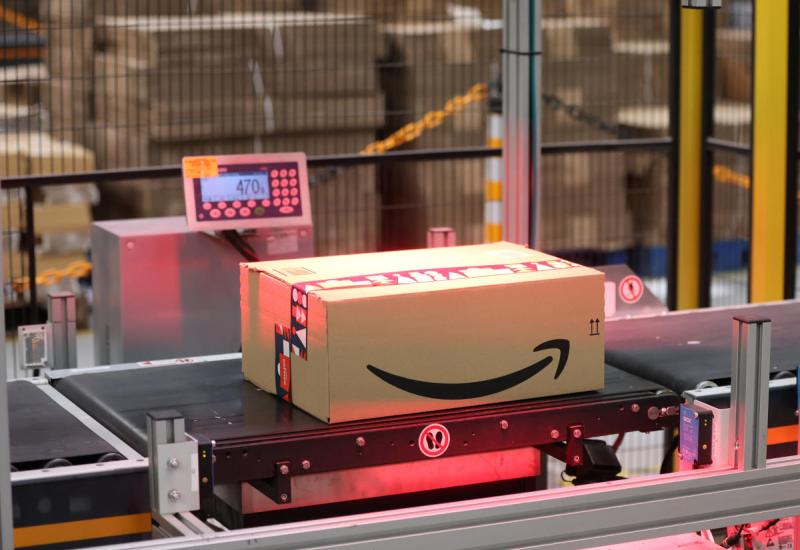
Amazon has reached an agreement with Italy’s tax collection agency to pay 510 million euros (approximately $582 million) to resolve a major tax dispute covering the period 2019-2021.

However, this civil settlement has failed to appease judicial authorities, as Milan’s prosecutors have taken the highly unusual step of publicly disagreeing with the accord and vowing to continue their parallel criminal investigation into the U.S. technology giant.

The 510 million euro settlement was concluded with the Italian Revenue Agency (Agenzia delle Entrate) and addresses tax liabilities stemming from Amazon’s operations, particularly concerning where profits were booked versus where sales took place. The figure represents about 43% of the €1.2 billion in alleged tax evasion Milan prosecutors suspect is linked to the 2019-2021 period.

This is not the first time Amazon has settled a major tax case in Italy. In 2017, the company paid €100 million to resolve disputes dating back to 2011-2015. More recently, an Italian Amazon logistics unit settled a separate probe into alleged tax fraud and illegal labor practices earlier this month by paying approximately €180 million and dismantling a controversial algorithm-based delivery staff monitoring system.

This total of over €720 million paid in recent years underlines the aggressive stance Italian authorities have taken toward taxing multinational tech firms.

Despite the significant civil payment, the Milan Prosecutor’s Office is pushing forward with its criminal probe. This unusual split suggests a fundamental disagreement between the administrative tax body and the judicial branch over the severity and extent of the alleged fraud. Prosecutors, who suspect evasion potentially reaching €1.2 billion and perhaps €3 billion when penalties and interest are factored in, are expected to wrap up their investigation—which places Amazon’s Luxembourg-based European unit and three executives under scrutiny—early next year.

Amazon confirmed the settlement without specifying the amount, but issued a strong rebuke against the ongoing judicial action. The company stated it “will forcefully defend our position on the potential ungrounded criminal case.”

Furthermore, Amazon criticized the regulatory climate, arguing that “Unpredictable regulatory environments, disproportionate penalties, and protracted legal proceedings are increasingly affecting Italy’s attractiveness as an investment destination.”

The Core of the Criminal Allegations: VAT Evasion

The heart of the ongoing criminal investigation involves suspected Value-Added Tax (VAT) fraud related to cross-border e-commerce transactions, specifically concerning non-EU third-party sellers on the Amazon marketplace.

Under Italian law, since 2019, e-commerce platforms like Amazon are held jointly responsible for the non-payment of VAT by non-EU sellers who use their marketplace to sell goods directly to Italian customers. This law, which anticipated a broader EU-wide reform (DAC7) implemented in 2021, aims to standardize VAT collection and prevent tax losses.

Prosecutors allege that between 2019 and 2021, Amazon failed to collect and remit VAT on behalf of these non-EU sellers, many of whom are Chinese, allowing them to evade Italian tax. The total value of the transactions under scrutiny is substantial, potentially posing a direct challenge to Amazon’s core marketplace business model across Europe if the allegations are upheld. The investigation focuses on whether Amazon’s operational algorithms and structures intentionally facilitated the evasion of these obligations.

Multiple Fronts of Scrutiny

The tax dispute is merely one component of Amazon’s growing legal exposure in Italy. Milan prosecutors are currently conducting at least two other, separate, and active investigations into the company’s activities:

  • Second Tax Evasion Probe: A new investigation focusing on alleged tax evasion covering the more recent period of 2021 to 2024.
  • Customs and Tax Fraud Probe: A separate investigation centered on alleged customs and tax fraud involving the importation of goods from China. This probe examines whether proper customs duties and taxes were applied to products crossing EU borders.

The relentless scrutiny in Italy, which is mirrored by increased regulatory intensity across the European Union, underscores the global effort to ensure that digital economy profits are taxed appropriately where sales occur, rather than being routed through low-tax jurisdictions.

LemFi Strengthens U.S. Presence With 14 New Money Transmitter Licenses

0

LemFi, a fintech company known for providing fast and low-cost international money transfers for immigrants, has expanded its regulatory footprint in the United States by securing 14 new State Money Transmitter Licenses (MTLs).

This major milestone enhances the company’s operational control, speeds up processing, and broadens its ability to offer compliant financial services across key states such as Illinois, Michigan, and Arizona.

In its announcement, LemFi expressed that obtaining the new licenses represents a significant step forward in its mission to deliver safe, reliable, and fully compliant financial solutions to immigrant communities.

The newly acquired MTLs covering states including Illinois, Michigan, Arizona, Oregon, and Delaware, now allow the company to move money directly under state regulatory oversight, improving transparency and creating a smoother user experience.

According to Janine Ross, Group Head of Compliance at LemFi, she stated that securing the licenses underscores the company’s commitment to trust and regulatory adherence.

In her words,

“Obtaining our own licenses is about trust just as much as it is compliance. Our customers depend on us for security and transparency when moving their money, and these licenses demonstrate that we’re building a financial ecosystem with regulation and customer protection at its core. This milestone allows us to serve our U.S. customers with greater autonomy and confidence. It strengthens our infrastructure, speeds up processing, and ensures our users can send and manage funds under the highest regulatory standards.”

The United States plays a pivotal role in the global remittance landscape. Home to 52 million diasporans over 15% of the national population it remains the world’s largest remittance-sending country. In 2023 alone, an estimated $93 billion was sent from the U.S. to families and communities worldwide.

With its new licenses, LemFi is positioned to reach millions more who need trusted and regulated channels to support their loved ones abroad. This expansion builds on the company’s existing base of over two million users worldwide.

LemFi’s U.S. licenses join a growing list of international regulatory approvals. The company holds an Electronic Money Institution (EMI) license and an FCA credit license in the United Kingdom, a Payment Institution (PI) license in Ireland, and a Money Service Business (MSB) license in Canada.

These licenses complement LemFi’s strategic partnerships with GCash (Philippines), UBL (Pakistan), eSewa (Nepal), and ClearBank (UK), further strengthening its global network.

Notably, this development also follows recent regulatory progress in Asia, where the Central Bank of Nepal approved LemFi’s partnership with eSewa, Nepal’s leading digital payments platform, aimed at enhancing remittance services for Nepali migrants.

Founded in 2020 by Ridwan Olalere and Rian Cochran, LemFi formerly known as Lemonade Finance, continues to address one of the biggest challenges faced by immigrants: access to seamless and affordable financial services.

With its fast-growing user base across Africa, North America, and Europe, LemFi is reshaping how immigrants move money across borders, offering convenience, speed, and cost-efficiency in a sector that has historically lagged behind technological advancement.

Backed by top investors including Y Combinator, Microtraction, and Left Lane, the company is rapidly expanding across Africa and Europe. LemFi’s mission remains focused on improving the financial lives of the next generation of immigrants through innovation, accessibility, and trust.

Bitcoin Slips Below $90K as Third Fed Rate Cut Triggers Renewed Sell-Off

0

The crypto market extended its losses as Bitcoin once again dipped below the $90,000 mark, after the U.S. Federal Reserve delivered its third consecutive 25 basis-point rate cut to close out 2025.

During early Asian trading hours, Bitcoin retreated after the Jerome Powell–led Federal Open Market Committee (FOMC) announced another reduction in the benchmark interest rate. This December cut marked the third straight 25bps reduction since September, bringing total rate cuts for 2025 to 75bps after the Fed held rates unchanged throughout 2024.

Crypto analyst Ali Martinez warned that Bitcoin was vulnerable to a deeper pullback following the latest FOMC decision. Martinez highlighted that BTC has historically reacted negatively to FOMC meetings in 2025, noting that six out of seven meetings this year have triggered market corrections.

Bitcoin had surged to as high as $94,500 ahead of Wednesday’s announcement, as traders priced in a near-certain rate cut. CME FedWatch data reflected a 90% probability of a 25bps reduction, while a CryptoQuant report emphasized that previous cuts this year became classic “sell-the-news” events—an outcome that appeared to be unfolding once again.

Market data from BeInCrypto showed that December has brought sharp volatility for the world’s largest cryptocurrency. This comes after two consecutive months of losses, including November’s steepest monthly decline of the year.

At the time of writing, Bitcoin was trading at $90,148, down 2.7% in the past 24 hours. The decline underscores ongoing selling pressure that fresh capital has yet to counter. Analysts noted that recent rebounds have been driven less by strong buying activity and more by a temporary easing of sell-side momentum. According to market watcher Darkfost, Bitcoin needs an influx of new liquidity before a genuine bullish reversal can begin.

Some analysts have also pointed to market manipulation as a factor behind the recent downturn. Crypto analyst Bull Theory argued that Wall Street trading desks, particularly Jane Street, have contributed to Bitcoin’s sudden crashes.

The analyst highlighted repeated patterns where BTC erased up to 16 hours of gains within minutes after the U.S. market opened. This behavior has reportedly persisted since November, when Bitcoin first dropped below the $100,000 threshold, and similar trends were observed earlier in the year.

Despite favorable macroeconomic conditions, Bitcoin continues to face a challenging environment governed by weak sentiment, persistent sell-offs, and institutional trading pressure.

Bitcoin enters the final stretch of 2025 under mounting pressure, with its failure to hold above $90,000 signaling weakening market confidence despite supportive macroeconomic developments like the latest U.S. Federal Reserve rate cut. The repeated “sell-the-news” reactions to all three rate cuts this year highlight a market still dominated by cautious sentiment rather than risk appetite.

In the near term, BTC is likely to face continued volatility as traders react to macro signals, liquidity conditions, and institutional trading patterns. With Wall Street desks reportedly triggering sharp intraday reversals, thin liquidity during key trading windows could worsen price swings.

If macroeconomic conditions continue to ease—through lower rates, improving risk sentiment, or renewed institutional interest—Bitcoin could find a stronger footing heading into early 2026. However, without a clear shift in liquidity and sentiment, the market remains vulnerable to additional downside tests, particularly around key support levels near $88,000 and $85,000.

Overall, Bitcoin’s outlook is cautiously bearish in the short term but carries the potential for a recovery once new capital re-enters the ecosystem and the effects of the Fed’s policy easing begin to filter through risk markets.

Lilly’s $6bn Alabama Gamble Signals a Manufacturing Pivot Fueled by the GLP-1 Boom

0

Eli Lilly’s announcement of a more than $6 billion investment in a new active drug ingredient facility in Huntsville, Alabama, lands at a moment when the global pharmaceutical industry is being reshaped by the extraordinary rise of GLP-1 weight-loss drugs.

The new site, which will produce small-molecule synthetic and peptide medicines including orforglipron, Lilly’s first oral GLP-1 therapy expected to secure U.S. approval next year, sits at the intersection of mounting demand, shifting industrial strategy, and a political climate pushing drugmakers to bring production back home.

Lilly’s choice of Huntsville is about far more than added capacity. It signals that the company is restructuring its manufacturing model around a market transformed by the runaway success of weight-loss treatments. The GLP-1 category has turned into a global arms race, with Lilly and Novo Nordisk outpacing rivals, straining existing networks, and prompting companies to rethink how and where they build supply chains.

Global shortages of GLP-1 injectables have already shown the risk of relying on narrow manufacturing setups. Lilly is now trying to pre-empt the next wave of supply strain by securing domestic production of key ingredients, especially for orforglipron, the oral candidate that would give the company a second major player in a fiercely competitive market.

The Huntsville plant is part of an even broader push. U.S. pharmaceutical firms have been increasing domestic investments ever since President Donald Trump urged the industry to make more medicines locally rather than relying on imported active ingredients or finished products. With Washington considering drug import duties, companies are re-evaluating the wisdom of decades of offshoring. Lilly has moved faster than most. Earlier this year, it outlined plans to spend at least $27 billion on four new U.S. manufacturing sites. Another location is on the way.

The Alabama project, its third newly announced U.S. facility, is the most symbolic of the shift. Construction begins in 2026 and will run through 2032, creating around 3,000 jobs during the building phase. Once operational, the site will employ 450 engineers, scientists, lab technicians, and operations staff. Lilly says every dollar invested could generate up to four dollars in local economic activity, making the project one of the most impactful industrial commitments in the region. Alabama Governor Kay Ivey called it “the largest initial investment in our state’s history.”

The site’s location, chosen from more than 300 proposals, was heavily influenced by its proximity to the HudsonAlpha Institute for Biotechnology, giving Lilly direct access to a high-skilled bioscience workforce and a research ecosystem capable of supporting long-term manufacturing innovation. That matters in a GLP-1 world. As demand continues to surge, the winning companies will be those that can scale faster and more reliably. GLP-1 production is increasingly becoming an issue of national competitiveness, corporate strategy, and economic leverage.

Lilly’s vision for the site leans into that future. The plant will deploy machine learning, AI, and digitally integrated monitoring tools, with automation embedded across operations. Edgardo Hernandez, who oversees Lilly’s global manufacturing operations, said the company plans to move toward carbon neutrality at the facility.

The design signals how big manufacturers are now approaching their next generation of plants: more automated, more data-driven, more resilient, and built to support blockbuster medicine categories that generate intense, sustained global demand.

The GLP-1 boom is already reshaping how Big Pharma invests, hires, and builds. Production of these drugs involves complex peptide synthesis, specialized equipment, and long lead times for scaling output. Bayer, Roche, and other firms have been scouting or building domestic facilities for biologics and peptides, preparing to compete with the two dominant players.

For Lilly, which already commands a leading share of the global GLP-1 market with tirzepatide, the new plant is a defensive move as much as a growth strategy. It safeguards supply, protects future margins, and positions the company to meet the explosive demand analysts expect to run well into the 2030s.

CEO David Ricks framed the Huntsville investment as part of the company’s mission to strengthen supply resilience. He said the project advances the onshoring of active pharmaceutical ingredient production, reducing dependency on foreign suppliers. That line carries growing weight in Washington, where lawmakers and regulators have been pressing the industry to prevent shortages of essential medicines.

Lilly’s decision also fits a larger industrial moment. After years of relying on offshore sites, the industry is waking up to the costs of distant supply chains, from geopolitical risk to shipping bottlenecks. The GLP-1 boom has simply thrown those vulnerabilities into sharper relief. Lilly is betting that domestic manufacturing won’t just meet demand but eventually become a competitive advantage by building a fully integrated site capable of producing oral versions of weight-loss medicines.

The Huntsville project, then, is not just a factory. It is a strategic repositioning shaped by a category that has redrawn the pharmaceutical map faster than almost any other modern drug class. The GLP-1 wave has pushed companies to rethink their capacity, rethink their supply chains, and rethink where they place their most critical investments.

Vietnam’s Vingroup Bets Big on India With $3bn Telangana Push, Marking Its Largest Overseas Investment

0

Vingroup is steering its global ambitions deeper into India after signing a memorandum of understanding with the Telangana state government for a proposed $3 billion investment that would create a sprawling multi-sector ecosystem across the southern state.

It is the Vietnamese conglomerate’s most ambitious foreign plan yet, eclipsing even the $2 billion VinFast plant rising in North Carolina.

The company said the projects would span smart urban development, electric mobility, healthcare, education, tourism, and renewable energy, spread across roughly 2,500 hectares. Telangana’s government, eager to anchor more global capital within its borders, is committed to helping the conglomerate secure land, accelerate regulatory clearances, and coordinate long-term planning.

Sanjay Kumar, Telangana’s Special Chief Secretary, said the intention is to turn the state into a natural entry point for Vietnamese and Southeast Asian companies targeting India’s fast-growing market.

“We are committed to positioning Telangana as the gateway for Vietnamese and South-East Asian investment into India’s fastest-growing economy,” he said.

Vingroup, which has built a reputation at home as Vietnam’s most influential conglomerate, is now moving aggressively to establish a regional footprint. India has grown increasingly central to those plans. Its EV subsidiary, VinFast, already operates a major manufacturing facility in Tamil Nadu, and just last week announced a $500 million expansion to scale production in an EV market where global automakers are jockeying for early advantage.

The Telangana plan widens that presence beyond vehicles. The proposal includes a 1,080-hectare smart city project, a 350-hectare theme park, and a 500 MW solar farm to power the wider ecosystem. Plugging into the government’s development push also gives Vingroup a chance to embed its healthcare, education, and tourism businesses—sectors that have helped underpin its expansion across Asia.

Pham Sanh Chau, CEO of Vingroup Asia and VinFast Asia, said the group sees “tremendous potential in Telangana,” stressing that the partnership was aimed at long-term sustainable development.

India offers both scale and momentum. Telangana alone has a population of around 38.5 million and has become one of southern India’s busiest investment hubs, home to global technology giants, fast-growing EV activity, and industrial clusters that have drawn sustained foreign interest.

Vingroup’s expansion, though, comes with financial undercurrents that investors continue to track. The company reported a net profit of 7.565 trillion dong ($287.42 million) for the first nine months of 2025—almost double what it posted during the same period in 2024. But growth has pushed up leverage. Total debt stood at $12.35 billion as of September 2025, with nearly half tied to bank loans and syndicated credit lines.

The EV arm, VinFast, remains a pressure point. Despite expanding into the United States, Southeast Asia, and now India, its losses continue to deepen. The company is still betting that scale, especially in price-sensitive and fast-growing markets like India, will help turn the curve.

VinFast’s affiliate GSM has also been pushing large-scale electric taxi fleets in multiple markets. The Telangana plan is expected to offer new terrain for that model.

The agreement did not include a timeline for the deployment of funds, but the scale signals a long-horizon bet on India’s economic trajectory. It also shows how Vietnamese corporations are broadening their global sweep, leveraging domestic strength to challenge competitors far beyond Southeast Asia.

The deal lands at a moment when states across India are fiercely competing for manufacturing and green-tech investment. The state government has spent years cultivating the identity of a technology-forward hub, and Vingroup’s interest gives it another marquee name to anchor that narrative.

The push into Telangana reinforces a broader strategy for Vinigroup: that India, with its booming consumer market and rising EV appetite, is too big a stage to sit out.