DD
MM
YYYY

PAGES

DD
MM
YYYY

spot_img

PAGES

Home Blog Page 1667

European Commission to Invest $1.4bn in AI, Cybersecurity, and Digital Skills as EU Seeks Bigger Role in AI Race

0

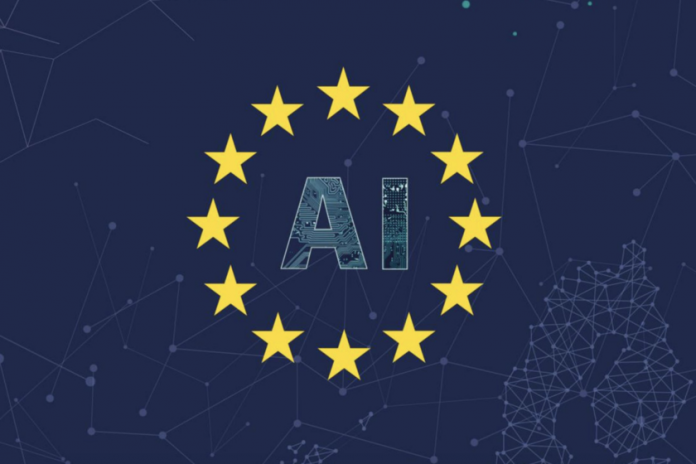
The European Commission has announced a €1.3 billion ($1.4 billion) investment in artificial intelligence (AI), cybersecurity, and digital skills through the Digital Europe Programme for 2025 to 2027.

The move underscores the EU’s growing determination to strengthen its presence in the global AI landscape, where it has so far lagged behind the United States and China.

European Commission digital chief Henna Virkkunen described the initiative as a crucial step toward ensuring European tech sovereignty, emphasizing that investing in advanced technologies and improving digital competencies will be key to securing Europe’s digital future.

“Securing European tech sovereignty starts with investing in advanced technologies and in making it possible for people to improve their digital competences,” Virkkunen said.

The new funding signals a shift in strategy for the bloc, which has long been focused on regulating AI rather than leading its development.

EU Playing Catch-Up in AI Race

This investment is part of a broader effort to position Europe as a serious player in AI development, an area where the EU has struggled to compete with the massive funding and rapid advancements made by the United States and China. While Europe has led the charge in AI regulation with its AI Act, it has fallen behind in innovation and investment.

In contrast, the United States has been aggressively expanding its AI capabilities, pouring billions into cutting-edge AI infrastructure. One of the most notable investments was Stargate, a $500 million AI fund launched by President Donald Trump, which was aimed at strengthening America’s leadership in artificial intelligence. Additionally, the U.S. government has been actively working with private companies, investing in semiconductors, supercomputing, and AI models, all of which have contributed to the dominance of companies like OpenAI, Google DeepMind, and Anthropic.

China, meanwhile, has focused on cost-effective AI breakthroughs to maintain its lead. A prime example is DeepSeek, a powerful AI language model developed in China that rivals OpenAI’s ChatGPT but operates at significantly lower costs. The Chinese government has also ramped up investments in AI chips, computing clusters, and government-backed AI startups. Unlike the U.S., where private sector funding plays a dominant role, China’s AI expansion is heavily state-backed, allowing for aggressive scaling and strategic deployment of AI models across various industries.

EU’s Digital Europe Programme: A Renewed Commitment to AI and Cybersecurity

The €1.3 billion investment under the Digital Europe Programme marks a strategic shift in how the European Union approaches artificial intelligence. The funding suggests that the bloc is no longer content with simply being the global AI regulator—it wants to be a key contributor and competitor in the AI industry. The EU is now seeking to leverage its strengths in research, regulation, and digital infrastructure to carve out a significant share of the rapidly growing AI market.

The funding will be distributed across multiple areas. A significant portion will go toward AI development, supporting AI startups, research institutions, and enterprises working on cutting-edge AI solutions. This will help Europe develop homegrown AI models to rival those of the U.S. and China. Cybersecurity will also receive a boost, as AI systems become more widespread, increasing the risk of cyber threats and digital espionage.

Strengthening cyber defenses will be critical to protecting Europe’s digital economy. Another major focus will be digital skills training, as AI is expected to transform the job market. Investments will support training programs in AI, machine learning, and cybersecurity, ensuring that European workers are equipped to compete in the AI-driven economy.

Will Europe Catch Up?

As AI continues to reshape industries from finance to healthcare and defense, the global AI race is intensifying. The U.S. is leading with its massive tech investments, China is advancing with its cost-effective AI breakthroughs, and now Europe is finally stepping up with a significant funding push.

However, €1.3 billion is still a fraction of what the U.S. and China have poured into AI. To close the gap, tech analysts note that Europe will need more sustained investment, stronger public-private partnerships, and faster commercialization of AI research.

This latest funding move is seen as a step in the right direction, but only time will tell whether it will be enough to establish Europe as a true AI powerhouse.
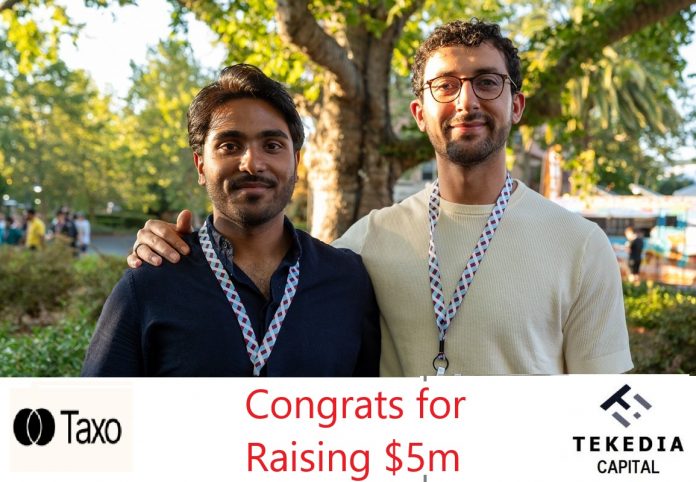
Tekedia Capital Congratulates Portfolio Taxo for Raising $5 million

0

Tekedia Capital congratulates our portfolio company  Taxo (taxo.ai), a healthtech startup, for raising $5m. Taxo integrates with electronic health records (EHRs) to automate medical billing and coding. Its AI-powered solution reduces the time and cost of claims processing by over 90%, enabling providers to focus on patient care rather than administrative tasks.

The business of medicine is fascinating. Doctors, nurses and broad healthcare professionals are scientific miracle makers. Yet, they do suffer from a poor marginal cost regime, as it is one doctor per one patient, at a time, irrespective of the number of patients. Simply, if there are 30 people waiting for a doctor, a doctor has to deal with each one at a time. In business, that model is not easy to scale efficiently since you cannot easily scale supply to meet expanding demand.

So, how can we help doctors, nurses, etc to serve more and improve broad quality? Use technologies to handle the administrative tasks like billing, claim management , etc, so that those professionals can focus on their core missions.

On that premise, Tekedia Capital invested in Taxo to fix this friction as its technologies, used in Stanford Medicine, Boston Children’s Hospital and other key healthcare centers, accelerate productivity and evidential positive patient health outcome. To learn more about Tekedia Capital and join our next cycle, go here https://capital.tekedia.com/course/fee/

Find below the key dates for the next Tekedia Capital investment cycle.

Duration: April 7 – May 15, 2025

Startups Unveiling in Portal: April 7

Demo Day: April 26, 2025

Crypto Hubs in Nigeria Hold Immense Developmental Benefits

0

After years of oscillation—marked by the Central Bank of Nigeria’s (CBN) 2017 warnings and 2021 ban on banks facilitating crypto transactions—Nigeria has shifted toward a more structured approach. The CBN lifted the banking ban in December 2023, allowing financial institutions to engage with virtual asset service providers (VASPs) under guidelines. The Securities and Exchange Commission (SEC) followed with its Accelerated Regulatory Incubation Program (ARIP) in June 2024, mandating VASPs to register and comply with oversight. This pivot, as emphasized by Information Minister Mohammed Idris in early 2025, aims to regulate rather than restrict, fostering a predictable environment for crypto businesses while protecting consumers.

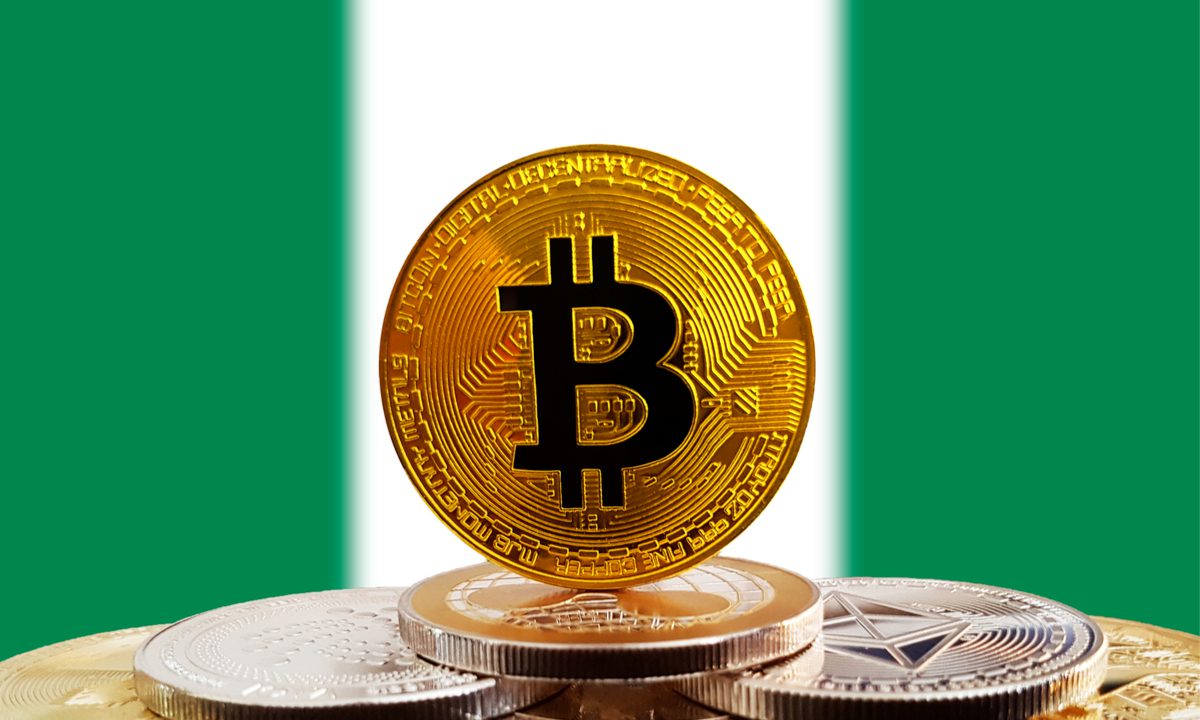
Crypto hubs in Nigeria—geographic or virtual concentrations of cryptocurrency activity, innovation, and infrastructure—hold immense potential to enshrine, or solidify, developments across economic, technological, and social spheres. As of March 24, 2025, Nigeria’s position as a global leader in crypto adoption (second on Chainalysis’ 2024 Global Adoption Index) and its evolving blockchain strategy provide a foundation for these hubs to drive sustainable progress. Here’s how they can amplify and embed developments in Nigeria.

Crypto hubs can anchor economic development by formalizing Nigeria’s massive crypto market—projected to hit $1.555 billion in revenue by the end of 2025 (Statista). Cities like Lagos, already a fintech epicenter with unicorns like Moniepoint, could evolve into crypto hubs by hosting exchanges, blockchain startups, and payment gateways. With 25.86 million crypto users (11% penetration) and 43.5% broadband access, hubs can extend financial services to the unbanked (over 30% of Nigerians), using mobile-based crypto wallets and stablecoins to bypass traditional banking barriers. Peer-to-peer (P2P) trading, where Nigeria ranks first globally, thrives in hubs.

Formalizing this via regulated exchanges could increase transaction volumes (e.g., $59 billion received July 2023-June 2024), channeling funds into local economies. Hubs can promote stablecoin use (40% of Sub-Saharan Africa’s stablecoin inflows) as a shield against Naira volatility (50% depreciation in 2023), stabilizing purchasing power and encouraging investment. Crypto hubs can enshrine technological progress by fostering a skilled workforce. Hubs could host over 20 exchanges e.g., Quidax, NairaEx, PeniWallet by SMCDAO and blockchain projects, employing hundreds in roles like smart contract development, auditing, and customer support—tackling youth unemployment (33.3% in 2021).

Initiatives like the National Blockchain Consortium could base training centers in hubs, teaching blockchain coding, DeFi mechanics, and crypto trading. This aligns with Nigeria’s 66% crypto interest in Africa (CoinGecko), upskilling a tech-savvy youth (median age under 20). By attracting venture capital—mirroring Asia’s hubs like Hong Kong—hubs could fund startups, embedding a culture of entrepreneurship. Moniepoint’s $1 billion valuation shows this potential. With hubs driving blockchain adoption (e.g., supply chain tracking), farmers could access finance via tokenized assets, addressing food security—a priority noted by the CBN. Lagos’ real estate tokenization plan (August 2024) sets a precedent.

The “Nigerium” blockchain, designed for data sovereignty, could be piloted in hubs, enhancing transparency in voting or public records, as per NITDA’s vision. Hubs can optimize Nigeria’s $205.7 million P2P remittance flow (H1 2021), cutting fees and boosting forex reserves, critical as oil weakens. Hubs could pilot SEC’s ARIP or CBN’s VASP guidelines, refining regulations (e.g., taxing crypto trades, as proposed in 2025). Success here could enshrine a balanced model—innovation-friendly yet secure—drawing lessons from Singapore. By hosting blockchain conferences or DeFi summits, hubs could position Nigeria as Africa’s crypto capital, attracting FDI and countering Gray List risks.

Post-Bybit hack ($1.5 billion, February 2025), hubs could lead cybersecurity innovation, developing local solutions like wallet encryption or fraud detection, reducing reliance on foreign tech. Though not a mining hub due to power constraints (Stears, 2021), hubs could leverage Nigeria’s renewable potential (e.g., solar) for blockchain nodes, supporting sustainable growth. Imagine Lagos as a crypto hub: Binance and local exchanges set up regulated offices, NITDA trains 10,000 developers, and Zone’s blockchain network processes bank settlements. A farmer in Kaduna tokenizes crops via a hub-backed dApp, while a freelancer in Abuja receives USDT payments instantly. Tax revenue funds rural broadband, deepening adoption. This ecosystem cements economic and tech gains

Binance’s $81.5 billion lawsuit (2025) shows enforcement gaps. Hubs need consistent rules to thrive. Unreliable power and internet (outside 43.5% broadband zones) could limit hub scalability. Rugs like Davido’s ‘ECHOKE’ and ‘DAVIDO’ coin require hubs to prioritize education and KYC to build credibility. Crypto hubs in Nigeria can enshrine developments by turning transient crypto enthusiasm into lasting economic and social infrastructure. By channeling adoption (second globally), hubs could make Nigeria a blueprint for Africa—merging financial inclusion, job growth, and blockchain innovation. Success demands collaboration between regulators, tech firms, and communities.

BlockDAG Hits the Mark: $208M Raised in Just 10 Months Without VC Backing—Keynote 3 Unpacks the Strategy

0

BlockDAG (BDAG), a prominent Layer 1 decentralized network utilizing Directed Acyclic Graph technology, has exceeded industry forecasts dramatically. Within a concise period of 10 months, it successfully gathered an impressive $208 million, welcomed more than 170,000 coin holders, and cultivated a vibrant community exceeding one million active users engaged in its mobile mining app and Telegram game. Remarkably achieving this without venture capital support, BlockDAG’s rapid growth underscores a strong market demand, grassroots support, and a globally embraced vision.

BlockDAG’s Journey: Community-Fueled Success Beyond $208 Million

BlockDAG’s journey began with a vision of audacious ambition, yet it’s their effective execution that’s capturing attention. In under one year, the project has amassed more than $208 million through community contributions alone, operating without the reliance on venture capital or the interference of centralized intermediaries. This influx of support comes from a broad base of believers who see a sustainable future with BlockDAG. The funds raised are more than just a financial metric; they serve as vital energy propelling every facet of BlockDAG’s ecosystem—from enhancing the core protocol to expanding the mainnet infrastructure, global staffing, and securing high-profile collaborations with entities like Inter Milan and the UFC.

Antony Turner, the CEO of BlockDAG, articulated the significance of these funds:

“This isn’t just capital—it’s fuel for innovation, expansion, and the next evolution of blockchain technology.”

In an industry often swayed by fleeting trends and short-term ventures, BlockDAG stands out with its robust, organic fundraising, showcasing a longevity and impact that many others can only aspire to achieve.

BlockDAG: A Rising Star with Over 170,000 Coin Holders

The growth of BlockDAG’s community is as striking as its financial achievements. With more than 170,000 coin holders and still growing, BlockDAG is making a significant impact globally. The appeal lies not in mere speculation but in genuine accessibility, utility, and a design focused on the user experience. The X1 Miner App, boasting over 750,000 users, democratizes the crypto mining process by allowing it through a mobile device. Additionally, the Tap Miner game on Telegram attracts over 100,000 participants daily, transforming mining into an enjoyable, rewarding, and widespread activity.

Antony Turner noted,

“To date, we have more than 750,000+ users mining, earning, and engaging with us.”

This approach to mass adoption challenges the conventional barriers to entering the crypto space, which typically involve technical complexities and costly equipment. BlockDAG simplifies entry into its ecosystem, making it as easy as downloading an app or engaging in a game. This seamless, fun, and rewarding methodology is rapidly expanding their community, establishing BlockDAG as a formidable force in the Layer 1 landscape.

BlockDAG: Advancing from Testnet to Mainnet with Tangible Progress

BlockDAG is translating its momentum into substantial results. The Beta Testnet V1 is now operational, showcasing double the processing speed of its predecessor, improved exploration tools, and a user-friendly, no-code Token & NFT Wizard for simple asset creation. Community engagement is strong, with members actively testing the network using the specially distributed, vested testnet BDAG coins on a weekly basis. Additionally, BlockDAG has started the physical deployment of its network infrastructure, shipping nearly 10,000 X30 and X100 ASIC miners to underpin the decentralized framework of its forthcoming mainnet.

CTO Jeremy Harkness detailed the underlying technology:

“Our hybrid consensus mechanism combines the best of two worlds: the security and proven robustness of Proof-of-Work with the flexibility and speed of a Directed Acyclic Graph.”

This dual approach allows for thousands of simultaneous transactions per second, reduces transaction fees, and improves energy efficiency, effectively addressing the scalability issues common in traditional blockchains.

As BlockDAG gears up for its 2025 mainnet debut, which will include a comprehensive DeFi suite, governance tools, and listings on over ten exchanges, the platform is poised not just for rapid advancement but for sustainable growth. The strategy is ambitious, aiming for over 1,000 dApps by 2026, branching into AI and decentralized identity sectors, and cultivating a dynamic developer community through initiatives like grants, hackathons, and educational programs via the BlockDAG Academy.

Final Reflections

In an industry rife with exaggerated promises, BlockDAG stands out by actually delivering substantial outcomes—and it’s getting noticed. Amassing $208 million without the aid of venture capital, creating a robust community of over 170,000 members, and rolling out operational infrastructure all within a single year isn’t just commendable; it’s groundbreaking.

With its innovative DAG+PoW hybrid structure, user-friendly mining applications, and a forward-thinking roadmap, BlockDAG isn’t just making a place for itself in the cryptocurrency realm—it’s reshaping expectations of what effective engagement looks like in Web3. As the launch of the mainnet looms, one thing becomes increasingly evident: BlockDAG is not merely participating in the digital currency revolution. It’s leading it.

Presale: https://purchase.blockdag.network

Website: https://blockdag.network

Telegram: https://t.me/blockDAGnetworkOfficial

Discord: https://discord.gg/Q7BxghMVyu

Is BlockDAG the Next 10x? Keynote 3 Reveals Massive Milestones & What’s Coming

0

In just ten months, BlockDAG has raised over $208 million, switched on a live Beta Testnet, and brought more than 800,000 users into its mining app—firmly placing it among the most explosive crypto stories of 2025. Keynote 3 didn’t just offer updates; it lit the fuse for what’s shaping up to be a rapid ascent. From exchange listings to a scalable Layer 1 framework and a growing base of 170,000+ holders, BlockDAG is rapidly building real momentum.

This isn’t hype without substance. BlockDAG is delivering real products, real user tools, and a robust infrastructure that could drive the next big leap in blockchain growth.

Keynote 3 Drops Major Updates & a Roadmap That’s Ready to Launch

Keynote 3 delivered more than fanfare—it laid down the proof that BlockDAG isn’t just building, it’s accelerating. CEO Antony Turner set the tone right from the start:
“This isn’t just about what we’ve built so far—it’s about what comes next.”

And what’s already been achieved is impressive. BlockDAG has sold over 19 billion tokens, completed Batch 27 at $0.0248 per coin, and rolled out several working features. These include a fully operational Beta Testnet V1 and a tap-to-earn game with 400,000+ signups.

The testnet has already processed over 1.2 million transactions across 100+ community nodes. It’s fast, scalable, and low-cost—and with the foundation set, mainnet launch is expected later this year.

A Working Ecosystem You Can Join Right Now

Most crypto projects talk about what’s coming. BlockDAG is already letting people join the action. The X1 Miner App has welcomed over 800,000 users globally, letting anyone mine BDAG straight from their phones. It’s mobile-first, user-friendly, and driving real adoption.

And that’s not all—hardware is in the pipeline too. The X30 and X100 miners are gearing up for shipment, with over 16,600 devices already purchased by BlockDAG’s growing community. It’s one of the most widespread mining networks any new crypto has seen.

CTO Jeremy Harkness broke it down in the keynote:
“This isn’t your traditional blockchain—we’re literally rewriting the rules.”

By blending DAG architecture with Proof-of-Work, BlockDAG enables simultaneous transaction confirmations. That means speed and low fees—even when traffic spikes.

Eyeing $600M & Big Exchange Listings

With more than $208 million already raised, BlockDAG is moving full speed toward its $600 million target. The team confirmed that listings on at least 10 major exchanges will follow the mainnet launch, bringing serious liquidity and visibility to BDAG.

But listings are just one part of the growth play. The roadmap includes a full DeFi toolkit, simple NFT creation tools, and features like account abstraction—making wallet recovery, payments, and smart contract use easier for everyone.

And it’s all built on a security-first foundation. Dr. Youssef Khaoulaj, the project’s Chief Security Officer, didn’t hold back:
“At BlockDAG, security is not a feature—it’s the bedrock upon which we’ve built everything.”

He highlighted the use of MPC wallets and third-party audits by firms like Certik and Halborn, showing that trust and reliability are baked into every layer.

What’s Next: Mainnet, Growth, & a Race to Catch the Wave

BlockDAG isn’t slowing down. The presale is in its final stages, but interest from both retail and industry players is only growing. The upcoming mainnet launch will convert years of planning into a live, decentralized network ready to scale fast.

The takeaway from Keynote 3? This isn’t just a promising token—it’s a full ecosystem, supported by users, backed by strong tech, and fueled by serious capital.

As CEO Antony Turner put it:
“We are more than a project; we are pioneers of a new decentralized era.”

With momentum surging, exchange listings looming, and demand growing by the day, BlockDAG might be the biggest opportunity on the table right now. Batch 27 is currently live at $0.0248—but at this pace, it won’t stay that way for long.

Website: https://blockdag.network

Presale: https://purchase.blockdag.network

Telegram: https://t.me/blockDAGnetworkOfficial

Discord: https://discord.gg/Q7BxghMVyu