DD
MM
YYYY

PAGES

DD
MM
YYYY

spot_img

PAGES

Home Blog Page 18

Schwedt Refinery Secures New Oil Supplies as Volkswagen Warns of Massive Job Cuts

0

Germany’s industrial landscape is undergoing a period of profound transformation, highlighted by two major developments: the Schwedt oil refinery’s successful receipt of South American crude via Poland and Volkswagen’s warning that as many as 50,000 jobs could be at risk amid growing tensions with workers.

These events underscore the economic and geopolitical challenges facing Europe’s largest economy. The Schwedt refinery, located in eastern Germany, has long been a strategic energy asset. For decades, the facility relied heavily on Russian oil supplied through the Druzhba pipeline.

Following Russia’s invasion of Ukraine and the subsequent European sanctions against Moscow, Germany was forced to rapidly diversify its energy sources. The arrival of South American crude through Polish infrastructure marks a significant milestone in this transition.

The refinery’s ability to process oil from alternative suppliers demonstrates Germany’s determination to reduce dependence on Russian energy.

By utilizing Polish ports and transport networks, Berlin has strengthened regional cooperation while enhancing its energy security. This development also highlights the growing importance of global supply chains, as crude oil from distant regions such as South America now plays a critical role in sustaining German industrial operations.

The transition is not without challenges. Importing oil from farther locations can increase transportation costs and complicate logistics. The Schwedt refinery must also continuously adapt its operations to process varying crude grades efficiently. The diversification strategy is viewed as essential for safeguarding Germany’s energy independence and reducing geopolitical vulnerabilities.

Germany’s industrial sector faces another major challenge in the automotive industry. Volkswagen, one of the country’s most iconic companies and a symbol of German manufacturing excellence, has warned that up to 50,000 jobs could be at risk as it undertakes extensive restructuring measures.

Volkswagen’s difficulties stem from several converging pressures. The global transition toward electric vehicles has intensified competition, particularly from Chinese manufacturers that have rapidly expanded their presence in international markets.

Rising production costs, weaker consumer demand in certain regions, and the substantial investments required for electrification and digital transformation have further strained the company’s finances.

The confirmation of potential job cuts has sparked outrage among workers and labor unions. Employees fear that large-scale layoffs could undermine communities that depend heavily on automotive manufacturing.

Germany’s system of co-determination, which gives workers a significant voice in corporate governance, means that labor representatives are likely to strongly oppose drastic reductions in employment.

The dispute also reflects broader concerns about Germany’s industrial competitiveness. High energy prices, regulatory burdens, and slowing economic growth have led many business leaders to question whether Europe remains an attractive location for large-scale manufacturing.

If major firms continue to reduce their workforce or relocate operations abroad, the consequences for Germany’s economy could be severe. Both the Schwedt refinery’s diversification efforts and Volkswagen’s restructuring plans illustrate the profound changes reshaping Germany’s economic model.

On one hand, the country is attempting to secure its energy future and adapt to new geopolitical realities. On the other, it is struggling to maintain its industrial strength amid rapid technological and economic shifts. Germany now faces the difficult task of balancing energy security, economic competitiveness, and social stability.

The decisions made in the coming years will not only determine the future of key industries such as energy and automotive manufacturing but will also shape the broader trajectory of Europe’s largest economy in an increasingly uncertain global environment.

AI Monetization Takes Center Stage as Competition Intensifies

0

Microsoft CEO Satya Nadella has once again stirred debate in the artificial intelligence industry by making comments widely interpreted as a subtle criticism of leading AI model developers such as Anthropic and other frontier AI laboratories.

While Nadella did not directly mention any company by name, his remarks highlighted a growing divide within the AI ecosystem regarding the true value of large language models and the long-term sustainability of businesses built primarily around them.

Speaking about the future of artificial intelligence, Nadella suggested that AI models are increasingly becoming commodities rather than durable competitive advantages.

He argued that while foundation models are important technological achievements, the real value will ultimately emerge from applications, platforms, and the integration of AI into products that solve practical business and consumer problems.

This perspective represents a significant contrast to the strategy of companies that have focused heavily on developing increasingly powerful standalone models. Nadella’s comments arrive at a time when firms such as Anthropic, OpenAI, and xAI are investing billions of dollars into training next-generation AI systems.

These companies have attracted enormous valuations based largely on the belief that superior models will command substantial economic value in the future. Microsoft’s chief executive appears to be emphasizing a different thesis: technological breakthroughs alone may not guarantee long-term dominance.

His remarks reflect Microsoft’s broader strategic positioning in the AI race. Although Microsoft has invested heavily in AI infrastructure and maintains close partnerships with leading model developers, the company has increasingly concentrated on embedding AI capabilities across its vast ecosystem.

Products such as Microsoft Copilot, Azure AI services, GitHub Copilot, and AI-powered business tools demonstrate a strategy centered on distribution and enterprise adoption rather than solely on model creation.

The implication of Nadella’s argument is that having the most advanced model may not necessarily translate into the greatest commercial success. History in the technology sector offers several examples where companies that controlled distribution networks, software ecosystems, or user relationships ultimately generated more value than those that invented the underlying technologies.

The comments highlight a growing challenge. These companies must not only continue pushing the boundaries of AI performance but also establish sustainable business models in an increasingly competitive market. As more open-source models emerge and as AI capabilities become widely accessible, maintaining differentiation could become significantly more difficult.

The economics of artificial intelligence are also becoming a central issue. Training advanced AI systems requires enormous computational resources and billions of dollars in capital expenditure. Investors are increasingly asking whether the returns generated by these models will justify such unprecedented spending.

Nadella’s observations may therefore be interpreted as a warning that excessive focus on model superiority could overlook the importance of building profitable applications and ecosystems. His comments underscore the intensifying competition among major AI players.

The industry is moving beyond the initial phase of model development toward a period where monetization, enterprise integration, and user adoption will determine the ultimate winners. Companies that can effectively combine cutting-edge AI capabilities with broad distribution channels may enjoy a significant advantage.

Satya Nadella’s veiled critique serves as a reminder that the artificial intelligence revolution is not solely a race to build the smartest model. It is also a contest over infrastructure, ecosystems, customer relationships, and real-world utility.

As AI continues to reshape industries and economies, the debate between model supremacy and platform dominance is likely to become one of the defining strategic questions of the next technological era.

Apple Sues OpenAI Over Alleged Trade Secret Theft as Anthropic Extends Claude Fable 5 Access

Meanwhile, the technology industry has been shaken by two major developments that highlight both the intense competition and rapid innovation defining the artificial intelligence era.

On one hand, Apple has reportedly initiated legal action against OpenAI over alleged trade secret theft, escalating tensions among leading AI companies. On the other hand, Anthropic has announced an extension of access to its highly anticipated Fable 5 model for paid subscribers until July 19, signaling continued demand for advanced AI capabilities.

The alleged lawsuit by Apple underscores the increasingly high stakes in the race to dominate artificial intelligence. As AI systems become more sophisticated and commercially valuable, intellectual property has emerged as one of the industry’s most important assets.

Trade secrets, proprietary research methods, and internal development processes often represent years of investment and billions of dollars in research expenditures.

If Apple proceeds with claims of trade secret misappropriation, the case could become one of the most significant legal battles in the technology sector in recent years. The company has long been known for its strict protection of proprietary technologies and its emphasis on maintaining control over innovation pipelines.

Any allegation that sensitive information was improperly obtained or utilized would likely trigger aggressive legal action. The dispute also reflects a broader trend in Silicon Valley, where competition for AI talent and technological leadership has intensified dramatically.

Companies are investing unprecedented sums into large language models, AI infrastructure, and specialized hardware. In such an environment, concerns surrounding intellectual property protection, employee mobility, and confidential information are becoming increasingly common.

For OpenAI, any legal challenge from a company as influential as Apple could create additional scrutiny from regulators, investors, and industry partners.

OpenAI remains one of the central players in the generative AI ecosystem, powering a wide range of applications across consumer and enterprise markets. A prolonged legal battle could potentially influence partnerships, strategic initiatives, and future product development timelines.

At the same time, developments in the AI product landscape continue at a rapid pace. Anthropic’s decision to extend Fable 5 access for paid users through July 19 demonstrates the extraordinary level of interest surrounding next-generation AI models.

The extension suggests that demand has exceeded initial expectations, with users seeking additional time to experiment with the model’s capabilities. Fable 5 has generated significant attention due to its advanced reasoning abilities, coding performance, and improved contextual understanding.

Access extensions often indicate that companies are balancing infrastructure limitations with user enthusiasm, while also gathering valuable feedback before broader deployments.

Anthropic’s move also highlights the increasingly competitive nature of premium AI subscriptions.

As major firms release more capable models, retaining subscribers and maintaining engagement have become critical business objectives. Extended access periods can encourage user adoption, foster community feedback, and strengthen brand loyalty.

These parallel developments illustrate two defining characteristics of the current AI era: fierce competition and relentless innovation. Legal disputes over intellectual property are becoming more frequent as companies attempt to safeguard strategic advantages, while product releases and model upgrades continue at an unprecedented pace.

The artificial intelligence industry is entering a phase where technological breakthroughs, legal frameworks, and commercial strategies are becoming deeply interconnected. Whether through courtroom battles or expanded access to cutting-edge models.

The decisions made by leading companies today will shape the future direction of AI development, industry competition, and global technological leadership for years to come.

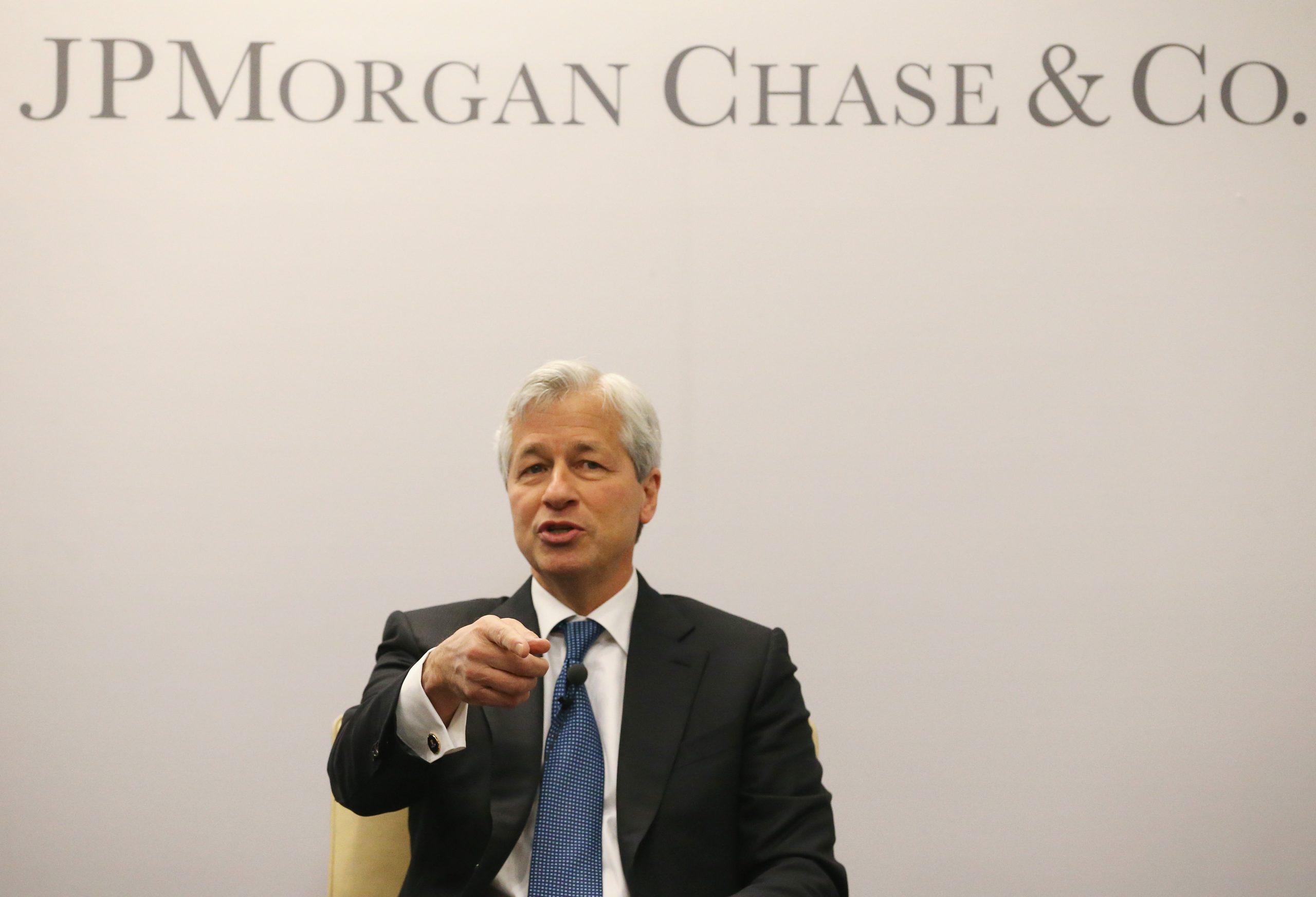
Jamie Dimon Hints At Plans for Life After JPMorgan, Rules Out White House Run

0
JP Morgan Chase puts contents through its CEO account, it goes viral. But the same content via JPMC account, no one cares (WSJ)

JPMorgan Chase CEO Jamie Dimon has offered his clearest indication yet of what he intends to do after eventually stepping down from the bank, saying he could write books, teach, or pursue media-related work while firmly dismissing speculation that he could enter politics.

This comes just weeks after JPMorgan gave investors its strongest signal yet on succession planning, identifying a group of senior executives widely viewed as potential candidates to succeed Dimon, who has led the largest U.S. bank since 2006.

While the timing of his departure remains uncertain, Dimon’s latest remarks suggest he is increasingly thinking about life beyond the CEO role, even as he intends to remain involved with the bank as executive chairman.

Speaking in an interview with Axios that aired on Saturday, Dimon said he expects to stay active after leaving the chief executive position.

“I may teach somewhere, because I like teaching, and I might do something around a media-related thing,” he said.

He also said he expects to continue working with people he enjoys collaborating with and is considering writing.

“I’ll probably write a book” about management or the global financial crisis, he added.

Given Dimon’s reputation as one of Wall Street’s most influential and outspoken executives, any future books or public-facing roles would likely attract significant attention from business leaders, policymakers, and investors.

No Interest in Running for President

Dimon also sought to end longstanding speculation that he could eventually seek elected office, saying there is virtually no chance he would run for president.

“There’s pretty much no chance,” he said.

Explaining his reasoning, he pointed to both his background and personal circumstances.

“I’m very hard-pressed to think I should be doing something like that,” he said. “I’m a banker. I’m a New Yorker. I’m 70 years old. I’ve had a couple of health problems.”

Dimon underwent emergency heart surgery in 2020 after suffering an acute aortic dissection and previously received treatment for throat cancer in 2014. He also said the intense public scrutiny faced by politicians and their families is another reason he has little interest in pursuing elected office.

Although Dimon ruled out a political career, he suggested he could continue shaping public policy from outside government.

In recent years, he has expanded JPMorgan’s involvement in economic and geopolitical initiatives beyond traditional banking, including efforts aimed at strengthening U.S. economic competitiveness, manufacturing, and national security.

The bank has also launched a series titled “From the Desk Of,” through which senior executives publish views on public policy issues, underscoring JPMorgan’s willingness to engage in broader economic debates.

Dimon has increasingly used his annual shareholder letters, speeches and interviews to comment on issues ranging from fiscal policy and regulation to artificial intelligence, geopolitics and energy security, making him one of the most influential voices in global finance.

The interview follows renewed investor attention on JPMorgan’s leadership succession after the bank last month highlighted several senior executives viewed as potential successors.

Among those widely considered leading internal candidates are Marianne Lake, Jennifer Piepszak, Troy Rohrbaugh, and Doug Petno, although JPMorgan has repeatedly emphasized that the board will ultimately determine the next chief executive.

When asked whether he expects to remain CEO three years from now, Dimon declined to offer a definitive answer. Instead, he reiterated his longstanding position that the decision rests with the board while reaffirming his intention to remain involved with the company after stepping down as chief executive.

His comments mark a subtle shift from previous years, when he frequently said he expected to remain CEO for at least another five years. While he continues to avoid committing to a retirement timetable, his discussion of post-CEO plans suggests succession planning is entering a more concrete phase.

Under Dimon’s leadership, JPMorgan has grown into the largest U.S. bank by assets and market value, successfully navigating the 2008 global financial crisis, the COVID-19 pandemic, and multiple periods of market volatility. This means the eventual handover matters for investors and will be one of the most closely watched leadership transitions in global banking.

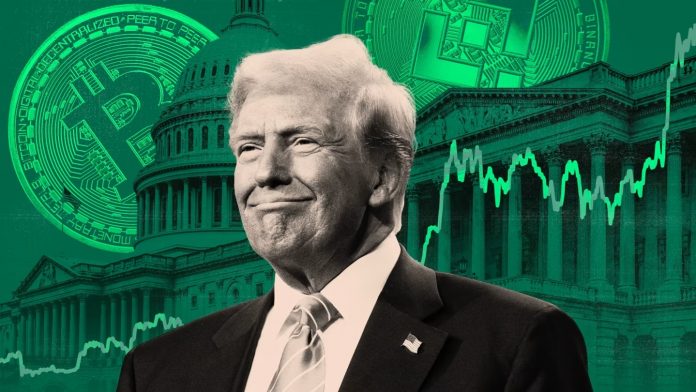
Trump Urges Senate to Pass Crypto Clarity Act as U.S. Regulatory Framework Nears Completion

0

President Donald Trump has called on the Senate to pass the Digital Asset Market Clarity Act, a significant piece of legislation aimed at bringing regulatory certainty to the cryptocurrency industry in the United States.

In a post on Truth Social, Trump described blockchain-based finance and tokenization as a major financial transformation and warned that countries such as China are working aggressively to dominate the sector.

He argued that clear regulations for the digital asset industry would help ensure the United States remains at the forefront of innovation rather than allowing competitors to gain the upper hand

He wrote,

“In honor of Senator Lindsey Graham, a big supporter, the U.S. Senate should pass the Clarity Act. China, and many other countries, would like to take complete and total control of this major financial ‘happening,’ as well as A.I., where we are now leading, but where they are fighting hard. Don’t let China win on either subject!!!”

Trump’s comments come after earlier this month, data from Polymarket showed the probability of the Crypto Clarity Act passage in 2026 dropping sharply to 39%, down 3 percentage points in a short period.

This decline reflects growing pessimism about the bill clearing the Senate, where it needed 60 votes to overcome procedural hurdles.

Notably, JPMorgan CEO Jamie Dimon publicly criticized the Crypto Clarity Act, arguing that mainstream banks are unlikely to embrace the legislation in its current form.

During an interview on Fox Business, when asked if he was happy with the current direction of the bill, he said, “No.” He argued that the legislation would allow crypto firms to offer interest or yield on stablecoins and deposits without the same regulatory safeguards required of traditional banks.

“The banks will not accept it that way,” he added, criticizing what he sees as insufficient provisions on anti-money laundering (AML), Bank Secrecy Act (BSA), and customer protections, calling the approach regulatory arbitrage that gives crypto platforms an unfair edge.

What is the U.S. CLARITY Act and Why it Matters

The U.S. CLARITY Act is a proposed piece of legislation aimed at establishing a comprehensive regulatory framework for digital assets and cryptocurrencies.

The bill seeks to provide long-awaited legal certainty by clearly defining which crypto assets fall under the jurisdiction of the Securities and Exchange Commission (SEC) and which should be regulated by the Commodity Futures Trading Commission (CFTC).

The bill, known as the CLARITY Act or H.R. 3633, passed the House of Representatives in July 2025 with strong bipartisan support. It advanced through the Senate Banking Committee in May 2026 by a 15-9 vote that included backing from two Democrats.

Proponents argue that the legislation is essential for establishing clear rules that will allow the U.S. to maintain its competitive edge in digital assets while protecting consumers and preventing regulatory overlap.

At its core, the Clarity Act would divide oversight responsibilities between the Securities and Exchange Commission (SEC) and the Commodity Futures Trading Commission (CFTC).

Digital assets that function like securities would fall under SEC jurisdiction, while decentralized digital commodities would be regulated by the CFTC.

The bill also includes provisions for custody rules, anti-money laundering measures for exchanges, and other safeguards designed to foster innovation without stifling growth.

Supporters, including Senator Cynthia Lummis, have warned that failure to pass the bill could result in lost jobs, reduced tax revenue, and a shift of crypto activity overseas.

Also, Chair of the Commodity Futures Trading Commission (CFTC) Mike Selig in May this year, hailed the Senate Banking Committee’s advancement of the Digital Asset Market Clarity Act as a major step toward making the United States the crypto capital of the world.

With President Trump’s public endorsement, it adds considerable political weight to the push for a floor vote before the Senate’s August recess, emphasizing the need for America to lead in blockchain and cryptocurrency development.

Negotiators are reportedly working to address remaining hurdles, with the bill needing 60 votes to overcome a potential filibuster.

The development comes amid growing mainstream adoption of cryptocurrencies and increasing pressure from industry leaders for predictable regulation.

Outlook

The passage of the Clarity Act would mark a major milestone in U.S. crypto policy, potentially unlocking further institutional investment and technological advancement while setting a global standard for balanced oversight.

Significance of Zambia’s Election for Emerging Market Economies

0

Zambia’s upcoming election represents a defining moment in the country’s democratic journey and economic transformation. Coming after several years of ambitious reforms under President Hakainde Hichilema, the vote is being closely watched both domestically and internationally.

The election is not only about choosing political leadership but also about determining whether Zambia will continue on its current path of economic restructuring, fiscal discipline, and renewed engagement with global partners.

When Hichilema assumed office in 2021, Zambia was facing severe economic challenges.

The country had become Africa’s first pandemic-era sovereign default, burdened by mounting debt, high inflation, and declining investor confidence. Public finances were under immense strain, and economic uncertainty weighed heavily on businesses and ordinary citizens alike.

Against this backdrop, the new administration embarked on a series of reforms aimed at stabilizing the economy and restoring confidence. One of the most notable achievements of Hichilema’s administration has been Zambia’s successful debt restructuring process under the G20 Common Framework.

The agreement, regarded as a landmark development for emerging economies facing debt distress, provided Zambia with much-needed fiscal breathing room. By securing cooperation from bilateral and private creditors, the country demonstrated that complex sovereign debt negotiations can be resolved through coordinated international efforts.

The restructuring process has been widely praised by international institutions, including the International Monetary Fund and the World Bank. It has improved Zambia’s standing among investors and strengthened its reputation as a country committed to economic reform and responsible governance.

This renewed credibility has encouraged foreign investment interest in key sectors such as mining, agriculture, energy, and infrastructure.

Beyond debt management, the government has implemented policies aimed at promoting economic diversification and reducing reliance on copper exports. Efforts to increase agricultural productivity, expand renewable energy capacity, and support private-sector development have become central components of Zambia’s economic strategy.

Additionally, initiatives focused on improving transparency, strengthening institutions, and combating corruption have contributed to a more favorable investment environment. However, despite these achievements, significant challenges remain.

Many Zambians continue to face high living costs, unemployment, and limited access to economic opportunities. Inflationary pressures and global economic uncertainties have affected household incomes, leading some citizens to question whether the benefits of macroeconomic reforms have translated into tangible improvements in everyday life.

This disconnect between economic stabilization and public expectations is likely to play a major role in the election. Voters will assess not only the government’s achievements on paper but also the extent to which reforms have improved living standards.

The opposition may seek to capitalize on public frustrations, arguing that economic gains have been unevenly distributed and that more immediate relief is needed.

At the same time, Zambia’s democratic credentials are also under scrutiny. The country has long been considered one of Africa’s more stable democracies, characterized by peaceful transfers of power and competitive elections.

The conduct of the upcoming vote will therefore serve as an important indicator of institutional resilience and democratic maturity. International observers are paying close attention because Zambia’s experience carries broader implications for other developing economies confronting debt challenges and governance reforms.

A successful election process combined with policy continuity could strengthen confidence in Zambia as a model for economic recovery and democratic governance. The election represents a critical test of Zambia’s future direction.

The outcome will determine whether the country continues its reform agenda and deepens its international partnerships or pursues an alternative path. For many citizens, the vote is an opportunity to shape the next chapter of Zambia’s economic and democratic development, with implications that could resonate far beyond its borders.