DD
MM
YYYY

PAGES

DD
MM
YYYY

spot_img

PAGES

Home Blog Page 26

Oil Heads for Weekly 12% Surge As U.S.-Iran Conflict Threatens Second Energy Chokepoint; Bond Yields Fall On Easing Inflation

0

Oil prices edged higher on Friday and remained on course for their strongest weekly gains in months as renewed military escalation between the United States and Iran heightened fears of prolonged disruptions to global energy supplies, while investors weighed the growing possibility that conflict could spread beyond the Strait of Hormuz to the Red Sea.

Brent crude rose 0.08% to $84.30 a barrel, while U.S. West Texas Intermediate (WTI) gained 0.2% to $79.11. Both benchmarks have climbed roughly 12% this week, with Brent heading for a third consecutive weekly advance and WTI on track for a second straight weekly gain.

The latest gains reflect an expanding geopolitical risk premium as traders assess not only reduced flows through the Strait of Hormuz but also the possibility that another critical shipping corridor could come under threat.

According to Reuters sources, Iran has instructed its Houthi allies to prepare to shut the Red Sea shipping route if Washington expands its military campaign to target Iranian power infrastructure. Such a move would expose global energy markets to simultaneous disruptions at two of the world’s most strategically important maritime corridors.

“The potential threat of the Red Sea becoming another major supply disruption point is further complicating the global oil outlook,” said Tim Waterer, chief market analyst at KCM Trade.

He described the situation as a “dual-risk scenario,” noting that geopolitical concerns continue to keep a substantial premium embedded in crude prices.

The latest escalation comes after the fragile memorandum of understanding reached last month effectively collapsed. For the first time since the temporary ceasefire, U.S. forces launched two major waves of air strikes in a single day on Wednesday, targeting military facilities along Iran’s southern coastline before continuing operations on Thursday and Friday.

The U.S. Central Command said American forces had begun “a new wave of strikes against Iran for the sixth consecutive night to further degrade Iranian military capabilities.”

Iran has responded with missile and drone attacks targeting U.S. military installations across the region. Qatar said its air defenses intercepted Iranian missiles early Friday, although authorities reported that a child was injured by debris from the interception. Tehran has also reportedly launched attacks against American facilities in neighboring countries, including a barrage targeting a recently expanded U.S. air base in Jordan.

The widening conflict has amplified concerns over energy security.

“Oil security is still a critical issue,” International Energy Agency Executive Director Fatih Birol said during an event at the Council on Foreign Relations in Washington.

“We should be worried, and I am worried, if the situation does not improve in the next few weeks,” he said.

Treasury Yield Fell

While military developments pushed oil prices higher, U.S. Treasury markets moved in the opposite direction as investors focused on signs that inflation pressures remain contained despite elevated energy costs.

The benchmark 10-year Treasury yield fell more than four basis points to 4.5254%, while the policy-sensitive two-year yield dropped to 4.1134%. The 30-year Treasury yield also eased to 5.0680% as investors increased demand for government bonds.

The decline followed a series of economic reports that suggested inflation is cooling while the labor market remains resilient. Producer and consumer inflation both came in below expectations this week, while initial jobless claims for the week ended July 11 totaled 208,000, indicating continued strength in employment.

The combination of softer inflation and steady labor market conditions has reduced expectations that the Federal Reserve will resume interest rate increases in the near term, even as policymakers remain cautious about the inflationary effects of higher oil prices.

Markets now assign only an 11% probability of a July rate hike, down sharply from around 25% a week earlier, according to CME FedWatch data. Investors are pricing in approximately 26 basis points of additional tightening by December.

“I don’t think July is live for rate hikes,” said Tani Fukui, senior director of global economic and market strategy at MetLife Investment Management.

“We expect neither rate hikes nor cuts in 2026.”

How The Currencies Faired

Currency markets reflected the competing forces of easing inflation expectations and heightened geopolitical uncertainty.

The U.S. dollar was little changed against a basket of major currencies but remained supported by safe-haven demand. The dollar index traded at 100.69 and was still on course for a weekly decline of about 0.3% after weaker inflation data reduced expectations for additional Fed tightening.

“There has been no let-up in the escalation of the conflict in the Middle East which continues to curtail appetite to sell the dollar,” said Derek Halpenny, senior currency strategist at MUFG.

He added that stronger-than-expected U.S. economic data had also limited downside pressure on the currency.

The euro held steady near $1.145 and remained on track for weekly gains, while sterling was poised for its third consecutive weekly advance as concerns over the U.K.’s fiscal outlook continued to ease.

The Japanese yen remained near multi-decade lows despite repeated warnings from Tokyo about possible currency intervention, highlighting the persistent divergence between Japanese monetary policy and higher U.S. interest rates.

Beyond the immediate military developments, analysts say markets are increasingly focused on the broader implications for global energy infrastructure. While the Strait of Hormuz remains the world’s most important oil transit route, any coordinated disruption involving both Hormuz and the Red Sea would significantly constrain the ability of Gulf producers to reroute exports, potentially tightening supplies further and increasing volatility across commodity, currency and fixed-income markets.

Technical analysts also see room for additional gains if the conflict intensifies. Analysts at IG said WTI could climb into the mid-$80-per-barrel range if prices continue holding above key technical support in the mid-$70s.


United Kingdom Introduces Crypto Tax Relief for DeFi Activities

0

The United Kingdom is moving toward a more accommodating tax framework for decentralized finance (DeFi), announcing plans to defer capital gains tax (CGT) obligations on certain DeFi activities, particularly lending and liquidity pool deposits.

The decision marks a significant shift in how governments are beginning to recognize the unique mechanics of blockchain-based financial systems and could strengthen the UK’s ambition to become a global hub for digital asset innovation.

Under traditional tax rules, transferring crypto assets into a lending protocol or depositing them into a liquidity pool could trigger a taxable disposal event. This meant that users might be required to pay capital gains tax simply for moving assets from one wallet or protocol to another, even if they had not actually sold the assets or realized any profits in fiat terms.

Critics argued that such rules were ill-suited for decentralized finance and created unnecessary complexity and tax burdens for participants.

The UK’s proposed changes aim to address this issue by treating DeFi lending and liquidity pool deposits differently from outright sales. Instead of immediately imposing capital gains tax when assets are deposited into eligible DeFi protocols.

Taxation would be deferred until a genuine disposal event occurs, such as when assets are sold, exchanged for other assets, or converted into fiat currency. This approach aligns taxation more closely with economic reality and recognizes that users often retain beneficial ownership of their assets while participating in DeFi activities.

The policy development comes at a time when decentralized finance continues to evolve into a major segment of the cryptocurrency ecosystem. DeFi platforms enable users to lend, borrow, trade, and earn yield without relying on traditional financial intermediaries.

Liquidity pools, in particular, are essential components of decentralized exchanges, allowing users to contribute assets that facilitate trading while earning fees or rewards in return.

For investors and developers, the UK’s move could significantly reduce regulatory uncertainty. One of the persistent challenges facing DeFi participants has been the lack of clear guidance regarding taxation.

Ambiguous rules have often discouraged participation and created compliance headaches, especially for retail investors who may engage in hundreds or thousands of blockchain transactions annually.

By deferring capital gains tax, the UK government signals a willingness to adapt existing financial regulations to accommodate emerging technologies rather than forcing innovative systems into outdated frameworks.

This could improve the country’s attractiveness to blockchain startups, crypto investors, and institutional firms seeking a more predictable regulatory environment. The decision also reflects a broader global trend.

Jurisdictions around the world are increasingly recognizing that digital assets require tailored regulatory approaches. Countries competing to become centers for crypto innovation understand that excessive tax burdens or unclear rules can drive talent and capital elsewhere.

The UK’s revised stance may therefore strengthen its competitive position against other financial hubs in Europe, Asia, and the Middle East. However, the policy does not amount to a tax exemption for DeFi activities.

Capital gains tax liabilities are merely postponed rather than eliminated. Investors will still need to maintain accurate records of their transactions, track acquisition costs, and report gains when taxable events ultimately occur. Compliance and transparency will remain essential components of the regulatory framework.

The UK’s proposal represents a pragmatic step toward integrating decentralized finance into mainstream financial regulation. By acknowledging the distinct nature of DeFi lending and liquidity provision, policymakers are attempting to strike a balance between encouraging innovation and maintaining tax oversight.

If successfully implemented, the reform could provide a blueprint for other nations seeking to modernize their treatment of digital assets and support the continued growth of the blockchain economy.

Visa Expands Into Stablecoins, Bringing Blockchain Payments to 200 Million Merchants Worldwide.

0

Global payments giant Visa has taken another major step into the digital asset sector by launching a new platform designed to provide stablecoin services to its network of more than 200 million merchants worldwide.

The move represents one of the most significant endorsements of blockchain-based payments by a traditional financial institution and could accelerate the mainstream adoption of stablecoins in global commerce.

Stablecoins, which are cryptocurrencies pegged to traditional assets such as the U.S. dollar, have emerged as one of the fastest-growing segments of the digital asset industry.

Unlike volatile cryptocurrencies such as Bitcoin and Ethereum, stablecoins offer price stability, making them more suitable for everyday payments, cross-border transactions, and business settlements.

Visa’s new platform aims to bridge the gap between traditional finance and blockchain technology by allowing merchants, financial institutions, and payment providers to seamlessly integrate stablecoin capabilities into their payment infrastructure.

Through the platform, businesses will be able to receive payments, settle transactions, and potentially manage treasury operations using digital dollars and other regulated stablecoins.

The initiative comes at a time when the stablecoin market has surpassed hundreds of billions of dollars in value and is increasingly attracting attention from banks, fintech firms, and regulators.

Industry analysts believe that stablecoins could fundamentally reshape the global payments industry by significantly reducing transaction costs and settlement times. One of the major advantages of stablecoin payments is efficiency.

Traditional cross-border transactions can take several days to settle and often involve multiple intermediaries, resulting in higher fees. Blockchain-based stablecoin transactions, however, can settle within minutes or even seconds while operating around the clock.

For merchants and businesses operating internationally, this could translate into substantial savings and improved cash flow management. Visa’s move also highlights the growing competition among payment giants to establish leadership in the emerging digital payments ecosystem.

Companies such as Mastercard, PayPal, and several major banks have already launched or explored stablecoin-related services. By leveraging its enormous merchant network and existing payment infrastructure, Visa is positioning itself as a key player in the next generation of global payments.

The company’s strategy appears to focus on enabling interoperability between traditional payment systems and blockchain networks rather than replacing existing financial rails entirely.

This hybrid approach could encourage broader adoption by reducing technological barriers for merchants that may be hesitant to fully embrace cryptocurrencies.

The integration of stablecoin services could open new opportunities, particularly in emerging markets where access to efficient banking infrastructure remains limited. Small businesses could gain access to faster international payments, lower remittance costs, and improved financial inclusion through digital asset-based settlement mechanisms.

The announcement also reflects a broader institutional shift toward tokenized finance. Financial institutions increasingly recognize that blockchain technology can provide more efficient methods for transferring value, managing assets, and settling transactions.

Stablecoins are increasingly viewed as a foundational component of this transformation, acting as a bridge between traditional currencies and decentralized financial networks.

Regulatory considerations remain a critical factor in the future growth of stablecoin adoption.

Governments and financial regulators worldwide continue to develop frameworks aimed at ensuring consumer protection, financial stability, and compliance with anti-money laundering standards. Visa’s entry into this sector could further encourage regulators to establish clearer guidelines for stablecoin usage.

Visa’s launch of a stablecoin platform for over 200 million merchants marks a significant milestone in the evolution of digital payments. If successfully implemented, the initiative could accelerate the integration of blockchain technology into mainstream commerce and bring stablecoins closer to becoming a widely accepted medium for global transactions.

As traditional finance and digital assets continue to converge, Visa’s latest move may prove to be a defining moment in the future of payments.

Citadel Invests $400 Million in Crypto.com, Signaling Growing Institutional Confidence in Digital Assets

0

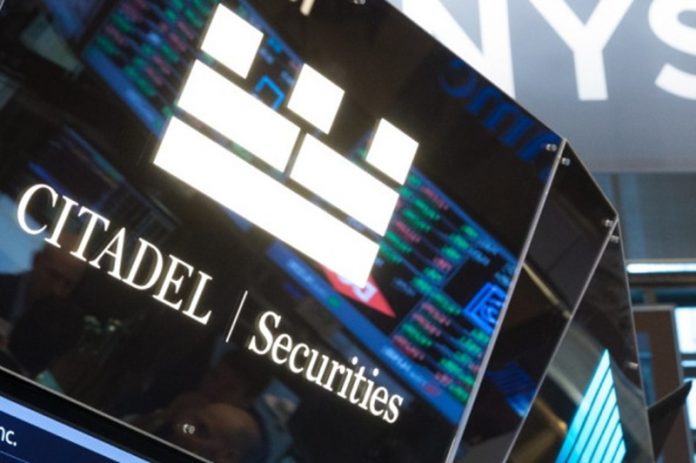
The cryptocurrency industry received another major vote of confidence as Citadel announced a $400 million investment in Crypto.com, marking one of the most significant institutional commitments to the digital asset sector in recent years.

The move highlights the increasing convergence between traditional finance and the crypto economy, reinforcing the idea that digital assets are becoming an integral part of the global financial system.

Citadel, one of the world’s most influential financial firms, has long been recognized for its sophisticated trading strategies and substantial presence in global markets.

Its decision to commit such a large sum to Crypto.com demonstrates a growing belief among institutional investors that cryptocurrency platforms are no longer speculative experiments but emerging pillars of modern finance.

Crypto.com has evolved significantly since its founding, transforming from a cryptocurrency exchange into a comprehensive digital financial ecosystem. The company offers services ranging from spot trading and derivatives to payment solutions, staking products, and crypto-backed financial services.

With millions of users across multiple jurisdictions, the platform has positioned itself as one of the leading gateways between traditional finance and blockchain-based services. The $400 million investment comes at a time when the cryptocurrency market is entering a new phase of maturity.

Regulatory frameworks are becoming clearer in several major economies, while institutional participation continues to expand through exchange-traded products, tokenized assets, and stablecoin initiatives.

Large financial institutions are increasingly exploring blockchain technology as a means of improving efficiency in payments, settlements, and capital markets.

For Citadel, the investment could provide strategic exposure to the rapidly expanding digital asset economy.

The firm has previously shown interest in crypto-related ventures and market infrastructure. By backing Crypto.com, Citadel gains access to one of the industry’s most recognized brands and a platform that continues to diversify its offerings beyond simple trading services.

The investment may also strengthen Crypto.com’s competitive position in an increasingly crowded market. Cryptocurrency exchanges are competing aggressively to attract both retail and institutional users through product innovation, compliance initiatives, and strategic partnerships.

An endorsement from a globally respected financial institution like Citadel could improve investor confidence and enhance Crypto.com’s reputation among regulators and institutional clients.

The deal underscores a broader trend of traditional financial firms seeking opportunities within blockchain-based ecosystems. Over the past few years, banks, asset managers, payment companies, and hedge funds have steadily increased their exposure to digital assets.

The growth of tokenized securities, stablecoins, and decentralized finance applications has created new investment opportunities that were largely absent during the earlier stages of crypto adoption.

The implications of Citadel’s investment extend beyond Crypto.com itself. Such a large commitment may encourage other institutional investors to reconsider their stance on digital assets, potentially accelerating the flow of capital into the sector.

Institutional participation often brings greater liquidity, improved market infrastructure, and increased legitimacy, all of which contribute to the long-term development of the cryptocurrency industry.

Regulatory uncertainty in certain jurisdictions, cybersecurity risks, and market volatility continue to pose significant obstacles. Crypto companies must also navigate evolving compliance requirements while maintaining innovation and user growth.

Citadel’s $400 million investment in Crypto.com represents a powerful signal that institutional confidence in digital assets continues to strengthen. The transaction highlights the growing integration between traditional finance and blockchain technology and suggests that major financial players increasingly view cryptocurrencies as a long-term opportunity rather than a passing trend.

As institutional capital continues to enter the market, partnerships such as this could play a crucial role in shaping the next phase of the digital asset industry’s evolution, potentially paving the way for broader mainstream adoption and a more interconnected global financial ecosystem.

White House Accuses China of Largest Election Data Breach in U.S. History

0

The White House has alleged that China was responsible for what it describes as the largest election-related data compromise in modern history.

A cyber campaign that reportedly spanned several years and targeted information linked to U.S. elections since the 2020 election cycle. The claims have reignited concerns about foreign interference, cybersecurity vulnerabilities, and the growing role of digital espionage in geopolitical competition.

According to U.S. officials, the alleged operation involved the unauthorized access and collection of sensitive election-related data, potentially affecting political organizations, government entities, and infrastructure connected to election administration.

While authorities have emphasized that there is currently no evidence that voting systems themselves were altered or that election outcomes were directly manipulated, the scale of the reported data compromise has raised serious questions about national security and democratic resilience.

Cybersecurity has become one of the defining challenges of modern governance. Elections, once primarily safeguarded through physical means, are now deeply intertwined with digital infrastructure.

Voter databases, campaign communications, polling information, and election logistics all rely heavily on interconnected networks that can become targets for sophisticated cyber actors.

The White House’s allegations come amid increasingly tense relations between Washington and Beijing. Over the past several years, the United States has repeatedly accused China of conducting cyber espionage campaigns aimed at government institutions, corporations, research organizations, and critical infrastructure.

China, however, has consistently denied such accusations, often asserting that it too has been a victim of cyberattacks and opposing what it describes as the politicization of cybersecurity issues.

If the allegations are substantiated, the implications could be significant. Beyond immediate concerns about data security, the incident highlights how foreign powers may seek to gain strategic advantages through information gathering.

Access to election-related data can provide valuable intelligence regarding political dynamics, voter behavior, campaign strategies, and potential vulnerabilities within democratic systems.

The incident also underscores the broader evolution of geopolitical competition.

Cyber operations have increasingly become a preferred tool of statecraft because they can deliver strategic benefits while avoiding the direct military confrontation associated with conventional warfare. Espionage, disinformation campaigns, and infrastructure infiltration now represent major components of international competition among major powers.

The reported compromise may further intensify calls for stronger cybersecurity measures and greater protection of election infrastructure. Policymakers have already invested billions of dollars into securing critical systems since concerns about foreign election interference emerged prominently during the 2016 election cycle.

The latest allegations suggest that significant vulnerabilities may still exist. Experts argue that defending democratic institutions in the digital age requires a multi-layered approach.

This includes strengthening cyber defenses, improving information sharing between federal and state authorities, enhancing public-private partnerships, and increasing international cooperation on cyber norms and accountability.

Election security is no longer solely a domestic issue but has become an integral component of national security strategy. The allegations may also contribute to further diplomatic tensions between the United States and China.

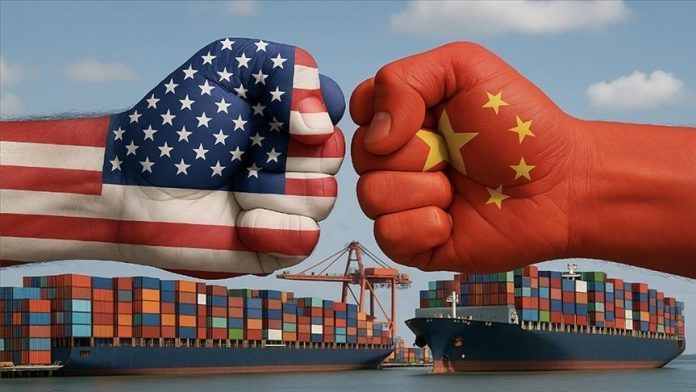
Relations between the two countries are already strained over issues including trade, technology restrictions, Taiwan, and military competition in the Indo-Pacific region. Accusations of extensive cyber intrusions could add another contentious dimension to an already complex bilateral relationship.

The reported data compromise serves as a reminder that modern democracies face evolving threats that extend far beyond traditional forms of interference. Whether through cyber espionage, data theft, or information operations, the digital battlefield has become a critical arena in global power competition.

Ensuring the integrity and security of electoral systems will likely remain a central priority for governments as they seek to protect democratic institutions in an increasingly interconnected world.