DD
MM
YYYY

PAGES

DD
MM
YYYY

spot_img

PAGES

Home Blog Page 3127

Experts Predict That DTX Exchange Can Challenge The Market Dominance of Litecoin and Ripple By 2025

0

Forget the “new kid on the block” narrative. DTX Exchange is a calculated move in the cryptocurrency chess game, poised to disrupt the dominance of established players like Litecoin (LTC) and Ripple (XRP). Experts predict DTX could capture significant market share by 2025, thanks to its innovative hybrid exchange model and features exceeding those of its competitors.

This article dives into the core functionalities of DTX Exchange and explores how it might redefine the cryptocurrency landscape.

DTX Exchange: A Hybrid Powerhouse Redefining Cryptocurrency Trading

DTX Exchange breaks the mold with its innovative hybrid exchange model. This unique approach merges the security and user-friendliness of centralized exchanges with the control and transparency of decentralized platforms. The result? A feature-rich environment that prioritizes both user experience and asset security.

Unlike traditional exchanges, DTX offers a wider range of assets for trading, extending beyond popular options like Litecoin (LTC) and Ripple (XRP). This caters to a more diverse investor base seeking a comprehensive trading experience.

The platform leverages distributed liquidity pools to create a seamless trading experience. By aggregating liquidity from various sources, DTX Exchange minimizes slippage, ensuring your trades are executed at the most favorable prices.

But DTX doesn’t stop there. It pushes boundaries further by offering industry-first 1000x leverage without requiring KYC verification. This caters to experienced traders seeking amplified returns, allowing them to maximize their trading potential.

With a clear focus on user needs and a commitment to innovation, DTX Exchange emerges as a strong contender in the ever-evolving cryptocurrency landscape.

Litecoin (LTC) Faces Bearish Pressure, Drops 15% in 24 Hours

Litecoin, often referred to as “silver to Bitcoin’s gold,” has carved a niche as a well-established altcoin. It has enjoyed significant success, with a loyal user base appreciating its reliability and speed. However, recent times have seen LTC struggle to keep pace with the broader market.

Litecoin (LTC) is experiencing a significant price decline, dropping 15% in the last 24 hours and 18% over the past week. This downward trend has pushed LTC below its support level of $66.91, bringing its current price to $59.56. The sharp price movement indicates strong bearish sentiment in the market, suggesting a cautious outlook for Litecoin’s immediate future.

These losses come amidst a broader market correction, with Bitcoin (BTC) recently losing its market dominance and dipping below $55,000. This overall bearish pressure is intensifying the selling pressure on LTC, with some analysts predicting a potential drop below $50.

Ripple (XRP) Feels the Market Chill, Dips Below $0.40

Amidst a broader crypto market downturn, Ripple’s XRP token hasn’t been spared. The price has taken a 13% tumble in the last 24 hours, slipping below the crucial $0.40 mark for the first time since March 2023. This decline comes despite earlier analyst predictions of a bullish trajectory for XRP, with some even expecting a new all-time high.

However, a glimmer of hope remains. The XRP Relative Strength Index (RSI) suggests a potential short-term revival for the asset. Additionally, a final resolution in the ongoing lawsuit between Ripple and the US Securities and Exchange Commission (SEC) could significantly impact XRP’s price. A decisive victory for Ripple is most likely to trigger a rally.

The lawsuit, which began in December 2020 and is currently in its trial phase, centers around allegations that Ripple sold unregistered securities in the form of XRP tokens. The SEC initially sought a hefty $2 billion fine, with Ripple countering with a proposed $10 million. More recently, the regulator softened its stance, proposing a reduced penalty of $102.6 million.

While nearing its conclusion, the legal process can be complex and lengthy, with potential appeals from either side extending the wait for a final outcome.

DTX Exchange Makes Waves in Presale, Poised to Challenge Established Players Like LTC and XRP

DTX Exchange is emerging as a major disruptor in the cryptocurrency market. Its innovative hybrid model offers a secure and feature-rich platform, addressing limitations present in both Litecoin (LTC) and Ripple (XRP)’s ecosystems. This innovative approach has fueled significant investor interest, with the ongoing presale surpassing an impressive $824,000.

Currently in the second stage, DTX tokens offer a compelling opportunity for early investors. At $0.04 each, they represent a 100% increase from the first stage price. This price is expected to rise further to $0.06 in the next stage, making DTX an attractive option for those seeking entry into a potentially revolutionary platform.

Learn more:

Visit DTX Presale

Read Whitepaper

Join The DTX Community

Cost of Living Outstripping Incomes in Nigeria

0

In Nigeria, the rising costs of food and transportation are increasingly becoming a significant concern for workers, as these expenses consume a larger portion of their hard-earned revenue. The situation has been exacerbated by the removal of fuel subsidies, leading to a spike in fuel prices and, consequently, higher costs for basic necessities across the board.

The economic reforms initiated by the administration of President Bola Ahmed Tinubu, including the removal of gasoline subsidies and the liberalization of the exchange rate, were aimed at stabilizing the macroeconomic environment. However, these changes have had unintended consequences for the average Nigerian worker. The increased fuel prices have directly impacted the cost of transportation and food, two essential components of daily life.

The repercussions of these economic measures have been far-reaching, affecting not only Nigerian citizens but also neighboring West African states that relied on subsidized petrol from Nigeria. The ripple effect has been a general increase in food items and transport fares, contributing to an economic downturn in 2023, with a decline in GDP growth, rising inflation, and a devaluation of the Naira, which has eroded the purchasing power of consumers.

The impact on workers’ revenue is profound. With the cost-of-living outstripping incomes, many Nigerian workers find themselves in a precarious position. The minimum wage has remained stagnant, and with food inflation rising by over 25% from April 2021 to March 2024, the disparity between earnings and the cost of essential goods has widened significantly. The minimum wage of 30,000 Naira is no longer sufficient to cover the basic food requirements for an adult, let alone a family, with the price of essential foodstuffs for one adult reaching over 40,980 Naira, which is about 37% higher than the minimum wage.

Workers are forced to adapt by reducing their food intake, changing their diets, or seeking additional jobs to make ends meet. Savings have become a luxury many can no longer afford, as any reserves are quickly depleted to cope with the escalating costs. The situation is dire for those earning the minimum wage, who are the hardest hit by these economic challenges.

The government’s efforts to diversify revenue streams have shown some positive signs, with non-oil revenue demonstrating a consistent upward trajectory. However, this has not been enough to offset the increased cost of living for workers. The need for a review of the minimum wage is evident, yet no such review is forthcoming, leaving workers to grapple with the financial strain.

As food prices and transport fares continue to rise, the question remains: how can the Nigerian worker navigate these economic challenges? The answer lies in a multifaceted approach that includes government intervention to review wages, implement policies that curb inflation, and provide subsidies where necessary to alleviate the burden on the working class. Additionally, there is a need for increased investment in public transportation and infrastructure to reduce commuting costs and improve efficiency.

The situation calls for a collective effort from all stakeholders to ensure that the economic growth of Nigeria does not come at the expense of its workforce. It is imperative to strike a balance between macroeconomic stability and the welfare of the Nigerian people, ensuring that workers can afford a decent standard of living without sacrificing their health or financial security.

Will Ethereum Drop To $2400? ETH and Optimism (OP) Holders Are Hedging With Rollblock (RBLK) As Number Of Price Increases Set For July

0

The cryptocurrency markets are notoriously volatile and 2024 has been no exception. While investors were initially jubilant in the wake of huge gains earlier this year, Ethereum (ETH) has retraced the recent ETF approval pump and Optimism (OP) is down 50% in 3 months.

A new coin is going through its presale at the moment, and Ethereum and Optimism investors are flocking to it in hopes of maximizing their gains for the rest of 2024. Rollblock ($RBLK) brings the power of Web3 to the online gambling market and is set to become one of the hottest tokens of this bull run. Some experts are predicting it will move over 800% before the end of the presale alone!

Ethereum (ETH) Gives Back ETF Gains to Market as Value Plummets

The approval of the Ethereum (ETH) ETF caught many crypto investors off guard earlier this year. Ethereum’s price went on a long-awaited trip north to $4k but has since retraced the entire pump, landing back to $2870 with a bump.

Ethereum should find decent support around these levels, and a market reversal could come sooner than many think. An eventual reclaim of the $4K level would signal a return to the uptrend and a potential run to all-time highs. The Ethereum price is down nearly 24% in one month, leading many investors to wonder when they should rotate out of their ETH holdings into newer coins with more upside potential.

Optimism (OP) Plummets 60% in Three Months As Investors Nurse Losses

Optimism (OP) has had a challenging period of price action as significant selling pressure has pushed the price down below key levels of support. Despite Optimism activating innovative Fault-Proofs on their main-net chain recently, investors have had little to be excited about as bears have been in the driving seat.

Many had hoped to see Optimism support hold at around $2.50, but this level has now been breached. The Optimism coin technical indicators are now flashing a strong sell signal. Optimism holders are now looking to hedge their investments with newly launched projects such as Rollblock.

Rollblock ($RBLK): Crypto Casino to Mint Millionaires This Year

Rollblock ($RBLK) is a cutting-edge, fully community-backed, crypto-native casino set to shake up the traditional online gambling world. Combining the best of online table games with the innovative power of blockchain technology, Rollblock is certain to onboard the next wave of crypto enthusiasts to their platform in 2024.

Rollblock is poised to take a large share of the $450 billion gambling industry by adding the latest Web3 infrastructure. The Rollblock casino is fully licensed and has already opened its doors to players. There is no need for players to register with cumbersome KYC approval, as users need only an email address and a crypto wallet to connect.

Once inside, players will find themselves spoiled for choice as the site caters to all tastes with a huge range of traditional games such as roulette and poker as well as some newly launched exclusives. Coming soon, the casino will offer a sports betting feature to allow bets on a huge range of events including soccer, boxing, and Formula 1.

Rollblock’s native token, $RBLK, is integral to the site’s utility and is expected to become a DeFi gem in 2024. A robust system of tokenomics will ensure sustained price growth, with many analysts predicting a 100x this year! Rollblock offers a unique revenue-sharing feature in which a portion of the casino’s profits will be used to buy back RBLK on the open market each week.

This will result in millions of dollars of RBLK purchased each week, providing price support and growth. Half of these tokens will be burned forever, reducing supply, and the other half will be distributed to stakers who can earn attractive levels of interest (up to 30% APY) as they stake their holdings. This is only going to make an already loyal user base even more committed to the long-term success of the project.

The presale is currently in stage 3 and $RBLK is on sale for just $0.015. Nearly 60% of presale coins have already been sold and these prices won’t last much longer. Investors are urged to research this groundbreaking project and make an allocation before the price goes vertical, as experts predict up to 880% growth before the presale ends!


Discover the Exciting Opportunities of the Rollblock (RBLK) Presale Today!

Website: https://presale.rollblock.io/

Socials: https://linktr.ee/rollblockcasino

The Best Investors are Customers: The Pyramid of Customer Needs, Expectations and Perceptions

1

Focus on how the CUSTOMERS will invest, and not just how the “investors (VCs, angels, etc)” will invest in your business. Why? The best investors in any company are CUSTOMERS because they engineer profits, the most assured element for a long-term sustainability of any business.

In this piece, I explain how to attract, retain and make customers fans. When your customers become fans, you have won the business category.

Summary

  • Understanding and meeting customer needs is crucial for businesses, but exceeding those needs is essential to stay relevant in the fast-paced 21st-century market.
  • Customers in today’s market not only expect their needs to be met but also desire companies to understand and fulfill their expectations, which often go beyond basic needs.
  • While meeting expectations can help businesses stay competitive, the true challenge lies in meeting customer perceptions, which involves providing products or services that customers never knew they needed but readily embrace once introduced.
  • Companies like Apple excel at exceeding customer expectations by offering products that customers didn’t even know they wanted, such as the iPod and iPhone, which were disruptive innovations in their respective markets.
  • Products that succeed at the level of perception are often disruptive in their industries and can redefine market standards, leading to significant shifts in customer preferences and behaviors.
  • Focusing on meeting customer perceptions rather than just expectations can lead to increased customer loyalty, higher profitability, and a competitive edge in the market.
  • Research suggests that customers whose perceptions are met tend to be the most profitable and loyal, making them valuable assets for businesses seeking sustainable growth and success.
  • By prioritizing the understanding and fulfillment of customer perceptions, businesses can cater to the needs of sophisticated customers, drive innovation, and maintain a strong position in the market.
  • The reward is fandom when customers become fans of a brand.

Context

Understanding and exceeding customer expectations has become a cornerstone of success in today’s dynamic business landscape. Businesses are no longer solely focused on meeting basic customer needs but are now striving to surpass expectations to differentiate themselves from competitors and foster growth. This shift stems from the evolving market dynamics and changing consumer behaviors that demand a deeper understanding of customer perceptions.

Customer perceptions, defined as the subjective views and beliefs customers hold about a company’s offerings, play a pivotal role in shaping brand loyalty, profitability, and competitive advantage. By embracing customer-centricity and disruptive innovation, companies aim to not only meet but exceed these perceptions to secure their position in the market.

Recent events have highlighted successful instances where companies have gone above and beyond in exceeding customer perceptions through disruptive products and redefined market standards. These real-world examples underscore the importance of staying ahead of evolving customer expectations to maintain relevance and drive innovation. Looking ahead, businesses that prioritize understanding and exceeding customer perceptions are poised to lead their industries by leveraging advancements in technology such as data analytics, artificial intelligence, and personalized marketing strategies.

By delving into related topics like consumer behavior psychology, product development strategies, brand loyalty programs, market research methodologies, businesses can further enhance their ability to anticipate and meet the ever-changing demands of modern consumers while securing long-term success in an increasingly competitive marketplace.

Things To Consider

In the pursuit of exceeding customer perceptions to stay competitive in the dynamic market landscape, businesses must tread carefully to avoid potential pitfalls. While meeting customer expectations is crucial, an overemphasis on surpassing perceptions may lead to neglecting fundamental needs. Striking a balance between meeting basic requirements and exceeding expectations is essential to ensure sustained customer satisfaction and loyalty. Moreover, the risk of misjudging customer perceptions looms large when companies solely focus on anticipating and fulfilling desires that may not align with market realities. Resource allocation becomes a critical concern as pursuing perception-exceeding products or services can be resource-intensive, necessitating a thorough assessment of feasibility and long-term viability.

Furthermore, in diverse markets with varied customer preferences, businesses must acknowledge that what resonates with one segment may not appeal to another. Market saturation poses a significant challenge as companies vie to introduce perception-exceeding offerings amidst intense competition. Balancing innovation with stability becomes paramount for maintaining trust and loyalty among customers. Ethical considerations should also underpin endeavors to exceed perceptions, ensuring that ethical standards are not compromised in the pursuit of meeting evolving customer desires.

Ultimately, while striving to exceed customer perceptions can yield short-term gains, businesses must carefully evaluate the long-term sustainability of their strategies by building a robust foundation rooted in addressing core customer needs for enduring success in the ever-evolving business landscape.

Beyond Customer Need and Expectation, Perception is King of Market


The Biggest Business Cartel in the World is still the 7 Sisters

0

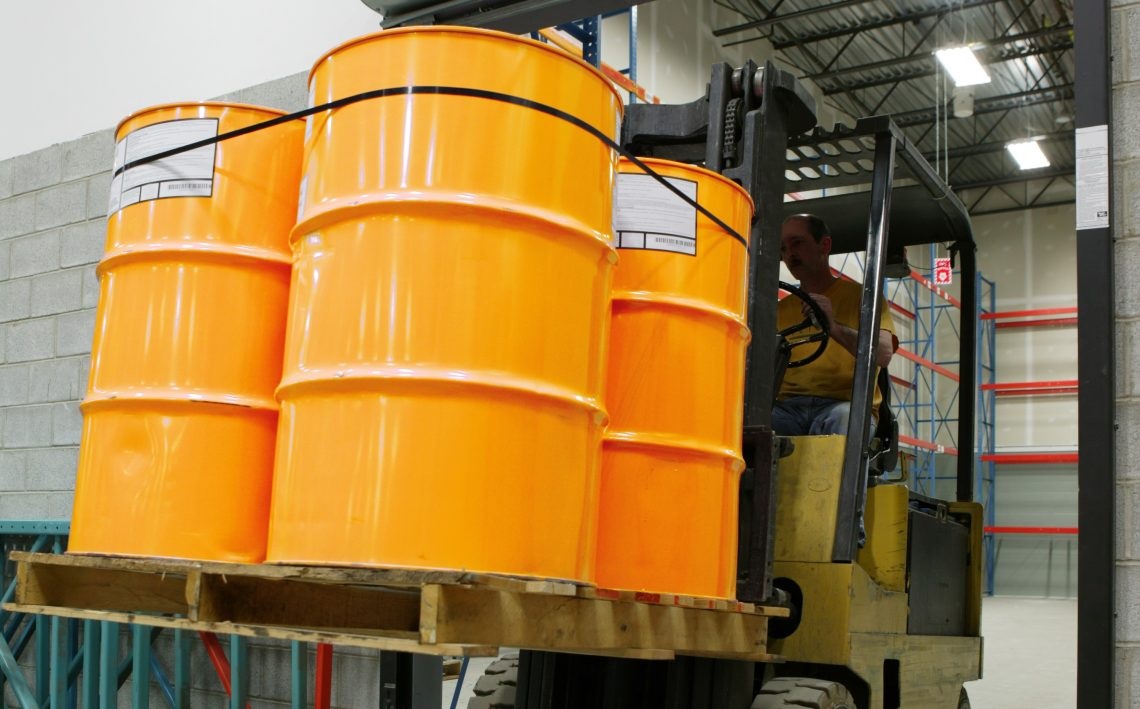
The term ‘Seven Sisters’ refers to a group of oil companies that once dominated the global petroleum industry. Originating from a cartel known as the Consortium for Iran, these companies included Anglo-Persian Oil Company (now BP), Gulf Oil, Royal Dutch Shell, Standard Oil of California (now Chevron), Standard Oil of New Jersey (Esso), Standard Oil of New York (Mobil), and Texaco.

The ‘Seven Sisters’ played a pivotal role in the oil sector from the mid-1940s to the mid-1970s. They controlled the production and sale of oil across the world, influencing prices and policies. The term was coined by Enrico Mattei, an Italian state oil company chief, who used it to describe the immense power wielded by these entities.

Today, the landscape of the oil industry has changed significantly. The original ‘Seven Sisters’ have merged into larger conglomerates, and new players have emerged, particularly national oil companies which now have a substantial role in the global oil market. For instance, China’s Sinopec and the China National Petroleum Corporation, as well as Saudi Aramco, reported greater revenues in 2022 than any of the investor-owned oil companies.

The legacy of the ‘Seven Sisters’ is still felt today as the term has evolved to sometimes include the largest publicly traded oil and gas companies, also known as supermajors. These companies continue to have significant influence over the industry, although the dynamics have shifted with the rise of national companies and OPEC’s role in oil pricing.

As of 2024, the dynamics within the oil sector have shifted, with new players emerging and the original ‘Seven Sisters’ adapting to the changing environment. The influence of these companies has evolved, with each entity facing its own set of challenges and opportunities in a world where energy transition and sustainability are becoming increasingly important.

The original ‘Seven Sisters’ have had to navigate through a myriad of changes, including geopolitical shifts, technological advancements, and a global push towards renewable energy sources. Despite these challenges, they have managed to maintain a significant presence in the industry, although their dominance has been contested by the rise of state-owned giants, often referred to as the ‘new Seven Sisters’, which include influential energy companies from countries outside the Organization for Economic Co-operation and Development.

The current state of the ‘Seven Sisters’ is a testament to their resilience and ability to adapt. While they no longer hold the monopoly they once did, they continue to play a crucial role in the global energy supply chain. Their strategies have diversified, with investments in alternative energy sources and innovative technologies to reduce carbon footprints and meet the demands of a changing market.

The developments in 2024 reflect a broader trend in the industry: a move towards a more diversified and competitive landscape. The ‘Seven Sisters’ have had to contend with the rise of renewable energy, the fluctuating demand for oil, and the increasing importance of environmental, social, and governance (ESG) criteria in business operations.

The ‘Seven Sisters’ are often cited in discussions about the economic power and political influence of the oil industry. They are emblematic of a time when a few corporations controlled a vast portion of a critical global resource. Their story is a testament to the evolving nature of international business and the shifting balance of power in the global economy.

As the world moves towards renewable energy sources and away from fossil fuels, the influence of these oil giants may wane, but their impact on the industry and the world at large will undoubtedly be remembered as a significant chapter in the history of global commerce. The ‘Seven Sisters’ serve as a reminder of the importance of diversification, competition, and regulation in preventing the concentration of power that can lead to monopolistic practices and market manipulation.

The ‘Seven Sisters’ remain influential entities within the global oil industry, but their role is now part of a larger, more complex network of players. The year 2024 marks another chapter in the ongoing evolution of the oil industry, highlighting the need for traditional oil companies to innovate and adapt to maintain relevance in a rapidly changing world. The future of the industry will likely be defined by those who can successfully balance the demands of energy security, environmental stewardship, and economic viability in an increasingly competitive and scrutinized market.