DD
MM
YYYY

PAGES

DD
MM
YYYY

spot_img

PAGES

Home Blog Page 3625

It is Impossible, I-DICE Will NOT Create 65,000 “Startups” in Nigeria!

3

Catherine Colonnade, the Minister for Europe and Foreign Affairs of the Republic of France, has noted that  the Investment in Digital and Creative Enterprises (I-DICE) program in Nigeria could create 65,000 startups in Nigeria: ‘The program will create more than 65,000 start-ups, 150,000 direct jobs in the technology and creative industries sectors, and approximately 1.3 million indirect jobs,’’ she said’

The $600 million program which has the support of the French Development Agency, the African Development Bank), the Islamic Development Bank (ISDB) and Nigeria’s the Bank of Industry (BOI), is promising because it has the capacity to help our young people. 

Yet, looking at the statements, it is evident that the critical indicators and KPIs are not well structured. Yes, I-DICE cannot create 65,000 startups but could create 65,000 small businesses.  Indeed, there is a massive distinction between a startup and a small business, and lack of that understanding is one of the reasons why we have not developed the appropriate policy tools to help startups in Nigeria.

A startup scales and rapidly, but a small business does not. You can have that neighbourhood shop with mom and dad as workers, for two decades, serving your street (a small business), but a startup will grow, scale and hire many people. So, startups have inherent genes of fast growth while small businesses may not.

(Of course, every startup begins as a small business, but rapidly moves into a scaling phase within a short time, unlike a small business which remains there.)

Sure, I commend the vision of I-DICE, but if truly they want to create startups in Nigeria, they should go back to the drawing table, and restructure it because the 65,000 target is impossible!

“The programme will create more than 65,000 start-ups, 150,000 direct jobs in the technology and creative industries sectors and approximately 1.3 million indirect jobs.’’

Speaking on behalf of the vice president, Tijani said Shettima champions youth development and the Nigerian government’s efforts to boost the employability of young people by focusing on promising careers in the digital, cultural and creative industries.

“As part of our efforts to stimulate the growth of the Nigerian economy and mainstream the application of technology in critical sectors, we welcome the support of the French government as they collaborate with us to leapfrog technological advancements for the benefit of our startup ecosystem.

“This funding from the AFD for the I-DICE programme is a testament to France’s historical commitment to the growth of startups which is evidenced by its position as a leading startup destination in Europe”.

He said the I-DICE programme and the launching of France’s contribution through the signature of the Financing Agreement between the AFD and FG are perfectly in line with the existing political will and momentum to advance young Nigerians.

US Fiscal Situation Appears Dire and Unsustainable, Starlink Now Approved in Benin Republic

0

The US fiscal situation is dire and unsustainable. According to the latest data, the federal debt has reached a staggering $33.7 trillion, while the unfunded liabilities, such as Social Security, Medicare and pensions, amount to $211.2 trillion. This means that the total obligations of the US government exceed $245 trillion, or more than 10 times the annual GDP. This is a ticking time bomb that threatens the future of the country and the world economy.

How did we get here? The main culprit is the chronic deficit spending by both Republican and Democratic administrations, especially in the wake of the Covid-19 pandemic, which added trillions of dollars to the debt. The Federal Reserve has also played a role by keeping interest rates near zero and buying massive amounts of Treasury bonds and mortgage-backed securities, effectively monetizing the debt and creating inflationary pressures.

What are the consequences? The high debt level limits the fiscal space for addressing other urgent issues, such as infrastructure, education, health care and climate change. It also exposes the US to the risk of a sovereign debt crisis, if investors lose confidence in its ability to repay or service its obligations. This could trigger a spike in interest rates, a collapse in the dollar and a global financial meltdown.

What can we do? There is no easy solution, but some steps are necessary and inevitable. First, we need to rein in the deficit spending and adopt a credible medium-term fiscal consolidation plan that balances the budget over time. Second, we need to reform the entitlement programs and make them more efficient and sustainable, by raising the retirement age, means-testing benefits and adjusting them to inflation.

Third, we need to raise more revenues by broadening the tax base, eliminating loopholes and deductions, and increasing taxes on the wealthy and corporations. Fourth, we need to promote economic growth and innovation by investing in human capital, research and development, and green technologies.

These are not popular or painless measures, but they are essential for preserving the fiscal solvency and credibility of the US. The longer we delay, the worse the problem will become and the harder it will be to solve. We owe it to ourselves and to future generations to act now and restore fiscal responsibility. The US fiscal situation has serious negative implications for both the short-term and long-term economic performance and national security of the country.

In the short term, high levels of debt and deficits can crowd out private investment and reduce economic growth. They can also limit the government’s ability to respond to economic shocks or emergencies, such as recessions or wars. They can also increase inflationary pressures and raise interest rates, which can hurt consumers and businesses alike.

In the long term, unsustainable levels of debt and deficits can undermine the credibility and solvency of the US government. They can erode investor confidence and trigger a fiscal crisis, where investors lose faith in the government’s ability or willingness to repay its debt. This can lead to a sudden spike in interest rates, a sharp decline in the value of the dollar, and a loss of access to international capital markets. This can have devastating effects on the economy, such as a deep recession, a banking collapse, or a sovereign default.

Starlink now authorized in Benin

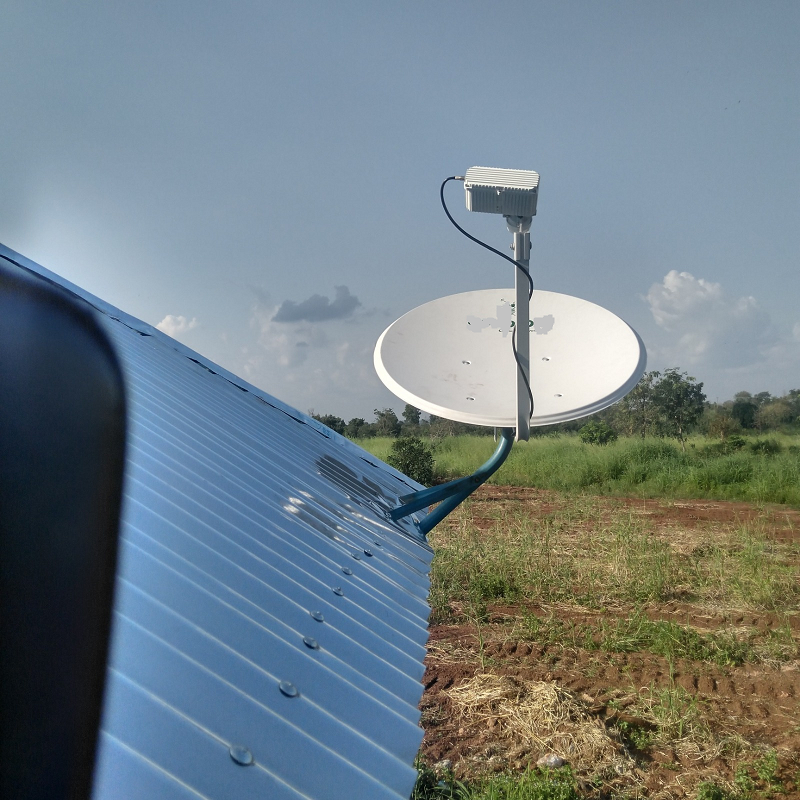
SpaceX has received official authorization from the government of Benin Republic to operate in the country. This is a major milestone for us and for the people of Benin, who will soon have access to fast, reliable and affordable broadband internet.

Starlink is a constellation of thousands of low-Earth orbit satellites that beam high-speed internet to anywhere on the planet. Unlike traditional satellite internet, which suffers from high latency and low bandwidth, Starlink delivers broadband speeds comparable to fiber-optic networks, with a latency of under 20 milliseconds. Starlink also has the advantage of being able to reach remote and rural areas that are underserved or unserved by terrestrial infrastructure.

According to SpaceX, Benin is one of the first African countries to authorize Starlink, and we are grateful for the support and collaboration of the Ministry of Digital Economy and Communication, the Regulatory Authority for Electronic Communications and Posts, and other relevant agencies. We are committed to working with them to ensure a smooth and successful deployment of Starlink in Benin.

Starlink service in Benin will commence in the first half of 2024, subject to regulatory approvals and technical testing. Customers in Benin will be able to pre-order Starlink kits online, which include a self-installing satellite dish, a Wi-Fi router, and a power supply. The kits will cost $499 upfront, plus $99 per month for the service. We will also partner with local distributors and installers to provide customer support and assistance.

Starlink believes it can make a significant difference in improving the digital inclusion and economic development of Benin, by providing high-quality internet access to millions of people who currently lack it. We look forward to connecting Benin to the global network of Starlink users, and to bringing the benefits of satellite internet to this beautiful and vibrant country.

The Appreciating Naira Against US Dollar Will Deliver Positive Impacts on the Nigerian Economy

0

The Nigerian currency, the naira, has continued its recovery against the US dollar at the parallel market, also known as the black market, where it exchanged for N950 per dollar on Friday. This represents a significant improvement from N1,050 per dollar that it traded on Thursday, as demand for the greenback weakened and supply increased.

According to naijabdcs.com, a website that collates the exchange rates of various bureau de change (BDC) operators across the country, the naira appreciated by N100 or 9.52 percent to close at N950/$1 on Friday from N1,050/$1 on Thursday. The local currency also gained N5 against the British pound sterling to close at N1,310/£1 on Friday from N1,315/£1 on Thursday, while it remained unchanged against the euro at N1,180/€1.

The naira’s performance at the parallel market was boosted by the Central Bank of Nigeria (CBN)’s decision to increase the allocation of foreign exchange to BDCs from $20,000 to $50,000 per week. The apex bank also resumed the sale of forex to BDCs on Monday after suspending it for over a year due to the COVID-19 pandemic and the associated lockdowns.

The Nigerian currency, the naira, has continued its recovery against the US dollar at the parallel market, also known as the black market. According to data from Aboki FX, a website that tracks the exchange rates of major currencies in Nigeria, the naira strengthened by 1.2% to close at N560 per dollar on Friday, November 3, 2023. This is the lowest level since September 23, when the naira traded at N557 per dollar.

The naira’s appreciation at the parallel market comes amid efforts by the Central Bank of Nigeria (CBN) to boost liquidity and stability in the foreign exchange market. The CBN has been injecting dollars into the market through various interventions, such as the Naira 4 Dollar Scheme, which offers an incentive of N5 for every $1 remitted through licensed money transfer operators. The scheme, which was introduced in March 2021 and extended indefinitely in May 2021, aims to encourage diaspora remittances and increase dollar inflows into the country.

Why is the Naira consolidating against the dollar?

The Naira, the official currency of Nigeria, has been gaining strength against the US dollar in recent months. This is a remarkable turnaround from the previous years, when the Naira suffered from high inflation, low oil prices, and political instability. What are the factors behind this consolidation, and what are the implications for the Nigerian economy and its people?

One of the main drivers of the Naira’s appreciation is the increase in oil prices, which have risen from around $40 per barrel in October 2020 to over $80 per barrel in November 2023. Oil is Nigeria’s main export commodity, accounting for about 90% of its foreign exchange earnings. As oil prices rise, Nigeria earns more dollars from its oil sales, which boosts its foreign reserves and supports its currency.

Another factor is the improvement in the macroeconomic management of the country, which has been praised by international institutions such as the IMF and the World Bank. The Nigerian government has implemented several reforms to enhance fiscal discipline, reduce debt, diversify the economy, and attract foreign investment. These reforms have helped to restore confidence in the Naira and reduce the demand for dollars in the parallel market, where the exchange rate is usually higher than the official one.

A third factor is the intervention of the Central Bank of Nigeria (CBN), which has been using various monetary policy tools to stabilize the Naira and curb inflation. The CBN has increased its benchmark interest rate from 11.5% in September 2020 to 14% in November 2023, making it more attractive for investors to hold Naira-denominated assets. The CBN has also sold dollars to authorized dealers and bureau de change at regular intervals, ensuring adequate supply of foreign exchange in the market.

The consolidation of the Naira against the dollar has positive effects for the Nigerian economy and its people. It reduces the cost of imports, especially of essential goods such as food and fuel, which lowers inflation and improves living standards. It also increases the purchasing power of Nigerians abroad, who can remit more money to their families at home. It also enhances the competitiveness of Nigerian exports, especially of non-oil products such as agriculture and manufacturing, which can create more jobs and income.

However, there are also some challenges and risks associated with a stronger Naira. It may discourage foreign investors from investing in Nigeria, as they may perceive a lower return on their capital. It may also hurt some domestic producers who rely on imported inputs or who face competition from cheaper imports. It may also create complacency among policymakers, who may neglect to implement further structural reforms that are needed to sustain long-term growth and development.

Therefore, it is important for Nigeria to maintain a balanced and flexible exchange rate regime that reflects market conditions and economic fundamentals. It is also crucial for Nigeria to continue to pursue sound macroeconomic policies that promote fiscal sustainability, monetary stability, and economic diversification. By doing so, Nigeria can ensure that its currency remains a source of strength and stability for its economy and its people.

The CBN has also been cracking down on illegal operators and activities in the parallel market, such as hoarding, speculation and round-tripping. The apex bank has warned that anyone caught engaging in these practices will face severe sanctions, including arrest and prosecution. The CBN has also urged Nigerians to patronize only licensed and authorized dealers for their foreign exchange needs, and to report any suspicious transactions to the appropriate authorities.

The naira’s recovery at the parallel market is a welcome development for many Nigerians who rely on this segment of the market for their personal and business needs. However, some analysts have cautioned that the naira’s strength at the parallel market may not be sustainable in the long run, unless there is a significant improvement in the country’s macroeconomic fundamentals, such as oil prices, external reserves, inflation and trade balance. They have also called for more reforms and policies that will enhance the productivity and competitiveness of the Nigerian economy and reduce its dependence on oil revenues and imports.

Possible Approval of Bitcoin ETF by the End of November

0

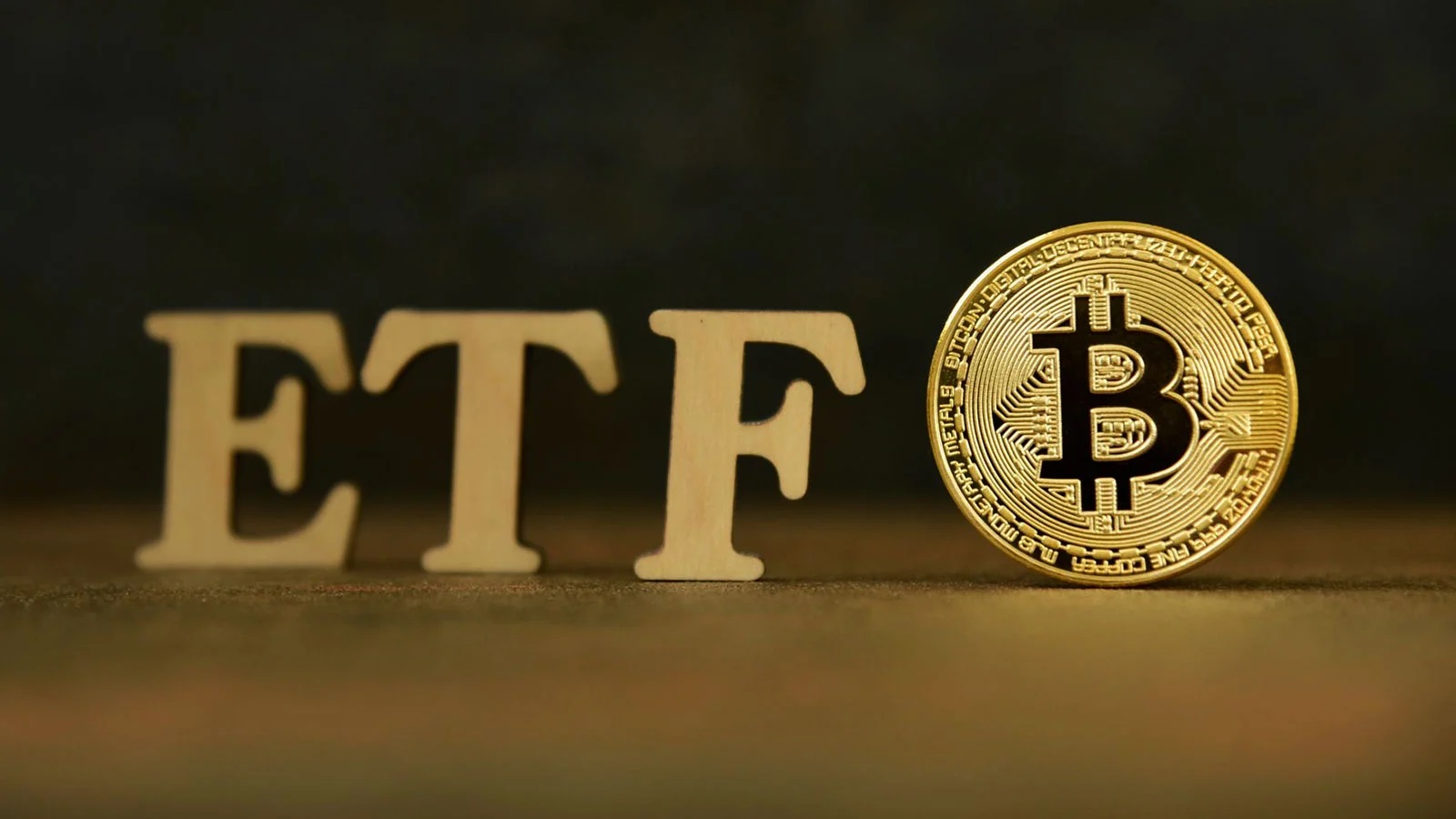
The Bitcoin exchange-traded fund (ETF) market has been eagerly awaiting a green light from the US Securities and Exchange Commission (SEC) for a long time. Many applications have been filed, rejected, or delayed, but the hope remains that one day, the SEC will approve a Bitcoin ETF that can offer investors exposure to the leading cryptocurrency in a regulated and convenient way.

One of the companies that has submitted a Bitcoin ETF application is Valkyrie Investments, a digital asset management firm that already offers several crypto-related products and services. Valkyrie’s Chief Investment Officer, Steven McClurg, recently shared his insights and expectations on the Bitcoin ETF landscape in an exclusive interview.

McClurg believes that the chances of a Bitcoin ETF approval are higher than ever, especially after the SEC approved the first Bitcoin futures ETFs in October. He thinks that the SEC is more comfortable with the futures market than the spot market, as it has more oversight and regulation. However, he also acknowledges that futures ETFs have some drawbacks, such as higher fees, contango, and tracking error, compared to spot ETFs.

That’s why McClurg is optimistic that Valkyrie’s spot Bitcoin ETF application, which was filed in June and is currently under review by the SEC, will eventually get approved. He says that Valkyrie has done extensive research and due diligence to address the SEC’s concerns regarding market manipulation, custody, valuation, liquidity, and investor protection. He also points out that Valkyrie has partnered with Coinbase, one of the largest and most reputable crypto platforms in the world, to provide custody and execution services for its spot Bitcoin ETF.

McClurg expects that the SEC will make a decision on Valkyrie’s spot Bitcoin ETF by the end of November, as that is the statutory deadline for the agency to either approve or deny the application. He says that he is confident that Valkyrie has presented a strong case for its product and that it meets all the criteria and standards that the SEC requires. He also hopes that the SEC will recognize the benefits and advantages of a spot Bitcoin ETF over a futures ETF for investors who want to gain exposure to Bitcoin in a simple and cost-effective way.

McClurg concludes by saying that he is excited about the future of Bitcoin and the crypto industry as a whole, and that he believes that a spot Bitcoin ETF will be a game-changer for the market. He says that Valkyrie is committed to providing innovative and accessible crypto solutions for investors of all types and sizes, and that he looks forward to seeing more adoption and acceptance of digital assets in the mainstream financial world.

However, there are also some drawbacks and risks associated with bitcoin ETFs that investors should be aware of before jumping in. Here are some of them:

Regulatory uncertainty: Bitcoin ETFs are subject to the rules and regulations of the jurisdictions where they are listed and traded, which may vary widely and change frequently. For example, in the US, the Securities and Exchange Commission (SEC) has not yet approved any bitcoin ETFs, citing concerns over market manipulation, fraud, custody, and investor protection.

The SEC has also recently warned that it may sue Coinbase, a leading cryptocurrency exchange, over its plans to launch a lending program involving crypto assets. These regulatory hurdles and uncertainties may affect the availability, performance, and legality of bitcoin ETFs in different markets.

Tracking error: Bitcoin ETFs aim to track the price of bitcoin as closely as possible, but they may not always succeed due to various factors such as fees, expenses, liquidity, supply and demand, market volatility, and technical issues. Tracking error is the difference between the return of an ETF and the return of its underlying asset. A high tracking error means that the ETF is not accurately reflecting the price movements of bitcoin, which may result in losses or missed opportunities for investors.

Premium or discount: Bitcoin ETFs may trade at a premium or discount to their net asset value (NAV), which is the value of their underlying holdings. A premium means that the ETF is trading at a higher price than its NAV, while a discount means that it is trading at a lower price than its NAV.

These price discrepancies may occur due to supply and demand imbalances, market inefficiencies, or arbitrage opportunities. Investors who buy an ETF at a premium may end up overpaying for their exposure to bitcoin, while investors who sell an ETF at a discount may end up receiving less than their fair share.

Tax implications: Bitcoin ETFs may have different tax implications than holding bitcoin directly, depending on the tax laws and regulations of each country. For example, in the US, bitcoin is treated as property for tax purposes, which means that investors have to report any capital gains or losses when they sell or exchange it.

However, bitcoin ETFs may be treated as securities or commodities for tax purposes, which may have different tax rates and reporting requirements. Investors should consult their tax advisors before investing in bitcoin ETFs to understand the potential tax consequences.

Counterparty risk: Bitcoin ETFs involve intermediaries such as fund managers, custodians, brokers, exchanges, and regulators, who may pose counterparty risk to investors. Counterparty risk is the risk that one party in a transaction fails to meet its obligations or perform its duties, resulting in losses or delays for the other party.

For example, a fund manager may mismanage the assets of an ETF, a custodian may lose or compromise the private keys of the bitcoin holdings, a broker may default on its trades or charge excessive fees, an exchange may suffer a hack or outage, or a regulator may impose sanctions or restrictions on an ETF. These scenarios may affect the security, liquidity, and value of bitcoin ETFs.

Bitcoin ETFs are not a perfect solution for investing in bitcoin. They have their own advantages and disadvantages that investors should weigh carefully before making a decision. Bitcoin ETFs may offer convenience, diversification, and exposure to bitcoin, but they also come with regulatory uncertainty, tracking error, premium or discount, tax implications, and counterparty risk.

There are several potential benefits of a spot Bitcoin ETF, such as:

Liquidity: A spot Bitcoin ETF would trade on a regulated stock exchange, making it easier and cheaper for investors to buy and sell shares. This would also reduce the risk of price manipulation or fraud that may occur on some unregulated platforms.

Accessibility: A spot Bitcoin ETF would open up the market for Bitcoin to a wider range of investors, especially institutional ones, who may have legal or operational constraints that prevent them from holding the cryptocurrency directly. A spot Bitcoin ETF would also lower the barriers to entry for retail investors, who may not have the technical knowledge or resources to deal with the complexities of Bitcoin.

Diversification: A spot Bitcoin ETF would offer investors a way to diversify their portfolio with an asset that has a low correlation with other traditional assets, such as stocks and bonds. This could help improve the risk-return profile of their portfolio and hedge against inflation or currency devaluation.

Transparency: A spot Bitcoin ETF would provide investors with clear and accurate information about the value and performance of their investment, as well as the fees and expenses involved. A spot Bitcoin ETF would also be subject to the same regulatory and reporting standards as other ETFs, ensuring a high level of oversight and accountability.

Do You Need Performance Reviews In Your Company?

1
  • Founder: “Sir, do we need performance reviews?”
  • Ndubuisi: “In the United States, YES. But in Nigeria, it is not really necessary at this stage”.

Good People, this is the season of performance reviews. Most people will say that it is a waste of time. I partly agree, and do note that as humans we do many wasteful things in life – and performance review is one of the most necessary wasteful activities.

So, even if it is a waste of time, please do it, if your business operates in the United States.  An African axiom says that “one day a bad child could  be useful”. And that is what performance review does: when you are sued, that document could be  the core defensive material you have, and that is why most companies do it.  Yes, as you sign-off that document, you have just helped a company’s defense!

But if  you operate in Nigeria where employees rarely sue, a ratified performance review is not that necessary for most firms (of course the bigger you are, the higher the stakes, and that is the risk vector which could mean – waste the time and get signed performance reviews). You can call a staff member and explain strengths and weaknesses, and work with that person to improve where necessary. But in America, after doing all that, ask the person to sign something. 

That said, ask your HR expert and company attorney for guidance and not rely on a village guy.

Performance review season is upon us, and for some companies – it’s become a “colossal waste of time,” writes the Financial Times. Even as businesses tout inclusion, controversial review systems are still widely in place. In areas such as the tech sector, forced rankings are making a comeback in an effort to help leaders decide who to let go. The problem with that: It leaves out key factors, such as staffers who always help their colleagues get work done quicker, and could lump together star employees with those who aren’t pulling their weight. Confirm, a performance review platform, is attempting to solve this with a 360-degree system — where staffers can do things such as name-drop coworkers who are their go-to’s for help. (LinkedIn News)