DD
MM
YYYY

PAGES

DD
MM
YYYY

spot_img

PAGES

Home Blog Page 3757

What Ndubuisi Ekekwe Will Do To Stabilize the Naira: Option #1 – A Partnership with Nigerian Diasporas 

16
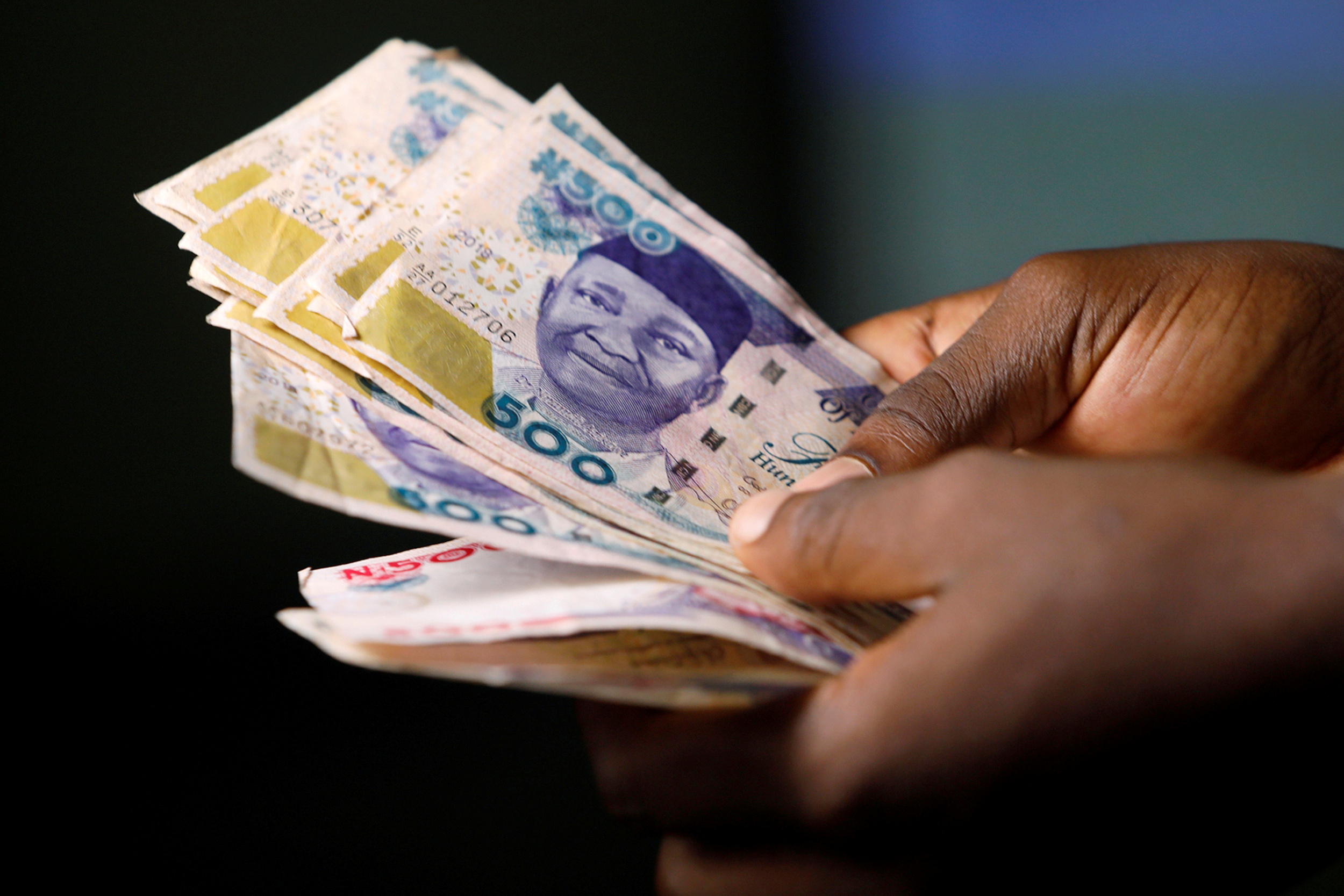
Nigerian naira banknotes are seen in this picture illustration, September 10, 2018. REUTERS/Afolabi Sotunde/File Photo

Premise: Ndubuisi Ekekwe was never a fan of the floating of the Naira and I have explained my reason via many posts. You cannot float Naira when you cannot fix the supply side of the US dollars in Nigeria. Across all indicators, the demand and supply imbalance of US dollars in Nigeria is the root cause of why Naira is struggling. Another component is the overdue forward payments of $6.8 billion.

The challenge now is how to fix this Naira, relying on public information We The People have access to. Here are my suggestions:

Option #1: A Partnership with Nigerian Diasporas 

Go to the Diasporas and unveil an opportunity to raise $10 billion over the next 6 months via a special national vehicle project, syndicated across US, Canada, EU, and the UK. Raise that money and offer to pay an 8% annual interest rate. Kickstarting this process will cool the temperature in the FX ecosystem.

Nigerians remitted about $20 billion in 2022 via the official channels: “According to a report by the World Bank, Africa’s most populous nation Nigeria, accounted for the highest remittance flow into sub-Saharan Africa in 2022. Remittance flow into the region reached $53 billion, and Nigeria accounted for 38% ($20.1 billion), followed by Ghana and Kenya with $4.7 and $4.1 billion respectively.” If you include non-official and non-border crossing remittance (i.e. internal swaps like pay Naira in local account, and I pay USD to where you need it in America), you can have close to $40 billion in 2022.

To make this partnership work, get the African Development Bank and Afreximbank to guarantee the investment, while you put a future crude sale of $10 billion handed over to the banks. In other words, the banks will guarantee to pay the principal and interest to the Diaspora investors, and Nigeria will sign-off on future crude oil sales to the banks.

Quickly, Nigeria will boost crude oil production to at least 2 million bpd, from about 1.2m bpd today, which remains within our OPEC quota. That extra production and closing all leakages will ensure the interest payment is covered while providing room to have additional funds.

We will take from the $10 billion and pay the $6.8 billion overdue forward payments. Another $1 billion will be invested to digitize the upstream oil & gas sector, making it impossible for leakages to happen, through technology. Another $1 billion will go into community-focused independent power systems which become a pool of funds, to support communities and states, on their electricity playbooks. That will jumpstart production in the nation. The balance will be put to get the national refineries back to full production.

And The Key Part: During repayment, the principal and interest should be paid into domiciliary accounts which will be opened automatically at the point of this investment, in Nigerian banking. The investors can decide to repatriate their funds, but I model that more than 80% will re-invest the funds in Nigeria with close to 40% leaving the funds in the dorm accounts, helping in the total USD supplies.

The whole construct of this option will get Naira back to N500/$ within three months.

Option 2: That will come in another post. I will be sharing here.

Tether makes strategic investment in Northern Data Group

0

Tether, the leading stablecoin issuer, has announced a strategic investment in Northern Data Group, a global provider of high-performance computing solutions. The investment will enable Tether to leverage Northern Data’s expertise and infrastructure to enhance its blockchain-based services and products.

Tether is the most widely used stablecoin in the world, with a market capitalization of over $70 billion. Tether offers a digital token that is pegged to various fiat currencies, such as the US dollar, the euro, and the yen. Tether aims to provide a stable and transparent alternative to traditional money, enabling users to transact across different platforms and ecosystems. Tether is also a pioneer in innovation, being the first to launch stablecoins on multiple blockchains, such as Bitcoin, Ethereum, Tron, and Solana.

Northern Data Group is a leader in the field of high-performance computing, offering solutions for various industries, such as artificial intelligence, blockchain, gaming, and cloud computing. Northern Data operates several data centers across the world, with a total capacity of over 1.5 gigawatts. Northern Data also develops proprietary software and hardware solutions to optimize the performance and efficiency of its computing systems.

The strategic investment by Tether will allow both parties to benefit from each other’s strengths and synergies. Tether will be able to access Northern Data’s state-of-the-art computing facilities and resources, which will enhance its security, scalability, and innovation capabilities. Northern Data will be able to tap into Tether’s vast network and user base, which will increase its exposure and demand for its services.

Paolo Ardoino, CTO of Tether, said: “We are very excited to partner with Northern Data Group, a leader in high-performance computing and data center solutions. This investment reflects our commitment to innovation and excellence in the stablecoin space. We look forward to working with Northern Data to further improve our operations and security, and to explore new opportunities for collaboration.”

Tether operates on several blockchains, such as Bitcoin, Ethereum, Tron, and Solana, and can be transferred between them using a service called Tether Bridge. Tether can also be exchanged for other cryptocurrencies on various platforms, such as exchanges, wallets, and decentralized applications. Tether is often used as a medium of exchange, a store of value, and a hedge against volatility in the crypto market.

Aroosh Thillainathan, CEO of Northern Data Group, said: “We are delighted to welcome Tether as a strategic investor and partner. Tether is a trailblazer in the cryptocurrency industry and the most trusted and widely used stablecoin in the world. We are confident that this partnership will bring significant value to both parties and create new possibilities for growth and development.”

Tether’s solvency depends on two factors: its reserves and its demand. Tether’s reserves are the assets that back up the value of Tether. According to Tether’s website, these assets include cash, cash equivalents, short-term deposits, commercial paper, secured loans, corporate bonds, precious metals, and other cryptocurrencies. However, Tether does not provide a detailed breakdown of its reserves or a regular audit by an independent third party. This has raised doubts about whether Tether actually enough assets has to back up all the Tethers in circulation.

Tether’s demand is the amount of Tether that people want to hold or use. As long as there is enough demand for Tether, Tether can maintain its peg to the US dollar by issuing or redeeming Tethers as needed. For example, if there is more demand for Tether than supply, Tether can issue more Tethers and sell them for fiat currency or other assets to increase its reserves. Conversely, if there is less demand for Tether than supply, Tether can redeem some Tethers and buy back fiat currency or other assets to decrease its reserves.

Both Tether and Northern Data share a common vision of advancing the adoption and development of blockchain technology, which has the potential to transform various sectors and industries. By joining forces, they aim to create value for their customers and stakeholders, as well as contribute to the growth and maturity of the blockchain ecosystem.

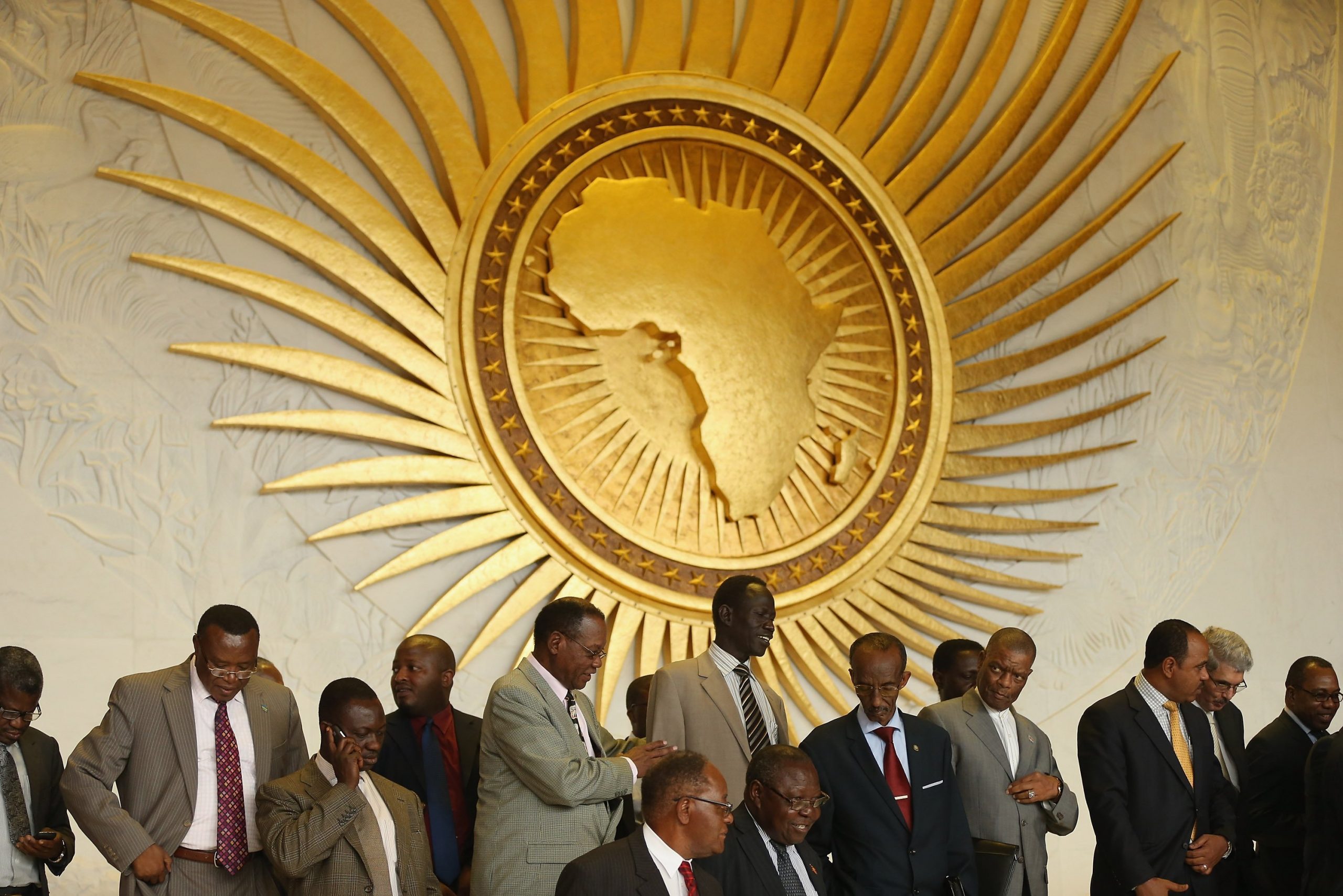
Rebranding Africa and Re-imagining its Role in International Relations

0

Africa’s weak positioning in the global economy has continued to contribute to its poor image and the pithy alms, in the form of financial aids, that is often extended to it by other parts of the world especially countries in the global north. Africa is generally seen as the poverty home of the world. This explains why Africa often appears to be a default location for most humanitarian projects or poverty alleviation programmes of international organisations.

The big challenge however is that many of the resources that have flown into the region in terms of financial aids from the first world countries and international non-government organisations have not been able to save the continent from its perennial economic turmoil. Rather than being used to address fundamental problems, much of the aids that come into Africa have been centred on nursing the symptoms.

In light of the above, many African thought leaders have pointed to the urgent need to reconstruct Africa’s image and redefine its relationship with other parts of the world, especially countries in the global north.

One of Africa’s thought leaders who have been quite vocal about Africa’s emancipation from foreign exploitation is Nigerian financial luminary and philanthropist, Tony Elumelu. His core propositions is that the international communities should consider a new engagement with Africa, moving beyond just giving aids to a more socioeconomically impactful relationship such as sponsoring empowerment programmes for the African youth and supporting a sustainable private sector. It is not farfetched that a genuine interest to re-engage Africa is one that is done in a way that prioritizes mutual benefits and self-reliance.

Speaking at the 78th General Assembly of the United Nations which held on September 20, 2023, Nigeria’s president, Bola Ahmed Tinubu also stressed on the need for the international non-government organisations and government of the first world countries including their private sector players to begin to see Africa’s development as a priority, not only for Africa but also for their own interest.

It cannot be emphasised enough why Africa needs to invest more in the arts and creative economy where many of its youths are thriving and showcasing its sociocultural richness to the world. Many of the challenges that Africa face today such as poverty, climate change, insecurity, food security, education etc will certainly be brought to nought if more efforts are made to empower the youth through entrepreneurship and the creative economy.

Africa’s private-sector players also have a very huge role to play in the development of a deepened Africa trade and investments relationship with other parts of the world. A key foundation of this, according to Mr Tony Elumelu, is a seamless payment infrastructure between Africa’s private sector players and their trade partners from other part of the world. More importantly, Africa’s business leaders need to begin to change the narrative domestically through corporate social responsibilities.

Kenyan BNPL Startup Lipa Later Secures $3.3 Million in Private Debt Issuance to Expand Its Offerings

0

Lipa Later, a leading fintech platform committed to empowering African businesses and consumers has announced the raise of $3.3 million (KES 500 million) in private debt issuance, to expand its offerings and enhance customer service.

The private debt fund was supported by key partners which include, Rubicon Landing, a transaction advisory firm, and KN Law, a leading legal advisory firm that provides legal counsel.

Lipa Later recent funding milestone underscores the remarkable journey that the startup has embarked on to enhance financial inclusion in Kenya.

The successful capital raise serves as a testament to the fintech startup’s outstanding growth trajectory and the trust it has earned within the Kenyan financial ecosystem.

Lipa Later disclosed that the funds raised will enable the company to expand its offerings and enhance customer service further.

Speaking on the funds raised, Group CEO at Lipa Later Eric Muric said,

We would like to extend our heartfelt gratitude to the investors and supporters for their unwavering trust in our vision. These funds have enabled us to further invest in technology and infrastructure to make our financing solutions even more accessible and convenient for our customers”.

Looking ahead, Lipa Later has ambitious plans to raise an additional KES 2 billion in both equity and debt. This capital infusion will catalyze the company’s growth, enabling it to reach more customers and businesses nationwide. The ultimate goal is to unlock a $500 billion financial inclusion opportunity in Urban Africa.

Founded in 2018 by Eric Muli, Lipa Later is a Kenyan-based financial technology company that offers a Buy Now, Pay Later (BNPL) service to consumers. The company enables customers to purchase products and services on credit and then pay for them over a specified period in installments.

This type of service is becoming increasingly popular globally as it allows consumers to spread the cost of their purchases over time without the need for a traditional credit card or loan.

Other than the traditional offline method of buyers purchasing items in stores, Lipa Later has tapped into the rapidly growing online presence across Africa and built a unique BNPL option API that integrates into e-commerce platforms and enables merchants to sell products directly to consumers and pay for them in affordable monthly installments.

Lipa Later partners with various merchants, both online and offline, to provide its BNPL service to consumers. Customers can choose the products they want, select Lipa Later as their payment option, and then pay for the items in installments, typically over a few months.

The startup services can be particularly appealing in regions where credit card penetration is low, and people are looking for alternative financing options.

Lipa Later is not only changing the consumer credit landscape across Africa but is also catalyzing the future of shopping, e-commerce, and payments.

The company’s goal is to make it easier for consumers to access and afford the products they need, especially those with limited access to traditional credit.

African VC Firm Enza Capital Closes $58 Million Across Two Rounds, Launches Founder Partner Program

0

Enza Capital, an African multi-stage venture investor that supports technology companies in sub-Saharan Africa, has closed $58 million across two rounds, as it launches its founder partner program.

The VC firm announced that the launch of the partner program is one way of cementing trust and belief with founders while committing to building long-term and mutually beneficial partnerships above and beyond traditional venture capital structures.

Also, the program will enable the founders and leadership team of its portfolio companies to become co-owners of the firm.

Co-founder and General Partner at Enza Capital, John Lazar said,

“The founder partner program fosters alignment and collaboration. It increases the likelihood of success across all stakeholders in the venture capital structure, ranging from LPs and investors to management teams, and extends to the ultimate beneficiaries of the products or services developed by these enterprises. We truly believe in shared ownership, and we can empathize with leadership teams.”

Enza Capital which launched an early-stage fund in 2019, to help build category-defining startups in the pre-seed and seed stages announced that the fund is still active and has invested in health startups, climate tech, logistics, and Fintech startups.

The multi-stage investor disclosed that it is still focused on these industries in its second fund launched this year.

The company’s co-founder Mike Mompi disclosed that the firm has made 38 investments in 31 companies from both funds. These investments span 8 markets across Africa which include Nigeria, Kenya, Uganda, South Africa, Ghana, Egypt, Ivory Coast, and Senegal.

Speaking on Enza’s Capital investment vehicles function, Mompi said,

“We have sufficient capital to write meaningful checks. Sometimes, we’re going in early and also follow-on in our companies. Then we have the growth fund, which is mostly a later-stage vehicle, where we can invest at any stage and co-invest with the core funds in existing portfolio companies, thereby staying with our companies for a long time”.

Enza Capital’s typical check size in its portfolio companies includes firms such as SeamlessHR, Shara, Autochek, Peach Payments, JUMBA, Nash, and Cloudline, amongst others.

The VC firm is committed to building for Africa, with its focus on startups in various sectors such as Fintech, Logistics and Mobility, Human Capital Management, Education, Energy, and climate-smart solutions. Its investment stage includes Pre-seed, Seed, Series A, and Series B.

Enza Capital has a clear reserve policy and follow-on strategy where the company reserves significant capital to follow on into portfolio companies it has already backed.

Although not every company receives a follow-on investment. From its Fund, the company made at least one follow-on investment into 12 of the 23 companies that it backed.

Also, the VC firm has a dedicated Growth Fund that can invest up to $20m per company in follow-on investments, this vehicle is reserved for existing Enza Capital portfolio companies that are on high growth trajectories and have a qualified demand for significant capital to scale.

Enza Capital has an office in Nairobi, its eight-person team is dispersed across the city, Johannesburg, London, and New York. General Partner Mompi disclosed that the firm might open offices in Lagos and a Francophone African city to support its portfolio companies in those markets.

As a result, the company will employ more talent to work closely with these ventures across various departments. Until now, Enza Capital has provided value in the technical department, where its CTO-in-Residence assists startups’ engineering and tech teams pre- and post-investment.