
DD
MM
YYYY

PAGES

DD
MM
YYYY

spot_img

PAGES

Home Blog Page 3818

One Coin co-founder sentenced to 20 years and fined $300M

0

One of the masterminds behind the notorious One Coin scam has been sentenced to 20 years in prison and ordered to pay $300 million in restitution by a US federal court. Konstantin Ignatov, the co-founder and public face of One Coin, pleaded guilty to several charges, including money laundering, wire fraud, and securities fraud.

One Coin is a controversial cryptocurrency project that has been accused of being a Ponzi scheme by various authorities around the world. The project was founded by Dr. Ruja Ignatova, who disappeared in 2017 and is still wanted by the US authorities for fraud and money laundering charges. One Coin claims to have over 3 million members and a market capitalization of over $4 billion, but these figures are disputed by critics who say that One Coin has no real blockchain, no public ledger, and no exchange where its tokens can be traded.

The scam operated as a multi-level marketing network, where members were incentivized to recruit new investors and sell them educational packages that supposedly contained valuable One Coin tokens. However, these tokens were worthless and not even based on a real blockchain.

The legal troubles of One Coin began in 2016, when the Bulgarian authorities raided its offices and seized its servers. Since then, several countries have banned or restricted One Coin activities, including China, India, Italy, Germany, Norway, and the UK. Many One Coin promoters and affiliates have been arrested or fined for misleading investors and violating financial regulations.

In 2019, the US authorities indicted several One Coin leaders, including Konstantin Ignatov, the brother of Ruja Ignatova, who pleaded guilty to fraud and money laundering charges and agreed to cooperate with the prosecutors. The trial of Mark Scott, a former lawyer who allegedly helped One Coin launder over $400 million, is ongoing.

The issues with regulators stem from the fact that One Coin operates as a centralized entity that controls the supply and distribution of its tokens, rather than as a decentralized network that relies on cryptography and consensus mechanisms. This means that One Coin can manipulate the price and value of its tokens at will, and that its members have no way of verifying the transactions or the balance of their accounts.

Moreover, One Coin does not comply with the anti-money laundering and consumer protection laws that apply to legitimate cryptocurrency projects. One Coin also uses deceptive marketing tactics to lure unsuspecting investors into buying its educational packages, which supposedly grant access to its tokens, but in reality, are worthless.

According to the US Department of Justice, One Coin generated at least $4 billion in revenue from its fraudulent activities between 2014 and 2019. Ignatov’s sister, Ruja Ignatova, who was the founder and leader of One Coin, remains at large and is wanted by the authorities. She is believed to have fled the country in 2017, shortly before a major event in Lisbon where she was supposed to reveal the new One Coin blockchain.

Ignatov was arrested in March 2019 at Los Angeles International Airport, as he was preparing to board a flight to Bulgaria. He cooperated with the prosecutors and testified against several of his co-conspirators, including Mark Scott, a former lawyer who helped launder hundreds of millions of dollars for One Coin. Scott was convicted in November 2019 and is awaiting sentencing.

The sentencing of Ignatov marks a significant milestone in the ongoing efforts to bring justice to the victims of One Coin and other similar scams. The US Attorney for the Southern District of New York, Audrey Strauss, said in a statement: “As his sentence today shows, we will work tirelessly with our law enforcement partners here and abroad to identify and prosecute those who perpetrate such schemes and hold them accountable for their criminal conduct.”

One Coin is an example of how not to do cryptocurrency. It is a scam that exploits the ignorance and greed of people who want to get rich quick without understanding the risks and complexities involved. It is also a challenge for regulators who have to balance the need to protect consumers from fraud and abuse, while also fostering innovation and competition in the emerging crypto space. The One Coin litigation is likely to continue for years, as more victims come forward and more evidence is uncovered. The fate of Ruja Ignatova remains unknown, but she is unlikely to escape justice forever.
US Inflation rises to 3.7% – CPI Review

0

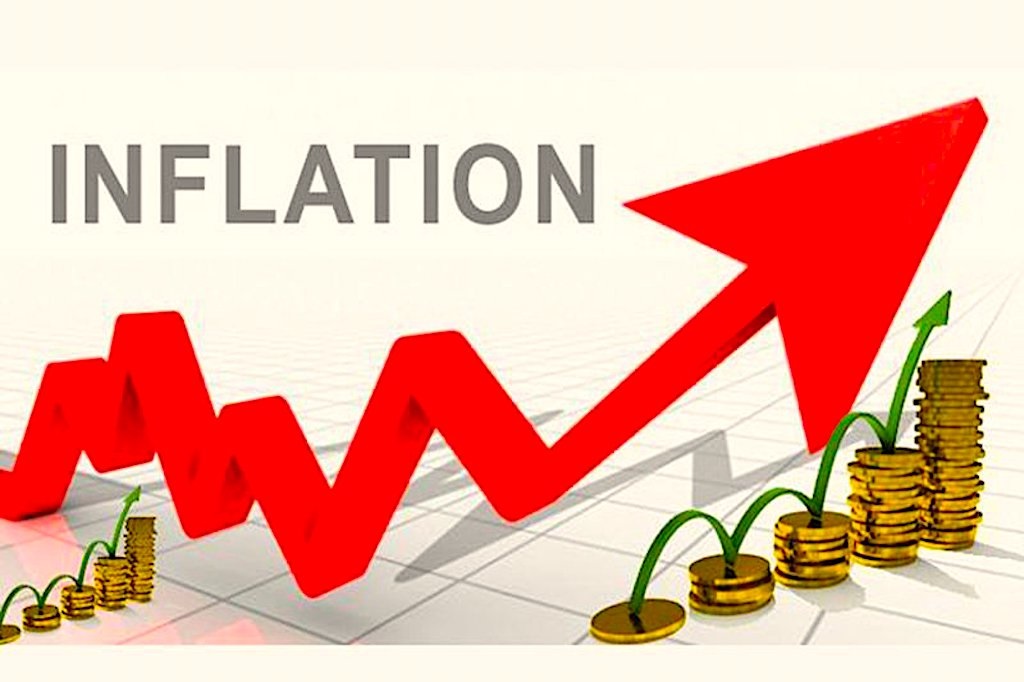
The latest data from the Bureau of Labor Statistics shows that the US inflation rate rose to 3.7% in August, the highest level since September 2008. This was higher than the consensus forecast of 3.6% and reflects the ongoing impact of the COVID-19 pandemic on the supply and demand of goods and services.

The main drivers of inflation in August were energy, transportation, and food prices. Energy prices increased by 25% year-over-year, with gasoline prices surging by 42.7%. Transportation services rose by 9.4%, as airfares, car rentals, and public transportation costs soared due to pent-up travel demand and limited availability. Food prices climbed by 3.7%, with both food at home and food away from home rising at the fastest pace since 2008.

The core inflation rate, which excludes food and energy, also rose to 4% in August, the highest level since November 1991. This indicates that inflationary pressures are not only coming from temporary factors, but also from more persistent sources such as housing, health care, and education.

The Federal Reserve has maintained that the current spike in inflation is transitory and will subside as the economy recovers from the pandemic shock. However, some economists and market participants are concerned that inflation could become more entrenched and force the Fed to tighten its monetary policy sooner than expected.

The latest CPI report, released by the Bureau of Labor Statistics on September 13, 2023, showed that inflation rose 0.6% in August, its biggest monthly gain of 2023. The inflation gauge rose 3.7% from a year ago, an increase from July’s 3.2% rate, but well below the June 2022 peak of 9.1%. Core CPI, which excludes volatile food and energy costs, climbed 4.3% in August over the last 12 months after rising 4.7% in July.

The main driver of the August CPI increase was energy prices, which surged 5.6% on the month, including a 10.6% jump in gasoline prices. This reflected the impact of Hurricane Ida, which disrupted oil production and refining in the Gulf Coast region, as well as global supply and demand imbalances.

Other categories that contributed to the CPI rise were transportation services (up 2%), airfares (up 4.9%), shelter (up 0.3%), and medical care services (up 0.5%). On the other hand, some categories that moderated the CPI increase were used cars and trucks (down 1.2%), apparel (down 0.1%), and recreation (down 0.1%).

The August CPI report was in line with market expectations and did not cause much reaction in the financial markets. However, it did raise some questions about the outlook for inflation and monetary policy in the US.

The Federal Reserve, which sets the benchmark interest rate and influences borrowing costs for consumers and businesses, has a dual mandate of promoting maximum employment and price stability. The Fed has a long-run inflation target of 2%, but it has recently adopted a flexible average inflation targeting framework, which means that it will tolerate inflation moderately above 2% for some time to achieve its employment goals.

The Fed has maintained that the current inflation surge is largely transitory, driven by temporary factors such as supply chain disruptions, base effects, and pent-up demand following the pandemic-induced lockdowns. The Fed expects inflation to moderate as these factors fade and supply and demand conditions normalize.

However, some economists and market participants are concerned that inflation may prove to be more persistent than expected, especially if wage pressures intensify due to labor shortages and if consumer expectations of future inflation rise. They argue that the Fed may need to tighten its monetary policy sooner than anticipated to prevent inflation from getting out of control and eroding the purchasing power of consumers.

The Fed has signaled that it will start tapering its monthly asset purchases, which have been supporting the economic recovery by injecting liquidity into the financial system, later this year or early next year. The Fed has also indicated that it will not raise its interest rate until it sees substantial further progress toward its employment and inflation goals.

The August CPI report is unlikely to change the Fed’s plans for tapering, but it may have some implications for its interest rate outlook. The Fed’s latest projections, released in June 2023, showed that most Fed officials expected two interest rate hikes in 2023 and two more in 2024, bringing the federal funds rate to 1.5-1.75% by the end of 2024.

However, some analysts believe that the Fed may revise its projections upward at its next meeting on September 21-22, reflecting stronger economic growth and higher inflation than previously anticipated. They also suggest that the Fed may hike its interest rate three times in 2023 and three more times in 2024, bringing the federal funds rate to 2-2.25% by the end of 2024.

The future path of inflation and interest rates will depend on how the economy evolves in the coming months amid various uncertainties such as the COVID-19 delta variant, fiscal policy developments, geopolitical tensions, and natural disasters. Consumers and businesses should monitor these developments closely and adjust their spending and saving decisions accordingly.

The Fed is expected to announce its plans for tapering its monthly bond purchases at its next meeting in November, which could signal the beginning of the end of its ultra-accommodative stance. The Fed has also said that it will not raise its benchmark interest rate until it sees substantial further progress on its goals of maximum employment and stable inflation.

The implications of higher inflation for consumers, businesses, and investors are significant. Higher inflation erodes the purchasing power of money and reduces the real value of wages, savings, and debt. Higher inflation also increases the uncertainty and volatility in the economy and financial markets, as it affects the expectations and behavior of economic agents.

The challenge for policymakers is to balance the need to support the economic recovery with the need to contain inflationary pressures. The challenge for consumers, businesses, and investors is to adapt to a changing environment and protect themselves from the risks and opportunities posed by higher inflation.

Crypto stocks rally despite tech-heavy indexes slipping lower

0

The cryptocurrency market has been on a tear lately, defying the downward trend of the broader tech sector. While the Nasdaq Composite and the S&P 500 tech index have both dropped by more than 5% in the past month, the total market capitalization of all cryptocurrencies has surged by over 20%, reaching a new all-time high of $2.8 trillion. What is driving this divergence? There are several factors that could explain the resilience of crypto stocks amid the tech sell-off. Here are some of the main ones:

Regulatory clarity: The crypto industry has been waiting for clear and consistent rules from regulators around the world, especially in the US, where the Securities and Exchange Commission (SEC) has been cracking down on some crypto projects and platforms. However, in recent weeks, there have been some positive developments that have boosted investor confidence.

For instance, the SEC approved the first Bitcoin futures exchange-traded fund (ETF), opening the door for more institutional adoption. Moreover, the SEC chair Gary Gensler has signaled a more constructive approach to crypto regulation, saying that he wants to “promote innovation” and “protect investors”.

Innovation and adoption: The crypto space is constantly evolving and innovating, offering new products and services that attract more users and investors. One of the most notable examples is the rise of decentralized finance (DeFi), which allows people to lend, borrow, trade, and earn interest on their crypto assets without intermediaries.

Crypto stocks are stocks of companies that are involved in the cryptocurrency industry or have exposure to digital assets such as Bitcoin, Ethereum, and other altcoins. Investing in crypto stocks can be a way to gain exposure to the growing crypto market without having to buy and store cryptocurrencies directly. However, crypto stocks are also subject to high volatility and regulatory uncertainty, as the crypto market is still evolving and facing many challenges.

DeFi has grown exponentially in the past year, reaching over $250 billion in total value locked (TVL). Another example is the emergence of non-fungible tokens (NFTs), which are unique digital assets that represent anything from art to music to sports memorabilia. NFTs have exploded in popularity and value, creating a new market for creators and collectors.

Network effects and scarcity: The crypto market is also benefiting from the network effects and scarcity of some of its leading assets, especially Bitcoin and Ethereum. Bitcoin, as the first and most widely adopted cryptocurrency, has a limited supply of 21 million coins, which makes it a hedge against inflation and currency devaluation.

Ethereum, as the second largest and most versatile cryptocurrency, powers most of the DeFi and NFT platforms, creating a high demand for its native token, ether. Both Bitcoin and Ethereum have seen their prices soar to new highs in recent weeks, pulling up the rest of the crypto market with them.

The outlook for crypto stocks remains bullish, as more investors and institutions recognize the potential and value of this emerging asset class. However, there are also risks and challenges that could derail the rally, such as regulatory uncertainty, security breaches, technical glitches, and market volatility. Therefore, investors should do their own research and due diligence before investing in any crypto stock or asset.

Tekedia Capital Chairman, Ndubuisi Ekekwe, Honoured as “Global Well Respected CEO in Investment”.

0

One of the good things about business is that the more you love it, the more you get rewards in it, and the more you wake up with an unalloyed optimistic exuberance that the rays of sun, the songs of nightingales, the beats of the crickets, and the cracking noise of the city cars, will bring the next growth opportunities. And that works even if you are a village boy (lol). Yes, they will discover you and they will celebrate you.

Good People, I want to celebrate because in the Igbo Nation, you need to kill just one leopard to be called a killer of leopardS (note the “s”). And on that premise, it is all the way to Singapore as they award yours truly a “Global Well Respected CEO in Investment”.

At Tekedia Capital, the mission remains: to discover innovators who fix market frictions, and support them with capital, to restore the dignity of man and woman, through entrepreneurial capitalism!


Join Us Tomorrow for The First LECTURE of this Edition of Tekedia Mini-MBA

0
Innovation, Growth and the Grand Mission of Companies

Tekedia Mini-MBA Academic Festival has started. Our first LIVE lecture will happen tomorrow and I will speak on Innovation, Growth and the Grand Mission of Companies. During the class, I will explain the fundamental reason why we have companies, and why WE THE PEOPLE have to be trained, to work, towards helping companies to fulfill their missions.

Generally, market systems are imperfect, and there means we need to remove the perturbations. In this lecture, we will see how market challenges connect to opportunities and the missions of companies, and how accumulating and improving capabilities by and for workers enable business growth, by deepening the capacity to utilize factors of production more efficiently.

The People. The Processes. The Tools. When they are optimized, great things happen in firms. The reward of fixing market frictions is REVENUE. Why not join here