DD
MM
YYYY

PAGES

DD
MM
YYYY

spot_img

PAGES

Home Blog Page 3918

US SEC Files Charges Against Tingo Mobile CEO and Affiliates for Alleged Massive Fraud

0

The United States Securities and Exchange Commission (SEC) has taken legal action against Dozy Mmobuosi, the Chief Executive Officer of Tingo Mobile, and three affiliated U.S.-based companies—Tingo Group Inc., Agri-Fintech Holdings Inc., and Tingo International Holdings Inc.—alleging a massive fraud scheme that involved inflating financial performance metrics to deceive global investors.

In a filing dated December 18, 2023, the SEC accused Mmobuosi of orchestrating a multi-year scheme aimed at fabricating financial statements and documents for the mentioned entities and their Nigerian subsidiaries—Tingo Mobile Limited and Tingo Foods PLC. The complaint alleges that these falsified documents were used to mislead investors through press releases, SEC filings and other public statements.

The SEC’s complaint specifically highlights instances of substantial misrepresentations in financial reports.

“For instance, Tingo Group’s fiscal year 2022 Form 10-K filed in March 2023 reported a cash and cash equivalent balance of $461.7 million in its subsidiary Tingo Mobile’s Nigerian bank accounts. In reality, those same bank accounts allegedly had a combined balance of less than $50 as of the end of fiscal year 2022. According to the SEC’s complaint, Defendants also fabricated the customer relationships that formed the basis of their purported businesses,” the SEC stated.

The allegations also delve into the fraudulent creation of customer relationships forming the foundation of their purported businesses. Moreover, it’s alleged that Mmobuosi and the entities under his control obtained significant amounts of money or property through these schemes. Mmobuosi is accused of diverting funds for personal use, including luxury purchases like cars, private jet travel, and even an unsuccessful attempt to acquire an English Football Club Premier League team.

The SEC’s complaint, filed in the U.S. District Court for the Southern District of New York, involves charges of violating federal securities laws’ anti-fraud provisions against all four Defendants. Additional charges include reporting, books and records, and internal control violations against Nasdaq-listed Tingo Group, OTC-traded Agri-Fintech, and Mmobuosi. Furthermore, Mmobuosi faces charges of lying to auditors, insider trading, and failure to disclose millions of Agri-Fintech common stock sales.

The SEC seeks various forms of relief, including permanent injunctive measures, disgorgement of ill-gotten gains, civil penalties, and the return of profits obtained through stock sales. Additionally, it aims to restrain Mmobuosi from holding positions in public companies or participating in penny stock offerings.

In an emergency application, the SEC seeks temporary and preliminary relief, including freezing Mmobuosi’s assets, prohibiting money transfers or share issuances to Mmobuosi from TIH, Agri-Fintech, and Tingo Group, and preventing the disposal of stock holdings. The order also seeks to safeguard records, documents, and repatriation of proceeds pending further legal proceedings.

The SEC’s investigation involves a team from the New York Regional Office and is being led by several key individuals. The SEC acknowledges the support of Nasdaq’s Enforcement Department in this matter.

The US Elections and Geopolitical Flashpoints of 2024

1

The year 2024 will be a pivotal one for the United States and the world, as the presidential election will determine the direction of the country’s foreign policy and its role in global affairs. The election will also coincide with several geopolitical flashpoints that could escalate into major conflicts or crises, affecting the stability and security of the international system.

China: The US-China rivalry is arguably the most consequential and complex relationship in the world today, as the two powers compete for influence, resources, and leadership in various domains, such as trade, technology, security, human rights, and regional order.

The next US president will have to balance the need to cooperate with China on common challenges, such as climate change, nuclear proliferation, and pandemic prevention, with the need to confront and deter China’s assertive and aggressive behavior in areas such as the South China Sea, Taiwan, Hong Kong, Xinjiang, and cyberspace.

The next US president will also have to decide whether to continue or modify the current strategy of strategic competition and decoupling or pursue a more cooperative or confrontational approach.

Russia: The US-Russia relationship is at its lowest point since the Cold War, as the two countries disagree on a range of issues, such as Ukraine, Syria, Iran, North Korea, NATO expansion, arms control, election interference, human rights, and cyberattacks.

The next US president will have to deal with a resurgent and revisionist Russia that seeks to undermine the US-led international order and assert its interests and influence in its near abroad and beyond. The next US president will also have to decide whether to extend or renegotiate the New START treaty, which expires in 2026, or pursue a new framework for nuclear arms control that includes China.

Iran: The US-Iran relationship is fraught with tension and mistrust, as the two countries clash over Iran’s nuclear program, regional activities, ballistic missile development, and support for proxy groups. The next US president will have to decide whether to rejoin or renegotiate the 2015 nuclear deal (JCPOA), which was abandoned by the Trump administration in 2018 and has been violated by Iran since 2019. The next US president will also have to manage the risk of escalation and conflict with Iran in the Persian Gulf, Iraq, Syria, Yemen, and Lebanon.

North Korea: The US-North Korea relationship is unpredictable and volatile, as the two countries oscillate between dialogue and confrontation over North Korea’s nuclear and missile capabilities.

The next US president will have to decide whether to continue or abandon the diplomatic process that was initiated by the Trump administration in 2018 but has stalled since 2019. The next US president will also have to prepare for the possibility of a provocation or crisis from North Korea, which may seek to test or advance its weapons of mass destruction.

Afghanistan: The US-Afghanistan relationship is uncertain and fragile, as the US plans to withdraw its remaining troops from Afghanistan by May 2021 as part of a peace deal with the Taliban.

However, NATO faces internal divisions and doubts about its unity and resolve, especially after the US withdrawal from Afghanistan in 2021 and the controversial Nord Stream 2 pipeline project between Germany and Russia. The next US president will have to decide how to reassure and strengthen NATO’s collective defense and deterrence against Russia, while engaging in dialogue on issues of common interest such as arms control and counterterrorism.

These are just some of the major challenges that the US will face in 2024 and beyond. The outcome of the elections will depend on many factors, such as the state of the economy, the public health situation, the domestic political climate, and the performance and popularity of the incumbent president.

The candidates’ positions and policies on foreign affairs will also matter, as they will reflect their vision and values for America’s role in the world. The voters’ choice will have significant consequences for global peace and prosperity.

Nigeria’s Economic Austerity Amid Lavish Spending: A Comparative Look at Argentina, Turkey, and Costly Governance

0

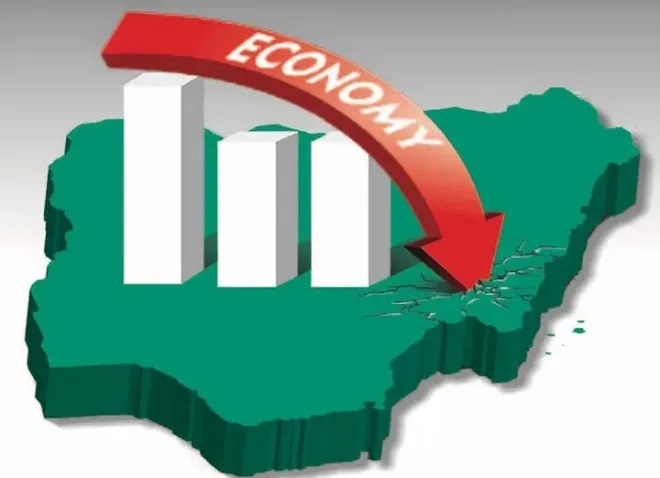
For nearly a decade, Nigeria has been grappling with economic turmoil that has called for stringent austerity measures to tame. This backdrop which has resulted in a high unemployment rate, high inflation rate, and mass exodus of professionals seeking a better life abroad, mirrors the situation in some other countries like Argentina and Turkey.

Nigeria, coming from a general election in February that produced a new president, Bola Tinubu, has unleashed a plethora of policy reforms aimed at revamping the economy. However, the reforms, which include the removal of the petrol subsidy and the floating of the nation’s currency, the naira, have only compounded the economic troubles.

Inflation in Africa’s largest economy climbed to 28.20% in November as the naira nosedives further to more than N1200 per dollar in the parallel market and above N800 per dollar in the official market. Although experts are projecting positive results from the reforms in the long term, the current economic situation in the country has fueled calls on the government, from both economists and opposition political leaders, to cut the cost of governance.

“The bloated size of government comes with high cost of public sector expenditure and its negative impact on the development process in the country,” African Development Bank President, Akinwumi Adesina said.

“The cost of governance in Nigeria is way too high and should be drastically reduced to free up more resources for development. Nigeria is spending very little on development,” he added.

Last month, Tinubu presented a N27.5 trillion budget to the National Assembly for approval. “The Budget of Renewed Hope” follows the assent of the N2.18 trillion 2023 supplementary budget in November.

However, the 2024 budget has a projected deficit of N9.18 trillion.

With the treasury empty, the government seeks to finance the 2024 budget deficit with new borrowings of N7.83 trillion, privatization proceeds of N298.49 billion, and a drawdown on multilateral and bilateral loans of N1.05 trillion.

Besides this mammoth challenge, which has built up skepticism about the government’s ability to fully implement the budget, gushes out criticism over the multi-billion naira lavish items that made up the budgets.

Both the 2023 supplementary budget and the 2024 budget are filled with extravagant components that include office and residential house renovation, the purchase of cars for public office holders, and travel expenditures amounting to billions of naira.

“The government’s overall attitude does not indicate that it is aware that the country is in a huge crisis, nor is the government in tune with the plight of the generality of our people,” Peter Obi, the Labour Party’s presidential candidate in the last election said about the budgets.

Before the budgets were announced with their lavish controversies, the government had approved N57.6 billion for Senators and members of the House of Representatives for the purchase of SUVs, stirring anger among a large section of Nigerians who deemed the action insensitive to the nation’s current economic predicament.

Examples from Argentina and Turkey

Like Nigeria, Argentina has been battling with economic turmoil buoyed by toxic inflation that has risen to a record 160.9% as of November. However, unlike Nigeria, Argentina’s newly elected president Javier Milei has taken bold steps to change the South American nation’s misfortune.

During his press conference last Friday, Presidential spokesman Manuel Adorni announced a government initiative to cut chauffeurs for public officials by 50%. Additionally, he revealed plans to sell two planes previously owned by the state-owned oil company YPF, citing their predominant use for what he described as “political privileges.”

“This is in addition to the reduction the government had already decided earlier this week […] We will continue to inform about the reduction of privileges every day,” he said. Adorni referred to the decision made the previous Monday to decrease ministries by 50% and secretariats by 49%, aiming to curtail public spending.

These measures are expected to save nearly US$3 billion for the state.

In Turkey, where inflation has risen to 62.0% in November, government officials are taking pay cuts and making other personal sacrifices to help the country’s troubled economy. The newly appointed head of the country’s central bank, Hafize Gaye Erkan, revealed that she has been unable to afford a home in Istanbul due to soaring inflation.

The 44-year-old former finance executive, who assumed her position in June after spending two decades in the United States, told the Hurriyet newspaper, “We haven’t found a home in Istanbul. It’s terribly expensive. We’ve moved in with my parents.”

In stark contrast with officials in Argentina and Turkey, Nigerian officials, including the president, appear resolute in pursuing a path of luxury.

On November 2, Tracka, a civil society organization that tracks governments’ expenditures, made efforts, through a letter, to stop the Senate from approving the N2.18 trillion 2023 supplementary budget, citing frivolous allocations. The allocations include a yacht for the president, cars for the First Lady, and renovations for office buildings worth billions of naira.

Tracka also wrote the Office of the Secretary to the Government of the Federation, urging the president not to give assent to the supplementary budget. Despite Tracka’s efforts to prevent the approval of the supplementary budget, it was ultimately assented to.

Nigeria’s participation in COP28, held in Dubai, UAE, earlier this month, sparked criticism regarding the excessive number of delegates representing the country, particularly amid its ongoing economic challenges.

Nigeria sent 1,411 delegates to the event, a figure second only to China, which had 1,411 delegates, and Brazil with 3,081 delegates. The trip reportedly cost Nigeria a whopping N2.7 billion. However, compared to these nations, Nigeria’s economic performance lags. China holds a GDP value of N17.89 trillion, Brazil stands at N1.92 trillion, while Nigeria reported N477.37 billion as of 2022.

Despite the impact the high cost of governance weighs on the economy, it’s troubling that numerous Nigerian public officeholders staunchly defend the government’s extravagant spending, often asserting that these excesses will streamline their work.

For instance, in defense of the exorbitant funds allocated for renovating the office of the Vice President, Senator Jimoh Ibrahim (APC Ondo South) offered his perspective in an interview with ChannelsTV; “The VP’s house will cost ONLY $15 million dollars. Only $15 million dollars. You cannot put people in uncomfortable working conditions!”

Wages in Most developed Economies Are Lower Relative to Pre-Pandemic

0
Every expects the numbers to keep rising. But it is not automatic

The COVID-19 pandemic has had a profound impact on the global economy, affecting various sectors and industries in different ways. One of the most noticeable effects has been the decline in real wages, which measure the purchasing power of workers’ earnings.

One of the most pressing issues facing the global economy today is the stagnation or decline of real wages, which are the earnings of workers adjusted for inflation. Real wages reflect the purchasing power and living standards of workers and their families, and they are crucial for the economic recovery and social welfare.

Some of the causes of the decline in real wages are the weak labor market, the erosion of collective bargaining, the rise of automation and outsourcing, and the unequal distribution of productivity gains. These factors have reduced the bargaining power and the share of income of workers, while increasing the profits and wealth of corporations and elites.

Some of the consequences of the decline in real wages are the increase in poverty and inequality, the decrease in consumption and demand, the deterioration of public services and infrastructure, and the rise of social unrest and political instability. These outcomes have negative effects on the well-being and security of workers and their families, as well as on the growth and stability of the economy as a whole.

Real wages in most developed economies are lower relative to pre-pandemic levels, meaning that workers can buy less goods and services with their income than before the crisis.

There are several factors that explain this phenomenon. First, inflation has risen sharply in many countries, driven by supply chain disruptions, higher energy prices, and increased consumer demand. Inflation erodes the value of money and reduces the real wage of workers who do not receive corresponding increases in nominal wages. Second, some workers have experienced wage cuts or freezes as a result of reduced business activity, lower profits, or increased competition.

Third, some workers have lost their jobs or hours due to lockdowns, social distancing measures, or structural changes in the economy. These workers may have to accept lower-paying jobs or rely on unemployment benefits, which are often insufficient to maintain their previous living standards.

The decline in real wages has significant implications for the economic recovery and social welfare. On the one hand, lower real wages reduce the disposable income of households and dampen their consumption spending, which is a key driver of economic growth.

On the other hand, lower real wages increase the risk of poverty, inequality, and social unrest, as workers struggle to afford basic needs and face greater uncertainty about their future prospects. Moreover, lower real wages may have long-term effects on human capital development, as workers may have less incentives or opportunities to invest in education, training, or health.

To address this challenge, policymakers need to adopt a comprehensive and coordinated approach that balances the objectives of supporting aggregate demand, protecting workers’ incomes, and enhancing productivity and competitiveness. Some possible measures include:

  • Implementing fiscal and monetary stimulus to boost economic activity and create more jobs.

  • Providing targeted and adequate income support to workers who have lost their jobs or income due to the pandemic.

  • Promoting wage bargaining and social dialogue to ensure fair and equitable distribution of productivity gains and cost adjustments.

  • Investing in public infrastructure, education, health, and innovation to improve the quality and quantity of human and physical capital.

  • Enhancing labor market flexibility and mobility to facilitate the reallocation of workers across sectors and regions.

  • Strengthening international cooperation and coordination to address global challenges such as climate change, trade tensions, and tax evasion.

By taking these actions, policymakers can help restore real wages to pre-pandemic levels or higher and ensure a more inclusive and sustainable recovery for all.

Ledger CEO says Recent Cyber Breach Was an Unfortunate Incident

0

Ledger CEO Pascal Gauthier has issued a statement regarding the recent cyberattack that compromised the personal data of more than 270,000 customers. In a blog post published on the company’s website, Gauthier apologized for the breach and explained the steps that Ledger is taking to prevent such incidents in the future.

According to Gauthier, the attack was an “unfortunate incident” that exposed the vulnerability of Ledger’s e-commerce infrastructure. He said that the attackers exploited a third-party API key that was used to send order confirmations and shipping notifications to customers. The attackers were able to access the database that contained the names, email addresses, phone numbers and postal addresses of Ledger customers who purchased hardware wallets between June 2018 and July 2020.

The cyberattack was carried out by a hacker group called Raidforums, who claimed to have obtained the data from a third-party e-commerce service provider that Ledger used to process orders. The hacker group initially leaked a sample of the data in December 2020, and then released the full database on a public forum in January 2021. The data was also sold on the dark web for an undisclosed amount of money.

The consequences of the data breach are severe for both Ledger and its customers. Ledger has faced a backlash from its users, who have expressed their anger and frustration on social media and online forums. Some users have reported receiving phishing emails and text messages from scammers pretending to be Ledger, asking them to update their firmware or enter their recovery phrases. Others have reported being harassed or threatened by phone calls or physical mail from unknown individuals who have access to their personal information.

Ledger has apologized for the incident and taken some measures to mitigate the damage. The company has launched an internal investigation and hired a security firm to audit its systems. It has also notified the relevant authorities and cooperated with law enforcement agencies. Ledger has offered a free one-year subscription to a digital identity protection service for its affected customers. It has also advised its users to change their passwords, enable two-factor authentication, and beware of phishing attempts.

However, these actions may not be enough to restore the confidence and loyalty of Ledger’s customers, who have entrusted the company with their most valuable assets: their cryptocurrencies. Ledger’s hardware wallets are designed to protect users’ private keys from hackers, but the data breach has exposed them to other forms of attacks that could compromise their funds or identities. Moreover, Ledger’s competitors, such as Trezor and KeepKey, may seize this opportunity to attract new customers or lure away existing ones.

The cyberattack on Ledger is a wake-up call for the cryptocurrency industry, which has been plagued by numerous security incidents in the past. It shows that hardware wallets are not immune to hacking, and that users need to be vigilant about their personal data and online security.

It also shows that hardware wallet providers need to invest more in their cybersecurity infrastructure and customer service and adopt best practices to prevent future breaches. The future of cryptocurrency depends on the trust and satisfaction of its users, and that trust can only be earned by providing them with reliable and secure products and services.

Gauthier assured that no financial information, payment details or cryptocurrency funds were affected by the breach. He also said that Ledger has notified the relevant authorities and is working with law enforcement agencies to track down the perpetrators.

He added that Ledger has taken measures to enhance its security systems, such as revoking the compromised API key, encrypting customer data, auditing its code and infrastructure, and hiring external experts to conduct penetration tests.

Gauthier acknowledged that the breach has damaged the trust and reputation of Ledger, which prides itself on providing secure solutions for storing and managing digital assets. He said that Ledger is committed to restoring that trust and protecting its customers from phishing attempts and other malicious activities.

He urged customers to follow the best practices for securing their devices and accounts, such as using a strong password, enabling two-factor authentication, verifying the authenticity of emails and websites, and updating their firmware.

Gauthier concluded his statement by expressing his gratitude to the Ledger community for their support and understanding. He said that Ledger will continue to work hard to deliver high-quality products and services that meet the expectations of its customers. He also invited customers to contact Ledger’s customer support team if they have any questions or concerns regarding the breach or their security.