DD
MM
YYYY

PAGES

DD
MM
YYYY

spot_img

PAGES

Home Blog Page 470

Microsoft to Spend $4bn on Second Wisconsin Data Center as AI Demand Surges

0

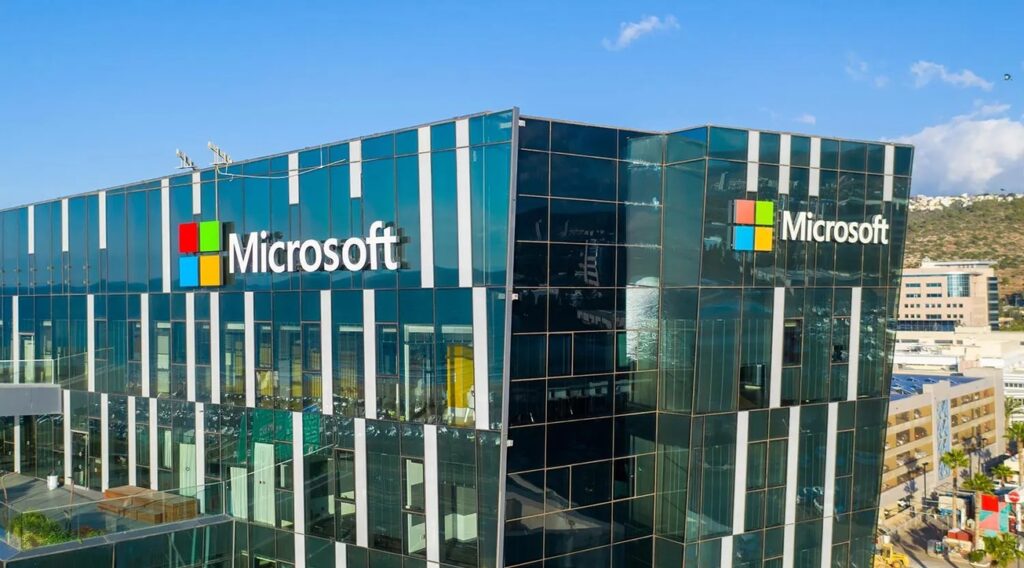
Microsoft said Thursday it will allocate $4 billion to construct a second data center in Wisconsin, expanding its U.S. footprint as demand for artificial intelligence infrastructure continues to accelerate.

The announcement comes just months after the company committed $3.3 billion to its first Wisconsin facility, located in Mount Pleasant, which is expected to go online in early 2026. Together, the two sites represent one of Microsoft’s largest single-state infrastructure projects, underscoring the intensifying race among global cloud providers to secure capacity for AI workloads.

The first Mount Pleasant data center will house hundreds of thousands of Nvidia Blackwell GB200 GPUs, Microsoft President and Vice Chair Brad Smith said at a town hall meeting. The chips, unveiled earlier this year, are designed to handle the most advanced AI training and inference workloads.

“It will deliver 10x the performance of the world’s fastest supercomputer today, enabling AI training and inference workloads at a level never before seen,” Microsoft CEO Satya Nadella wrote in a post on X.

Smith, who spent part of his childhood in Mount Pleasant, said the company paused to carefully evaluate the second phase of construction before committing another $4 billion. The new facility will be of a similar scale to the first and is expected to go live in 2027 or later.

A Homegrown Power Play

Wisconsin’s Democratic Governor Tony Evers hailed the announcement, noting the state will now be home to the largest concentration of GPUs under one roof in the world. The project also repurposes land once slated for Foxconn’s manufacturing plant, which failed to materialize at the promised scale.

Water use has been a concern for locals, but Smith emphasized that the facility’s impact will be modest compared with Foxconn’s plans. The data center will require about 2.8 million gallons of water annually, while Foxconn had been permitted to consume over 7 million gallons per day.

Smith acknowledged that building such a vast computing infrastructure raises energy concerns. The two data centers together may require more than 900 megawatts of power. To mitigate the impact, Microsoft has pledged to match its fossil fuel use with carbon-free contributions to the grid.

“I just want you to know we are doing everything we can, and I believe we’re succeeding, in managing this issue well, so that you all don’t have to pay more for electricity because of our presence,” Smith told residents.

A 250-megawatt solar farm currently under construction about 150 miles northwest of the site will contribute renewable energy to the project.

Part of a Global Buildout

The Wisconsin announcement is the latest in a string of multibillion-dollar data center investments by Microsoft. Earlier this week, Smith said the company has earmarked $15.5 billion for infrastructure in the U.K. through 2028, as part of efforts to scale up AI capacity in Europe.

Separately, Amsterdam-based Nebius Group disclosed last week that Microsoft agreed to spend up to $19.4 billion over five years to rent AI data center capacity, highlighting the company’s reliance on both owned and leased infrastructure.

With more than 700 million users relying on OpenAI’s ChatGPT, which runs on Microsoft’s Azure cloud, and with enterprise software makers from Adobe to Salesforce rolling out AI enhancements, demand for GPUs and hyperscale infrastructure has reached unprecedented levels.

For Microsoft, the Wisconsin buildout represents more than just capacity. It signals the company’s ambition to dominate the global AI infrastructure market, placing it in direct competition with rivals Amazon Web Services and Google Cloud.

Smith suggested that Microsoft’s careful phasing reflects both market opportunity and community engagement.

“We did pause to think through exactly what we would build for phase two, how we would build it,” he said, adding that the company is balancing growth with sustainability.

If completed on schedule, the dual Wisconsin sites will cement the state as a central hub in the global AI arms race — a transformation few anticipated when Foxconn first broke ground in Mount Pleasant.
Uber Partners With Flytrex to Test Drone Deliveries for Uber Eats in U.S. Markets

0

Uber will begin testing drone deliveries for its Uber Eats platform in select U.S. markets by the end of 2025, in partnership with Israeli drone startup Flytrex.

The company confirmed that the deal includes a small investment in Flytrex, though Uber told Bloomberg News the investment was “not material.”

The move signals a renewed focus by Uber on aerial logistics, a technology the company first experimented with in 2019 but later abandoned amid regulatory hurdles and shifting priorities. At the time, Uber had launched its “Elevate” aviation division to explore drone deliveries and air taxis, but the unit was sold to Joby Aviation in 2020.

Now, Uber is re-entering the skies at a time when U.S. regulators are loosening restrictions on drone flights beyond the line of sight, and as aerial delivery slowly gains traction as part of the broader logistics industry.

Flytrex has become one of the most active players in the U.S. drone delivery space, with more than 200,000 deliveries completed across suburbs in North Carolina, Texas, and other states. It already works with DoorDash, Uber Eats’ largest U.S. competitor, giving it a track record in scaling drone logistics for food and retail deliveries.

Under the partnership, Uber Eats customers in pilot markets will be able to order food and groceries that can be dispatched by drone. While details of the test cities have not yet been disclosed, industry analysts expect the program to start in suburban areas where drone routes are easier to manage than in dense urban environments.

Uber’s Renewed Tech Bet

The drone initiative comes as Uber doubles down on futuristic transport partnerships. The company has been working with Alphabet’s Waymo to integrate self-driving robotaxis into its ride-hailing app in Atlanta and Austin, while also pledging to bring Joby’s electric vertical takeoff and landing air taxis to its platform in the next few years.

The company is positioning itself at the intersection of automation and logistics by layering drones into Uber Eats. If successful, the move could shorten delivery times and cut costs in a sector where margins are notoriously thin.

A Second Chance at the Sky

Uber first trialed drone food deliveries in San Diego in 2019, but the program was short-lived due to Federal Aviation Administration (FAA) restrictions and the company’s decision to prioritize core ride-hailing operations during its path to profitability.

The environment has shifted since then. The FAA has begun expanding test zones for commercial drone operations, and companies like Zipline, Wing (owned by Google parent Alphabet), and Flytrex are pushing aerial logistics closer to mainstream adoption.

Uber’s re-entry into drones also reflects intensifying competition in the U.S. food delivery market. DoorDash, Grubhub, and Instacart have all been experimenting with automation, including delivery robots and aerial systems. DoorDash, in particular, has leaned on its own partnership with Flytrex to test drone deliveries, meaning Uber will now share a technology partner with its closest rival.

For Uber Eats, which has grown into one of the company’s biggest revenue drivers, the new initiative could be a way to differentiate and capture customer loyalty in a crowded delivery market.

However, some analysts caution that while drone delivery offers promise, scaling it nationwide faces hurdles, including safety concerns, noise complaints, and the economics of building aerial networks. Still, Uber’s decision to invest—even modestly—in Flytrex suggests a strategic bet on being ready once the market matures.

325K Members Across 130 Countries and a $0.0013 Entry Still Open: BlockDAG’s Global Growth Story Is Just Beginning

0

Most crypto projects chase short-term attention on Twitter or a quick influencer shoutout. BlockDAG (BDAG) has chosen a different direction. With more than 325,000 members spread across over 130 countries, its progress comes from reach, not noise.

Through local Telegram groups and community-led AMAs in multiple languages, the conversation has shifted away from a central hub. It now lives in the hands of everyday users who adapt it to their culture and share it widely. Add to that 26.2 billion coins already sold and nearly $410 million raised, and the result is clear: this isn’t just hype. It’s trust, language, and shared infrastructure across 130 regions and is still growing.

Local Voices Driving BlockDAG’s Global Reach

BlockDAG’s worldwide presence didn’t come from hashtags or ads. It came from building roots in real communities. In Vietnam, Telegram chats focus on setting up miners with step-by-step guides.

In Turkey, AMAs are led in the local language by community moderators. In Venezuela, where people distrust banks, referrals and mobile mining are spreading adoption quickly.

The real power isn’t the sheer amount of posts; it’s the translation of trust. Each message fits the local language, culture, and curiosity of that region.

Other projects rely on one-language promotion. BlockDAG’s network works like a translation engine powered by people. That’s why members don’t just hear about its mission; they understand it, share it, and help it grow.

How 325K Members Build and Coordinate Worldwide
Having 325,000 members is strong. But the real highlight is how well-coordinated the group has become. With active spaces across 130+ countries and discussions happening in many languages, the BlockDAG community already acts like a global hub without needing formal titles.

Members launch referral drives, share tips on the X1 miner, and write detailed guides for wallet use. Problems often get solved before official support responds.

This didn’t happen by accident. Weekly updates, real-time presale numbers, and feedback loops from the testnet shaped this trust. The group isn’t being managed from the top; it manages itself. That kind of teamwork is more than casual chatter. It’s proof of decentralized onboarding at work.

And momentum keeps building. Over 26.2 billion coins are gone, and nearly $410 million has been raised. Batch 30 is open at $0.03. Yet, a live campaign means early buyers can still access the $0.0013 rate until October 1. That’s a 2,900% ROI since Batch 1. People in the community share this math, make videos, and guide others on how to join.

Mobile Miners Driving Global Reach

The X1 mobile miner app is one of BlockDAG’s strongest tools. It now has over 3 million active users. But its reach wasn’t driven by large ads. It spread through grassroots action.

In different countries, group leaders record tutorials in Hindi, Tagalog, Arabic, and Spanish. Miners in smaller towns post unboxing videos of X10 and X100 machines, showing setup steps for others.

This shows what makes BlockDAG different. Mining isn’t abstract here. It’s visible, shareable, and tied to real people. The blend of hardware and community turns coin holders into operators, validators, and teachers. As more groups start mining, the proof is not just on-chain; it’s in people’s hands.

All of this activity is building toward the Awakening Testnet. This phase isn’t about boasting transaction speed. It’s about showing how decentralization works before the mainnet goes live. Most testnets happen quietly. BlockDAG is being stress-tested by real users in real setups. No simulations, just mobile apps, mining gear, and global feedback in dozens of languages.

A New Model for Global Crypto Growth

BlockDAG didn’t just create a single community. It fostered many of them. Some focus on technical learning. Others run contests or share tutorials. Together, they’ve turned what could have been a campaign into a movement.

With 325,000 members across 130+ countries and active chats in many languages, this is more than a user base. It’s a global system preparing for launch.

And the story is still early. Nearly $410 million has already been raised. More than 26.2 billion BDAG coins have been sold. Batch 30 is open at $0.03, but the $0.0013 price remains available until October 1. That’s not a guess at ROI; it’s a recorded 2,900% gain from Batch 1.

But maybe the real signal isn’t just numbers. It’s people sharing this story in their own words, teaching in their own languages, and bringing more users along. That’s not short-term noise. That’s lasting change.


Presale: https://purchase.blockdag.network

Website: https://blockdag.network

Telegram: https://t.me/blockDAGnetworkOfficial

Discord: https://discord.gg/Q7BxghMVyu

Trump, Xi Call Shows Progress on TikTok Deal as Ban Saga Becomes Tied to U.S.-China Trade Tensions

0

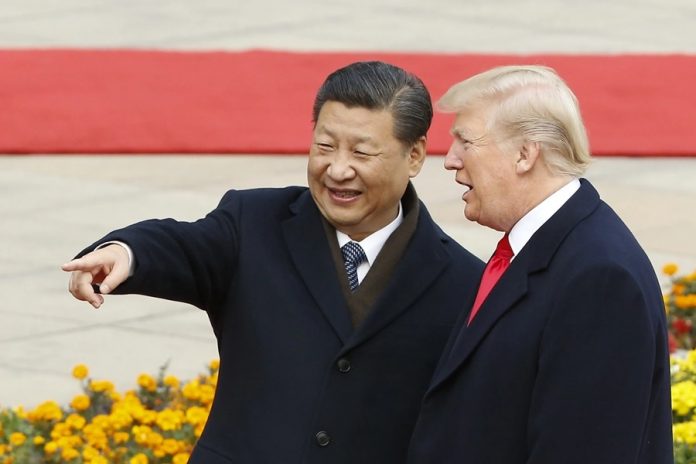
U.S. President Donald Trump said he and Chinese President Xi Jinping made progress on a TikTok agreement and pledged to meet face-to-face in just over a month in South Korea.

The two sides appeared to lower tensions during the first call in three months between the leaders of the two superpowers, but it was not immediately clear if the call had yielded the expected firm agreement over the fate of the popular short-video app.

Trump said the leaders agreed to talks on the sidelines of the Asia-Pacific Economic Cooperation forum that starts on October 31 in Gyeongju, South Korea, and for a potential later visit to China by Trump.

“We made progress on many very important issues including Trade, Fentanyl, the need to bring the War between Russia and Ukraine to an end, and the approval of the TikTok Deal,” Trump wrote on social media. “The call was a very good one, we will be speaking again by phone, appreciate the TikTok approval, and both look forward to meeting at APEC!” he added.

China’s official account of the discussion, however, was more restrained and made no reference to a final agreement.

“On TikTok, Xi said China’s position is that the Chinese government respects the will of firms and welcomes companies to conduct business negotiations on the basis of market rules to reach a solution consistent with Chinese laws and regulations while balancing interests,” according to the meeting summary in Xinhua.

A Long-Running Flashpoint

The fate of TikTok has been one of the most contentious issues in U.S.-China relations since 2020, when Washington first raised concerns that the platform’s Chinese ownership through ByteDance posed national security risks. U.S. lawmakers and intelligence agencies repeatedly warned that the app’s massive data troves could be accessed by Beijing, a charge the company has denied.

Efforts to ban or force the sale of TikTok to an American company have been tied up in U.S. courts for years, with ByteDance pursuing legal challenges while simultaneously striking data storage deals with American cloud providers in hopes of easing concerns. Microsoft, Oracle, and Walmart were at different points floated as potential partners, though those negotiations repeatedly broke down.

The Trump administration revived pressure in recent months, framing the TikTok deal as not only a matter of national security but also as a bargaining chip in the broader trade negotiations with China. Trump has tied the approval of a deal to wider economic discussions, using TikTok as both a symbol of Chinese tech dominance and a lever in disputes over trade imbalances, tariffs, and intellectual property protections.

That backdrop explains why the TikTok issue emerged alongside other major points in the Trump-Xi call. According to Trump, discussions also covered fentanyl exports, a key concern for U.S. law enforcement, as well as the ongoing war between Russia and Ukraine. The blending of issues shows how technology platforms have become inseparable from broader questions of national security and trade policy.

While Trump expressed optimism, Beijing’s cautious wording highlights the deep differences yet to be reconciled. For China, allowing TikTok to be carved away from its parent company ByteDance would not only set a precedent for foreign pressure on its tech giants but also be seen domestically as a concession under U.S. duress.

Analysts note that any progress on TikTok could signal a temporary thaw in tensions, but without a binding agreement, the platform’s U.S. future remains uncertain. The matter, for now, has moved from the courtroom and regulatory hearings into the highest level of diplomacy — a sign of both TikTok’s global cultural clout and its symbolic weight in the rivalry between Washington and Beijing.

Cash in on Crypto Wins of MoonBull’s $15K Presale Giveaway While Dogecoin and Apecoin Keep Sending It Skyward

0

Which meme coin could skyrocket next and capture the attention of crypto enthusiasts across the globe? Among the plethora of options, three coins stand out: MoonBull, Dogecoin, and ApeCoin. Each offers unique opportunities and challenges, making them worthy of comparison. Dogecoin, once a joke, has transformed into a mainstream asset, while ApeCoin, tied to the Bored Ape Yacht Club ecosystem, continues to hold its ground.

However, the best new upcoming crypto, MoonBull, is making waves with its innovative approach and exclusive whitelist opportunities. As meme coin popularity continues to surge, understanding the nuances of these coins is crucial for making informed investment decisions. MoonBull’s whitelist is live now, offering early access to its presale and staking rewards. This article delves into a comparative analysis of MoonBull, Dogecoin, and ApeCoin, highlighting their market positions, growth potential, and unique features.

Get Ahead With MoonBull: Early Access Benefits Revealed

MoonBull ($MOBU) is an Ethereum-based best upcoming crypto built for traders and meme coin enthusiasts chasing big gains. Designed to reward supporters with elite staking rewards and secret token drops, MoonBull fuses the viral energy of meme culture with rock-solid smart contract security. Ethereum’s reliable infrastructure ensures seamless DeFi integration, making MoonBull a standout in the next wave of meme coins.

The MoonBull whitelist is live now, offering a first-come, first-served chance to secure the lowest entry price, unlock bonus allocations, and gain exclusive hints about upcoming roadmap reveals. Only a limited number of whitelist spots are available, making this an opportunity that could disappear in seconds. Submitting an email now positions investors at the forefront of the next big crypto meme coin.

Whitelist members receive access to the lowest launch price, secret staking rewards, bonus token allocations, and private roadmap hints. All details remain under wraps until launch. Entry to Stage One is open to everyone once it goes live, but whitelisted users get the exact launch date in advance and early access, giving them an edge over the broader public.

$15,000 MoonBull Giveaway – Your Chance To Win Big

MoonBull is kicking off its launch with a $15,000 Giveaway split among five winners, all paid in crypto. The deadline to enter is September 26, 2025, at 6 PM UTC, with winners announced within a week. Getting involved is simple: whitelist your email, follow and repost @MoonBullX on X, join Telegram, drop your ETH wallet, and follow on Instagram. Every step boosts your chances by up to 63%. Time is ticking, rewards are massive, and this rare opportunity won’t last.

Dogecoin (DOGE) Jumps 7.68% as Price Hits $0.287

Dogecoin (DOGE) is currently trading at $0.287, with a market cap of approximately $43.38 billion. The coin has seen a 7.68% increase in the last 24 hours, indicating renewed investor interest. The recent launch of the Dogecoin ETF has further propelled its mainstream adoption.

Analysts predict that if Dogecoin can overcome the $0.29 resistance level, it could potentially surge to $1. This optimistic outlook hinges on sustained investor confidence and broader market acceptance. While Dogecoin boasts a strong community and significant market presence, MoonBull offers unique advantages through its whitelist incentives and Ethereum-based infrastructure. Investors seeking early access and exclusive rewards may find MoonBull a compelling option.

ApeCoin (APE) Hits $0.607 As Market Cap Approaches $457M

ApeCoin (APE) is currently trading at $0.607, with a market cap of approximately $456.77 million. The coin has experienced a 5.4% increase in the last 24 hours, reflecting steady investor interest.

Despite its association with the popular Bored Ape Yacht Club, ApeCoin’s growth has been relatively modest. The coin’s performance is closely tied to the success and popularity of the broader NFT ecosystem. ApeCoin’s established presence offers stability, but MoonBull’s innovative approach and whitelist benefits present a unique opportunity for early investors. The potential for higher returns may attract those willing to embrace new projects with promising prospects.

Final Words

Based on the latest research and market trends, Moon Bull emerges as the best upcoming crypto in 2025. Its innovative approach, exclusive whitelist opportunities, and Ethereum-based infrastructure position it as a strong contender in the meme coin space.

While Dogecoin and ApeCoin offer established market presence and stability, MoonBull’s potential for high returns and access to rewards make it an attractive option for investors seeking new opportunities.

For More Information:

Website: https://www.moonbull.io/

Telegram: https://t.me/MoonBullCoin

Twitter: https://x.com/MoonBullX

Frequently Asked Questions About The Best Upcoming Crypto

What is the best crypto presale to invest in 2025?

MoonBull’s presale offers exclusive benefits for whitelist members, including the lowest entry price and early access to staking rewards.

Which meme coin will explode in 2025?

Analysts predict that MoonBull has the potential for significant growth, driven by its innovative approach and strong community backing.

Which meme coin to buy right now?

Investors seeking early access and exclusive rewards may consider MoonBull, while those looking for established options might explore Dogecoin or ApeCoin.

How to pick a good meme coin?

Look for projects with strong community support, innovative features, and clear growth potential. MoonBull’s whitelist and Ethereum-based infrastructure make it a compelling choice.

Do meme coins have a future?

Yes, meme coins continue to gain popularity, with projects like MoonBull offering new opportunities for investors.

Glossary Of Key Terms

  • Whitelist: A list of approved participants who receive early access to a project’s presale or token sale.
  • Presale: The initial sale of tokens to a select group of investors before the public launch.
  • Staking Rewards: Earnings distributed to token holders who lock their tokens to support network operations.
  • Ethereum: A decentralized blockchain platform that enables smart contracts and decentralized applications.
  • Market Cap: The total value of a cryptocurrency, calculated by multiplying the current price by the circulating supply.