His ancestors had dedicated a Temple around 10th century BC to Yahweh. But Nebuchadnezzar II destroyed it around 587 BC during the siege of Jerusalem. He grew up, and rose to become one of the most important men in Persia (in modern Iran): a cup-bearer to Artaxerxes, king of Persia, and later, the king made him a governor of Persian Judea.
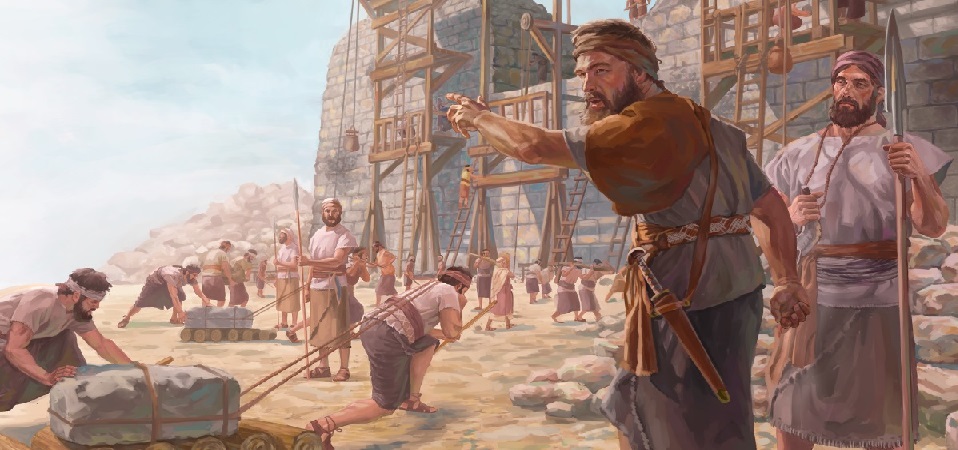
To rebuild the Jerusalem wall, the king gave his permission to use timber from his forest. In the imperial Persia, which had conquered Babylon, commanding the territories with military and economic powers, the king’s timber went with the king’s builders and security. The wall was rebuilt within 52 days.
Yes, Nehemiah rebuilt the city wall circa 408 BC – the very one that stood in Jerusalem during the time of Christ. Later, Roman Generals Titus and Vespasian destroyed it. I am yet to read of any man that understands foreign policy, diplomacy and large project management better than Nehemiah.
If Nehemiah had used any timber that was different from timber from the king’s forest, he would have failed. Understanding the situation in the region, and asking for the king’s timber was the reason he succeeded. You must have the capabilities to decipher the most important component to have a successful project. And you must make sure you have that component.
Simply, any project that received timber supplies from the king’s forest was as good as done. And only the most important projects qualified. As the aides shipped the timber, the guards would follow, making sure that none was wasted. Another set of guards would monitor compliance.
It is the big picture thinking in project management: understand what matters. In Nigeria, what is the “timber from the king’s forest” for us to advance as a people? Yes, what is the most catalytic thing for success? If Nehemiah had asked for money, he could have gotten tons and still failed. But he asked for one thing that no human would ever waste: timber from the king’s forest. Today, in Nigeria, what is our timber?