Naira is now Nigeria’s weakest point. Because of it, we are eating today’s breakfast and lunch, and washing our hands to finish the dinner planned for the future. The startup Bamboo now exchanges N492 for USD. Yet, there is no reason to be hopeless. Nigeria is fixable because it has many leverageable factors which could be used to drive economic development.
In FUTO, Owerri, during a Students Union Government (SUG) election manifesto night, many students competed for the presidency. One was elbow-lifted to the podium for his speech. For a speech of less than 10 minutes, one got help from writings on his palms. Another came with his dancers. Another with his blazer-suited friends. Another with his kegites’ brethren. Then, one guy came ALONE. He spoke, and he spoke, the students sent messages to the sky. The next day, Onifade became the Students Union President.
Simply, in a deep Southeastern university, a young man from Oyo state was made to lead. Those students found him better, and voted for him as they wanted a better university – and academic future for themselves!
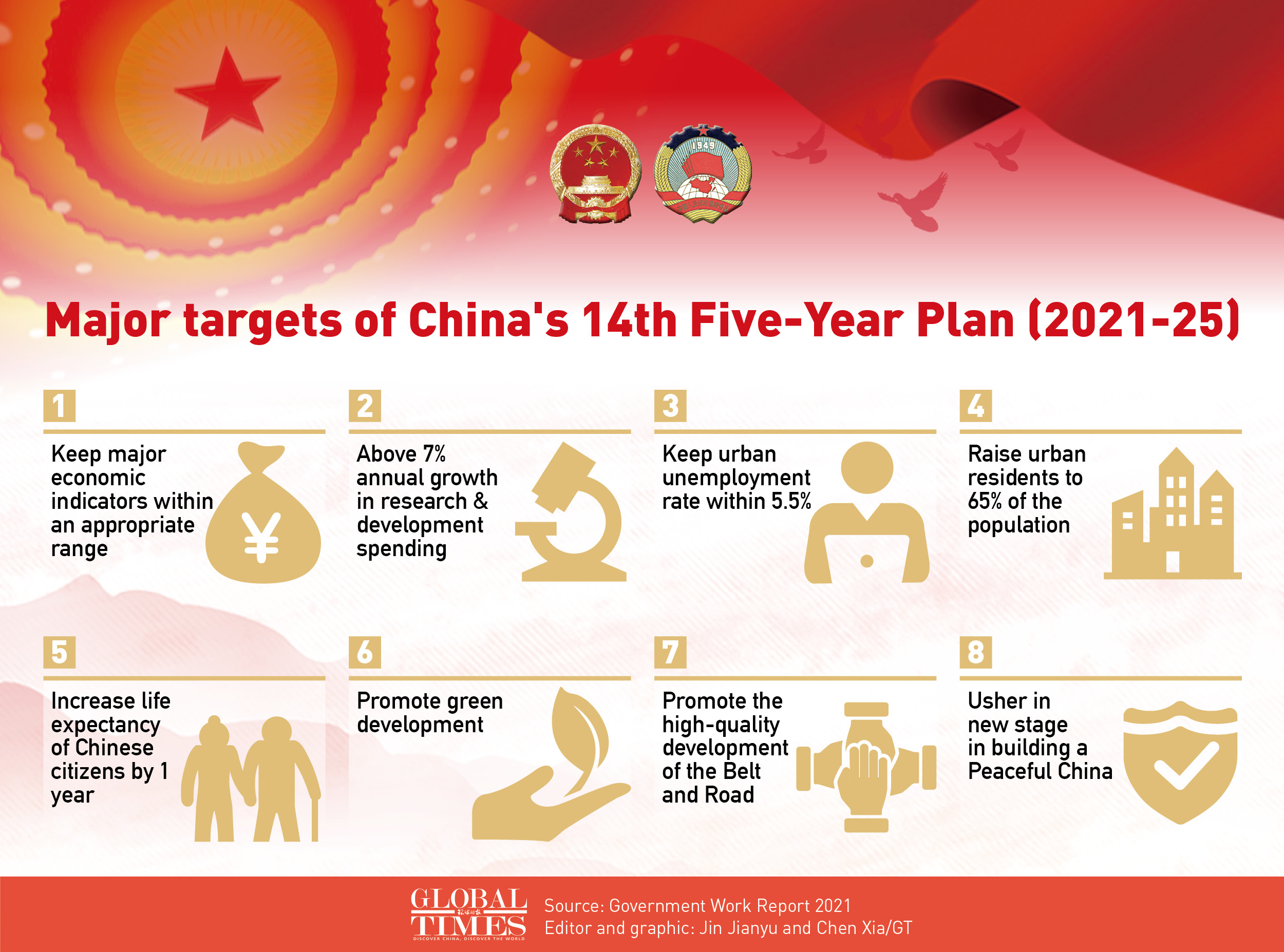
Imagine that for Nigeria! Imagine how Naira will be doing if we operate on that playbook for our economy. Possibly, you wish the Chinese can help as they continue to clean the growth medals – and nothing can stop it by merely looking at the recently unveiled plan: “For example, basic R&D expenditure is set to grow over 7 percent during the new five-year period, outpacing anticipated economic growth, and the environmental protection sector is set to reach a trillion yuan, officials said.” Interestingly, there are good operators like the Chinese, but we cannot make them the Onifades of FUTO at the national and regional levels.
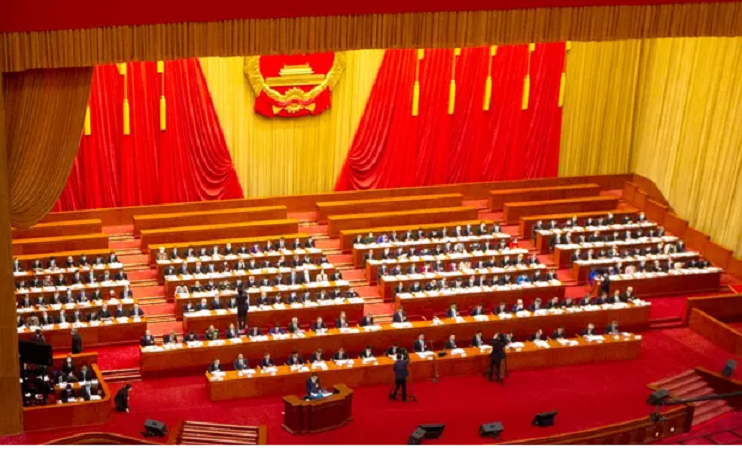
China is aiming to lift its economic, technological and national strength to a new, higher stage in the next five years, under a sweeping blueprint that has put heavy emphasis on improving domestic economic conditions, boosting technological innovation and national security, while leaving sufficient room to cope with mounting risks and challenges, officials said on Monday.
In a break from a decades-long tradition, China’s 14th Five-Year Plan (2021-25) did not set a specific GDP growth target – for the first time in the country’s history of making up five-year plans – but instead stresses goals in other indicators, including unemployment rate, energy consumption and carbon dioxide emissions, in line with a mission to improve people’s livelihood and quality of development
Of course, the real skill now, for most governors, is no more having economic plans, but mastering how to negotiate with bandits and kidnappers in Nigeria. That keeps them busy when China and the world are leaping well into the future. Painful.
For this week at Tekedia Mini-MBA, we are learning New Technologies, Growth, and Disruptive Innovation. Find below the modules:
AI & Cloud – Wale Olokodana, Azure Business, Microsoft
5G and Mobile Internet –
Emeka Obiodu (King’s College London),
Olayinka Oduwole PhD (PhD Oxford University),
Olu Teniola (World Wide Web Foundation)
Digital Security Management
Cybersecurity – Adetokunbo Omotosho, CEO Infoprive;
Digital Business Risk Management – Oluseye Kolawole, MD, Oak Interlink;
Information Security & Digital Forensics – Francis Nwebonyi PhD, Critical TechWorks Porto
Blockchain, Cryptocurrency & Decentralized Finance – Franklin Peters, CEO Bitfxt
Data Management, Big Data Analytics – Dr Adewole C. Ogunyadeka, esure Group
Fintech –
Olugbenga GB Agboola, CEO, Flutterwave;
Samuel C. Eze, CEO, Pass
More so, Tekedia Live zoom links are in the Board.
Tue, March 9 | 12noon – 1pm WAT | Ecommerce in China – Dr. Henry Chan, CICP Asia
Thur, March 11 | 7pm – 8.30pm WAT | General Topic, Your Edge Over Bigger Companies – Ndubuisi Ekekwe
Sat, March 13 | 7pm – 8.30pm WAT | Consumer Marketing in FMCG – Emmanuel Agu. FNIMN, FIMC, FIPMA, MSC, MBA, Ashridge Alumnus, Group Marketing Director, Jotna (the LaCasera Company).
Have a great co-learning week at Tekedia Institute.
Let me wish sisters, mothers, grandmothers, daughters, aunties, etc a great International Women’s Day. Today is a day that celebrates ‘the social, economic, cultural and political achievements of women’ whilst also calling for equality – where men and women are treated the same. When a society lifts a woman, a family is lifted – that is a constant as in mathematics.
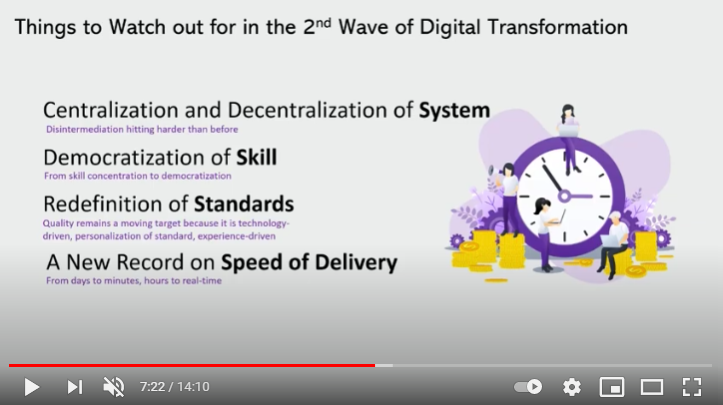
This is Tekedia Hub Automation Week with@olacharles . This is Day1 which focuses on The 2nd Wave of Digital Transformation. Tomorrow, we will do it Live at 5pm WAT at@webcast channel. The video below.
Conservatives are seeking new ways to limit what has now become a tradition of being kicked out of social media platforms for preaching unacceptable messages.
Texas governor Greg Abbott said Facebook and Twitter are leading a “dangerous movement to silence conservative voices and religious freedoms” as he backed a state bill Friday that would allow any Texans temporarily removed or banned from Facebook or Twitter to sue the social media companies in order to get reinstated, CBS reported.
The bill, introduced earlier this week by Republican state senators, is the latest of more than a dozen efforts that have emerged around the country in recent weeks, following the banning of former President Donald Trump from the two social media platforms in the wake of the January 6 Capitol riot.
At a press conference in Tyler, Texas, Abbott argued that the social media companies have the obligation under a 1996 federal law known as Section 230 to keep their platforms open, and that violations of that law by Facebook, Twitter and others give Texas the right to impose its own state-specific regulations.
“Big tech’s efforts to censor conservative viewpoints is un-American, and we are not going to allow it in the Lone Star State,” Abbott said.
The move will set social media platforms up for a fresh dilemma of section 230 and state law.
CBS reported that Texas state Senator Bryan Hughes, who sponsored the bill and spoke along with Abbott, said that all the state wanted to do was protect the freedoms of its citizens. “We don’t allow a cable company to cut off your television because of your religion,” Hughes offered as a justification for the proposed law.
A spokesperson for Facebook did not return a request for comment by CBS MoneyWatch. In the past, Facebook and other social media companies have said they have the right to monitor and ban users on their platforms when those users post speech that promotes violence.
Many technology and media experts agree. Industry group TechNet in a statement said the Texas bill would lead to numerous unintended negative consequences, including exposing children to harmful content.
“Every day, millions of pieces of digital content are posted that show the exploitation of children, bullying, harassment, pornography and spam,” TechNet said. “This bill not only recklessly encourages companies to leave objectionable content in the public eye, but also creates a culture that supports frivolous lawsuits against American companies.”
Sharon Bradford Franklin, the policy director of think tank New America’s Open Technology Institute, said Abbott “does not have a correct understanding” of federal regulations. She said, in fact, that Section 230 gives social media platforms, and all websites, the ability to decide what speech they want to host and what speech they want to take down.
While states can impose their own privacy laws on social media platforms, they are barred by federal law from enacting their own laws policing content on the platforms, Franklin added. “If a law needs to be changed, Texas can’t do it on its own,” she said. “I feel confident that any court would hold that a law passed by a state to regulate content on social media platforms is not allowed.”
Conservatives have long claimed that they are censored on social media websites, even though there is little independent evidence to support that. A study released last month by New York University found no reliable backing for the contention that conservatives are regularly blacklisted on mainstream social media websites.
Nonetheless, conservative censorship complaints have grown louder since Facebook, Twitter and others have sought to limit calls for violence in the wake of the January 6Capitol riot. This year alone, Republican lawmakers in 20 states have introduced bills that would allow their citizens to sue social media companies if they are “deplatformed,” according to David Horowitz of the Media Coalition, a nonprofit focused on First Amendment issues.
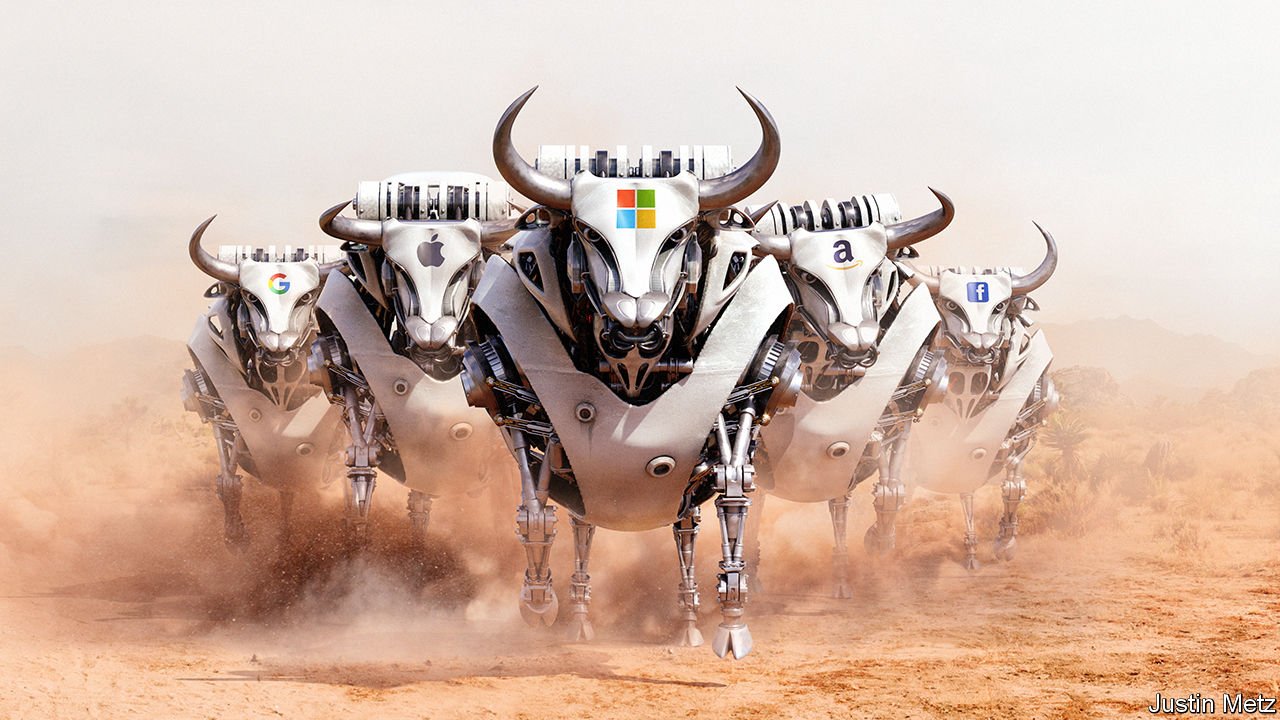
These firms on the radar
While states are trying to make the case that Facebook should be regulated like a public square, in which all speech is protected, Horowitz believes those states will have a hard time passing that level of regulation on their own. The biggest hurdle: The internet operates across state lines. Any new regulations imposed on Facebook in one state, for instance, would impact the company in another. “There is no way for Texas to guarantee that its rules will govern just Texans,” Horowitz said.
What’s more, Horowitz said, courts have long upheld that business owners have their own First Amendment rights of free speech as well. “If a bookstore doesn’t want to sell a book, the government can’t force it to do so,” said Horowitz. “I think social media platforms have the same rights.”
Donald Trump, while still in the office as president moved toamend section 230, which, in addition to giving social media firms the right to decide what message is allowed on their platforms, protects them from being held accountable for posts made by users.
The move was opposed by Congress and weeks after,Trump was kicked out by major social media platforms following the Capitol insurrection. Ever since then, conservatives have been seeking ways to curtail the power of big tech firms that have limited conservatives’ use of social media platforms to promote ideas deemed immoral.
The Texas bill is thus a new attempt at state level to disrupt the status quo that has taken the megaphone off the mouth of many conservatives.