DD
MM
YYYY

PAGES

DD
MM
YYYY

spot_img

PAGES

Home Blog Page 6818

AI Chips Going Mainstream

0

Baidu, China’s leading search engine, and Intel are partnering to make AI chips: “Intel said it’s collaborating with Chinese search company Baidu to develop a specialized computer chip to speed the process of training deep-learning systems”, Fortune reports.

Today at the Baidu Create AI developer conference in Beijing, Intel Corporate Vice President Naveen Rao announced that Baidu* is collaborating with Intel on development of the new Intel® Nervana™ Neural Network Processor for Training (NNP-T). The collaboration involves the hardware and software designs of the new custom accelerator with one purpose – training deep learning models at lightning speed.

“The next few years will see an explosion in the complexity of AI models and the need for massive deep learning compute at scale. Intel and Baidu are focusing their decade-long collaboration on building radical new hardware, co-designed with enabling software, that will evolve with this new reality – something we call ‘AI 2.0.’”
–Naveen Rao, Intel corporate vice president and general manager of the AI Products Group

Few months ago, Intel also announced that it was working with  “Facebook to develop a computer chip to aid with A.I. inference, which happens when an A.I. system acts on the data it ingests”. A specific brand of electrical engineering called Neuromorphics is going mainstream right now with these AI chips.

Neuromorphic systems are inspired by the structure, function and plasticity of biological nervous systems. They are artificial neural systems that mimic algorithmic behavior of the biological animal systems through efficient adaptive and intelligent control techniques. They are designed to adapt, learn from their environments, and make decisions like biological systems and not to perform better than them. There are no efforts to eliminate deficiencies inherent in biological systems.
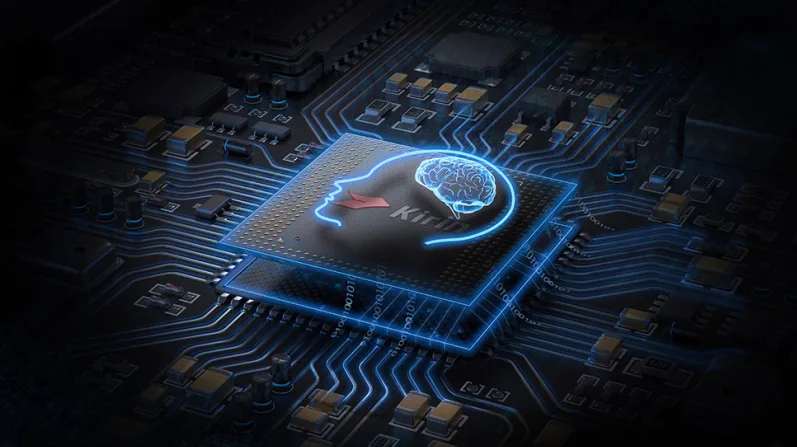
Neuromorphic chip modelling 

TAP Continues to Improve Commerce: Zero-Revenue Leakage Era is Here

0

TAP continues to advance commerce: zero-revenue leakage era is here. Our applications cut through agriculture to revenue assurance, agency services to education, ticketing to events management, and more. Anywhere you collect cash and want to eliminate leakage, TAP is ready.  We do not need mobile networks and efficiently operate offline. Yet, if you want to check how the money is growing from your restaurant while away, we can push revenue balance and transaction flow every 5 minutes to your phone. TAP unifies digital and physical when it comes to payment.

Our goal is simple: zero revenue leakage even on cash-based transactions whether you are in your shop or not. You sell garri, we capture all payments digitally. You sell mama put, all payments are recorded. You have okada riders riding for you, you get revenue visibility. You own a bus, you know how much the conductor collected. You run a shop, all transactions are captured live.

This is unification of digital and physical in payment. If you want to stop revenue leakage, theft, pilfering, etc in your business – offline and online – email my team for a demo anywhere in Nigeria

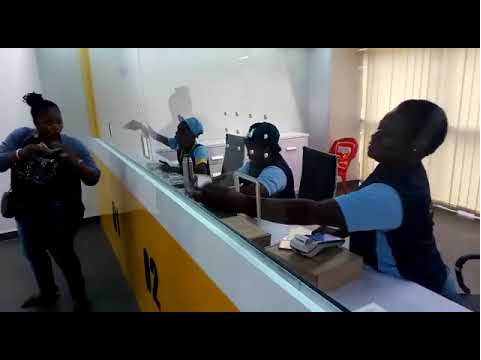
This video gives you 100% visibility on bus ticketing.

Nigerian Banks will get Virtual Network Operators Licenses to Win Mobile Banking

3
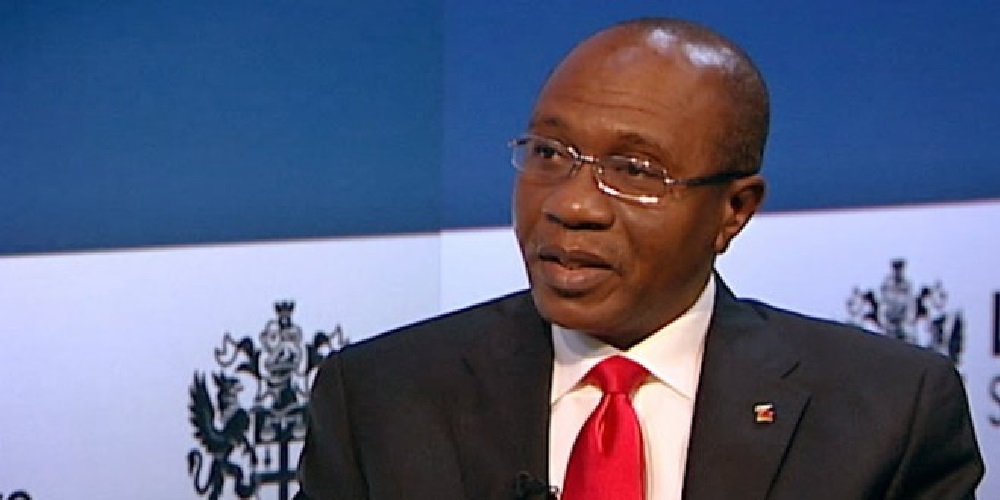
Godwin Emefiele (CBN governor)

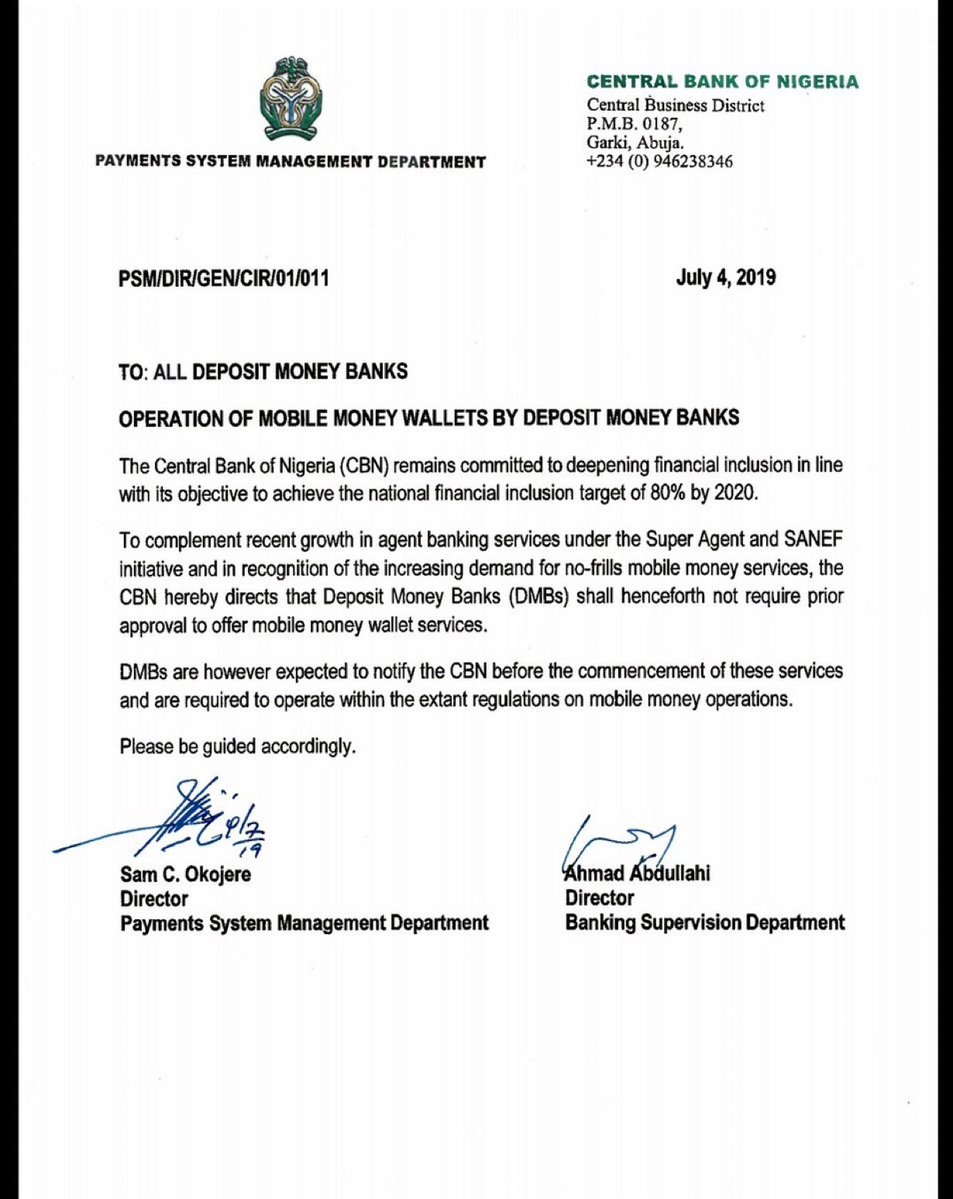
I got the message – the Central Bank of Nigeria allowing commercial banks to operate mobile money wallets without prior approval will not change anything. That is largely the consensus from the community. Many posited that only mobile agents (scratch card vendors) can make mobile money work even as CBN continues its mainly bank-driven mobile money penetration strategy.

But this is my hypothesis for the optimism: I expect NCC (Nigerian Communications Commission) to license full-fledged virtual network operators (VNO) in Nigeria in the next few years: “A virtual network operator (VNO) or mobile virtual network operator (MVNO) is a provider of management services and a reseller of network services from other telecommunications suppliers that does not own the telecommunication infrastructure”. Simply, you can have a telecom brand selling sim card and airtime, but underneath, you are operating say under MTN, Glo or Airtel; most customers will not know. You buy bulk minutes from say MTN on huge discounts and then resell, focusing on customer care and service for differentiation. It is popular in US with companies like Boost, Safelink and Cricket Wireless.

As soon as that happens, I expect GTBank to be the first bank to get a license. The Habari banking philosophy will need that. Once it gets a license, it will reduce the marginal cost of the human-banking (yes, agency banking) unit with telco services across rural areas. Yes, that same channel will power the mobile money banking services even though the telco and the banking services may be on different servers for compliance sake. CBN is relaxing many rules as it wants the banks to have the capacities to compete in Nigeria.


World Telecom Stocks Show Africa is the Growth Region in the Sector

2

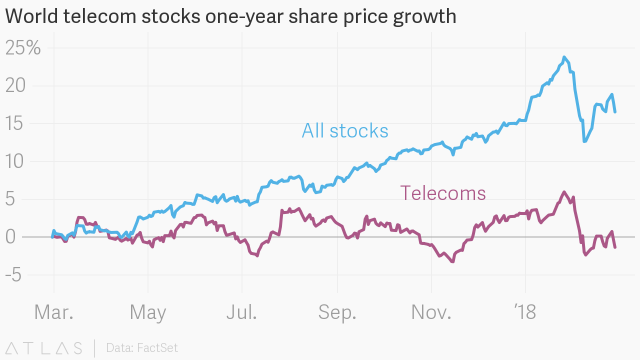
MTN Nigeria now enjoys a market cap of N2.636 trillion ($8.5 billion), clearly more than 20% of the total value of the Nigerian Stock Exchange. This is simply amazing because the global average of telecom stocks is actually below water, according to data compiled by Quartz. Yes, despite the largely boom stock era in the developed world, the telecoms have struggled. In the developed world, telcos have been normalized – dead pipes powering modern commerce. Yes, they are stuck at the center of that smiling curve.

But in the developing world, they remain the promise to get us into modern commerce. This shift is huge, and the reason to understand that it is getting easier to become a millionaire in developing world than in the developed world. Have that in mind because more wealth will be created in the developing world than anywhere on earth over the next three decades. But that does not mean that the indigenes of the developing world will be the custodian of that wealth!

Africa has a promise for the telecom sector even as the developed world flattens.

Nigeria’s Central Bank Unleashes Banks for Mobile Money

2
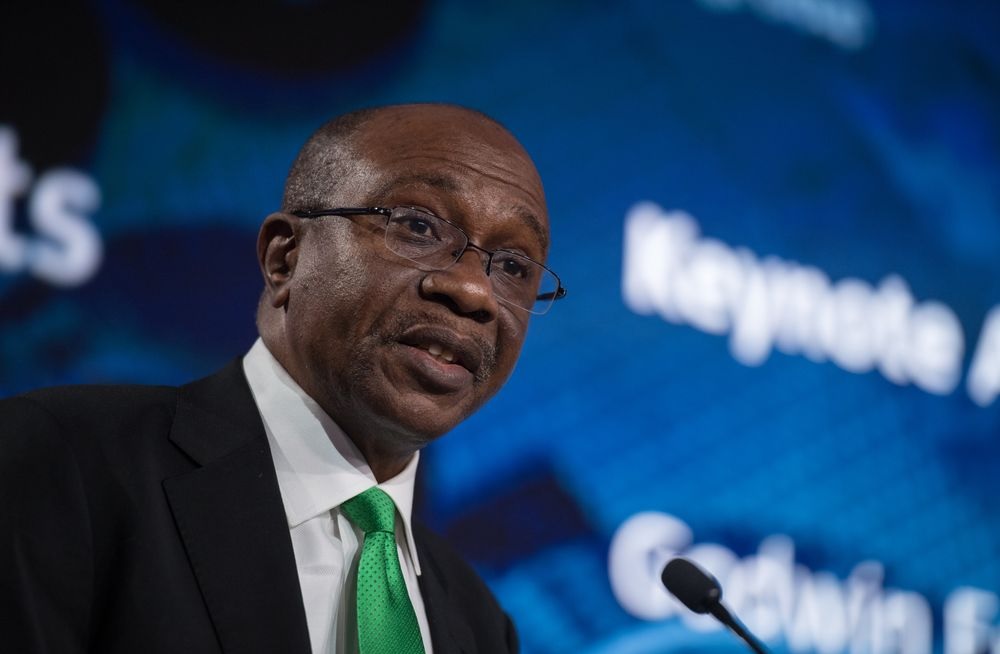
CBN Governor

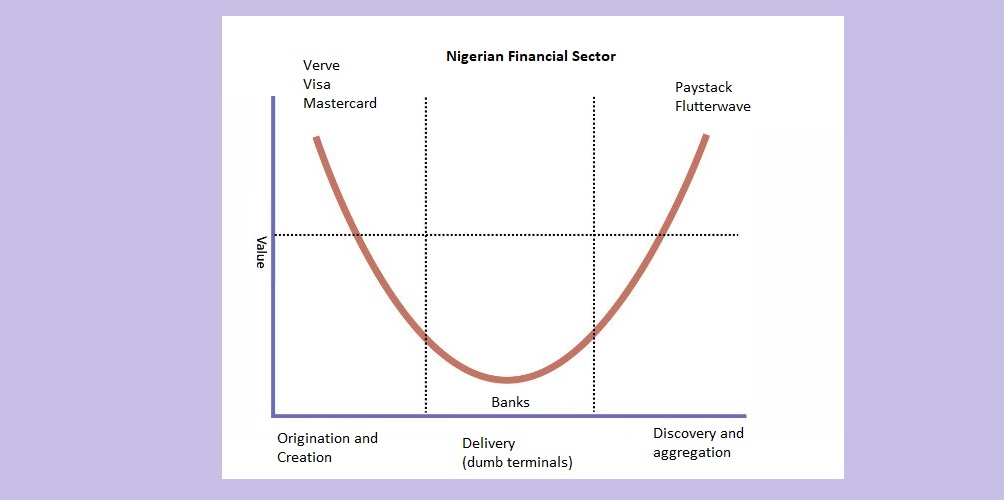
In Nigeria, banks are at the center of gravity for anything financial services: for all you do, you need BVN (bank verification number) and only banks issue BVN. But banks struggled, initially, to find value as fintechs began their redesigns. As I noted in my video on Smiling Curve, banks were at the center where value is marginal. Fintechs had always played at the edges of the curve.

But wait, the Central Bank of Nigeria has the memo: unleash the banks to move at the speed of now. Yes, going forward, deposit monetary banks (yes, commercial banks) can operate mobile money wallet services without prior approval. This opens many opportunities for banks.

Why ask a company to apply and wait weeks for review on something competitors can do overnight? Sure, they need to be regulated since they have other people’s money. But yet, you can still allow them to dream bigger in their businesses. The best fintechs in Nigeria include some of our banks.


From Comment section