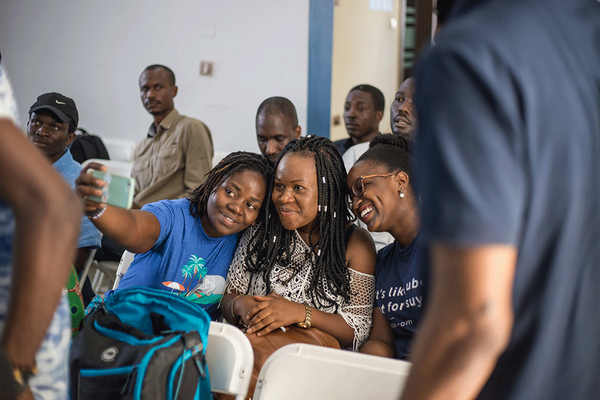
I wrote about Lambda School two days ago, and in the LinkedIn update, I asked if someone could get a version in Nigeria. Magically, today, Paystack announced a deal with Lambda School. The general model is this: you will get the training free but when you get a job, a small part of your salary will be sent to the company. That means they really have to do a good job to ensure you get a job – I will vote for that model any day. Paystack plans to hire many that get in or connect them with its merchant partners.
Lambda School is opening applications for the first time to students from Cote d’Ivoire, Ghana, Kenya, Nigeria, and South Africa. This is what you get:
An intensive full-time, 9 month full stack software development training program, at no upfront cost
During the program, Paystack will pay for membership to a co-work space near you so you have access to reliable electricity and internet
After the program, you’ll have the chance to be hired by Paystack, and we’re also happy to introduce you to the many Paystack merchants (including some of the best companies in Nigeria) who’re looking for development talent
Apply to the Lambda School Africa Pilot
California-based Lambda School is a 9 month immersive training program that gives you the tools and training you need to launch a new career. The program trains people online to be software engineers at no up-front cost. Instead, students have the option to opt into an Income Share Agreement where they pay a fraction of future income.
Paystack is a technology company powering growth for incredible businesses in Africa. We help businesses in Africa of all sizes – from startups to government agencies to global brands collect online and offline payments securely, and to provide a modern, delightful payments experience
Guaranty Trust Bank plc has released its unaudited Financial Results for the quarter ended March 31, 2019 to the Nigerian and London Stock Exchanges.
The Bank recorded positive performance across all financial metrics with gross earnings for the period growing by 1.2% to ?110.3billion from ?109.0billion posted in March 2018. Profit before tax improved to ?57.0billion from ?52.6billion recorded in the corresponding period of March 2018, representing a growth of 8.3%. Customers’ deposits also rose by 6.0% to ?2.410trillion in March 2019 from ?2.274trillion in December 2018, whilst the Bank’s Loan book grew by 1.6% from ?1.262trillion as at December 2018 to ?1.282trillion in March 2019.
Balance sheet remained strong with the Bank closing the quarter ended March 31, 2019 with Total Assets of ?3.556trillion and Shareholders’ Funds of ?627.2Billion. In terms of Assets quality, NPL ratio and Cost of Risk closed 7.03% and 0.05% in March 2019 from 7.30% and 0.34% in December 2018 respectively. In addition, coverage for NPL stood at 90.12% while Full Impact Capital adequacy ratio remained very strong, closing at 22.25%. On the backdrop of this result, Post Tax Return on Equity (ROAE) and Return on Assets (ROAA) closed at 32.79% and 5.76% respectively. These indices are pointer to GTBank’s strategic positioning in Nigeria and other Countries where the Group operates.
Commenting on the first quarter results, the Managing Director/CEO of Guaranty Trust Bank plc, Mr Segun Agbaje, said; “Going into 2019, we knew that it would be a challenging year, but our strategy and unwavering focus on delivering value for our customers and shareholders continues to underpin our ability to consistently deliver solid results despite changing market variables. We carried on the momentum of the previous year, posting strong growth in earnings, effectively managing costs and leveraging our digital-first customer-centric strategy to deliver world-class services that are simple, cheap and easily accessible.”
He further stated that; “Whilst ensuring the long-term growth of our business is the greatest value that we can create for our communities, we are also leveraging our resources, expertise and network to help people thrive. That’s why, from April 28 to May 1, 2019, we are organizing the biggest food and drink festival in Africa to give small businesses in the food industry the platform, network and access to the markets that they need to grow.”
GTBank has continued to be best in class in terms of Profitability, Efficiency and Capital among Peers and other Financial Institutions in Nigeria. This is evidenced by its Earnings per Share of ?1.74, Return on Equity (ROAE) of 32.79%, Cost to Income Ratio of 38.64% and Capital Adequacy of 22.25%. These metrics are a testament to the efficient management of the Bank. In recognition of the Bank’s bias for world class corporate governance standards, excellent service delivery and innovation, GTBank has been a recipient of numerous awards over the years. Some of the Bank’s recent awards include 2018 Bank of the Year – Nigeria from the Banker Magazine and 2018 Best Banking Group and Best Retail Bank Nigeria from World Finance Magazine.
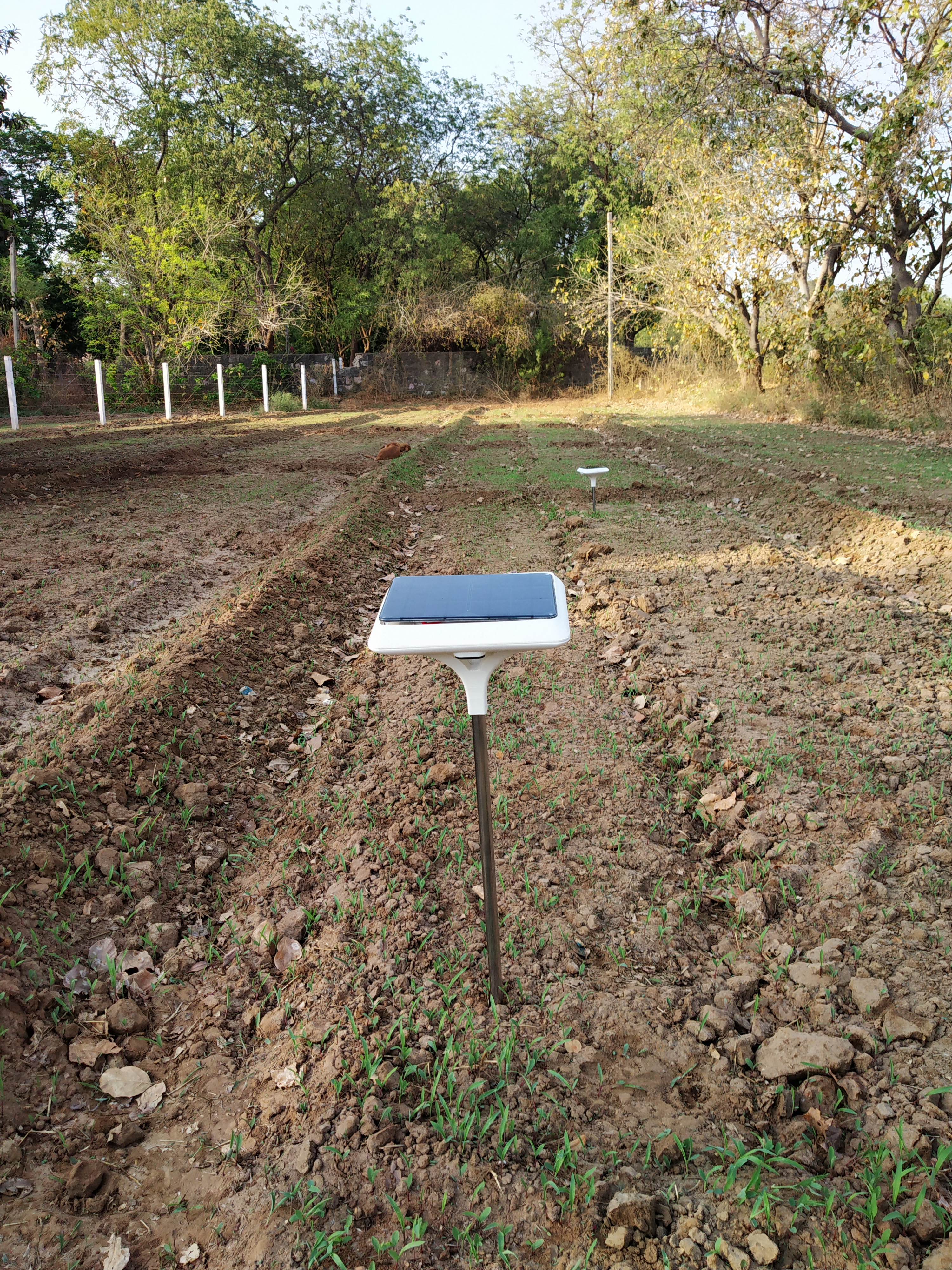
Zenvus, a Fasmicro Group subsidiary, was included in the world’s leading global market research report by MarketsandMarkets Research which serves 80% of Fortune 2000. We are the only African company that made the list. The Precision Harvesting market is valued at $10.4 Billion and will reach $17.5 Billion by 2023.
An email from the company
Fasmicro is profiled in one of our recently published study titled- Precision Harvesting Market by Product (Combine, Harvesting Robots, Forage Harvesters), Application (Crop, Horticulture, Greenhouse), Offering (Hardware – Sensors, GPS, Yield Monitors, Software, Services), and Geography – Global Forecast to 2023.
The Precision Harvesting market is expected to be valued at USD 10.4 Billion in 2018 and is likely to reach USD 17.5 Billion by 2023, at a CAGR of 10.9% during the forecast period.
Please find below some of the key findings of the report.
· Increasing adoption of advanced electronic devices such as GPS, sensors, 3D camera, yield monitoring systems, and robotic arms
· Increasing labor cost owing to shortage of skilled farm workers and increasing mechanisation of agriculture farm in developing countries to propel growth of precision harvesting market
· Greenhouse application segment to grow at highest CAGR between 2019 and 2023
· Combine harvester dominated precision harvesting market in 2018
· Precision harvesting market in South America is in the early stage of adoption and is expected to grow at a double digit CAGR from 2019 to 2023.
Industry Trends:
· Advent of Intelligent Combine Harvesters to Influence Market Expansion
· Agricultural Robotics to Mitigate Labor Shortage
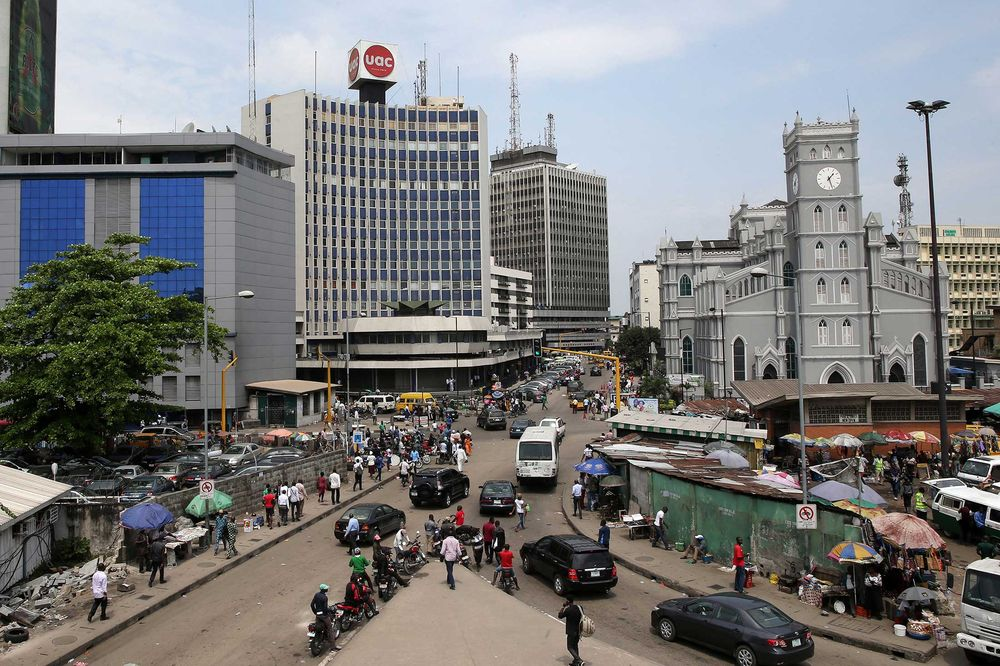
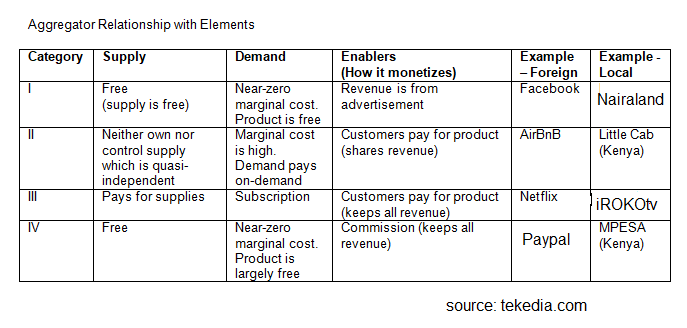
The greatest global tech companies of our era are built on one construct: The Aggregation-Integration Construct. Provided the web remains unbounded and unconstrained on distribution, Nigeria’s leading tech firms of the future must discover value therein. It is about marginal cost, and driving scalable advantage across markets and territories. As the 2022 arrives with that immersive connectivity, I can see that moment of glory at the horizon: begin to build.
Consulting Services
As a visionary player in the Oil and Gas sector we understand the role of quality procurement services
By Nnamdi Odumody
The Nigerian oil and gas industry which is the livewire of the economy needs to embrace digital transformation to increase operational efficiency across its value chain. This is necessary as advances in technology across the globe is affecting oil and gas exploration, production, distribution and marketing.
The following technologies are transforming hydrocarbons:
Artificial Intelligence and Robotics
Artificial Intelligence can help oil and gas exploration companies to discover and predict oil fields with large reservoirs. Through deep learning, image recognition to identify deep reservoir of hydrocarbons, mining will be more efficient. With sensors, oil wells can be monitored remotely while robots can be deployed to the deepest offshore and onshore fields to engage in exploration, production and even products refining in refineries. Through aggregation of real time data in exploration, production, distribution and marketing, performance will be accessed and friction points will be accessed to get them solved.
Blockchain
Blockchain is a secure transaction ledger database shared by all parties. It is a distributed network which records and stores every transaction that occurs in the network, creating an irrevocable auditable transaction history, and holds the potential for all participants in a network to share a system of record.
It will help Nigerian upstream oil and gas companies to track their value chain, from production to distribution and midstream companies, to monitor their operations while downstream companies like the upcoming Dangote Petroleum Refinery and Petrochemical, Nigerian National Petroleum Corporation can utilize it in monitoring operational efficiency at their refineries, petrochemical plants and supply chain.
Petroleum Marketing Companies can use blockchain to verify the genuineness of imported products at the depots before transporting them to their retail outlets or end users. Smart Contracts will create new business models for oil and gas operators, as it eliminates intermediaries since it is an agreement entered into between the seller and buyer, without the need for a lawyer, as it autonomously executes various terms written in that contract. It is highly secure and transparent, reducing fraud which could occur by the buyer of the product.
FutureTech in oil and gas
3D Printing
3D Printing or Additive Manufacturing will help oil and gas companies replace damaged parts, e.g. ruptured oil and gas distribution pipelines for products distribution. It is cheaper and faster than conventional production which will take time.
Internet of Things and Wearable Computing
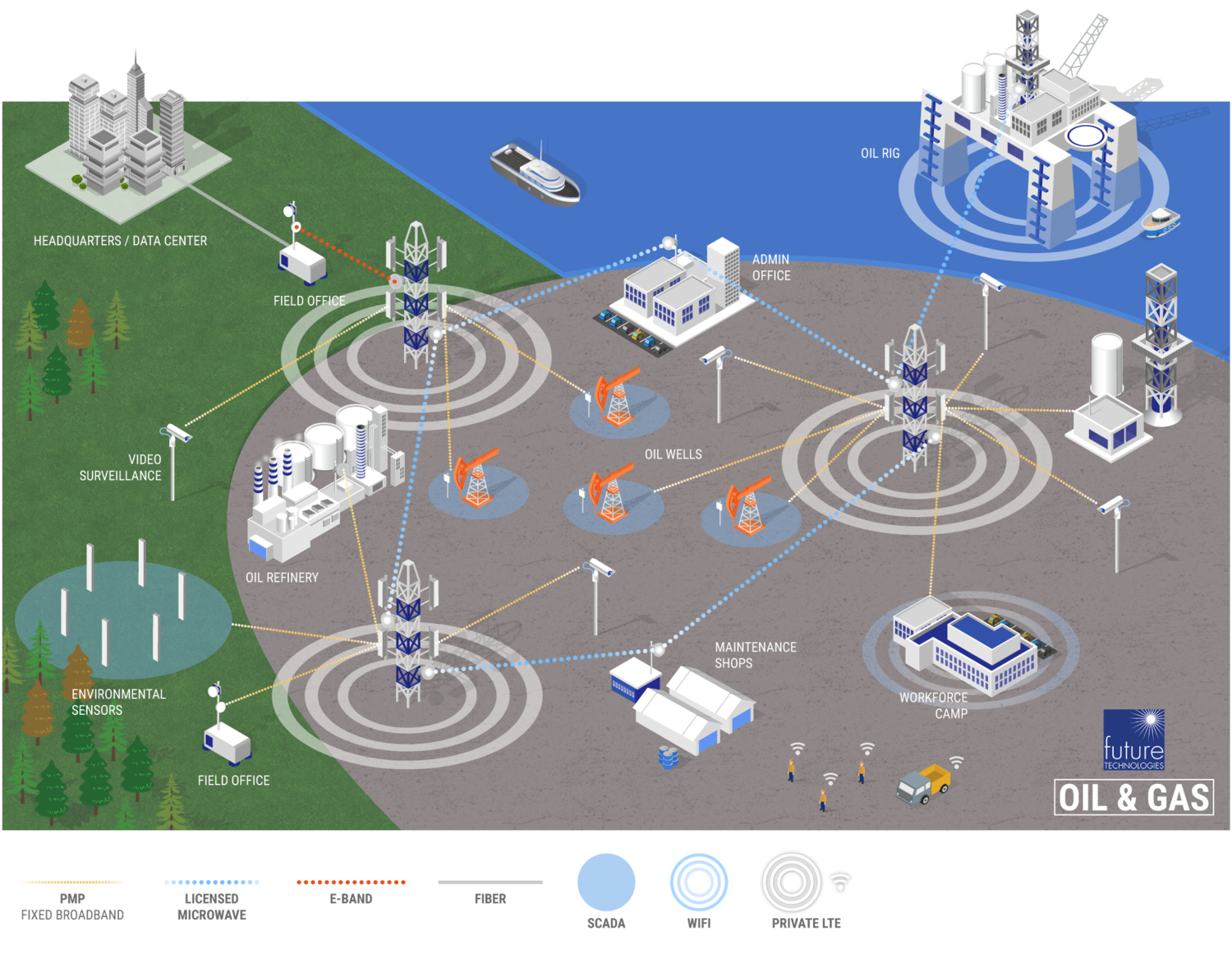
IoT will help in monitoring oilfield, pipeline products distribution, refinery and petrochemical plant operations as well as logistics operations to achieve efficiency. It enables predictive maintenance in case of disruption which can occur during operations and can also be deployed at Tank Farms to monitor the importation, loading and evacuation of petroleum products while retail stations can deploy smart pumps which will help to prevent problems of cheating in discharge of petrol by manual attendants to customers.
Smart Wearables will help oil and gas companies in the upstream, midstream and downstream sectors to monitor the operations of their employees, in real time, in order to know those who are delivering the most value to the organization.
Augmented and Virtual Reality
Augmented Reality is a technology which relays a physical thing in a digital format while virtual reality is a computer generated simulation of a three dimensional image or environment that can be interacted within a seemingly real or physical way by a person with wearable technology. These technologies can be used in training oil and gas employees on safety measures while on the field, display live 3D data from oil and gas fields which could yield reserves, and refinery or petrochemical plant production floor that could be used in decision making.
All Together
Nigerian Oil and Gas companies need to embrace digital transformation like their counterparts across the globe to solve some of the common problems which they confront. Efficiency in production systems will surely help the Nigerian economy.