DD
MM
YYYY

PAGES

DD
MM
YYYY

spot_img

PAGES

Home Blog Page 7031

Nigeria Needs Environmental Leadership

0
View from UNILAG Guest House

I took this photo in front of University of Lagos Guest House few years ago. I was a guest to the university, helping on some projects. As I look at the view (look well, you would see 3rd Mainland Bridge at the background), Zurich (Switzerland) comes to mind.

If you depart Zurich Central Station, you would behold a really fascinating water body. Nigeria has many of those water bodies but lack of local and national environmental leaderships have guaranteed that we have polluted and made them unusable.

Do you know that the part of Waterside (Aba) that runs through School Road (near Aba Stadium) would have been a tourist destination if Mother Nature has created that in Paris. But in Nigeria, it is a landfill (yes, waterfill).

As I travel around the world, there is nothing beautiful any nation can boast that Nigeria does not have. The problem is that we have not worked hard to unlock them.

View from UNILAG Guest House

Microsoft Stabs Intel As Windows Moves To Arm Chips

0

Microsoft is taking a new step to make it easier to run Windows software on computers powered by Arm-designed chips, rather than Intel processors, the software giant revealed Friday. In the past,  Windows apps ran slowly on Arm-powered devices. That was a relic of the mighty duopoly of the PC era—the Intel and Microsoft together known as “Wintel.“ But that relationship has been fraying over the past few years.

Microsoft is eager to move the Windows platform onto devices that are more mobile, which means bringing Windows onto the Arm chip architecture. Arm-based chips suck up less power than Intel chips; they already serve as main processor in every modern smartphone. Apple is also reportedly working towards using its own Arm chips for its Mac computers starting in 2020, Information newsletter summarizes.

Microsoft has unveiled official support for developer tools to create apps 64-bit Arm (Arm64) architecture apps for its Windows on Arm devices.

The Arm64 apps are designed for the Windows 10 on Arm convertibles like the new Lenovo Yoga C630 WOS and Samsung’s Galaxy Book2.

Operational Data + Experience Data = Perception Service

0

To create perception demand, you need to go beyond serving customer needs and expectations to meet their needs at the level of perceptions.

Perception Demand is very risky: you think without much learning curves decoupled from aligning scaling and market demand. But when you add “Stimulating” before it, you have a construct, Stimulating Perception Demand, which focuses on existing trajectories in the markets and how to take them to the next level, and around there massively get many fans to connect. Here, you have seen how the products in the markets are doing. You just want to take them to the next level. The product operates at perception level, but even with that, you must stimulate demand at new heights.

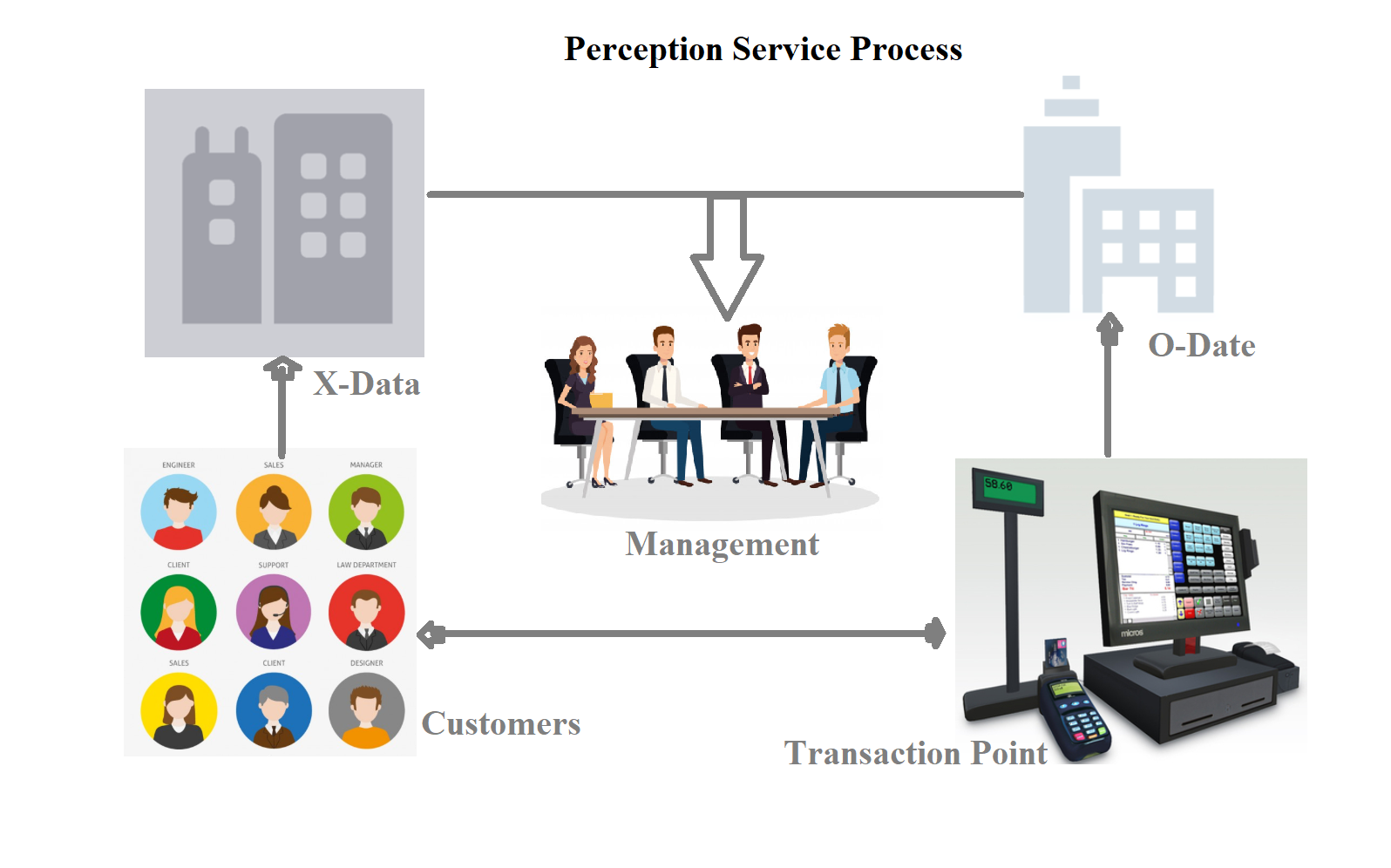
Two things are very critical to make that happen: operational data and experience data.

  • Operational data (O-Data): Operational data is actually one type of strategic data, which includes internal control and operational environment information such as data on the company’s workforce, direct competitors, creditors, suppliers and information on customers
  • Experience data (X-Data):  Customer experience (CX) goes beyond measuring the relationship between customers and companies; it is also about quantifying the hundreds of regular interactions and residual memories that influence future behavior. Specific tools like journey mapping and touchpoint management are keys that employees can use to unlock the code for many in-store and in-person experiences. But it’s important for your team to understand the context in which data is being used to make company-wide decisions.

When you combine O-data and X-data, you have Perception Service which stimulates Perception Demand. If you miss either of O-data or X-data, you would struggle with the right insights. To have Perception Service, you need this loop, making sure that your X-data and O-data are all integrated for the management decision making. Giving customers great services before they even begin to ask for them demands a deeper level of insights which can only happen when X-data fuses with O-data.


Unlocking Aba Opportunities with SEZ to Double Nigeria’s GDP in a Decade

0

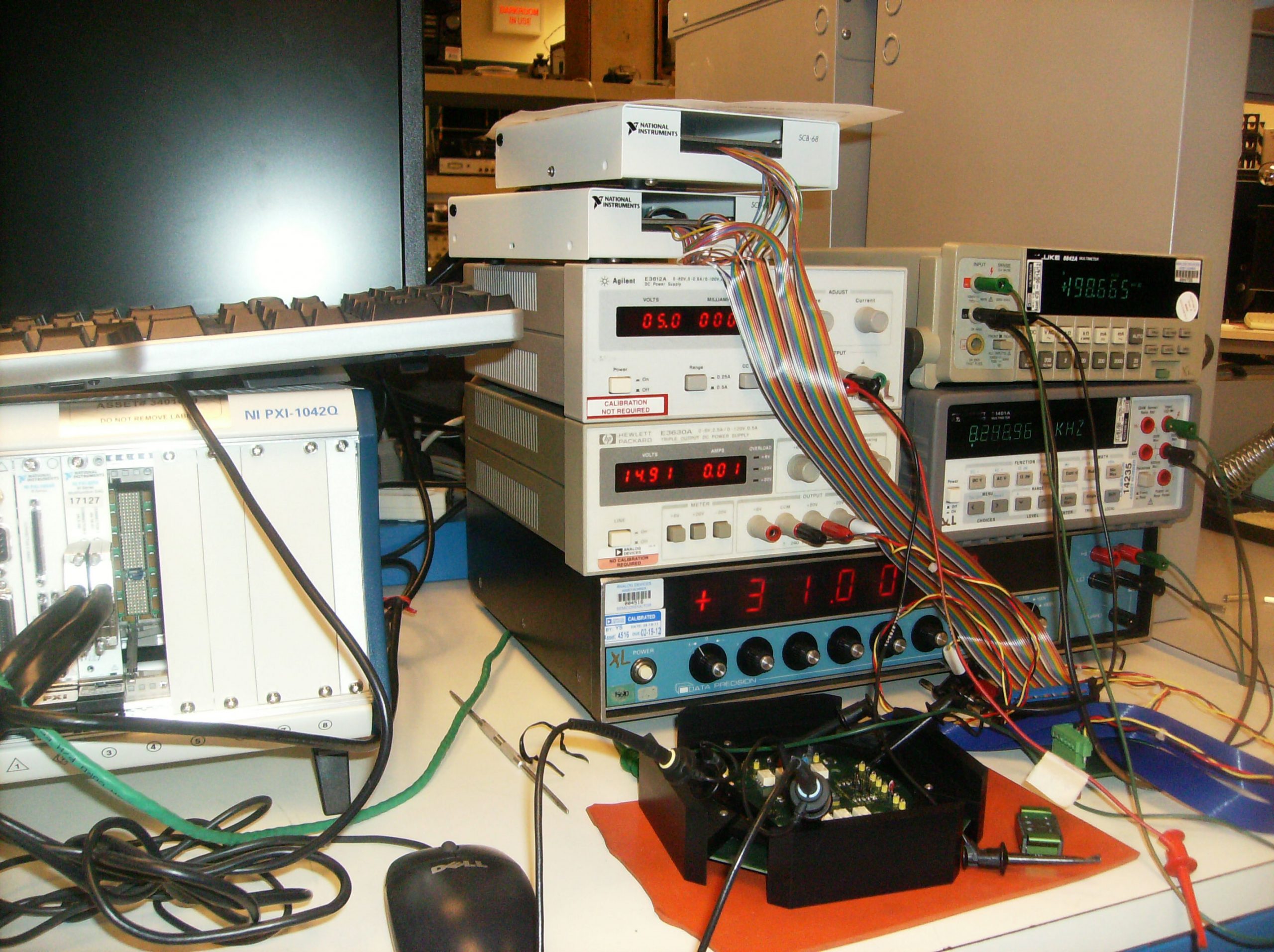
I enjoy moments in electronics labs. They are a big part of my weeks. I build and test circuits therein. My week is divided into three areas: advisory services (startups and corporations), electronics, and software.

For the electronics, I work on designs. Then we also have a big business with Intel Corporation as one of the two programmable microprocessor partners in continental Africa. Most times, it is reviewing designs from partners and helping on hardware descriptive coding. Then, we test for them. In this business, we control a lion’s share of the highly specialized market in Africa. I pioneered this sub-sector in Africa which I believe can grow further.

My proposal to grow the electronics sector in Nigeria is to make Aba a special economic zone (SEZ) where all products produced therein would not be taxable, unlocking local and global capital to rival China’s Shenzhen within decades. I see makers but they are subsistence; to become entrepreneurs, a redesign in the hardware sector would be catalytic. In my model, a SEZ would make that happen.

A special economic zone (SEZ) is an area in which business and trade laws are different from the rest of the country. SEZs are located within a country’s national borders, and their aims include: increased trade, increased investment, job creation and effective administration. To encourage businesses to set up in the zone, financial policies are introduced. These policies typically regard investing, taxation, trading, quotas, customs and labour regulations. Additionally, companies may be offered tax holidays, where upon establishing in a zone they are granted a period of lower taxation.

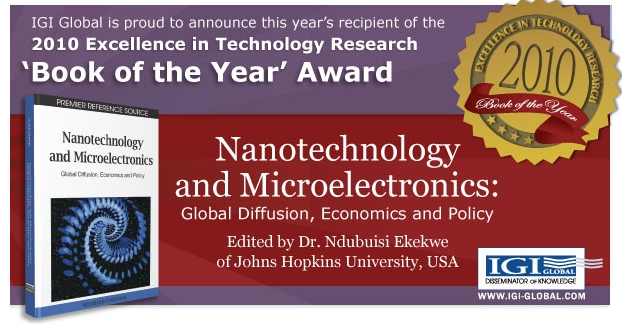
Aba is a latent opportunity in Nigeria. Yes, it has a promise but it needs stimulation. In my book (winner of IGI Global Book of the Year) where I described how nations have developed microelectronics and nanotechnology, I posited that Nigeria needs new policies to accelerate microelectronics which typically drives other areas of technology. Yes, before Google, there must be Intel. Before the Facebook click, there must be Qualcomm microprocessor. Without microprocessors, there would not be modern civilization!
As Aba blossoms, private capital would build seaport in either Calabar or Akwa Ibom state. I am extremely confident that within a decade of making Aba a SEZ, Nigeria would double its GDP as it would serve Africa through the evolving continental treaty.


Some images from imaging experiments covering NDVI, RGB and NIR.

Comment from LinkedIn Feed

At this point, I think it won’t be a bad idea to run the numbers, to ascertain what it could cost to get the Aba SEZ up and running. Let the numbers cover minimum landmass, the basic amenities/infrastructures needed, manpower/skills availability or lack thereof; feasibility study, EIA, policy formulations, etc.

If we can put all of these in Naira or dollars, that would help us know exactly what we are looking for here, who to meet, and how to go about it. I am a realist, and I do not think all the money we have in this country will finish, if we are to bring this into being.

The policy of sharing money to the poor is highly defective, because it will never take anyone out of poverty, rather it increases dependency; and there will always be need to share more money.

For me, my idea of wealth creation would require making it possible, such that in a community of 1k inhabitants, if we can empower 10 entrepreneurs, they should be able to take care of the economic and social needs of the rest within that space. We cannot continue to waste money on things that are very difficult to predict their multiplier effects, and how majority of the people within the geographic space could participate and benefit from them.

Let’s go Nigeria!