DD
MM
YYYY

PAGES

DD
MM
YYYY

spot_img

PAGES

Home Blog Page 7093

The Economic Costs of Election Cycle Politics

0
Election cycle

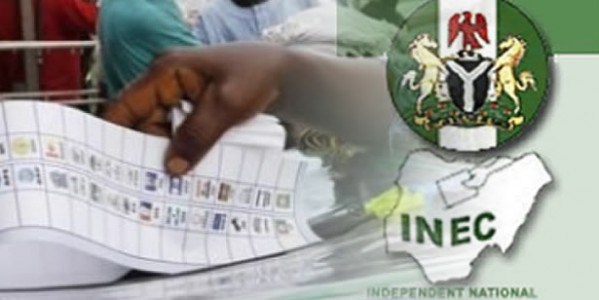
In 2015 Nigeria’s general elections reportedly cost the economy an estimated $625m for 67 million voters according to a certain infographic by Ali Geidam. In the previous year (2014) India’s election reportedly cost $600m for 815 million voters. This comes to about $9 per voter in Nigeria and 7 cents per voter in India. There may be something fundamentally wrong with Nigeria’s pattern of election cycle politics and it clearly does not befit a sinking nation. What does elections cost a nation? In practical terms who really bears the cost?

If we proof that elections could lay the negative precedents for economic stagnation/regression – at least in our own context – then it becomes very imperative to rework it. The real economics of elections may be of little consequence to the political class from a strategic perspective, but a patriotic review of some of its hidden impacts on citizens and the economy, justifies a thoughtful inquiry. On the frequency and form (scope if you like) of elections, a nation in Nigeria’s shoes should ask many questions.

It appears that the only reason why Nigeria holds general elections every four years is because it’s the practice in US, Britain, France and any old democracy you may think of. That constitutional culture may have worked for those who originated it, but its proofing too expensive for those who now copy it.  A school of thought in political economy opines that “elections lead to income redistribution, less capital accumulation and lower economic growth”. That could be Contestable? but If we were to proof this, then why should a developing and economically regressing nation organize this party every four years.

INEC’s budgetary allocation in 2014 valued at N87.8 billion is projected to be enough to build 110 cancer radiotherapy centers at N800m each (Nurudeen Abdallah).  It’s obvious that if the interval for elections in Nigeria where farther spaced, there will be apparent cost savings. These costs reflect only direct costs. There are indirect costs of election as well, which includes the developmental opportunity cost (reflected in the time lost) and the strategic distraction from governance – in which cases Nigeria is a top scorer.

While social scientists and political economists are still exploring the summative impact of election cycle politics on national economies, with divergent schools of thought postulating progressive and regressive impacts in some cases; Its more obvious that majority of the available literature/data will represent studies conducted in the West, (or at least other developed nations) where national development is neither an exigent nor a critical task and where available finance, time and resource can be conveniently earmarked for secondary concerns.

There is no gainsaying that elections are the bedrock of modern democracy and it provides a framework and vehicle for delivering and sustaining certain institutional elements of society and governance. However, exploring the real economic cost of election cycle politics in Nigeria brings a lot of questions to fore. It challenges the economic justification – in a developing economy – of a four year term that ends as soon as it starts; it strongly questions the size of government at the major tiers, with respect to their roles and impacts.

Now we are the poverty capital of the world; has one of the world’s poorest qualities of power supply (being second only to war-ravaged Yemen) and one of the world’s worst education and transport systems. But we still believe it makes sense to reconvene every four years to elect new leaders at all levels. And that, within a chain of activities that typically takes no less than 12 months to prepare for, which aptly mirrors a year-long party or jamboree.

On a cursory look, it appears that the about $625m that was reportedly spent/circulated in 2015 general elections within Nigeria, should have nudged the economy forward. But the truth is that those expenses or redistributed income that could have positively contributed to improving the Social Overhead Capital (SOC) – infrastructure, road, communication systems and other utilities that directly aid business – are rather targeted at frivolities, often under very corrupt circumstances that will largely elude the lawful market. This amounts to desirable income redistribution without capital accumulation which becomes undesirable.

For those who argue otherwise, to proof that Nigeria’s huge election expenditures help grow the economy will require a Difference-in-Difference study that compares economic indices before and after the election. Until that hard data emerges, experience and visual econometrics is already providing us some scary outputs.

We see electoral violence and its costs, (contrast this with more peaceful conducts in saner climes), We see distractions from governance and its costs, comatose enterprises and its unemployment cost and limited appetite for local and foreign investment that is fed by the fear of policy shocks and political instability. The list could actually be longer.

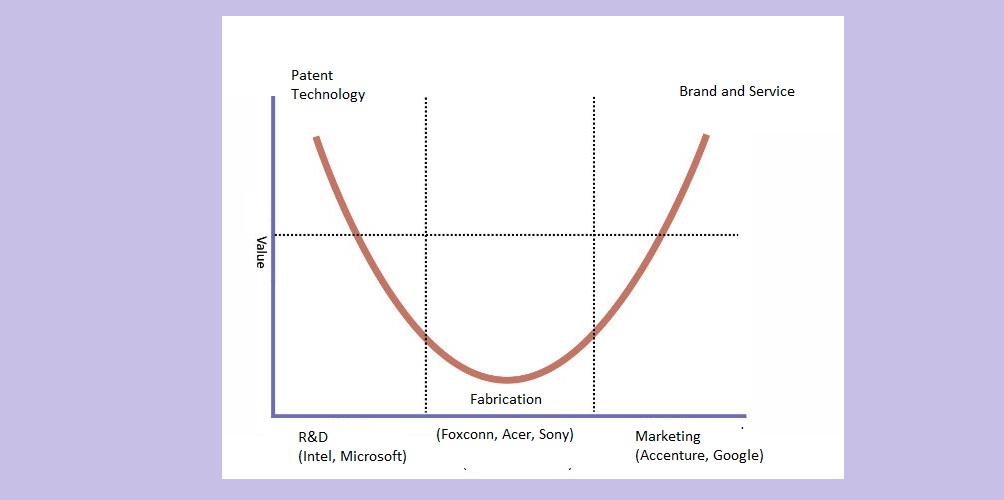
The Smiling Curve and Nigeria’s Manufacturing Plan [Video]

0

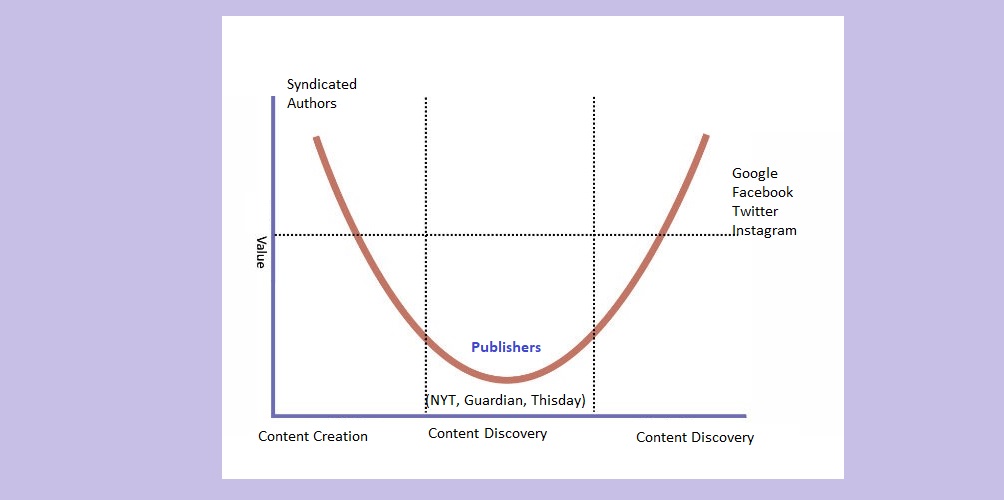
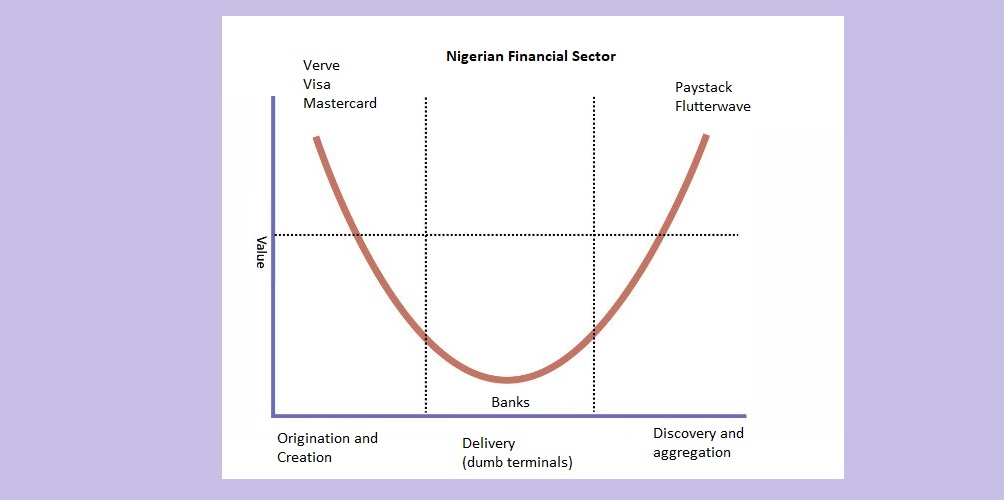
I have written extensively on the Aba leather sector. Aba has a promise. Also, Kano, Osogbo and other organic clusters are all latent opportunities in Nigeria. To unlock their promises, we need to examine the value-creation systems. Here, I use the Smiling Curve to look into some sectors in Nigeria and where the greatest values can be created.

Nigeria is proud of Aba, for the creativity, ingenuity and resourcefulness of the makers and artisans working therein. However, Aba has been a promise which for decades has not delivered on its leather industry. The professionals have not evolved their production processes for generations, resulting to products, which have sparks of genius, but which are at the end, defective in quality.

The images in the video are very poor; I have updated them with clearer ones below. I made the original ones while in an airport; drew them and took photos with my phone. 

The “How To” of Perceptive Products

8
Perceptive products

Growing up, I didn’t like taking medications. Mom had her ways of making me take it. She either would; roll it up in my eba, threaten me with the cane, dissolve it in water and then go ‘Samson’ on me or simply bribe me with the only medication that I loved taking, sweet multivitamin supplement!

Painkillers and Vitamins is the slang term used by Venture Capitalists to describe products in terms of their usefulness to the consumer. Literally, painkillers provide relief on particular pain-point(s) (example: Aspirin for Headache). On the other hand, the body systems depend on the vitamins to provide the enzymes that are necessary to maintain the general wellbeing of the consumer. While the Vitamins may not address an obvious Pain-point, a lack of it will result in a pain situation that may only be addressed by it (example: lack of Vitamin C will lead to scurvy).

The idea of Vitamin products refers to those products which are designed to exploit a certain behavior or habit of its consumers. Its focus is not on market niche but to dominate a behavioral niche; such that the consumer depends on it to express such behavior! Developing such a product is very much an Art of Perception than merely meeting demand with supply or satisfying Customers’ expectation! Prof Ndubuisi Ekekwe is a strong advocator of this level of product mastery having coined the term “Perception demand” in a bid to express his thought:

“The Perception Demand Construct is a construct where you work on things which are not really evident to be in demand. Yet you go ahead to create that product. The demand may not be existing but you are confident you can stimulate it. Yes, you do believe that your product can elicit demand and grow the sector when launched. This is different from existing demand which could be met via starting a web hosting company or selling light bulbs where you know people actually need those services.”

This nexus of Product mastery has been demonstrated by giants like Apple, Facebook, Netflix… in establishing themselves as major players in the market. This Article explores this tested process that you can leverage as you design your own Product to become a dominant force in the Market.

The How?

Some of the key questions to consider when designing a Perceptive product are as follows:

  • What consumer behavior can my product leverage on to deliver Value?
  • What new behavior can my Product synthesize or stimulate?
  • Does my target consumer currently express this behavior; how do they express it?
  • How can I simplify as well as introduce a ‘high’ for the consumer in expressing this behavior?

In this article, I will focus on only two processes that show how these key questions have been applied in designing some very successful products.

The Beauty of Magic Moments

Social Media

The Value proposition of every social media platform (Facebook for example) is simply to connect and engage people in their own unique way. This is due to the understanding of our desire for interaction or expression. More importantly, social media platforms want to become the defacto solution towards fulfilling this desire. It does this by enabling a flow of magic moments which increasingly draws the user to be more dependent on the platform. Magic moments happen; when you connect with a long lost friend, when we get likes on our picture, when we start chatting with new people, when we get comments on our post, when we are tagged … This flow of Magic moments is Socially engineered to raise the dopamine level of the user, making the user increasingly addicted to the Platform! These beautiful moments speaks to our desire for friendship, affirmation, relevance, family… it is actually creating a new behavioral pattern to how we fulfill these desires. Eventually, the users are gradually drawn in until they live on the platform and the product becomes more successful!

Big Brother Nigeria

So the news is that billions of Naira (no official amount yet) was generated as revenue in BBNaija 2018. The massive following generated by this Live TV Game is testament to a product strategy that was masterfully executed. But the business question is this; what were they really selling? BBNaija is a well curated sophistry of magic moments; from selecting the inmates, pairing and re-pairing, the tasks, bust-ups and peace talks, eviction notice and the evictions, shower time, sex in the shower or under the duvet… the entire Game is a master craft of Perception. The BBNaija team has understood something fundamental about human behavior; People like to talk about other People, so they indulged that behavior. More importantly, they are looking at some very serious data; according to Similarweb, Porn is in the top 20 contents consumed by Nigerians online. If I were being sarcastic, I would say that BBNaija is soft Porn for the family!

PrepUp

My Nephews and Nieces are always searching for games on my phone. I understand their frustration when after 5 minutes, they turn to me and say, “Uncle Chimdi, there’s no game in your phone!” I was a game addict growing up; 8-bit, Sega, Nintendo, Gameboy, Nokia-Torch game, PS1, PS2, I played them all. So when my friend Elvis Chidera told me about his App PrepUp, I quickly checked it out. How do you fuse learning, exams, games and magic moments together? Elvis did it by answering the key questions that I asked above. This enabled him to design a Preparatory class for SSCE and Jamb students on a gamified construct that enables multi-players. The best magic moment is that you win! With more than 10,000 downloads on the Google App store, PrepUp is a success in that category!

The Takeout Process

Apple

One key differentiation of Apple’s IPhone and IPad products is its simplicity of use. Having a closed IOS platform has enabled them to maintain this culture of very simple to use software Products; the standard seems to be in designing products that even a baby can use. At the heart of designing these simple products is the takeout process. This is the idea; why look for a Next button when you can swipe to Next!

IROKO TV

Rewind to the time, when to watch a Nollywood movie will require that you go rent the movie at a Movie shop. Some of the simple rules; is that you get to hold the movie for a set period, and you are to deposit a minimum amount of balance to manage any damage that may arise. Then, IROKO came and made relaxation much more relaxing! They understood that watching movies is how many people relax but the process of getting the movie has become a Stressor! By employing the takeout process and the abundance of the internet, they have enabled an easy and convenient experience for movie watchers. Still, IROKO is at the stage of meeting customer expectation, but they can evolve to the level of perception; with their banks of data, they possess the vital tool necessary to do this!

All together

The art of designing Perceptive products is not limited to these two processes. The general idea proposed by each process is a shift in focus from not just understanding the market but the Consumer at a deep level!

As you build, design or develop your product, realize that what you need to unlock Value may not be rocketry but just the fine Art of behavioral hacking.

I look forward to your thoughtful disagreement, thank you for reading! Many thanks to the tekedia crew and to Prof Ndubuisi Ekekwe, I am most grateful, cheers!

Ways to Commercialize Agriculture Venture Ideas in Nigeria, Africa

0
Commercialize Agriculture Ideas

As promised after the publication of 30 Agro and Agtech Business Ideas for Africa that we would publish mechanisms to move most of the ideas into products, we are here sharing practical systems and processes with enablers on how anyone in Africa can get into this game. The driving philosophy is to execute locally and effectively transition […]

This post is only available to members.

Watch French President Macron – Tony Elumelu Interactive Forum

0
Elumelu Macron

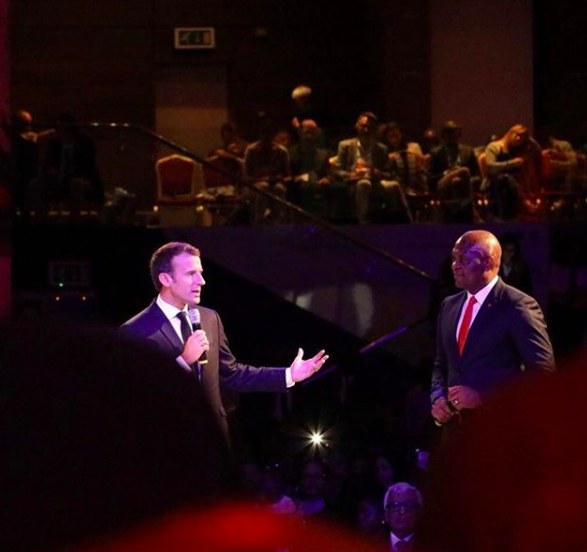
I just finished watching the full session of French President Macron – Tony Elumelu Interactive Forum hosted by the Tony Elumelu Foundation. I am working here; the video played all through.  Mr. President is simply brilliant. See the eloquence, the visioning process and his mastery of elemental components of nations. You can see a man who knows his world without advisors. See the way he handled the questions – Africa needs to improve our political leadership game. Honestly, watching French President should inspire you. Watch on click.

The video below…