DD
MM
YYYY

PAGES

DD
MM
YYYY

spot_img

PAGES

Home Blog Page 7303

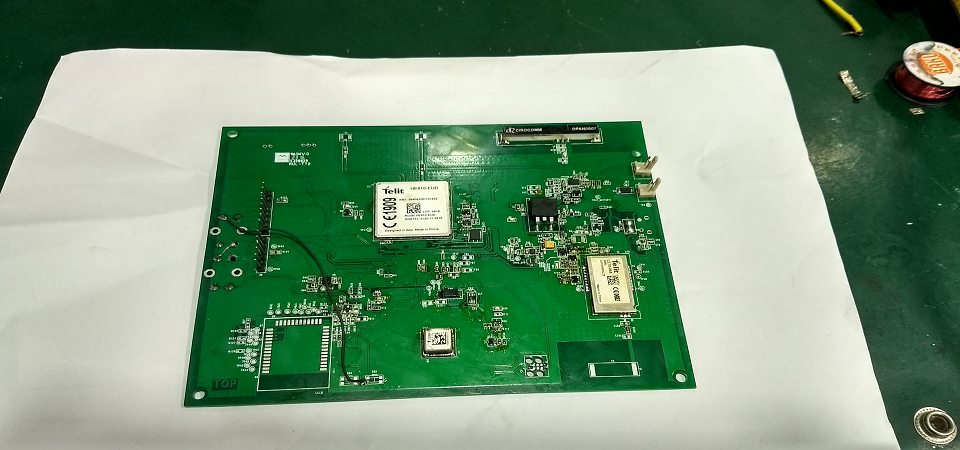
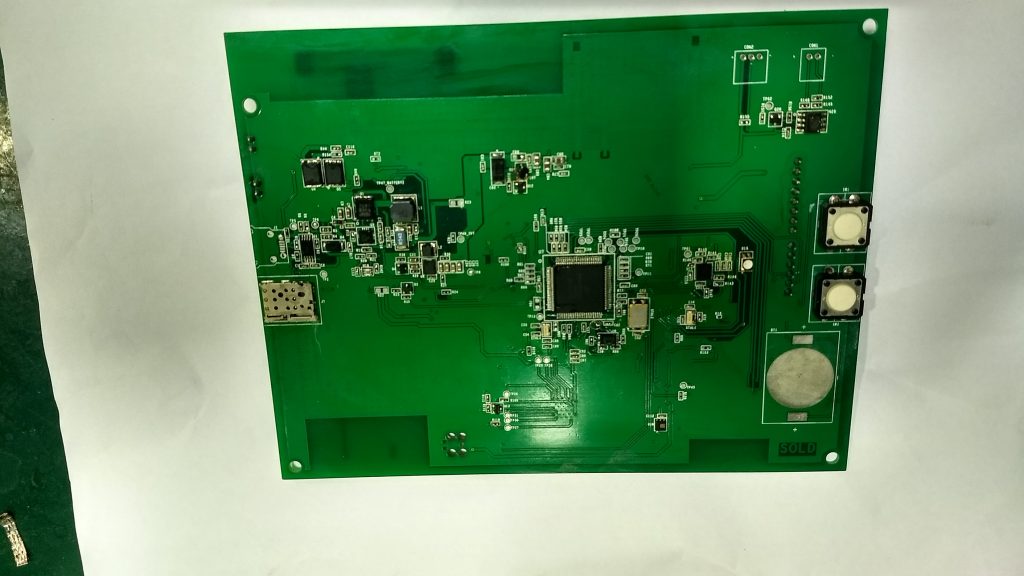
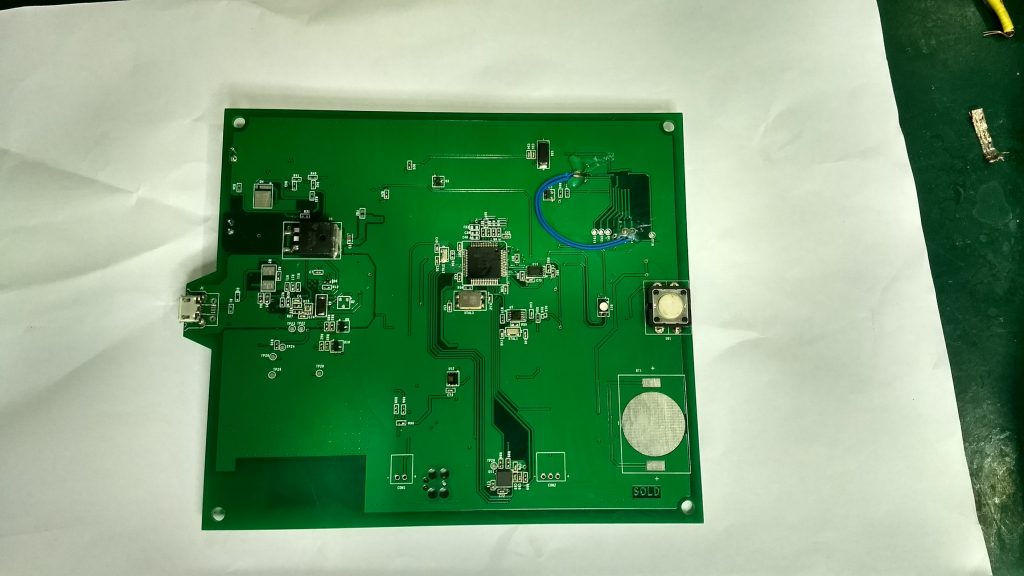
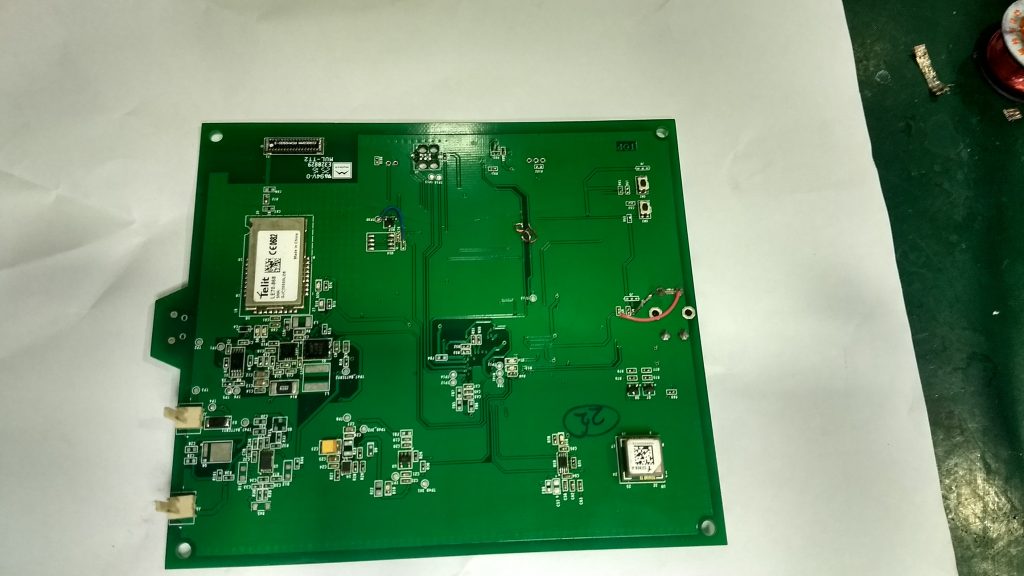
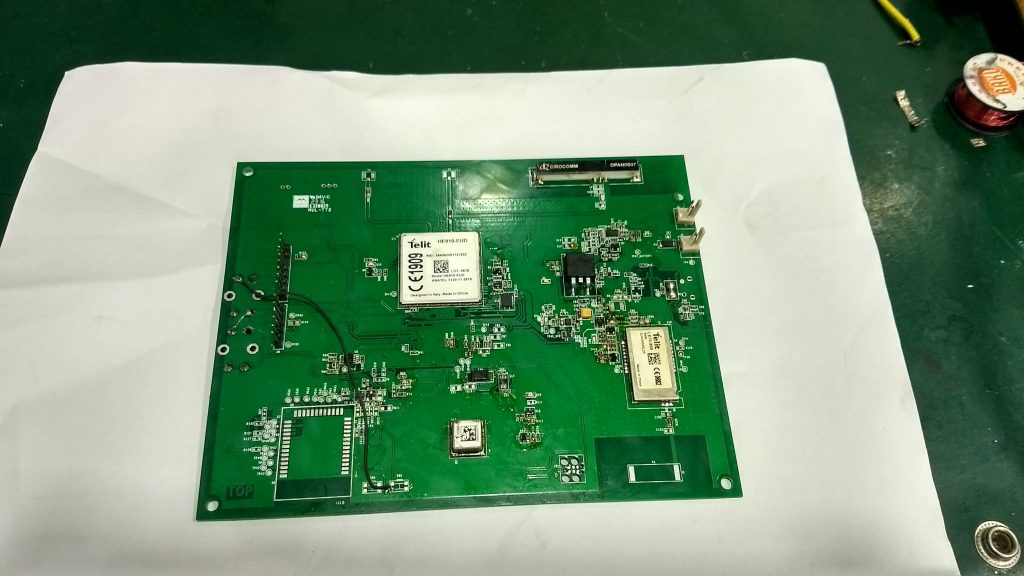
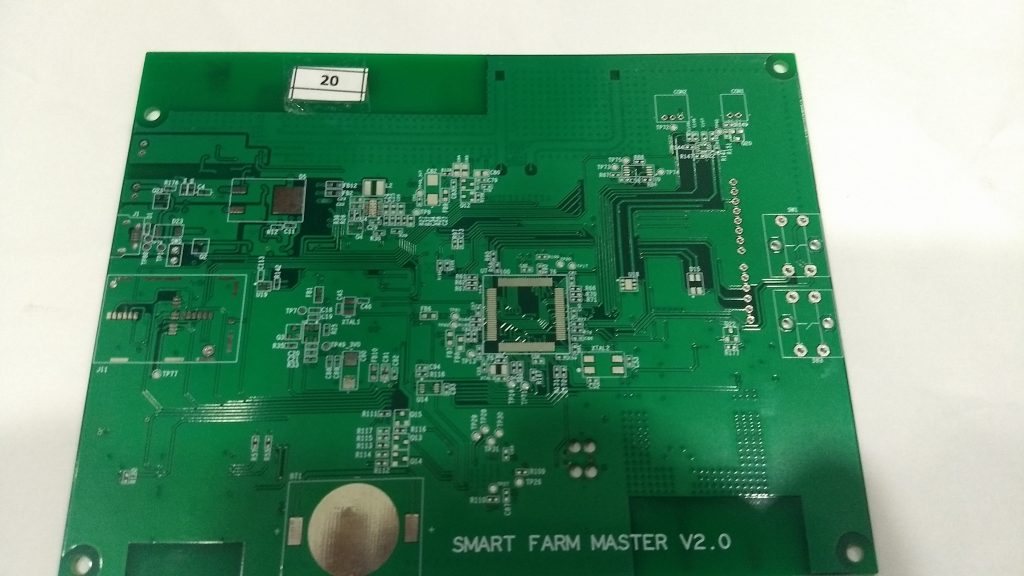
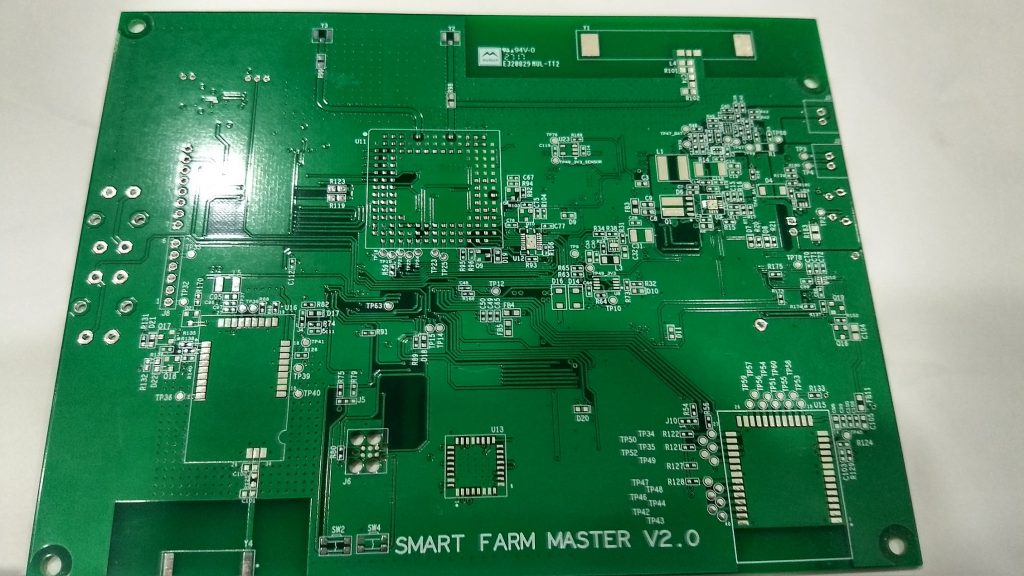
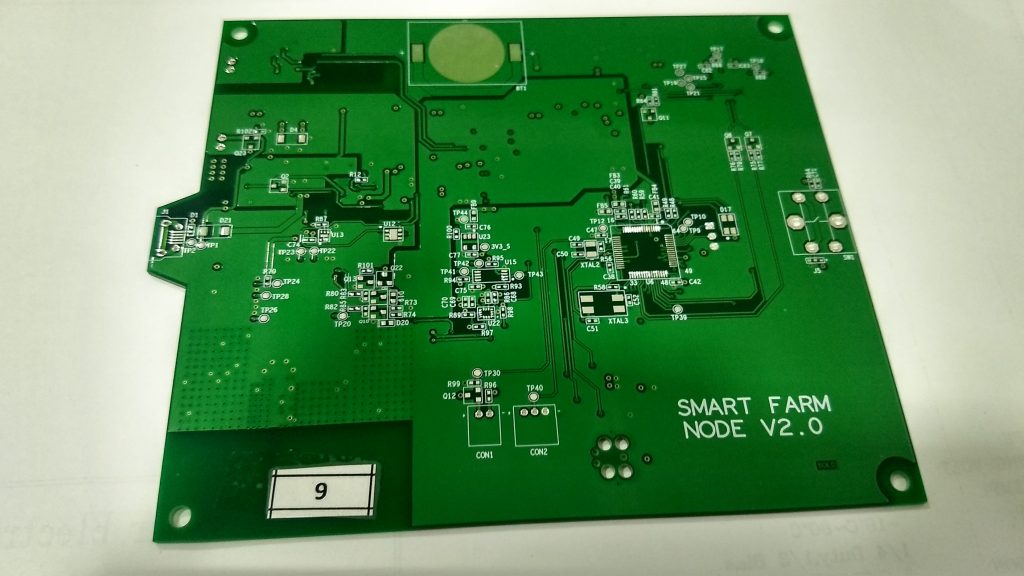
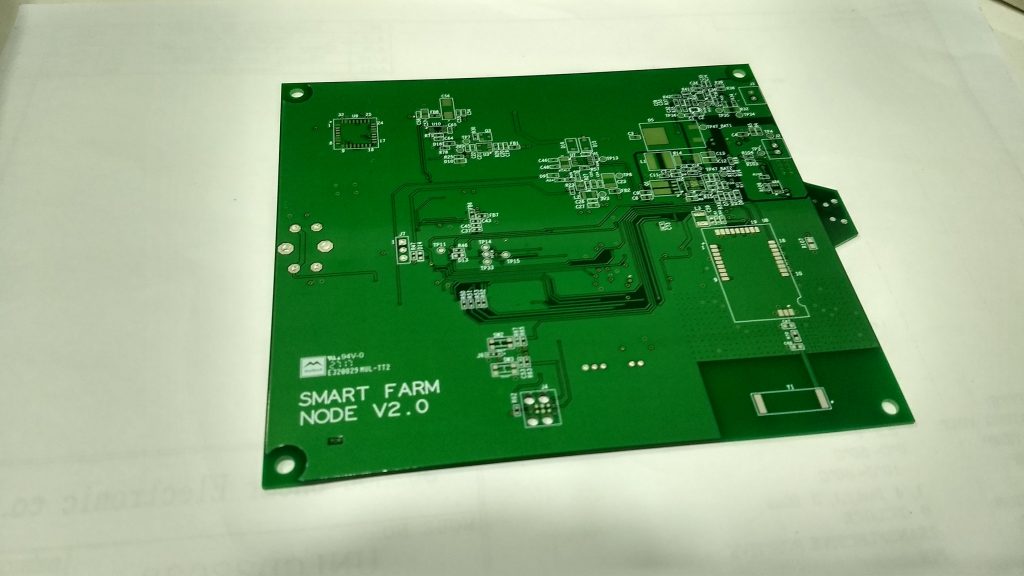
Photos of Zenvus Smartfarm Design for U.S. and European Markets

2

When we unveiled Zenvus for the African markets, we did not know that we were out for something big. From the north to the south, east to west, African markets have responded. But while that was happening, American, French and Brazilian farmers were calling. Our products are affordable and have changed the basis of competition since you need to spend about 5% compared to the cost of some competing big brands.

Zenvus is a pioneering precision farming technology company that uses computational algorithm and electronics to transform farms. Zenvus collects soil fertility and crop vegetative health data to deliver precision agriculture at scale. It then uses the aggregated and anonymized data to deliver financial services to farmers

I saw the global opportunity and knew that we needed to modify some specific things to serve those markets. In this post, I am sharing some photos of some circuits under tests. We will begin serving those markets next year. This is for big farms with at least 50 hectares of land.

This version of Zenvus Smartfarm is engineered for private cloud. So a farmer can pay to have its data stored in a sequestered datacenter while relying on Zenvus award-winning algorithm to process the data. Zenvus sensors will still anchor the data collection.

We continue to serve African markets through governments and co-operatives providing the best precision agriculture technology for smallholders farmers in the world.


The Inversibility Construct

2

In this video, I explain the Inversibility Construct which is a construct that deals on what digital entrepreneurs must achieve for them to have scalable advantage. Scalable advantage means that you can scale without much burdens, financially. Scalability comes when what is typically a bad customer experience in the physical domain becomes the enduring strength of a digital product.

Your digital startup cannot grow if you do not have a scalable advantage. You must have a means to add new users at a marginal cost model that tends towards zero. In essence, if the market has been perfect (it is not, and nothing is), you must serve customers at zero prices, on the web. But you do not do that since you need to make profit to exist as a business. That is why you have a cost on your apps or you extract tax via advertising.

For the Inversibility Construct, you need to turn a typical frustration in the meatspace into strength in the digital space. That means, you need to INVERSE the experiences of people, so that what annoys them in the physical becomes strength in the digital space. I provide some examples:

  • People hate crowded shopping malls; make people to like crowded shopping malls via your products (Amazon, Konga)
  • People hate crowded classrooms; make a classroom where everyone is happy when it is crowded (Udacity, Facyber)
  • People hate crowded bank halls; make products where everyone enjoys the service when the bank hall is crowded (Paypal, Paystack)
  • People hate crowded motor parks with passenger hailers; make a hailer which people like because it is crowding many people together (Uber. Little Cab)

If you fail to inverse the physical domain experience, you have no digital product. There are core anchors that will help you which I have explained in this portal in many areas.

  • Aggregation Construct
  • Internet Diminishing Abundance
  • Unbounded Distribution Channel
  • Marginal Cost

The Inversibility Construct posits what a digital entrepreneur must work to turn the enablers of meatspace poor customer experiences into strengths in digital domain products or services.

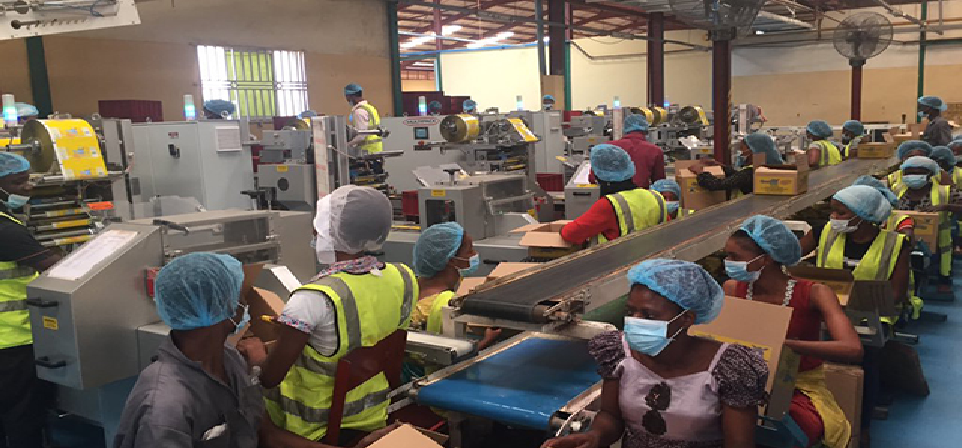
Deciding Where To Locate Your Agro-Allied Factory in Nigeria

8

You can join the conversation on LinkedIn here; the community is discussing this topic.

If you can, please assist and provide some insights and perspectives. A member of the community has this question and needs help. This is the question::

If you were to own an agro allied factory, where will you locate your factory. Close to the market, close to the raw materials or close to labour? Thank you sir as you help enlighten a budding entrepreneur.

This is my response but I have never built such a factory to have looked at many of the variables:

  • Market vs. Raw Material
    • I will locate close to market because the market is where the final customers are located. No matter where I locate the factory, I will always come to the market to make sales
    • I do not know the nature of the product but no matter what it is, the pull mechanism will make the producers of the raw materials to tend towards going to the market. That means, even if I am not close to the original source of the raw materials, I can always get raw materials from other suppliers
    • The transportation cost of the raw materials may be high depending on the nature. However, the flexibility of having many distributors coming to the factory being closer to the market opens more doors to improve sales. If the factory is located near the source of the raw materials, I may not have many distributors coming to lift the products.
  • Market Vs. Labour
    • I am not worried on labour because labour is always pulled to the markets. So, people will always go to where the money is. In this case, the labour issue will be dealt with provided we are closer to the market. If we locate just for the labour, it is not likely it will be a stronger pull compared to either the raw material or the market. Besides, agro-allied labour is not that extremely specialized to have that level of pull-effect. Again, we are not talking of labour for the raw materials. Here we are talking of labour for the factory. I do think being closer to the market, usually a big city, will help me on that
  • Raw Materials Vs. Labour
    • Between locating close to raw materials and labour, I will bias towards raw materials. At least that will save me cost of transportation to the factory. The labour for agro-allied factory is not ultra-specialized that I have to move my factory to it. Raw material wins between these two variables.

All Together

Labour has mobility and can move better than raw materials. But since this is a factory, it is better I stay closer to the market to have more access to distribution and dynamics of the customer taste.That will always win over being sequestered from the market because of the need of proximity to raw materials. So, locate close to the market for non-perishable raw material. If perishable raw material, owing to poor road networks and logistics in Nigeria, put closer to source of raw materials if alternative sourcing will not be readily possible.But generally, if there are multiple raw material suppliers, I do think the raw material suppliers will deal with their products and associated logistical challenges. Personally, as the agro-allied entrepreneur, I will focus on the market. So at the end, close to market wins irrespective of the nature of the raw material.

[This construct can be examined from the elementary concept of location and localizaion of industries which they taught us in 4th year in secondary school, in most Nigerian schools.  There land, labour, and capital, being factors of production were always part of the considerations. Agro-allied is not the farm from where we will get the raw materials, so land is not a huge issue.  Capital is not a factor even though buying land near the source of the raw materials may be lower (assuming the farm to be in rural area). Nevertheless, the cost is not going to be so huge to overcome the benefits, over time, of having the factory closer to the market. In the Economics book (by O. A. Lawal) which I read decades ago in 4th year in secondary school, he noted markets as being a factor. This setting mirrors his explanation;  I think close to market wins for this Nigerian entrepreneur. But where the raw material is perishable, we can consider closer to the raw material]. What do you think?]

Google Tez Begins Africa’s New Era of Voice Banking

8

This is the beginning of the new era of modern agency banking in Africa. For decades, banks have struggled on how to serve poorly educated potential customers, through text-based technology. The banks have struggled because the cost of serving these customers is high. This explains why you may not find a single bank branch in some local government areas in Nigeria, while if you visit NNPC or the National Assembly, you will see many banks in their facilities. Simply, the banks are following the money. You will not make a lot of money serving rural communities in Nigeria with today’s banking solutions.

However, the Central Bank of Nigeria (CBN) does not want the banks to forget the Nigerian citizens living in rural areas. Also, the banks do understand that these citizens are potential customers, if not currently but in the near future. Some banks like Diamond Bank have deepened their agency banking products. However, most of the solutions are still text-based. Nigeria needs to deliver solutions in ways the customers, who can neither read nor write, can understand. We like to talk in Nigeria. That means voice is the path to deliver the solution. I have already noted that the shift in computing to voice provides that paradigm.

There are many opportunities in the voice assistance space in Africa. In short, if you make it, you will get customers even in the enterprise market. The following are simple examples:

  • Banks working on agency banking will adopt the technology to reach customers who are largely not literate enough
  • Insurance firms will also use it to build new solutions, based on voice
  • Many government services will move from text to voice, solving the illiteracy barrier
  • Africa’s leading ecommerce companies like Jumia and Konga will come on board. Of course, you must make sure such a technology works with our accents

There is a shift in computing at the consumer level, where people can talk to their phones and the phones get things done. The opportunity will be huge. Now is the time to think of Africa’s voice operating system.

Google Debuts Solution

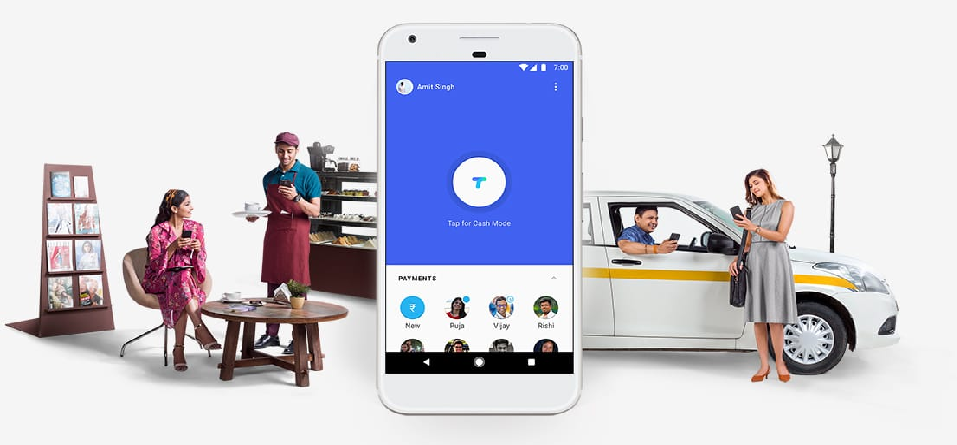
According to TechCrunch, Google has a product named Tez that can allow customers to make payments via audio. Period, you talk and the transaction goes through. Where are they testing it? India. It has the same demographics in terms of literacy rate as most parts of Africa.

After several weeks of speculation and leaked details, today Google officially unveiled its first big foray into mobile payments in Asia. The Android and search giant has launched Tez, a free mobile wallet in India that will let users link up their phones to their bank accounts to pay for goods securely in physical stores and online, and for person-to-person money transfers with a new twist: Audio QR, which uses ultrasonic sounds to let you exchange money, bypassing any need for NFC.

“Send money home to your family, split a dinner bill with friends, or pay the neighbourhood chaiwala. Make all payments big or small, directly from your bank account with Tez, Google’s new digital payment app for India,” Google notes in its information portal about the new app.

Tez is Google’s play to replace cash transactions and become a more central part of how people pay for things, using their mobile to do so. But it’s also a chance for the company to push out some new technologies — like audio QR (AQR), which lets users transfer money by letting their phones speak to each other with sounds — to see how it can make that process more frictionless, and therefore more attractive to use than cash itself. More on AQR below.

Tez is launching today on iOS and Android in the country and will see Google linking up with several major banks in the country by way of UPI (Unified Payments Interface) — a payment standard and system backed by the government in its push to bring more integrated banking services into a very fragmented market. There will also be phones coming to the market from Lava, Micromax, Nokia and Panasonic with Tez preloaded, the company said.

https://youtu.be/N2A_RkIHNgU

What Happens Next

I expect Google to make available API and SDK that will help people integrate Tez in their solutions in coming months. They will also scale beyond India to Africa and Latin America. Also, over time, Google will make this product part of Home Assistant, its voice assistance technology. The fact remains that developing regions like India and Africa will find the emerging voice operating system  very exciting because you do not have to worry if the person can read or write. The promise of moving computing to voice will unlock more value in Africa.

Voice computing will be a total liberalization of computing where anyone that can talk can compute. Indeed, “Audio QR is poor man’s NFC and it’s better and awesome”, says Aniruddh Dodiya , Founder of Grocya.

All Together

I expect African developers and entrepreneurs to position themselves for this emerging opportunity. They have to find ways to build on top of Tez which will be easier since Google has provided the core elements. Yet, we also have to find ways to manage the accents and our spoken English flavor. There are many opportunities in this area and people have to get excited and begin to explore. I expect banks to begin to explore solutions in this space. Agency banking in Africa and indeed Nigeria will be anchored by voice computing. Google Tez can make that moment happen.

Imagine the possibilities. This comment from referred TechCrunch link above sums it up.

Audio is great because in populations with high illiteracy, voice based transactions can allow people to be more productive. The records of transactions should be easily recoverable by the same users. If people can use pictures in addition to their voice, they can navigate the digital transaction landscape and become active participants. For example, a farmer and a consumer can enter into a verbal agreement to sell a specific kind of produce as part of ecommerce. Google appears to be on to something big.

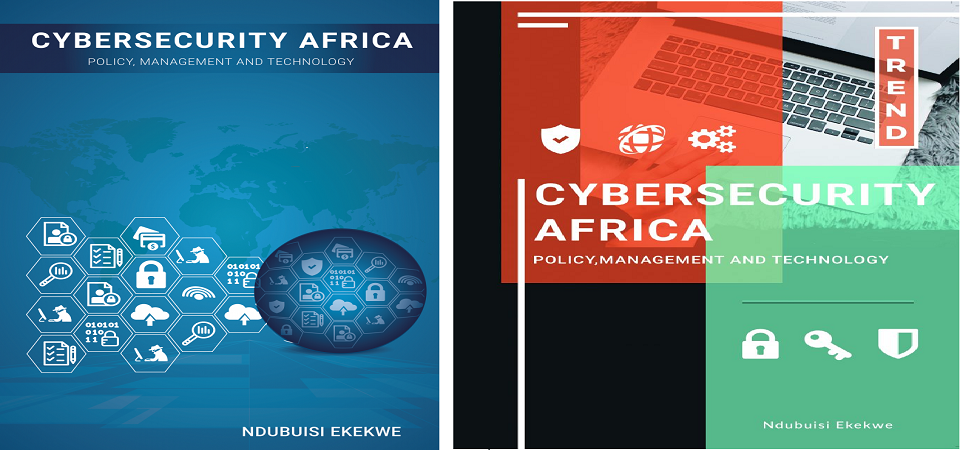
New book “Cybersecurity Africa – Policy, Management and Technology” coming Oct 9

1

Dear Tekedia Readers.

I want to thank the community for the responses to my recent book – Africa’s Sankofa Innovation  – which continues to attract great subscriptions daily. We want to reward our subscribers (and future subscribers too) by moving forward the publication date of the upcoming new book – Cybersecurity Africa – Policy, Management and Technology – by weeks. It will be published here on Oct 9 2017.

Cybersecurity Africa will be a living document which can be updated many times in a year to keep it up to date and relevant. It will be the top destination for anything Cybersecurity in Africa. I had planned to publish it through a traditional publisher, but right now, Tekedia will host it. It is a fast sector, and we do not need a version number; the only accepted version should be current. Internet makes that possible.

If you have subscribed to Africa’s Sankofa Innovation, you will access Cybersecurity Africa at no extra cost. The same applies to subsequent works we are working on which will include Opportunity Manuals in specific industries to help people unlock value in Africa. Once you are a Tekedia subscriber (subscribe here), all old and new materials will be available at no extra cost.  

Thank you.

Ndubuisi Ekekwe